The Sydney Morning Herald
· collected 2026-09-24 · by Cameron Atfield
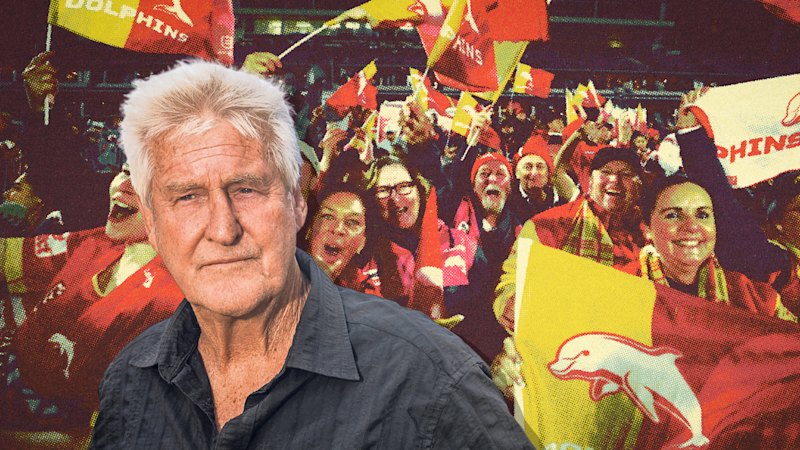
As the Dolphins continue to make a splash in the NRL finals series, the club is fighting a quiet, multi-year battle to legally own its name on team merchandise.
asserted
club → continue → merchandise
And it’s in no small part down to one man.
asserted
it → ’ → man
Larry Kershaw, 72, has owned the “Dolphin” trademark in the class that deals with sporting equipment since November 2018.
asserted
that → own → November
He successfully registered the trademark to protect a surfboard fin he designed.
asserted
he → register → fin
The Dolphins NRL club applied for its trademark three years later, almost to the day.
asserted
club → apply → day
Another nearly five years on, the NRL club on the cusp of its first grand final appearance has been unable to achieve protection for the Dolphins name and logo.
asserted
club → achieve → name
Other owners of dolphin-themed trademarks, such as Swimming Australia, have consented to the NRL club’s application, but Kershaw has held out, leading IP Australia to defer the application until the dispute is resolved.
asserted
dispute → theme → application
Kershaw is not a big rugby league fan, although he does have a soft spot for the Cronulla-Sutherland Sharks.
asserted
he → have → Sharks
“I’m not really privy to rugby league clubs and how they operate and all that, but I’m assuming these people are used to getting their way, one way or another,” he said.
asserted
he → ’m → way
“But what’s the point of anybody having a trademark if some big company can just come in and just roll somebody over?
asserted
company → ’ → somebody
You’re trespassing on my property, really, aren’t you?”
asserted
you → trespass → property
Speaking to this masthead from his Tenterfield home, Kershaw said the first he became aware of the NRL club’s interest was in February 2024, when he received a legal letter asking him to waive his rights to the trademark, with no mention of compensation.
asserted
he → speak → compensation
Kershaw said he countered with a $50,000 offer, which “in today’s value of money, doesn’t seem like a lot”.
asserted
which → say → lot
Since then, in March 2024, official records show the Dolphins formally filed an application to IP Australia to have Kershaw’s mark forcibly struck off the register.
asserted
mark → show → register
“People have said to me, ‘You know, you can make a motza out of this,’ which you probably could if you really wanted to be hard-headed and pull in some big-shot lawyers – and if you had the money to back you up,” Kershaw said.
uncertain
Kershaw → say → you
“But I’d just like to get something sorted out where they say to me, ‘here’s a cash payment.’
asserted
payment → like → me
“Or, if they wanted to pay me royalties on what they were selling – maybe that might be a more reasonable way of going.
uncertain
that → want → what
I mean, if I got 5 per cent on everything that was sold, I’d be doing all right, wouldn’t I?”
asserted
I → mean → everything
Intellectual property lawyer Chris Round, from the Melbourne office of international law firm K&L Gates, has had a long history in sports trademark law – including the AFL’s infamous stoush with Warner Bros over the Tasmanian Devils branding.
asserted
Round → have → branding
Round said the Dolphins’ registration was “about 95 per cent” there, with IP Australia offering to accept the trademark if the club abandoned certain trademark categories.
asserted
club → say → categories
“For whatever reason, the Dolphins have decided they’re not going to do that, and they’ve decided to take on Mr Kershaw’s registration,” he said.
asserted
he → decide → registration
“Mr Kershaw is only registered with respect to surfboard fins, longboard fins, and stand-up paddleboard fins – that’s a really small thing, but the problem is, the Dolphins have filed for sporting goods.
asserted
Dolphins → register → goods
“Now, sporting articles is a universe of goods, and surfboard fins are part of that universe.”
asserted
fins → sport → universe
But Round said people should think twice before getting any big ideas about selling counterfeit merchandise outside Suncorp Stadium on Friday night.
asserted
people → say → night
“Whether you take seven months or seven years to get registered, it’s registered from the date it was filed,” he said.
asserted
he → take → date
“So if you went out there on Friday night and sold a counterfeit shirt, at the moment, the Dolphins don’t have a course of action for trademark infringement.
asserted
Dolphins → go → infringement
“But eventually, they will have one, and they will predate your behaviour.”
asserted
they → have → behaviour
Round said it was unusual that the application had taken so long, but he would not be drawn on Kershaw’s chances of a financial windfall.
asserted
he → say → windfall
“Those who own trademarks are entitled to seek whatever compensation they want from an applicant asking for a letter of consent,” he said.
asserted
he → own → consent
“You have been given a monopoly by IP Australia for your trademark with respect to your goods and services, and it’s up to you as the trademark owner to decide whether someone else can come along and register their brand.
“If you look on the register, Mr Kershaw only got registered because somebody else consented to him getting on the register.
asserted
him → give → register
So he understands a letter of consent because he got one.”
asserted
he → understand → one
Kershaw said he hoped the matter would be resolved soon, and in a way that helped his retirement.
asserted
that → say → retirement
“I’m not asking for a million dollars or anything like that,” he said.
asserted
he → ask → that
“I just want what I feel is fair, because they’re obviously going to make a lot of money out of this.”
asserted
they → want → this
Citing an ongoing legal matter, the Dolphins declined to comment.
asserted
Dolphins → cite → matter
 The Aporia