Iran's Revolutionary Guard retaliates after U.S. bombs targets in Strait of Hormuz
Official says U.S. targeted rocket launchers; IRGC reports several casualties
asserted
IRGC → retaliate → launchers
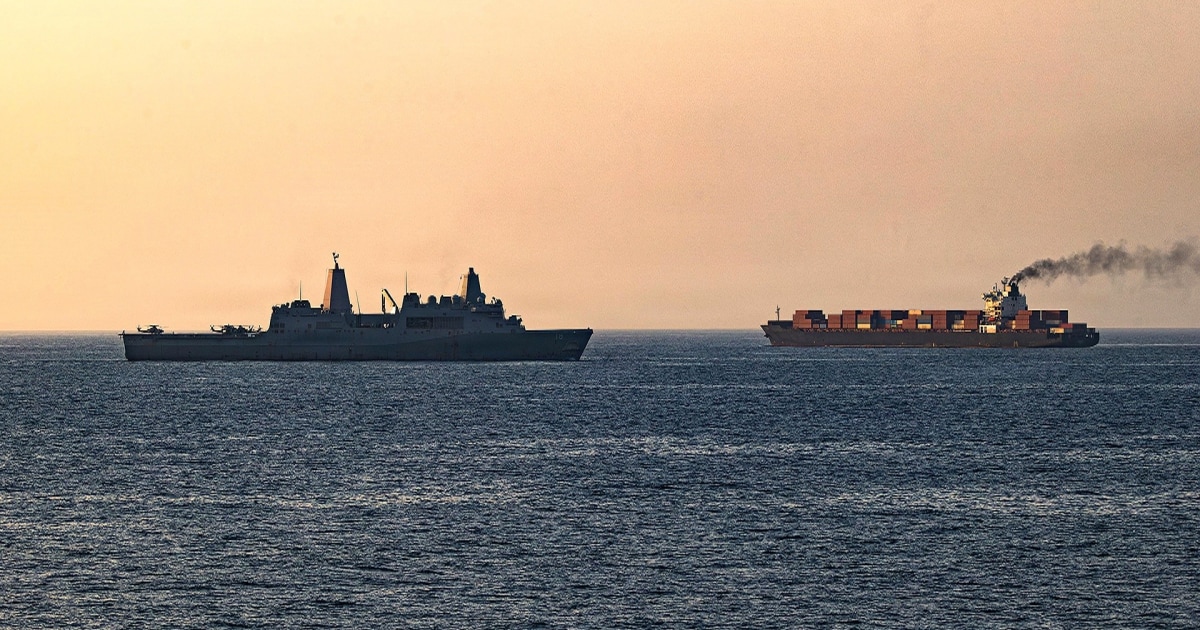
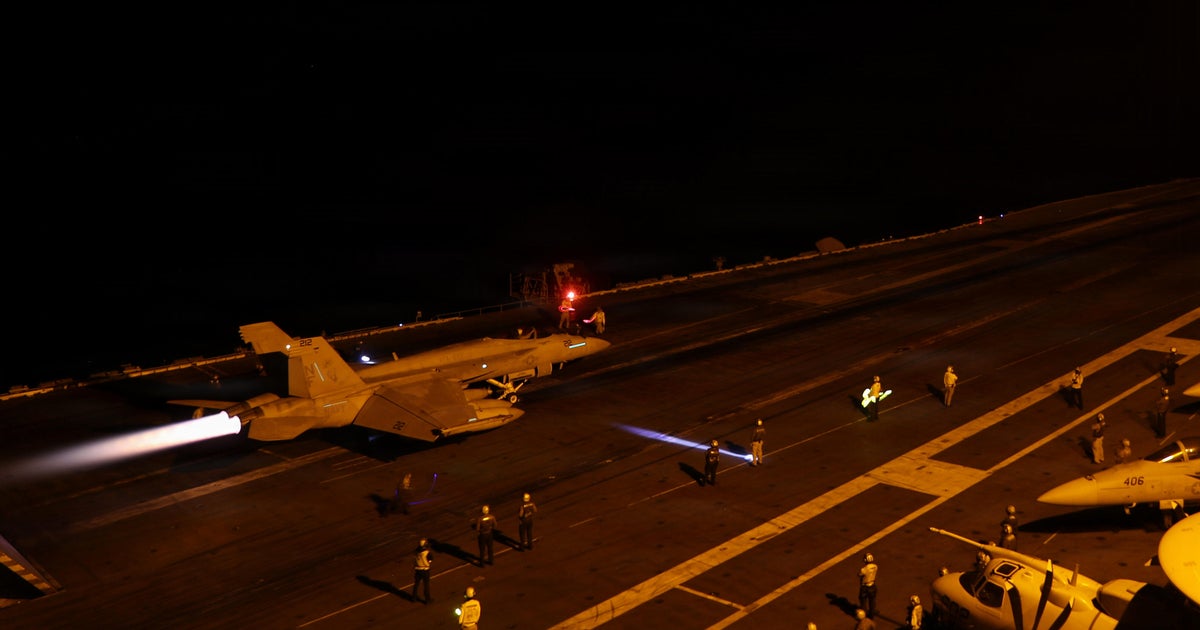
U.S. forces struck Iranian rocket launchers in the Strait of Hormuz on Sunday in the first military action in a month, prompting an Iranian response and breaking a lull in fighting during an intermittent war that has lasted more than six months.
asserted
that → strike → months
Forces with Iran's Islamic Revolutionary Guard Corps (IRGC) were observed preparing to launch rockets with sea mines into the strait, according to the official, who spoke on condition of anonymity to detail sensitive military movements.
uncertain
who → observe → movements
The U.S. military last week completed clearing sea mines from the strait's international shipping routes.
asserted
military → complete → routes
Semi-official news outlets in Iran reported sounds of explosions near Larak Island on the strait.
asserted
outlets → report → strait
Later, Iranian state television showed what it said were ballistic missiles being fired by Iran at U.S. bases in Jordan in response to the American strikes.
asserted
it → show → strikes
Jordan's armed forces said they intercepted eight missiles that penetrated the country's airspace early Monday in the Mideast.
asserted
that → say → Mideast
U.S. military officials disputed Iran's claim that the latest American strikes were an act of aggression, calling them a "limited, precise action" against what they said were minelaying forces.
"In essence, Iran created the threat and the U.S. military eliminated it to protect civilian mariners, commercial shipping, and the free flow of global commerce," U.S. Central Command said in a statement late Sunday.
uncertain
Command → dispute → statement
A return to open conflict would be dangerous for the region, where Iran has targeted U.S. military bases and infrastructure in Gulf countries since the war began on Feb. 28.
asserted
war → target → Feb.
The last time the U.S. military confirmed targeting Iran was on July 29, when it announced a "heavy wave of strikes" on dozens of Revolutionary Guard targets, including coastal surveillance and defence sites.
asserted
it → confirm → sites
On Aug. 1, U.S. President Donald Trump said he would order the military to hold off on new strikes at the urging of Gulf allies Qatar, Saudi Arabia and the United Arab Emirates.
asserted
he → say → allies
The fighting comes just days after the Trump administration said it would turn its focus to increasing economic pressure — rather than military action — to try to end its war with Iran.
asserted
it → come → Iran
The shifting strategy centres on threats to punish any country or entity that continues to conduct business with Tehran.
asserted
that → shift → Tehran
The turn to using sanctions as the cudgel of choice comes as the administration weighs diminished munitions stockpiles after months of war, sparking concerns that the prolonged conflict could undermine U.S. military readiness in other parts of the globe.
uncertain
conflict → use → globe
As the conflict grinds on, Trump's talk of finding a quick end to the war also appears to be fading.
asserted
talk → grind → war
He stressed last week that he's "not in a hurry" to get Iran back to the negotiating table, and he continues making the case that the Islamic Republic's leadership is on the ropes.
Trump has consistently emphasized that the campaign against Iran by the U.S. and Israel has been devastating for Iran's navy and air force.
asserted
campaign → stress → navy
Iranian officials have said the country has suffered $270 billion US in direct and indirect damage.
asserted
country → say → damage
Israeli military strikes in the first weeks of the war wiped out much of the theocratic government's leadership structure.
asserted
strikes → wipe → structure
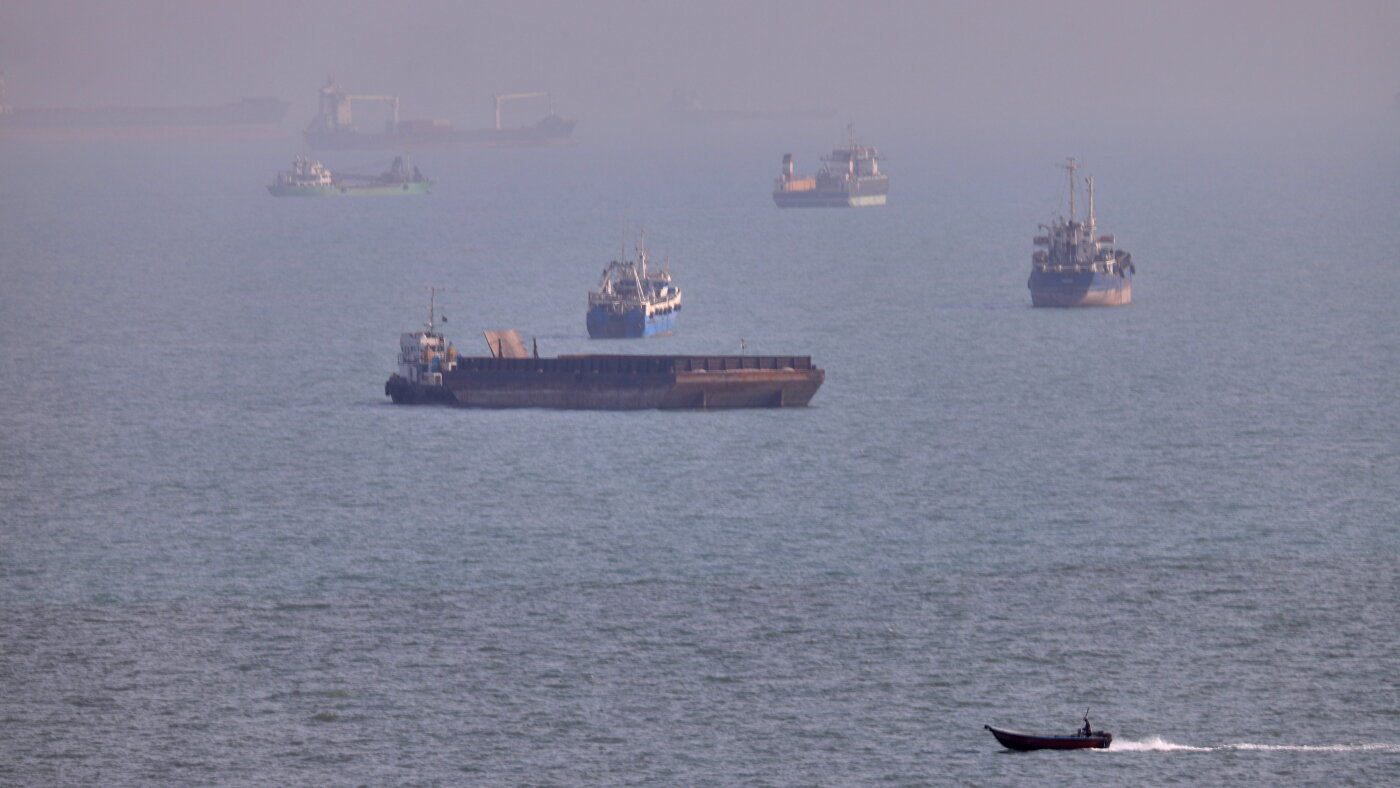
But Iran has found leverage through its own strikes in the critical Strait of Hormuz, where relatively few vessels carrying oil and liquefied natural gas are risking passage.
asserted
vessels → find → passage
Iran still has enough drones and missiles to fire at vessels transiting the vital energy waterway, through which 20 per cent of the world's oil normally flows, effectively controlling much of the traffic in the strait.
asserted
cent → have → strait
Trump has repeatedly declared that the "Strait of Hormuz is open," saying 24 vessels passed through last week.
asserted
vessels → declare → Hormuz
But that's a fraction of the roughly 130 vessels that traversed the vital waterway daily before the war began.
asserted
war → traverse → waterway
Earlier on Sunday, a multinational coalition overseen by the U.S. navy said commercial traffic through the strait remained at "reduced levels."
asserted
traffic → oversee → levels
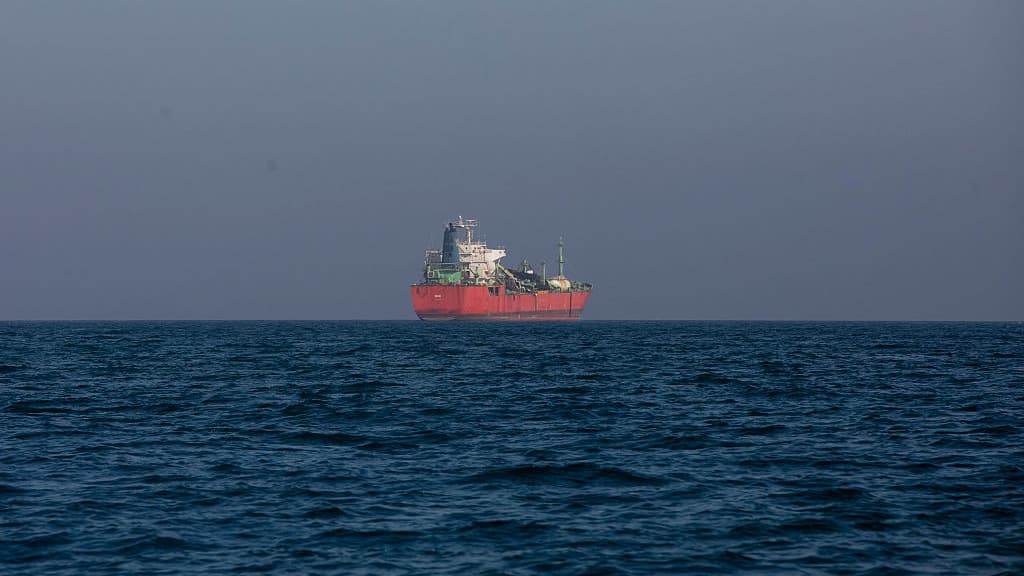
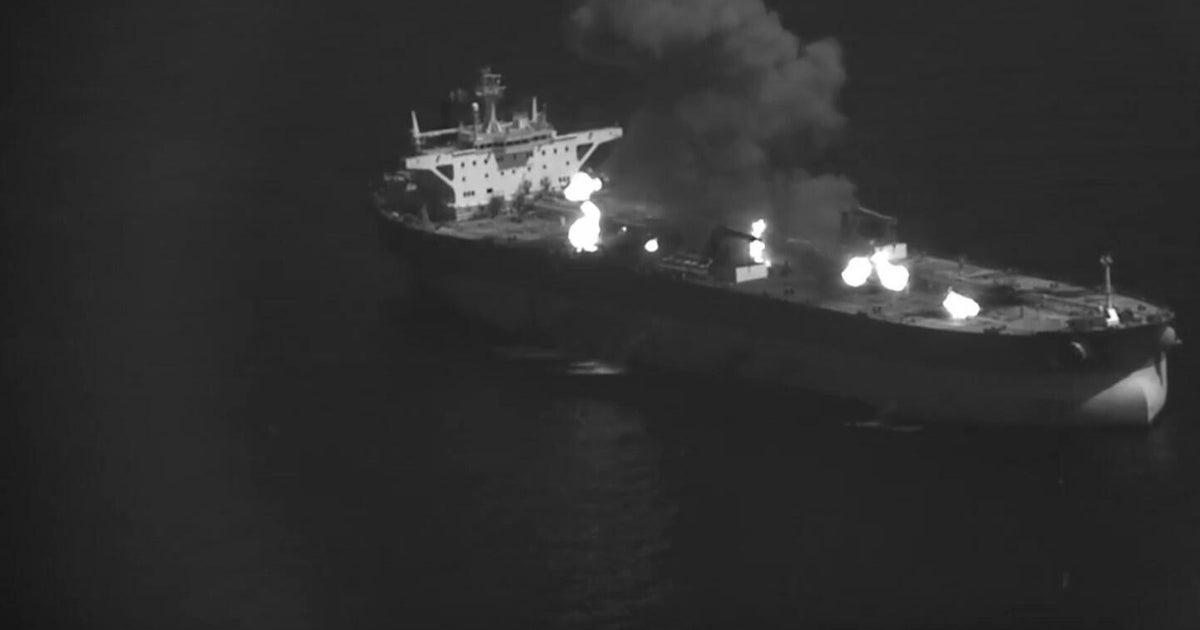
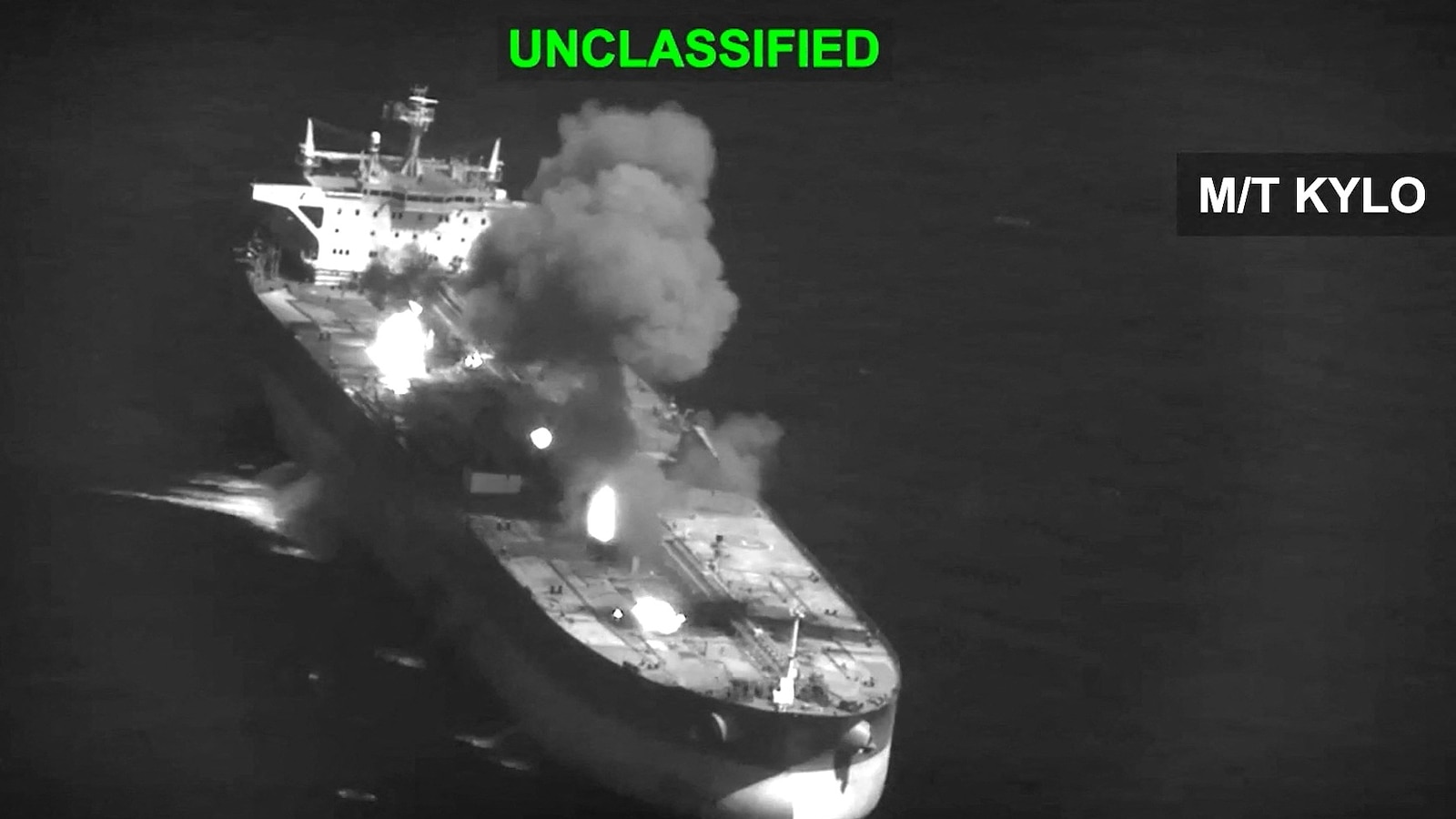
And a monitoring agency run by the British military said an unknown projectile struck a tanker ship on Saturday north of Khasab, Oman, in the strait.
asserted
projectile → run → strait
The United Kingdom Maritime Trade Operations said the ship had been moving inbound and no casualties or environmental impact had been reported.
asserted
casualties → say → ?
It cited unspecified military authorities.
asserted
It → cite → authorities
 The Aporia