World News Today: International News Headlines - The Hindu | The Hindu
· collected 2026-08-27 · by The Hindu Bureau
A catastrophic flash flood on the Nepal-Tibet border has killed at least 160 people and left hundreds missing. The disaster occurred on Wednesday morning when torrents of water and debris crashed downstream from a suspected rock-and-ice landslide in the Lhende River, which flows into the Trishuli River. Preliminary analysis suggests that an earthquake may have triggered an ice avalanche, leading to the flood. Experts are calling for a thorough assessment to understand the sequence of events and how human activities such as construction along rivers may have contributed to the disaster.
Written by the local model on 2026-08-27,
using this article's own text rather than the other coverage of the
same event (that is the story summary below).
Story summary
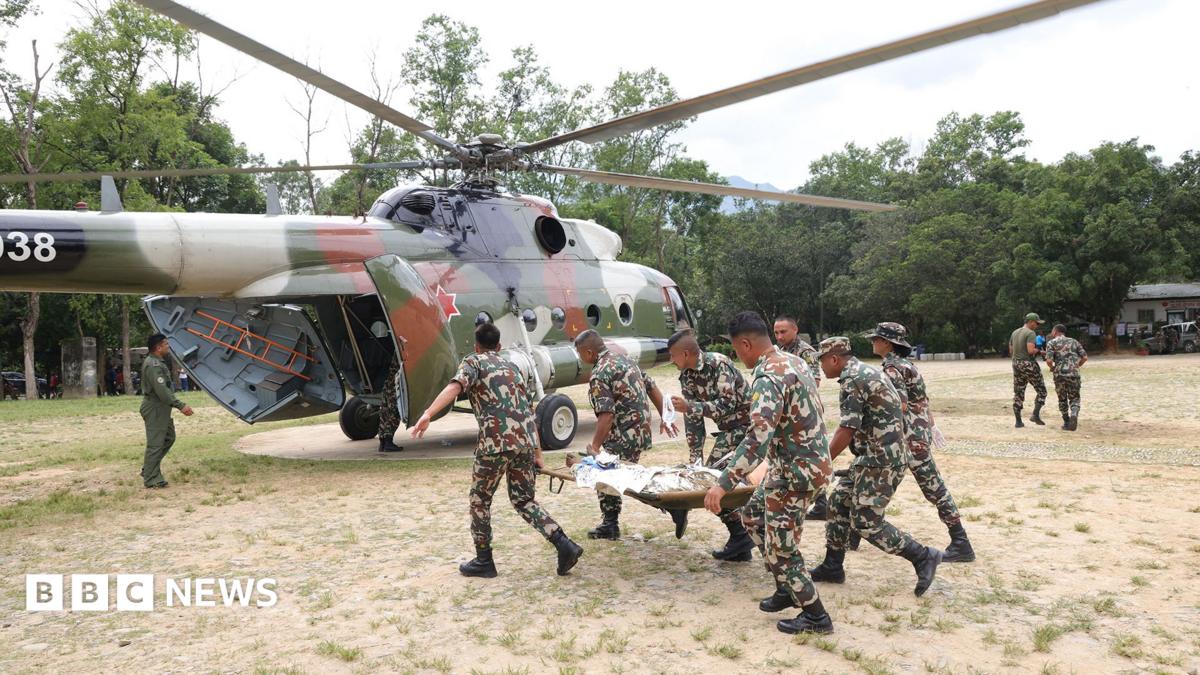
A catastrophic flash flood occurred on August 26, 2026, on the Nepal-Tibet border, causing widespread destruction and loss of life. The disaster was triggered by a collapsed glacier, which sent massive amounts of water and debris downstream, resulting in the deaths of at least 273 people and leaving over 1,300 missing. The floodwaters swept through several communities, including Syapru Besi and Timure in the mountainous district of Rasuwa, with many villages and infrastructure destroyed. Rescue teams were deployed to search for survivors, but their efforts were hindered by the remote location and challenging terrain.
The disaster also affected Tibet, where a mudslide hit the land border crossing at Gyirong Port, causing major casualties and disruptions to transportation and communication networks. Chinese President Xi Jinping ordered "all-out" efforts to search for those missing and to strengthen monitoring and early warning systems to prevent similar disasters in the future.
The Nepal Tourism Board reported that 25 Canadians were among those missing, and officials warned of a high risk of secondary collapses or landslides as rain continued in the affected area. The disaster has highlighted the issue of rapidly melting Himalayan ice and the need for better preparedness and emergency response measures in the region.
Written for “Nepal Tibet Flood Disaster” on 2026-08-31,
grounded in this article and the 57 other(s) covering the same event.
Why this leaning score
This article does not take a side on a contested political
question, so it has no leaning score. That is an
answer rather than a gap: a match report or a rescue can be warmly
or critically written without being left or right, and scoring it
anyway is how approval of a subject gets recorded as a political
position.
No political leaning scored for article 2876 · logged 2026-08-27
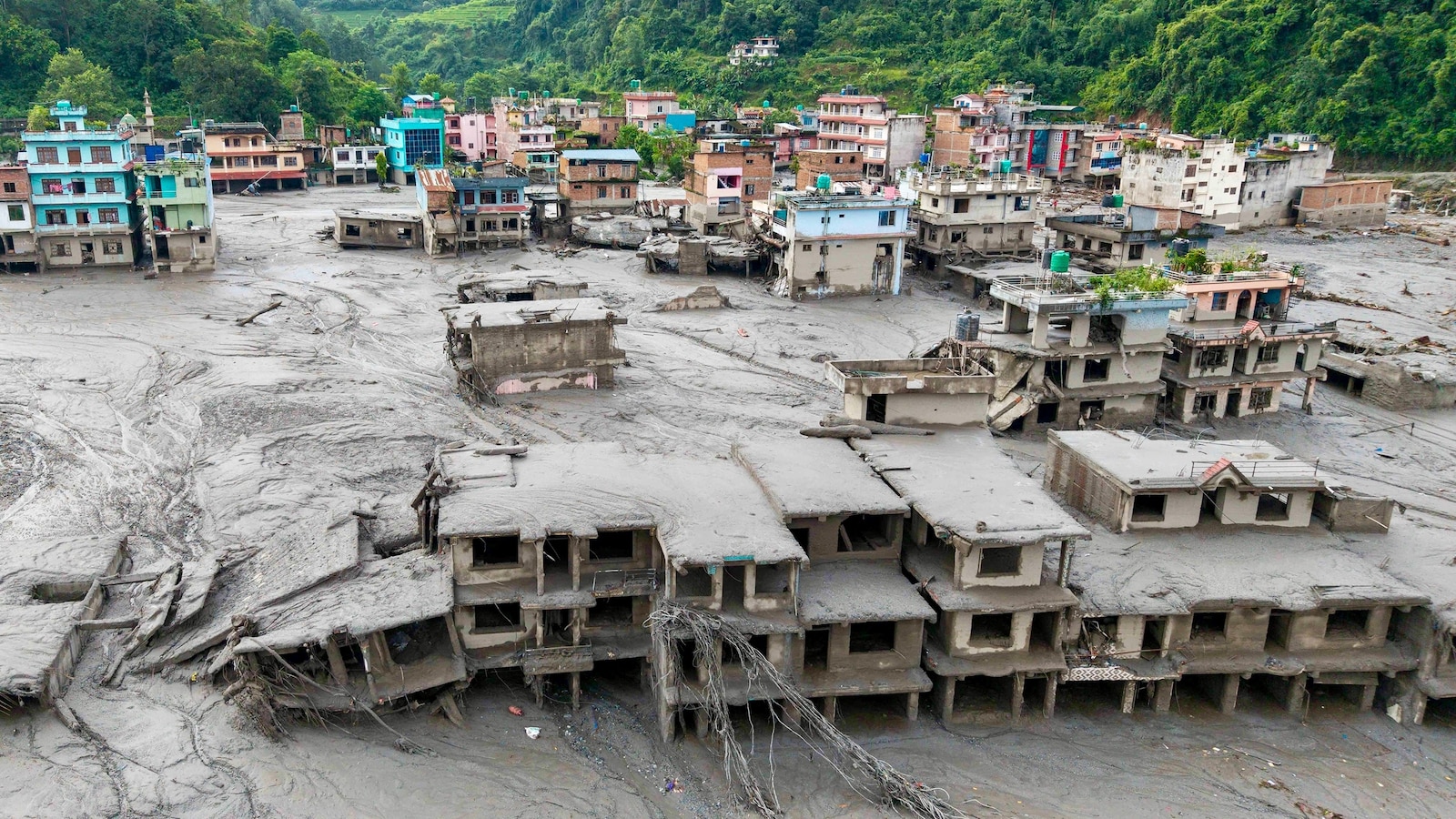
Catastrophic flooding on the Nepal-Tibet border unleashed waves of water and debris that have killed at least 160 people and left hundreds more missing.
asserted
that → unleash → hundreds
The exact sequence of events is still unclear, but on Wednesday (August 26, 2026) morning, torrents of water and debris crashed downstream on both sides of the border.
uncertain
torrents → crash → border
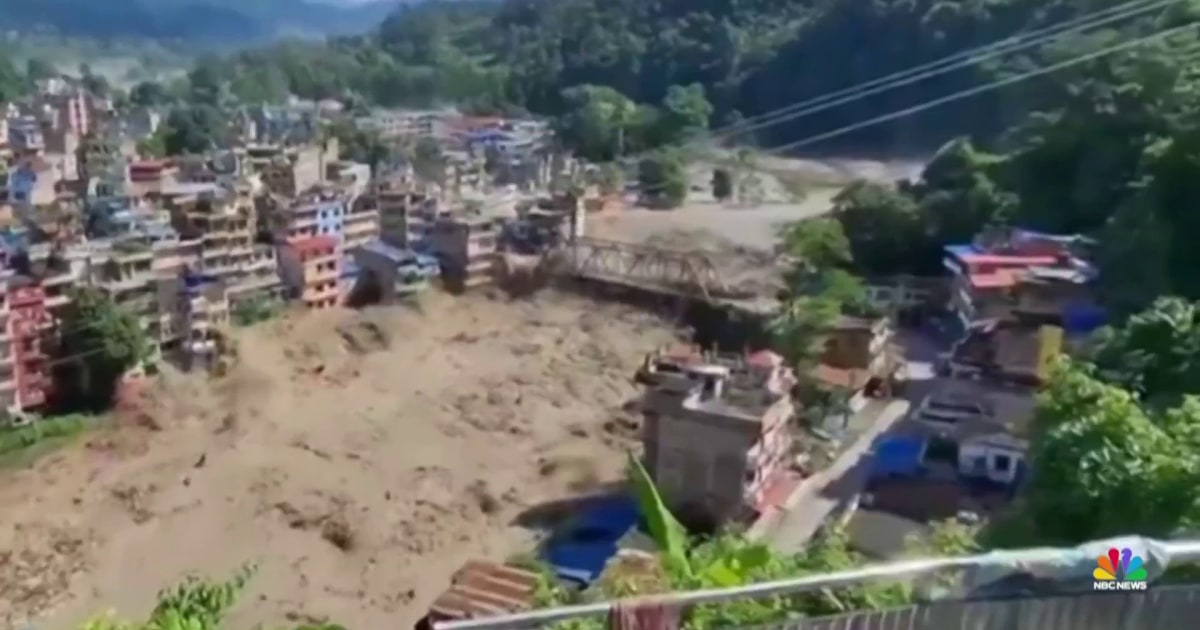
Surveillance video from the Chinese side showed a wall of mud and water crashing over a building as terrified people ran away.
asserted
people → show → building
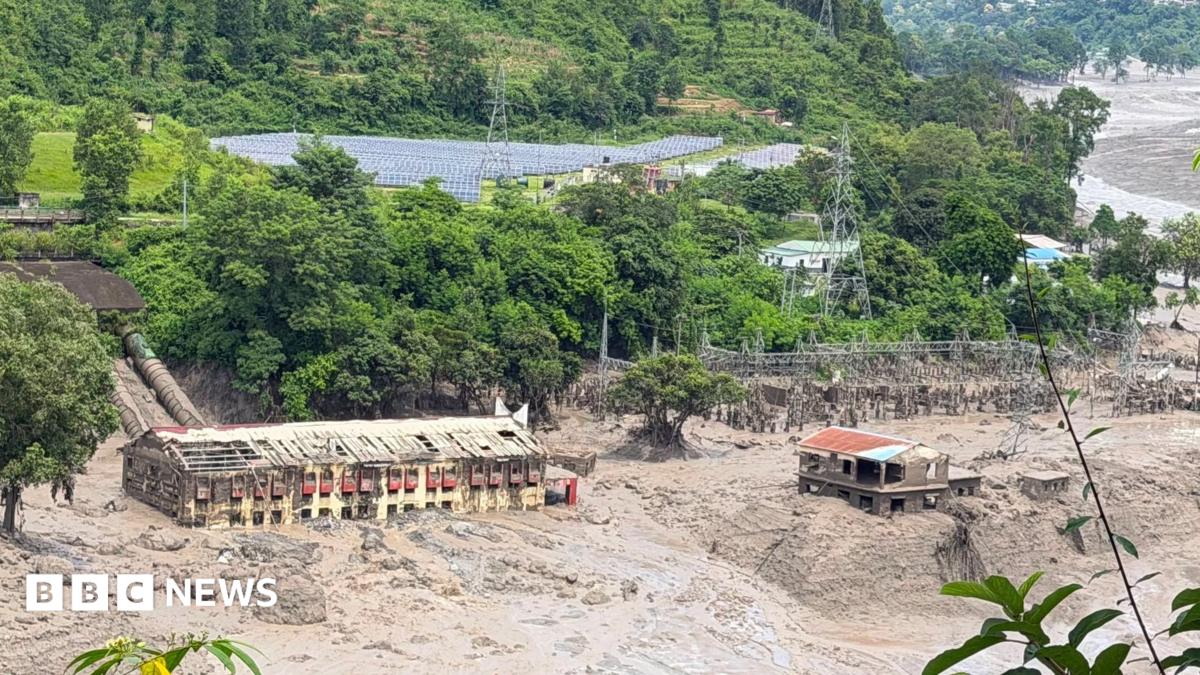
In Nepal, a surge of water hit villages and towns on the path of two rivers - Bhote Koshi and Trishuli.
asserted
surge → hit → rivers
The disaster was intially described as a flood on the Nepalese side, and a mudslide by Chinese authorities.
asserted
disaster → describe → authorities
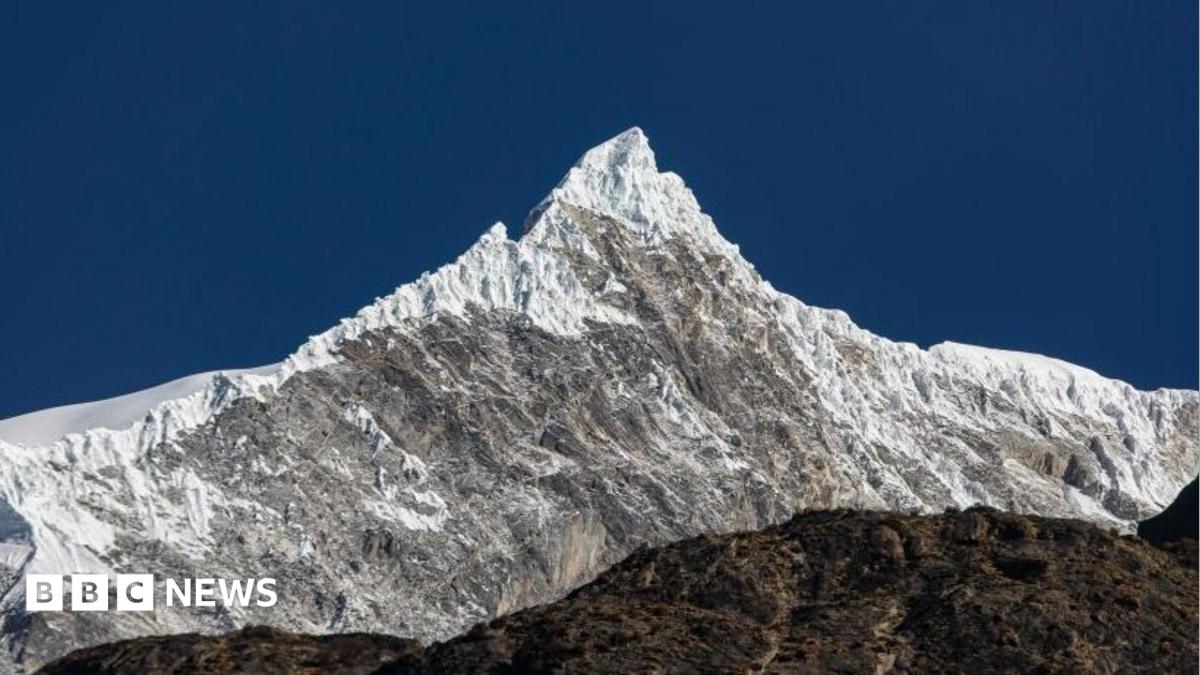
While preliminary satellite analysis points to a rock-and-ice landslide as the immediate cause, experts say a thorough assessment is needed to establish the sequence of events and whether a glacial process also contributed to the flood.
asserted
process → point → flood
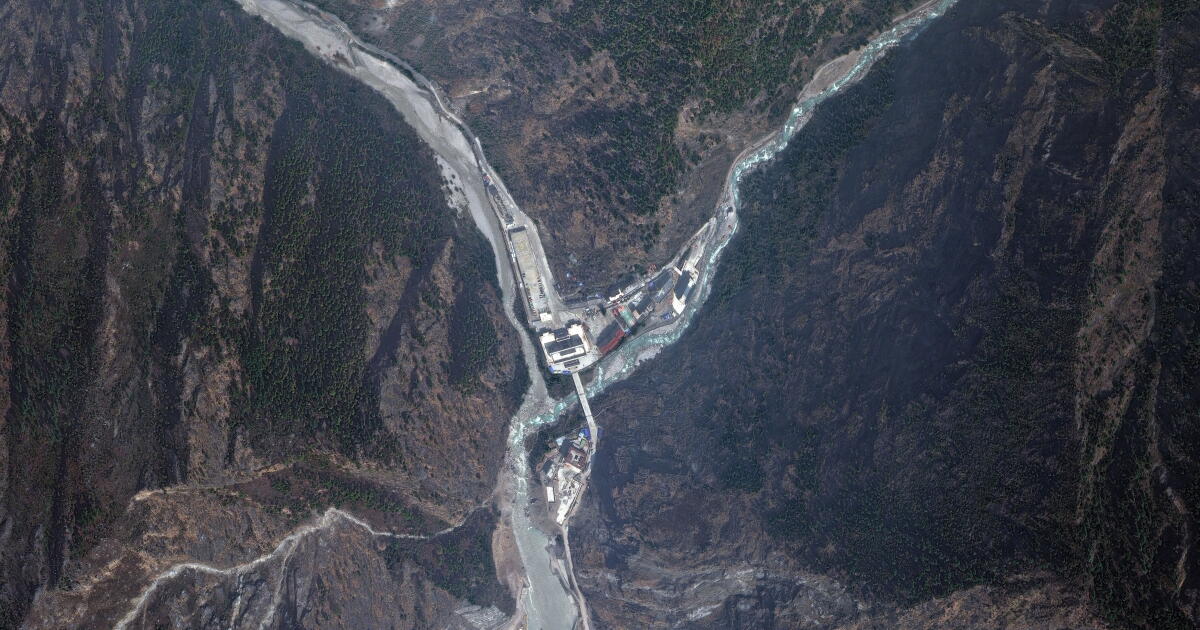
Nepal’s National Disaster Risk Reduction and Management Authority, citing a preliminary analysis of Planet Labs satellite imagery, said in the evening that a rock-and-ice landslide along the Nepal-China border, about 20 km northeast of the Rasuwagadhi border crossing, caused a debris-laden flood in the Lhende River, a tributary of Bhotekoshi, that flowed through Timure and entered the Trishuli River.
asserted
that → cite → River
Earlier, Foreign Minister Shishir Khanal told Parliament that preliminary information suggested an earthquake around 8.37 a.m. triggered an ice avalanche, which was followed by the flood around 8.40 a.m.
uncertain
which → tell → a.m.
“The information needed further verification,” he said.
asserted
he → need → verification
The recurrence of extreme floods has raised concerns among experts about disaster preparedness, infrastructure planning and risk mitigation.
asserted
recurrence → raise → preparedness
A construction spree along rivers in Nepal’s northern regions, driven in part by the country’s push to expand hydropower as an economic booster, has remained a concern for environmentalists and climate experts.
asserted
spree → drive → environmentalists