A melting glacier contributed to the deadly Nepal floods. We can expect more like this

NPR Topics: News · collected 2026-08-28 · by Ava Berger
Read the original at NPR Topics: News ↗

Summary

Scientists say a massive chunk of ice broke off from a glacier and contributed to deadly flash flooding in Nepal and Tibet on Wednesday, killing at least 400 people and leaving over 1,000 missing. The disaster was exacerbated by heavy monsoon rains, which caused rivers to swell. Experts attribute the increasing frequency and severity of such events to human-caused global warming, with glaciers melting at an alarming rate due to climate change. Preliminary reports also suggest that Nepal's flood warning system was not equipped to handle this level of flooding, despite significant government investment in recent years.
Written by the local model on 2026-08-28, using this article's own text rather than the other coverage of the same event (that is the story summary below).

Signals How these are calculated →

Claims extracted
26
claim-shaped sentences
Uncertain
4%
1 of 26 hedged
Leaning
withheld
no quote in the article backed the model's score
Publisher trust
92.7
red-flag proxy, not a credibility rating
Outlets on this story
58
Environment
Narrative spread
1
articles carrying this framing
Analyzed 2026-08-28 · how these are computed

AI analysis (generated at analysis time, not now)

Story summary

A catastrophic flash flood occurred on August 26, 2026, on the Nepal-Tibet border, causing widespread destruction and loss of life. The disaster was triggered by a collapsed glacier, which sent massive amounts of water and debris downstream, resulting in the deaths of at least 273 people and leaving over 1,300 missing. The floodwaters swept through several communities, including Syapru Besi and Timure in the mountainous district of Rasuwa, with many villages and infrastructure destroyed. Rescue teams were deployed to search for survivors, but their efforts were hindered by the remote location and challenging terrain.

The disaster also affected Tibet, where a mudslide hit the land border crossing at Gyirong Port, causing major casualties and disruptions to transportation and communication networks. Chinese President Xi Jinping ordered "all-out" efforts to search for those missing and to strengthen monitoring and early warning systems to prevent similar disasters in the future.

The Nepal Tourism Board reported that 25 Canadians were among those missing, and officials warned of a high risk of secondary collapses or landslides as rain continued in the affected area. The disaster has highlighted the issue of rapidly melting Himalayan ice and the need for better preparedness and emergency response measures in the region.

Written for “Nepal Tibet Flood Disaster” on 2026-08-31, grounded in this article and the 57 other(s) covering the same event.
Why this leaning score
The model judged this article politically coded and scored it +0.85, but every quote it verified points left, so the score is not published.
Written under an earlier scoring contract, which gave a paragraph rather than checkable quotes. Re-analysing this article replaces it.
Leaning score withheld for article 3134: score contradicts its own evidence · logged 2026-08-28

Story

📰 Nepal Tibet Flood Disaster
Environment · 58 article(s) covering the same event.

How this is being covered How these are calculated →

Article leaning vs. publisher reliability
Source leaning vs. consistency

Compared with similar articles

This article reads unscored and hedges 4% of its claims. Each row says how that neighbour differs.
BBC News · 0.88 cosine similarity
⚖️ leaning not scored 🔴 23% hedged 7 of 31 📰 publisher trust 96
“Both articles describe the same flash flood disaster in Nepal-Tibet on August 26, caused by a collapsed glacier, with similar details about the number of casualties and the role of global warming.”
New York Post · 0.85 cosine similarity
⚖️ leaning not scored 🔴 15% hedged 5 of 33 📰 publisher trust 95
“Both articles describe a single occurrence: a glacier collapse in the Himalayas on Wednesday, August 25/26, which triggered catastrophic flash floods in Nepal.”
BBC News
⚖️ leaning not scored 🔴 14% hedged 3 of 21 📰 publisher trust 96
“Both articles describe a single flash flood incident that occurred along the Nepal-Tibet border on Wednesday, with similar details about casualties and cause (excessive snow melting into Bhote Koshi river)”
Al Jazeera – Breaking News, World News and Video from Al Jazeera
⚖️ leaning not scored 🔴 6% hedged 1 of 18 📰 publisher trust 96
“Both articles report on a flash flood in Nepal and Tibet that occurred on the same day, causing deaths and damage.”
World News Today: International News Headlines - The Hindu | The Hindu
⚖️ leaning not scored 🔴 26% hedged 6 of 23 📰 publisher trust 94
“Both articles report on a massive flash flood that occurred in Nepal and Tibet on August 26, 2026, with similar details about the number of casualties, affected areas, and possible causes.”
www.thestar.com - RSS Results of type article
⚖️ leaning not scored 🔴 0% hedged 0 of 2 📰 publisher trust 97
“Both articles report on the same flash flood disaster in Nepal, including the number of missing people and fatalities, which occurred on Wednesday”
CBC | World News
⚖️ leaning not scored 🔴 12% hedged 4 of 33 📰 publisher trust 95
“Both articles describe a catastrophic flood caused by a glacier collapse in Nepal and Tibet, resulting in multiple deaths and missing people.”
ABC News: Top Stories
⚖️ leaning not scored 🔴 11% hedged 3 of 27 📰 publisher trust 94
“Both articles report on a massive flash flooding incident that occurred on Wednesday in the Nepal-Tibet border region, with similar casualty numbers and location descriptions.”
BBC News
⚖️ leaning not scored 🔴 20% hedged 9 of 44 📰 publisher trust 96
“Both articles report on the same flash floods in Nepal-Tibet, with similar numbers of dead and missing, and mention a glacier as a contributing factor to the disaster.”
Al Jazeera – Breaking News, World News and Video from Al Jazeera
⚖️ leaning not scored 🔴 11% hedged 5 of 44 📰 publisher trust 96
“Both articles describe a single glacial collapse incident in Nepal/Tibet on August 26 (implied by Article B's 'early Wednesday' date, which is likely referring to the day before the publication date), resulting in significant loss of life and damage, with details such as number of missing people and death toll matching.”

Publisher

NPR Topics: News · 90 article(s) · 1 correction(s) detected
SignalValueWeight
Correction rate 0.011 0.4
Uncertainty density 0.086 0.25
Assertive mismatch rate 0.000 0.35
Running correction rate · 1 correction(s)
2026-08-31
Hit shows from Edinburgh's Fringe festival are coming to America. Here are our top picks

Who wrote this

Ava Berger
2 article(s) here · 1 carrying a prediction
🔮 The world will see "more and more events like this," says Alton Byers, a faculty research scientist at the Institute of Arctic and Alpine Research at the University of Colorado Boulder.
🔮 Washington, D.C.'s first IndyCar race packed the National Mall Audio will be available later today.
Also by Ava Berger
Nothing else under this byline is closely related to this article, so these are simply their most recent.

Topics

Himalayan Nepal Tibet the National Snow and Ice Data Center the University of Colorado Boulder

Subjects

Nepal GPE · 6× Tibet GPE · 3× Himalayan NORP · 2× NPR ORG · 2× the University of Colorado Boulder ORG · 2× Chinese NORP · 1× ICIMOD ORG · 1× Mohammad Farooq Azam PERSON · 1× Twila Moon PERSON · 1× the National Snow and Ice Data Center ORG · 1×

Narrative

"There's no question that this event was made more likely because of climate change and that we're seeing more likely other similar glacier hazards occurring," says Twila Moon, deputy lead scientist at the National Snow and Ice Data Center at the University of Colorado Boulder.
framing: assertive · carried by 1 article(s) · first seen 2026-08-28
🔮 The world will see "more and more events like this," says Alton Byers, a faculty research scientist at the Institute of Arctic and Alpine Research at the University of Colorado Boulder.

Claims (26 extracted, 1 hedged)

A melting glacier contributed to the deadly Nepal floods. asserted
glacier → melt → floods
We can expect more like this Loading... asserted
We → expect → this
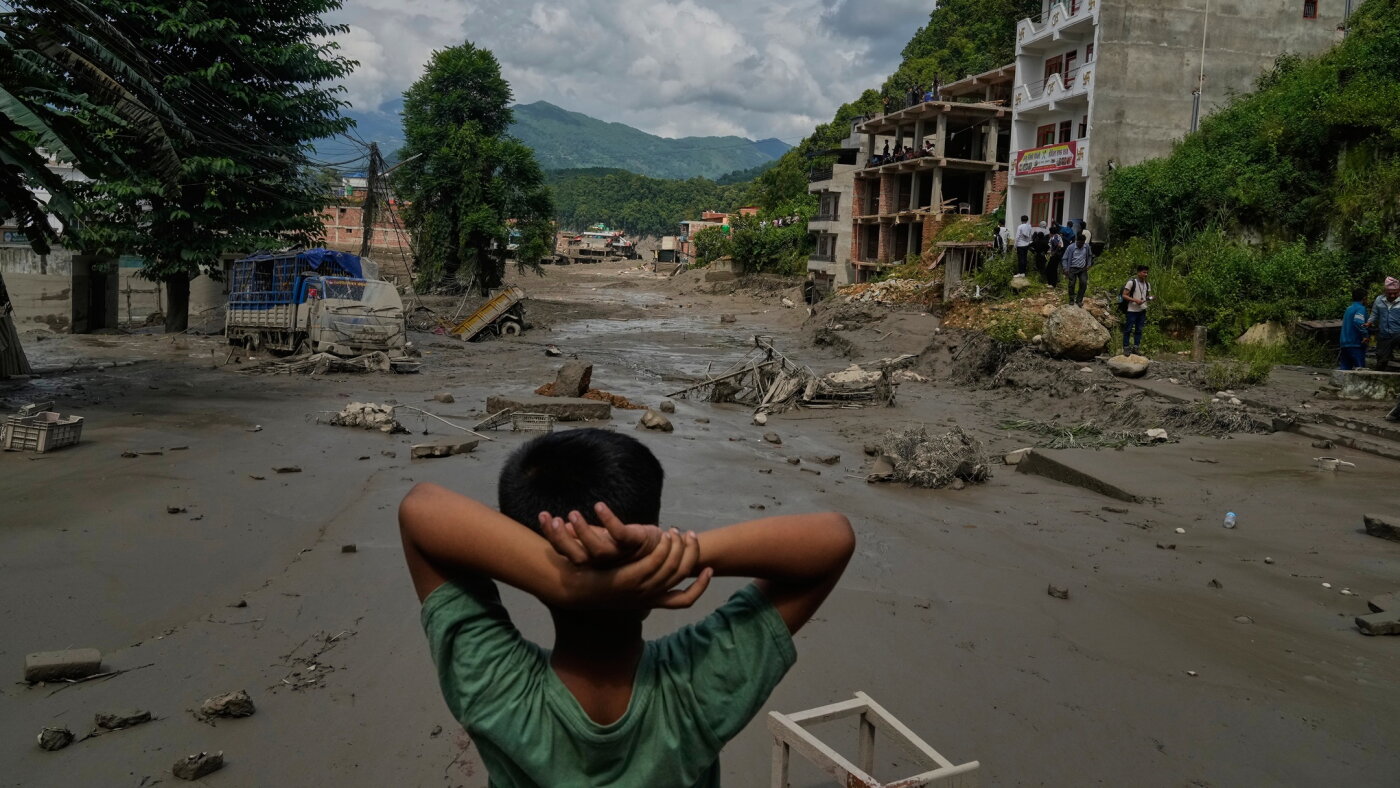
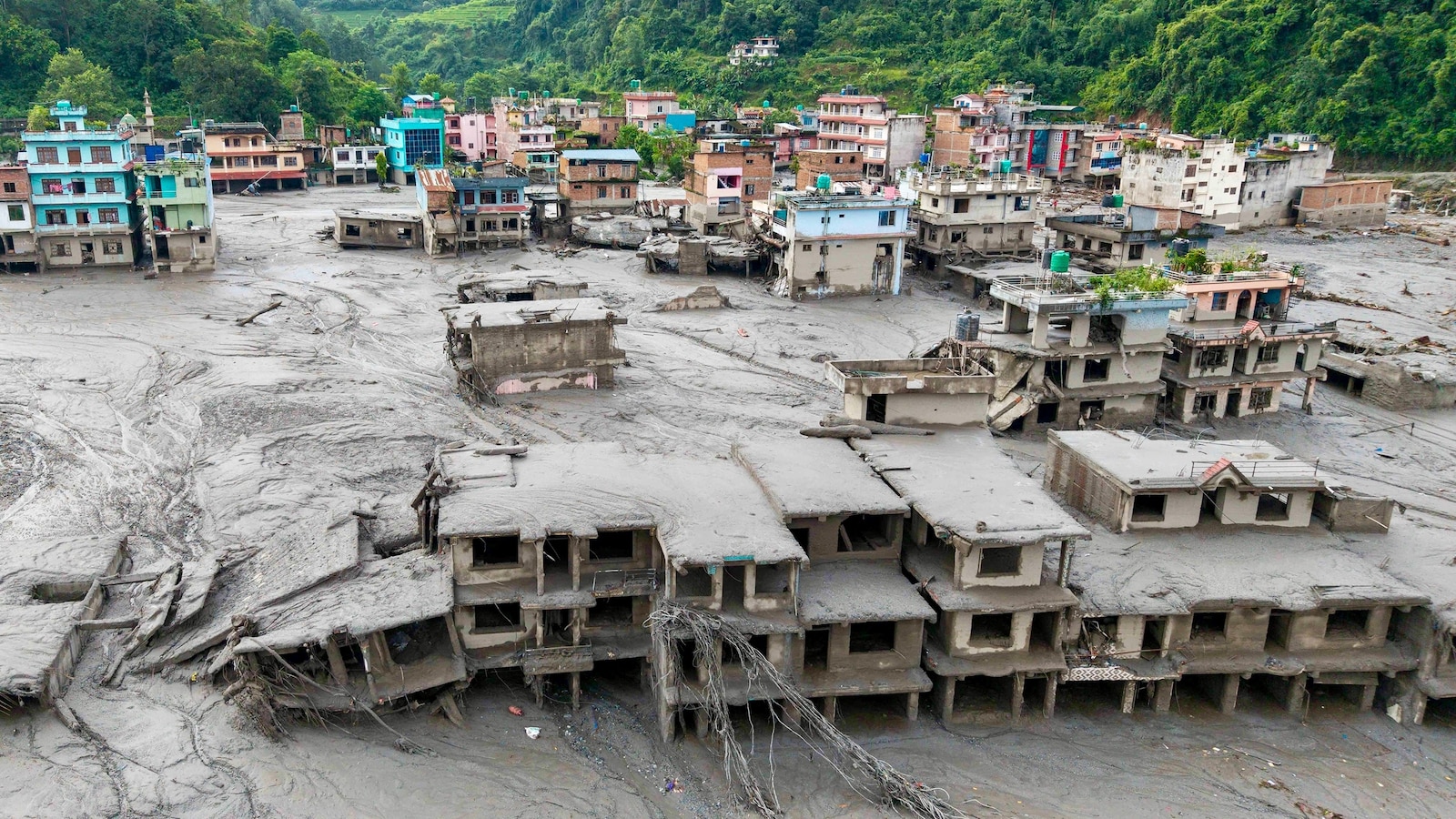
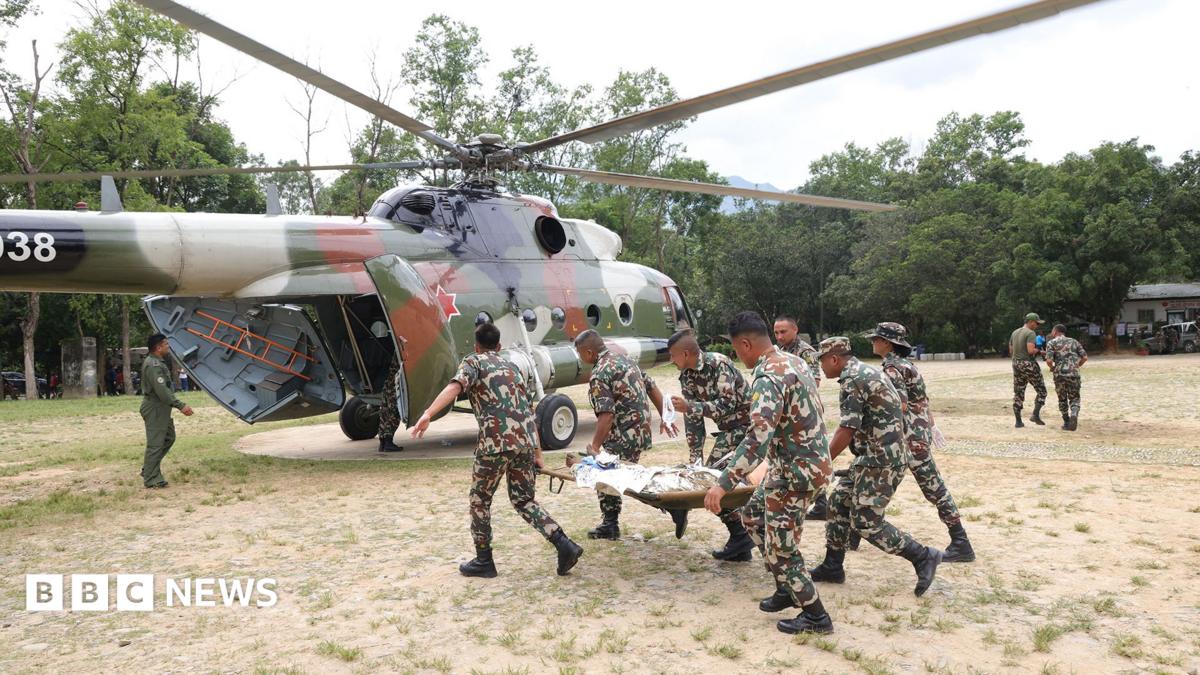
More than a thousand people are missing and at least 400 people are dead after flash flooding tore through Nepal and Tibet early Wednesday. asserted
flooding → miss → Nepal
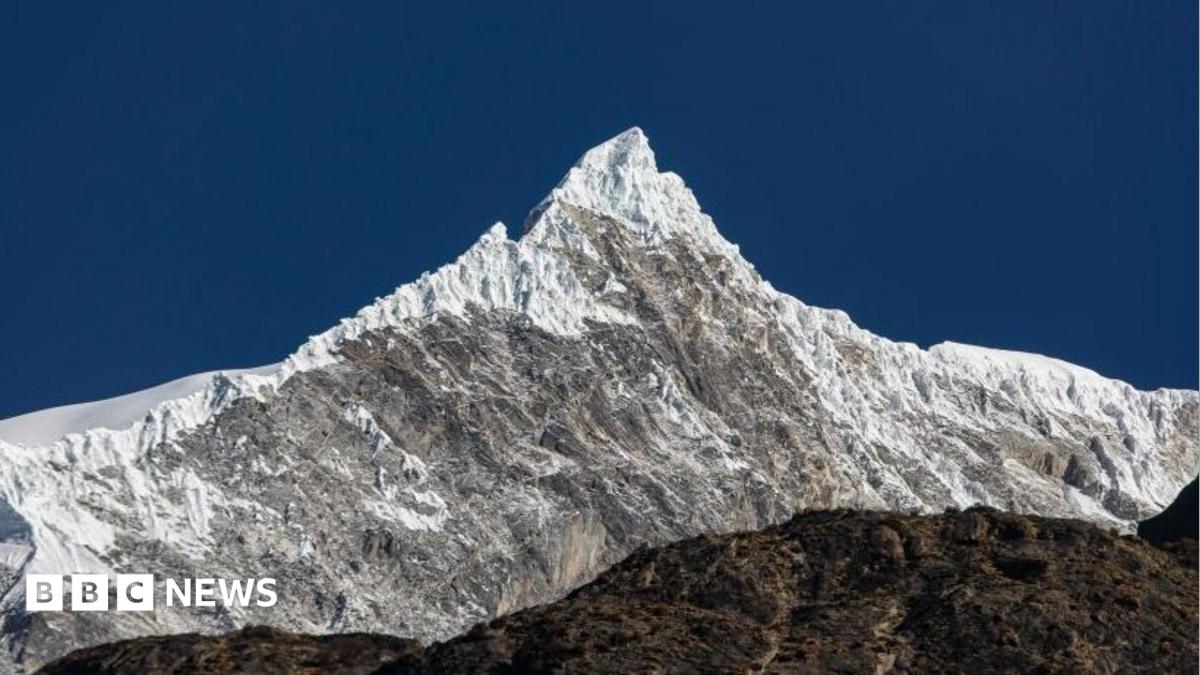
According to initial assessments, a massive chunk of ice snapped off a glacier and tumbled thousands of feet into the valley below. uncertain
chunk → accord → valley
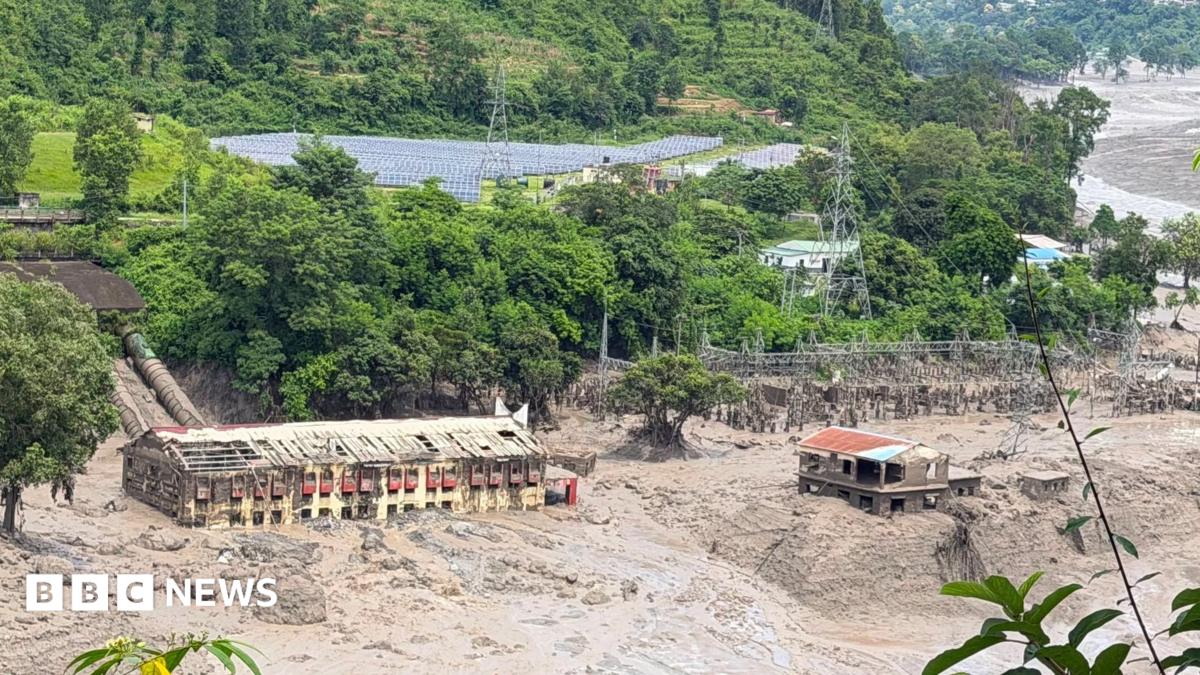
Rock, ice and mud plunged down for miles, washing away communities along the river. asserted
Rock → plunge → river
Scientists say glaciers in this region, and around the world, are increasingly unstable because of human-caused global warming. asserted
glaciers → say → warming
Across the mountains of Nepal and Tibet, climate change is causing glaciers to melt at an alarming rate. asserted
glaciers → cause → rate
Planet-heating emissions from burning fossil fuels such as oil, gas and coal are the primary driver of climate change. asserted
emissions → heat → change
Scientists say that in addition to reducing climate pollution, renewable energy and battery technologies are increasingly price competitive with traditional energy sources. asserted
energy → say → sources
"There's no question that this event was made more likely because of climate change and that we're seeing more likely other similar glacier hazards occurring," says Twila Moon, deputy lead scientist at the National Snow and Ice Data Center at the University of Colorado Boulder. asserted
Moon → be → Colorado
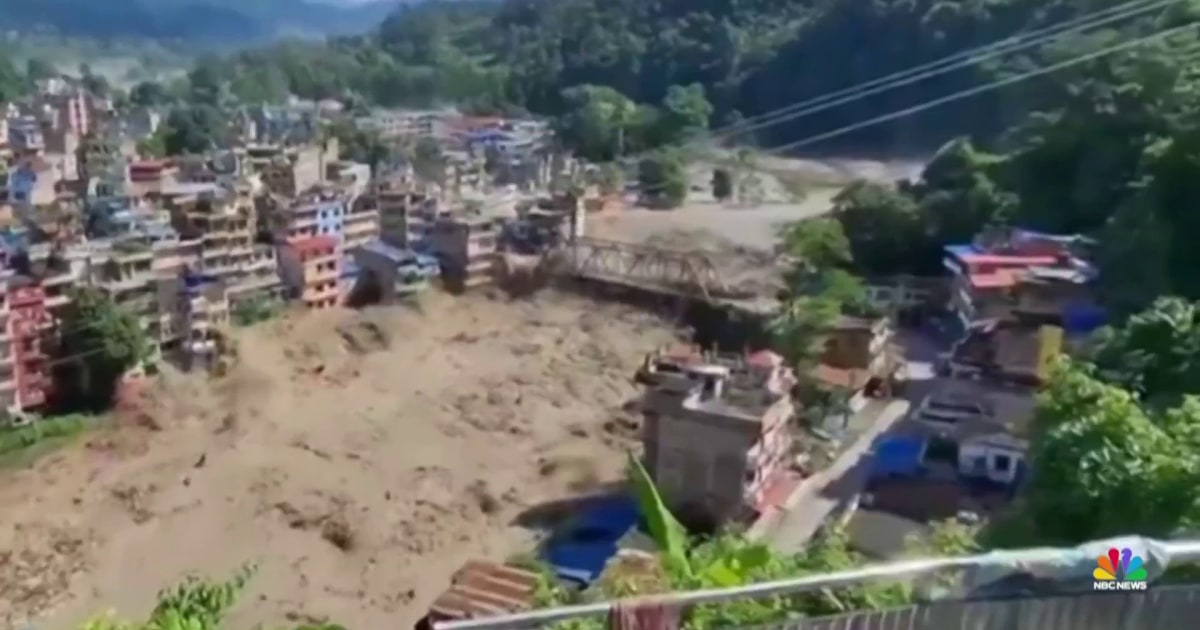
Footage from the Chinese-administered Tibet side of the border with Nepal shared on local media showed a massive gush of water sweeping over a port building as people fled. asserted
people → administer → building
Loading... As the water barrelled down, residents filmed it sweeping away a bridge and washing away riverside settlements. asserted
it → load → settlements
The flooding was made more severe because it happened during the heavy rains of the monsoon season, says Mohammad Farooq Azam, an expert at ICIMOD, an environmental advocacy group that focuses on Asia's high mountains. asserted
that → make → mountains
"Everything is fully saturated already," Azam said. asserted
Azam → saturate → ?
" This flood is part of a trend, said Arun Bhakta Shrestha, an expert on climate change and the Himalayan glaciers. asserted
Shrestha → say → change
"If you look at the whole Hindu Kush Himalayan region," he said, "it seems like the frequency, the types of those hazards are increasing." asserted
types → look → hazards
Shrestha said everything points to climate change as the reason. asserted
everything → say → reason
The world will see "more and more events like this," says Alton Byers, a faculty research scientist at the Institute of Arctic and Alpine Research at the University of Colorado Boulder. asserted
Byers → see → Colorado
"Things are getting warmer," he says. asserted
he → get → ?
Permafrost on the mountains, the continuously frozen soil and sediment, is now changing, said Byers. asserted
Byers → freeze → mountains
He uses the analogy of a stick of butter left out of the refrigerator. asserted
He → use → refrigerator
"It's going to get softer," he says. asserted
he → go → ?
"And it's going to lose its structural integrity." asserted
it → go → integrity
Preliminary reports indicate that Nepal's flood warning system wasn't equipped to handle these floods. asserted
system → indicate → floods
Many flood-prone valleys in the country have warning alarms, but as NPR has reported, the government has struggled to keep up with the cost of maintaining the systems. asserted
government → have → systems
NPR's Rebecca Hersher contributed to this reporting. asserted
Hersher → contribute → reporting

💬 Give feedback
🕘 History 🎫 Support