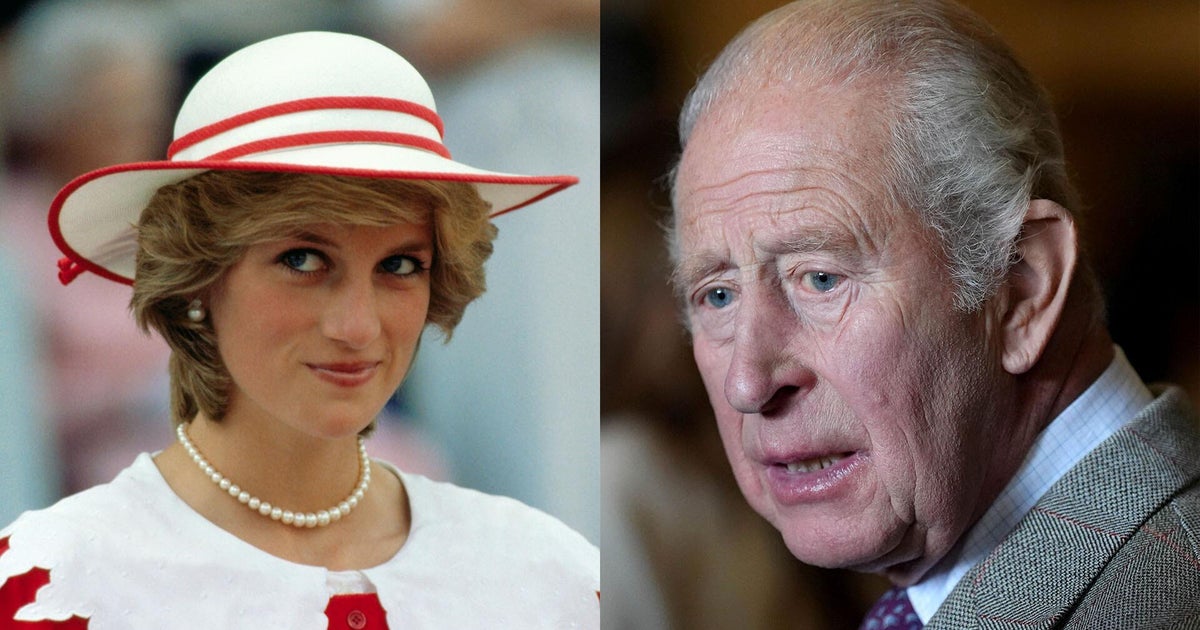
You know a book is controversial when Buckingham Palace issues a pre-emptive, pre-publication statement about it.
asserted
Palace → know → it
Princess Diana‘s younger brother has just released a memoir full of headline-making bombshells about his famous sister, prompting the palace to get ahead of its release.
asserted
brother → release → release
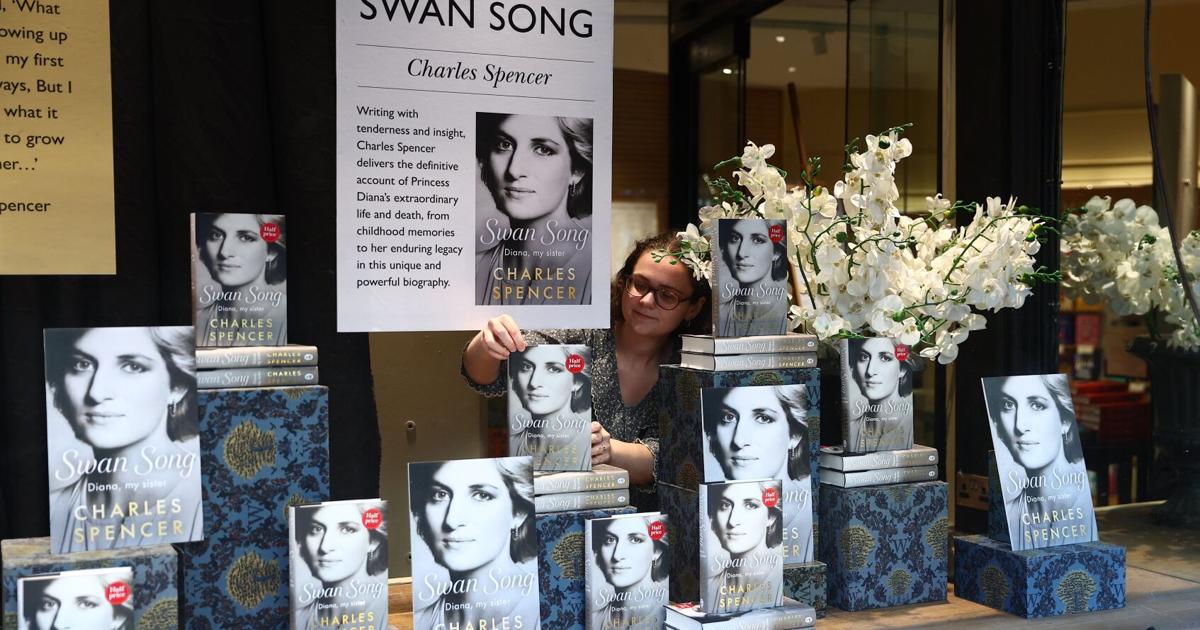
Before it even hit shelves yesterday, Charles Spencer’s “Swan Song,” a memoir about his sister, Diana, former Princess of Wales, stirred a rare reaction from King Charles’s camp — something that didn’t even occur when Prince Harry released his no-dirty-laundry-unaired autobiography, ”Spare,” in 2023.
asserted
Harry → hit → 2023
“While we do not comment on books as a matter of principle,” the palace said in a statement, “His Majesty is mindful that the pain of fraternal grief can cloud reason, affect judgment and colour memory in ways others do not recognize, even many years after such a loss.”
asserted
others → comment → loss
The statement was released in response to claims made in excerpts published in the Daily Mail last week, in which Spencer says that then Prince Charles sounded “giddily elated — like a lottery winner” in a phone call immediately after Diana died in a car crash in Paris on Aug. 31, 1997.
uncertain
Diana → release → Aug.
“Looking back now, I suspect the prince’s first reaction must have been to think more of how this event might free him to marry the woman he loved, rather than appreciating the loss of one he did not,” Spencer writes.
uncertain
Spencer → look → one
“It can be hard to feel too much sympathy for an ex-spouse, or those who care for them profoundly, after bitter divorce.”
asserted
who → feel → divorce
The excerpts also included one of the most shocking claims in the book, that during a heated phone conversation before Diana’s funeral, Charles “hissed”: “Rest assured, we’ll forget her soon enough.”
uncertain
we → include → her
Spencer says he saw it as his ex-brother-in-law’s “pent up contempt” for Diana finally coming out, and “his horror that the world was so bowled over by her death.”
asserted
world → say → death
Spencer — who told the BBC that this book really is his “last word” on his famous sister — addressed the palace’s statement in an interview with Good Morning America on Monday, saying he felt “gaslit” by the King while noting “it doesn’t say that he didn’t say it either.”
asserted
he → tell → it
In an interview with People, Spencer — after claiming that he didn’t want it to sound “loaded” — said that if he had wanted to write a “scandalous” book about the King, he has enough material to make it a “jaw dropper,” but he’s chosen not to.
asserted
he → claim → material
Now that it’s out, here are seven more explosive claims in Charles Spencer’s “Swan Song.”
uncertain
claims → ’ → Song
He paints an unflattering portrait of King Charles
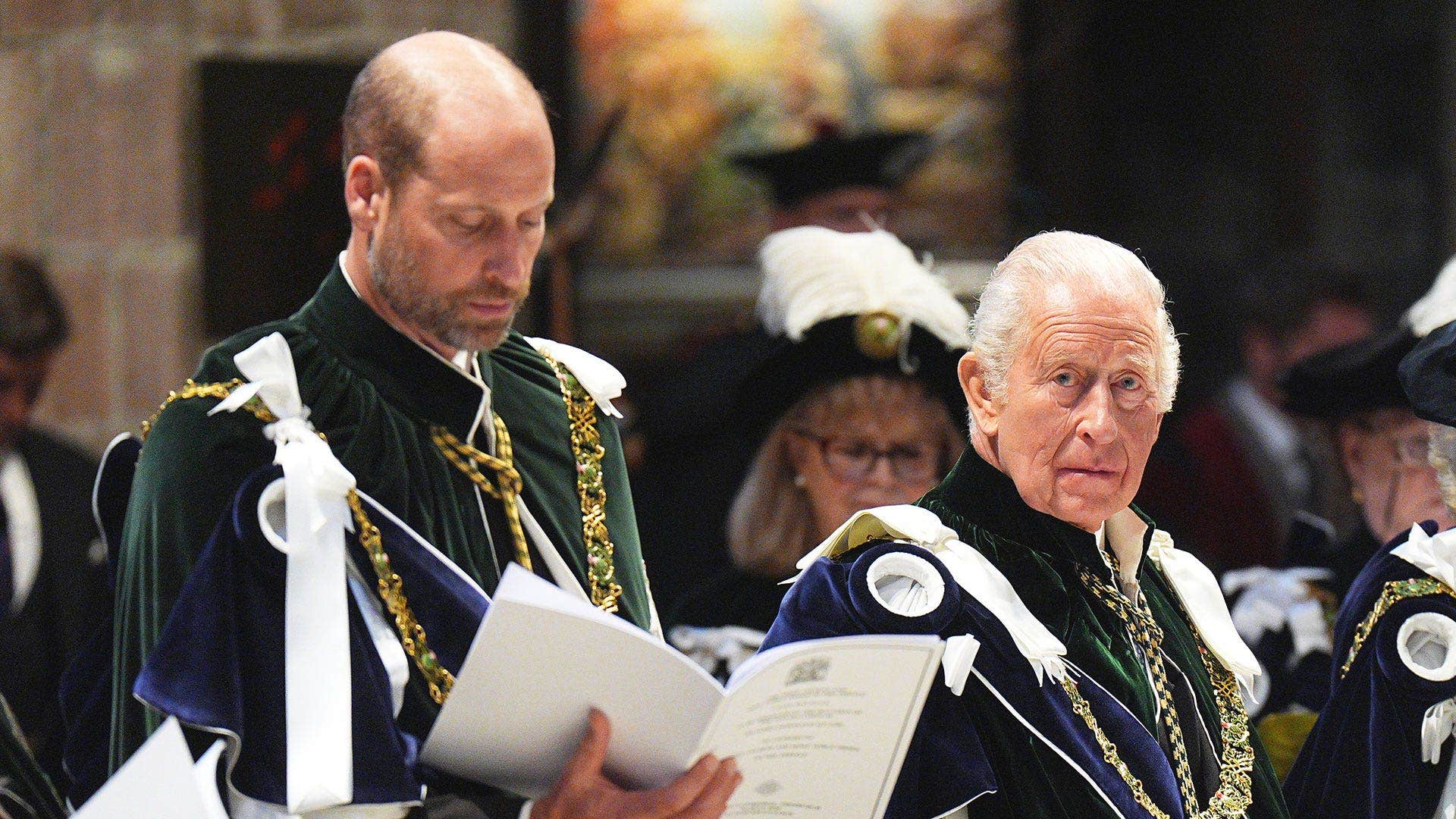
Along with contempt for the media, whom he firmly believes killed his sister through its relentless, unprincipled pursuit of her, Spencer expresses vitriol for King Charles and paints him as a petty, resentful man.
asserted
Spencer → paint → man
A selection of the disparaging details he shares: unsubstantiated claims that, around the time of Diana’s death, then Prince Charles wanted his mother to abdicate; a memory of Charles saying, “You’re just so lucky to have inherited so young” after Spencer’s father’s death five years earlier; the queen telling him once that Charles “always resents things.”
uncertain
Charles → share → things
He recalls Charles’s lack of generosity when Diana tried to give him some random household objects — hangers and tin cups — for his student digs, but the future king intervened because they were his.
asserted
they → recall → digs
Diana truly loved Charles — but he did not return the feeling
asserted
he → love → feeling
Spencer emphasizes that his sister truly fell in love with Charles “the person,” and was smitten from the first, mixed with a tenderness for his lonely childhood.
asserted
sister → emphasize → childhood
“I felt reassured that my sister’s love for the heir to the throne was not only true, but almost palpable.”
asserted
love → feel → throne
At the same time, he notes that Charles and Diana’s first public outing as a couple was watching the Prince race a horse, the future Princess cheering him on alongside Camilla Parker-Bowles.
asserted
Princess → note → Bowles
There were also early signs of trouble: Spencer claims that Diana tried to pull out of the wedding, writing that she told their father she “could not go through with marriage to a man who did not love her” after Charles ignored her all night at a party.
uncertain
Charles → be → party
Her father was “appalled,” and said she could not back out because it would be “deeply embarrassing” to the royals.
uncertain
it → say → royals
On her wedding day, Spencer says he learned later, she had
asserted
she → say → day
a “wistful sadness” because the evening before Charles had said “he was very happy to marry her, but was not actually in love with her
asserted
he → say → her
He says that there was serious discussion of a “separation” quite early on, and that later she took her brother to lunch and said she wanted a divorce, claiming “my husband is in love with his valet.”
asserted
husband → say → valet
Spencer calls this “improbable,” noting it was more significant as a mark of “the end of her dreams.”
asserted
it → call → dreams
Diana would not have wanted Princes William and Harry to walk in her funeral procession
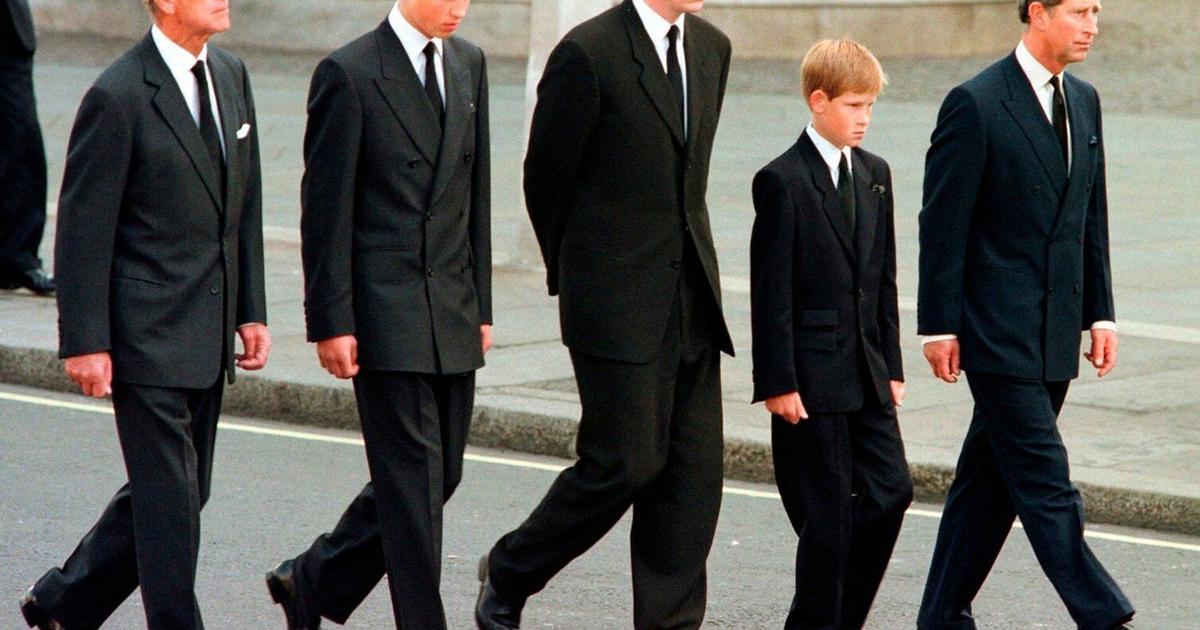
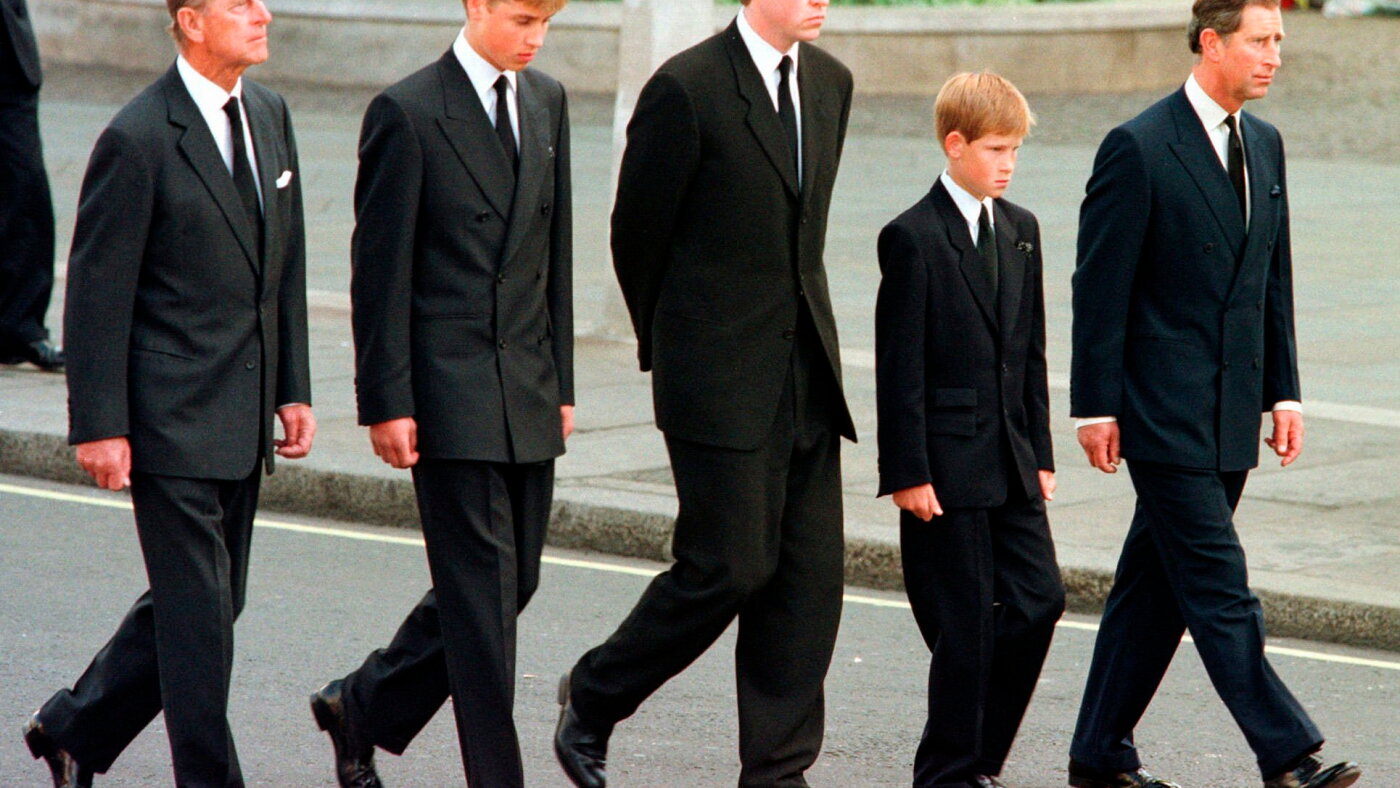
One of the most striking images from Diana’s funeral was the sight of her two sons walking behind her coffin through the streets of London.
asserted
sons → want → London
Spencer says that he fought this choice, claiming his sister would never have wanted this “public ordeal.”
asserted
sister → say → ordeal
When Charles phoned him about his objections, Spencer claims he was “testy” and launched into a long rant about how Diana’s kin had “no sense of duty,” claiming he’d had to do it himself at his uncle’s funeral.
uncertain
he → phone → funeral
(At 30, Spencer pointed out.)
asserted
Spencer → point → 30
Another damning detail: According to Spencer, Charles insisted on walking in Diana’s funeral procession, but fearing the public would hurl abuse at him, the palace wanted the boys there as a shield.
uncertain
palace → accord → shield
He refutes claims of Diana’s unhappy childhood
Spencer notes that any “snippets” of biographies about Diana that he’s come across have been “notable for their inaccuracy,” and one of his motivations for writing this now is to correct the “invention and lazy half-truth” out there.
uncertain
one → refute → invention
One area he starts with is their childhood, claiming that any stories — presumably even Diana’s own accounts of the pain of her parents’ divorce and everything that followed — that claim she was an unhappy child are false.
uncertain
she → start → divorce
In fact, Spencer says she was “the secure recipient of strong parental love, mainly in a warm and loving parental home.”
asserted
she → say → home
Certainly, a large portion of the book is dedicated to their shared childhood, and Spencer fills it with mostly fond memories about growing up together, navigating their parent’s separation as the two youngest shuttled between homes.
asserted
youngest → dedicate → homes
A scene that stands out from this period: Diana sitting on the front step of their family home, waiting for her mother’s return that never came.
asserted
that → stand → return
Queen Elizabeth and Diana’s father had a budding romance
Spencer spills a long-held family secret — albeit not about people you may have been suspecting.
uncertain
you → have → people
The late queen and his father apparently had a romance that was cut off by Lord Mountbatten, who wanted his nephew Prince Philip in that role instead.
asserted
nephew → have → role
Their father, Johnnie Spencer, required “significant counselling” after this forced split, although Spencer does note the irony that had this relationship blossomed, neither King Charles nor Diana would have existed.
asserted
Charles → require → irony
His sister was “full of self-doubt,” possibly neurodivergent
Spencer posits that Diana had “key symptoms associated with ADHD,” notably a short attention span.
uncertain
Diana → posit → ADHD
He says her undiagnosed, unsupported “learning difficulties” made school the “most difficult times” of her childhood; Spencer vividly recalls the “screech of pain” when she learned that she had failed a key set of exams in high school.
asserted
she → say → school
…and 10 more, not listed.
 The Aporia