Washington Examiner
· collected 2026-08-28 · by Washington Examiner Staff
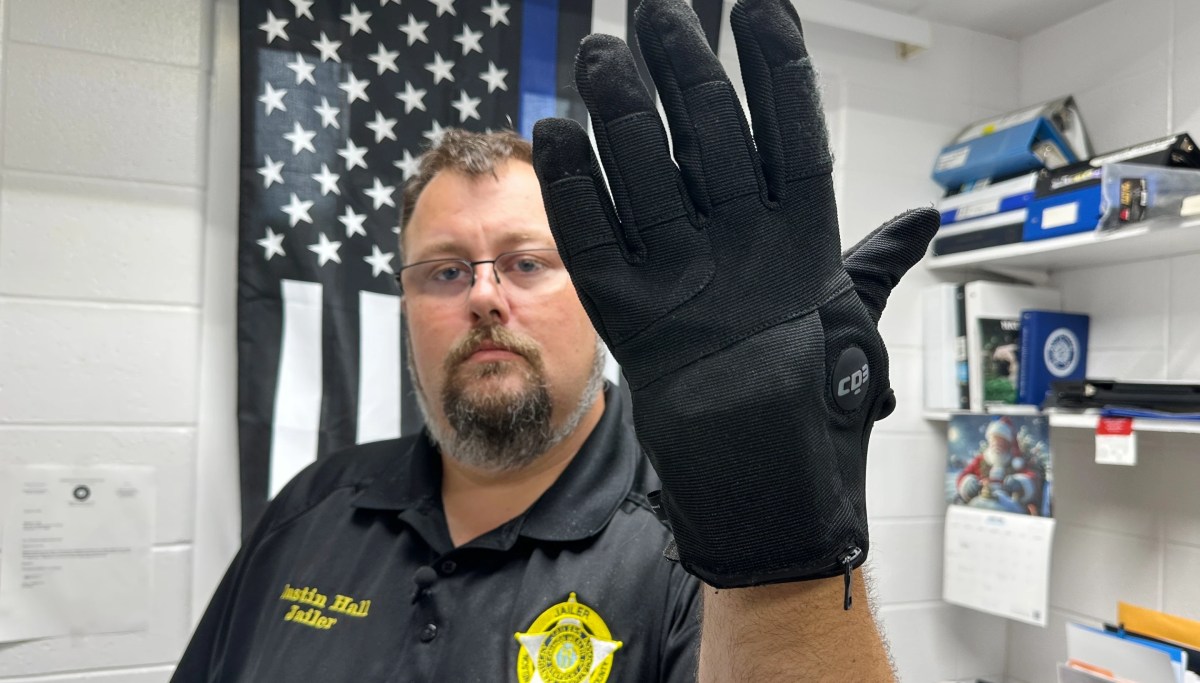
U.S. Immigration and Customs Enforcement has granted a $16.7 million contract to Compliant Technologies to purchase 6,000 electric shock gloves for use as a de-escalation tool in high-tension situations. The devices will be distributed to Enforcement and Removal Operations officers and Homeland Security Investigations agents, who have begun receiving training on their use since August. According to ICE documents, the gloves are intended for use in civil disturbances outside detention centers, arrests with physical confrontations, and transporting detainees. Democratic politicians have expressed objections to the DHS's use of G.L.O.V.E. weapons.
Written by the local model on 2026-08-28,
using this article's own text rather than the other coverage of the
same event (that is the story summary below).
Story summary
U.S. Immigration and Customs Enforcement (ICE) has awarded a $16.7 million contract to Compliant Technologies, a Kentucky-based manufacturer, to purchase 6,000 electric shock gloves that can be used as a de-escalation tool in high-tension environments. The G.L.O.V.E. (Generated Low Output Voltage Emitter) gloves are designed to look like traditional patrol gloves but have an "electrical mode" that can transmit an electric shock when activated and make contact with another person's skin. This is intended as a low-impact alternative to lethal force for controlling detainees who violently resist apprehension or arrest. The gloves will be distributed to ICE Enforcement and Removal Operations officers and Homeland Security Investigations agents, who may use them in situations such as civil disturbances outside detention centers, arrests where physical confrontations occur, and the transportation of detainees.
Written for “ICE De-Escalation Tactics” on 2026-08-31,
grounded in this article and the 0 other(s) covering the same event.
Why this leaning score
The article's own words the score was based on. Each is quoted
verbatim and was checked against the article text before being
stored, so you can find it in the original.
Leaning score +0.15 for article 2932 (high confidence, 1 verified quote) · logged 2026-08-28
U.S. Immigration and Customs Enforcement granted a $16.7 million contract to Kentucky-based manufacturer Compliant Technologies to purchase 6,000 electric shock gloves over the next six months.
asserted
Enforcement → grant → months
The Department of Homeland Security said the devices would be distributed to Enforcement and Removal Operations officers and Homeland Security Investigations agents.
asserted
devices → say → officers
The electric shock gloves would act as a de-escalation tool.
asserted
gloves → act → tool
They would be utilized in an effort to help officers and agents with controlling detainees who violently resist apprehension and arrests, without using lethal weapons.
asserted
who → utilize → weapons
The Generated Low Output Voltage Emitter, or G.L.O.V.E., is designed to act as a traditional patrol glove for agents and officers.
asserted
Emitter → generate → agents
However, if one encounters an unruly person who threatens violence or resists, the person using the gloves could activate an “electrical mode” that, once the gloves make direct contact with another person’s skin, transmits an electric shock to help ensure compliance, according to CBS News.
uncertain
gloves → encounter → News
It is to be used as a “low-impact alternative de-escalation tool.”
asserted
It → use → tool
The gloves have reportedly been used in various prisons and police departments across the country.
uncertain
gloves → use → country
Information obtained from ICE documents indicated that, once in use by ICE and HSI employees, the G.L.O.V.E. products would be used in “high-tension environments,” specifically citing civil disturbances outside detention centers, arrests where physical confrontations occur, and the transportation of detainees.
asserted
confrontations → obtain → detainees
“It will be used when a subject is actively or passively resisting, and an officer needs to gain control quickly to prevent injuries to both parties,” read an official document about G.L.O.V.E.
Democratic politicians have expressed objections to DHS’s use of G.L.O.V.E. weapons, according to a report from NewsNation.
uncertain
politicians → use → NewsNation
However, a DHS spokesperson said that agents and officers within the agency began receiving training at the beginning of August.
asserted
agents → say → August
DHS also sought to quell fears and objections using the G.L.O.V.E. tool.
asserted
DHS → seek → tool
“Every decision is made with careful consideration and appropriately reviewed to ensure that any technology ICE utilizes is consistent with all applicable law enforcement policies and standards, said a DHS spokesperson.
asserted
spokesperson → make → policies