Toronto Star
· collected 2026-09-23 · by Ted Anthony The Associated Press
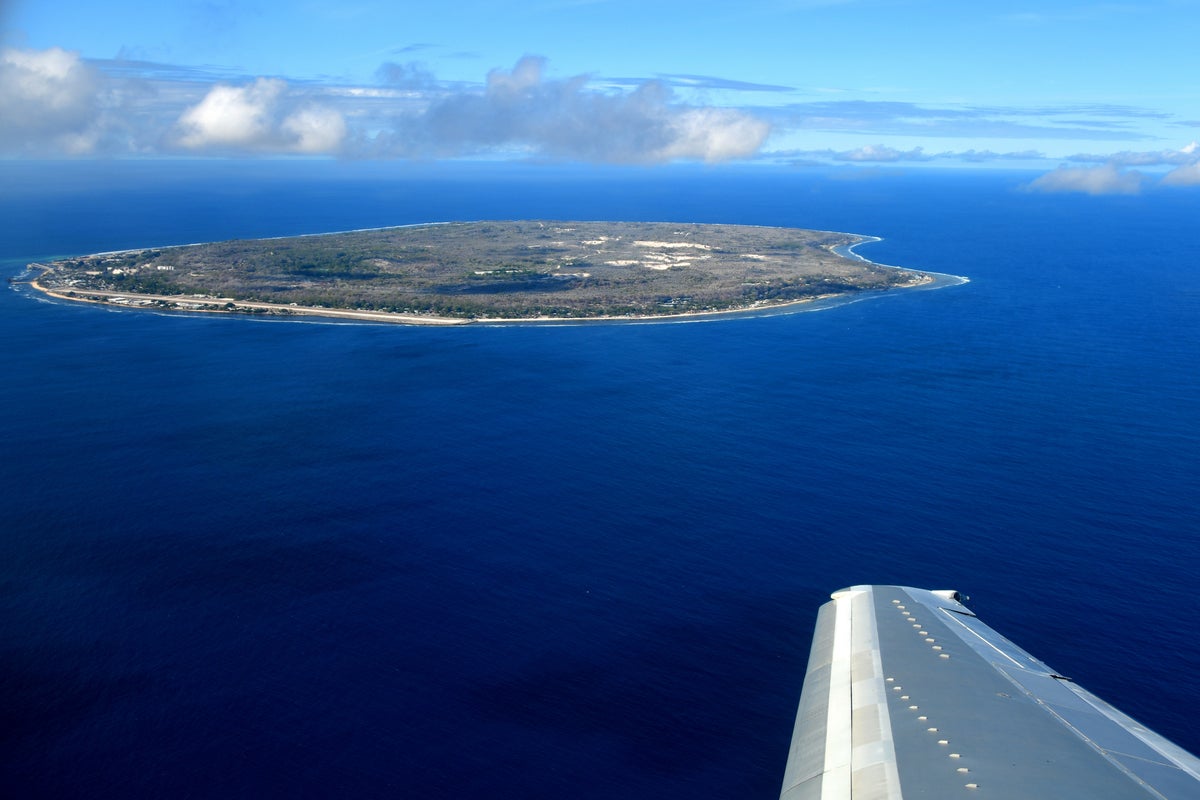
At the United Nations General Assembly in New York, Nauru’s President David Adeang announced that his country is officially changing its name to “Naoero.” The change reflects an effort to reclaim and affirm the nation’s original identity, which had been influenced by colonial rule. The island nation, with a population of about 12,000 people, became independent in 1968 after decades under various colonial powers, and it announced this name change in August following earlier signals in February. The new spelling and pronunciation emphasize the country’s heritage and cultural pride.
Written locally by qwen2.5:14b on 2026-09-23,
using this article's own text rather than the other coverage of the
same event (that is the story summary below).
Story summary
At the 81st session of the United Nations General Assembly in New York, President David Adeang announced that the South Pacific island nation of Nauru was officially renaming itself Naoero. This move aims to reclaim and affirm its heritage, shifting from a name adopted due to pronunciation difficulties by non-natives. The change, which includes altering the country’s international code from NRU to NRO, emphasizes cultural identity rather than being seen as a mere rebranding effort. The president highlighted that this decision is about remembering who they “have always been” and underscores efforts to preserve indigenous traditions for future generations of Nauruans, now referred to as dei-Naoero.
Written for “Naoero Name Change Debut” on 2026-10-05,
grounded in this article and the 2 other(s) covering the same event.
His voice forceful and proud, he rose in front of the world’s largest gathering of leaders on behalf of his nation and announced that he had something important to say.
asserted
he → rise → something
The tiny South Pacific island nation of Nauru, its president said, had altered its name — and reclaimed its heritage in the process.
asserted
president → say → process
“I have traveled far,” David Adeang said Tuesday at the United Nations.
asserted
Adeang → travel → Nations
What was known to the world for many years as Nauru, Adeang said, was returning to the name and pronunciation of its past: Naoero.
asserted
Adeang → know → past
“There are moments in the life of a nation when its people are called to remember who they have always been,” Adeang said in his speech at the U.N. General Assembly in New York.
asserted
Adeang → be → York
Though the names are similar and, in essence, the same word, the shift in spelling and pronunciation represents the nation’s effort to recast — rebrand, even — itself for its own people as much as for the outside world.
asserted
shift → represent → world
He called it not a change but an effort to “affirm a truth.”
asserted
He → call → truth
“For many years, the world has known our country as Nauru.
asserted
world → know → Nauru
Nauru is how our name sounded to those who found it hard to say, and the world kept it,” Adeang said.
asserted
Adeang → sound → it
“But it is not the name our people used among themselves.”
asserted
people → use → themselves
The nation, an eight-square-mile island with about 12,000 people, became independent in 1968 after longtime colonial rule under the United Kingdom, New Zealand, Australia and Germany.
asserted
nation → become → Kingdom
It announced the renaming in August after signaling its intent in February.
asserted
It → announce → February
The country’s international code is changing from NRU to NRO and its people will be known as dei-Naoero instead of Nauruan.
asserted
people → change → Naoero
Commonly known abroad by the pronunciation of Now-roo, the new name is spoken as Now-ero.
asserted
name → know → ero
Across the past century, other nations have renamed themselves or tweaked their names for various reasons, from modernization to rejection of colonialism.
asserted
nations → rename → colonialism
The African nation of Eswatini changed its name from Swaziland in 2018.
asserted
nation → change → 2018
In Africa, Dahomey became Benin after a 1975 coup and Rhodesia became Zimbabwe in 1980 after shedding colonial rule.
asserted
Rhodesia → become → rule
Siam became Thailand in 1939 to foster ethnic unity and shed a foreign label.
asserted
Siam → become → label
Turkey, meanwhile, has been officially named Turkiye since 1920 but requested in 2022 that the United Nations use the spelling and pronunciation as its name in English as well — in part to avoid confusion by underscoring that the bird wasn’t the word.
asserted
bird → name → confusion
The list goes on.
asserted
list → go → ?
Persia became Iran.
asserted
Persia → become → ?
Burma became Myanmar.
asserted
Burma → become → ?
Adeang’s remarks Tuesday reflected this as he carefully pronounced the name to differentiate it from its former pronunciation.
asserted
he → reflect → pronunciation
“We do not make this choice to erase our past.
asserted
We → make → past
We make it because we honor it,” he said.
asserted
he → make → it
“That name carries the memory of our ancestors, our language, and our identity.
asserted
name → carry → ancestors
Today, we restore Naoero.”
asserted
we → restore → Naoero
And then, after completing his address about the issues that face his people — rising seas, economics, respect on the global stage — he concluded his address with three words:
“Say our name.”
asserted
he → complete → name
___
Ted Anthony has written about international affairs for The Associated Press since 1995.
asserted
Anthony → write → 1995
 The Aporia