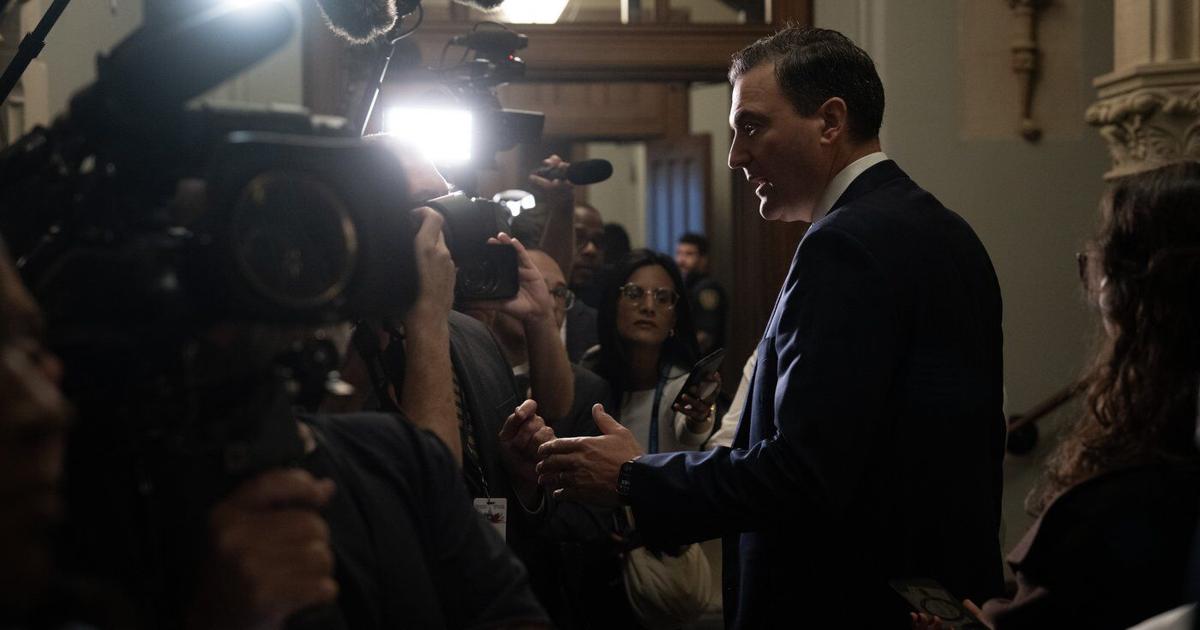
Andy Burnham, during a speech at the United Nations General Assembly, called for the UK to lead international efforts to develop rules governing artificial intelligence (AI) to prevent potential risks. He proposed a set of global principles and standards to ensure AI safety and transparency, positioning it against President Donald Trump’s stance that the U.S. will not restrict its advancement in AI technology. Burnham aims to use the UK’s G20 presidency to push for international agreement on AI regulation, emphasizing the importance of elected governments taking charge of such critical decisions rather than leaving them to chance or individual companies.
Written locally by qwen2.5:14b on 2026-09-23,
using this article's own text rather than the other coverage of the
same event (that is the story summary below).
Story summary
Andy Burnham, the newly appointed British Prime Minister, addressed the United Nations General Assembly in New York City, where he emphasized that Britain is not "on the slide." Despite acknowledging long-term issues affecting living standards and the current cost-of-living crisis as major challenges, Burnham presented an optimistic outlook for the country's future. He highlighted Britain’s rapid economic growth, making it one of the fastest-growing economies in the G7.
Burnham also discussed his plans to establish a national center dedicated to countering disinformation campaigns, particularly those from Russia, which he accused of spending around £1.3 billion annually on manipulating information and spreading lies through various means including bots and fake websites. He proposed that Britain take up a leading role in setting global safety standards for artificial intelligence (AI), arguing that it is critical to prevent rogue AI development.
At the U.N., Burnham also announced plans to cooperate with the United States on an AI defense partnership, integrating British military’s Rapid AI Delivery Taskforce and the U.S. Department of War’s Chief Digital and Artificial Intelligence Office. This initiative aims to protect infrastructure, detect threats, and enhance governance through advanced technology, positioning Britain as a key player in global tech regulation efforts.
Written for “Andy Burnham UN Speeches” on 2026-10-05,
grounded in this article and the 16 other(s) covering the same event.
Andy Burnham said he wants the UK to lead the world in developing a set of rules to prevent the spread of rogue artificial intelligence (AI), putting him on a collision course with US President Donald Trump.
But his speech at the United Nations General Assembly came just hours after Mr Trump told the same event that he would resist attempts to rein in what he called “super intelligence”.
asserted
he → say → what
US and Chinese companies are leading the development of AI, with the White House wary of any measure which could see American firms lose ground to their Asian rivals.
uncertain
firms → lead → rivals
Mr Burnham said the UK would use its presidency of the G20 group of advanced economies to push for international agreement on the issue, arguing it was uniquely placed to do so.
asserted
it → say → issue
We have deep ties with our friends in the EU and will deepen them further.
asserted
We → have → them
“We work with China and emerging powers like India and Brazil.
asserted
We → work → India
We sit on the Security Council.
asserted
We → sit → Council
In a divided world, we have the ability to bring people together – and we will.
asserted
we → have → people
“We are going to step into that role.
asserted
We → go → role
And we are going to start with one of the most significant challenges and opportunities of our age – frontier AI.”
asserted
we → go → age
Mr Burnham said AI had immense potential in healthcare, economic growth, transforming education and in defence.
asserted
AI → say → defence
But he acknowledged AI would be a source of disruption to jobs and said warnings from industry insiders about the technology’s potential to pose an existential risk to humanity must be heeded.
“I know how worried people are.
asserted
people → acknowledge → humanity
So we have to rise to this moment,” he said.
asserted
he → have → moment
“Fundamental decisions on this technology are too important to be left to chance.
asserted
decisions → leave → chance
They must be taken by elected governments who serve working people.”
asserted
who → take → people
Mr Burnham said the UK would work towards agreeing “a single set of global principles and standards to ensure the transparency and access we need to increase our preparedness – and to ensure that AI development is safe”.
asserted
development → say → preparedness
The Prime Minister has been criticised for not signing up to an initiative aimed at drawing up global rules led by countries including Norway and Finland.
asserted
Minister → criticise → Norway
But he said the UK’s G20 plan would “bring together welcome initiatives from others – like that proposed by Norway this week”.
asserted
plan → say → Norway
UK officials have made clear to AI firms that the country expects full visibility over new models and developers have been threatened with the use of legislation to ensure transparency.
asserted
developers → make → transparency
Mr Trump, who has previously dismissed concerns about AI safety as a “hoax”, told the UN: “The United States totally rejects any attempt to construct a globalist scheme of control for the artificial intelligence being spoken of so much now – hereinafter officially called super intelligence.”
asserted
States → dismiss → intelligence
Mr Trump added: “We will only encourage super intelligence.
“We’re going to encourage it, not rein it in.
asserted
We → add → it
We’re going to watch it closely through the Department of Justice.
asserted
We → go → Justice
“The United States leads the world in super intelligence, and we’ll continue to do so safely and responsibly.
asserted
we → lead → intelligence
Meanwhile, Mr Burnham was criticised for not signing the UK up to the Norwegian and Finnish-led initiative while at the UN.
asserted
Burnham → criticise → UN
The proposal has the support of more than 20 countries – including Germany, Canada and Ireland.
asserted
proposal → have → Germany
Former Cabinet minister Darren Jones said the countries were the UK’s “natural allies” and Mr Burnham should have joined them.
asserted
Burnham → say → them
Mr Jones, the former chief secretary to previous prime minister Sir Keir Starmer, said: “The UK has special access to American AI models through the AI Security Institute, which is partly why the UK Government will want to remain in lock step with the United States.
asserted
Government → say → States
“But I don’t see any reason why the UK can’t sign up to the Finnish proposal.
asserted
UK → see → proposal
I encourage our Government to do so and to offer to broker agreement on its application with the United States.”
asserted
I → encourage → States
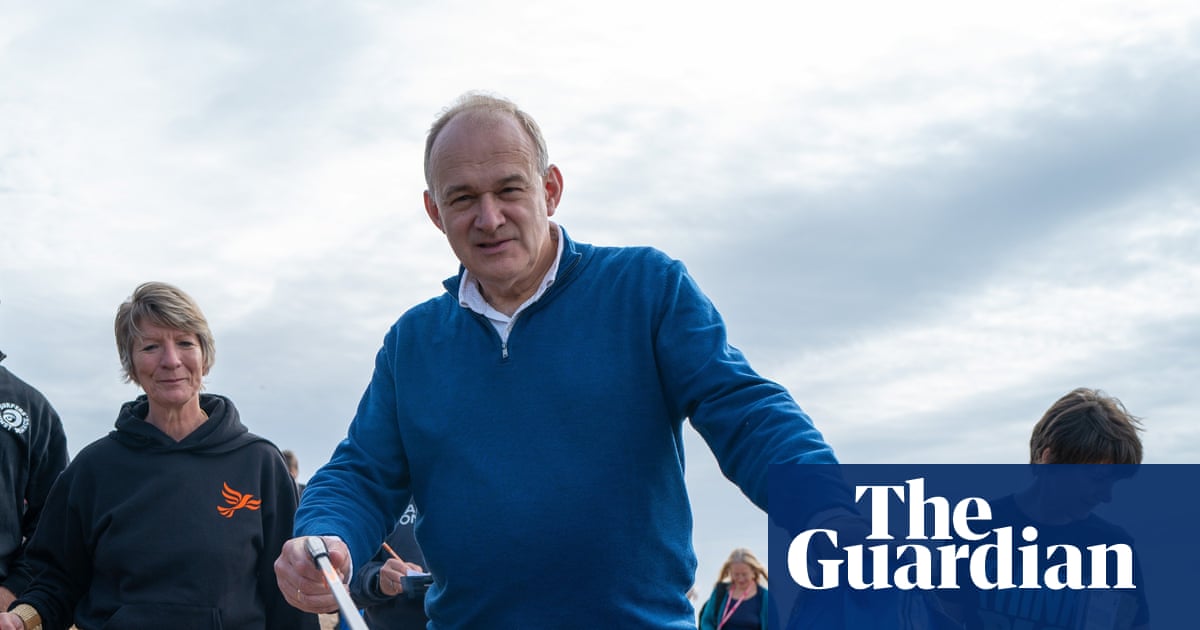
Liberal Democrat leader Sir Ed Davey used his speech at his party’s conference to call for a global treaty to press pause on super-intelligent AI, as well as a new international AI safety agency.
asserted
Davey → use → AI
Meanwhile, tech giants Meta, Google, OpenAI and Anthropic have been called to give evidence to MPs as they examine questions including whether firms should be legally required to submit their AI models to independent safety testing before deploying them.
asserted
firms → call → them
The House of Commons Business, Innovation, Science and Trade Committee has invited representatives from the companies to give evidence at an urgent hearing on October 13, as it concludes its inquiry into the UK’s economic strategy for AI.
asserted
it → invite → AI
The panel will also consider topics such as whether companies accept mandatory reporting of serious safety incidents, including deceptive behaviour by AIs, and evidence of loss of human control.
asserted
companies → consider → control
The companies have been asked to confirm by September 29 whether they will send representatives to the hearing and to provide written responses to the committee’s questions in advance.
asserted
they → ask → advance
 The Aporia