Inside the Warehouse Where Amazon Scans and Destroys Books for AI Training

404 Media · collected 2026-08-27 · by Emanuel Maiberg
Read the original at 404 Media ↗

Summary

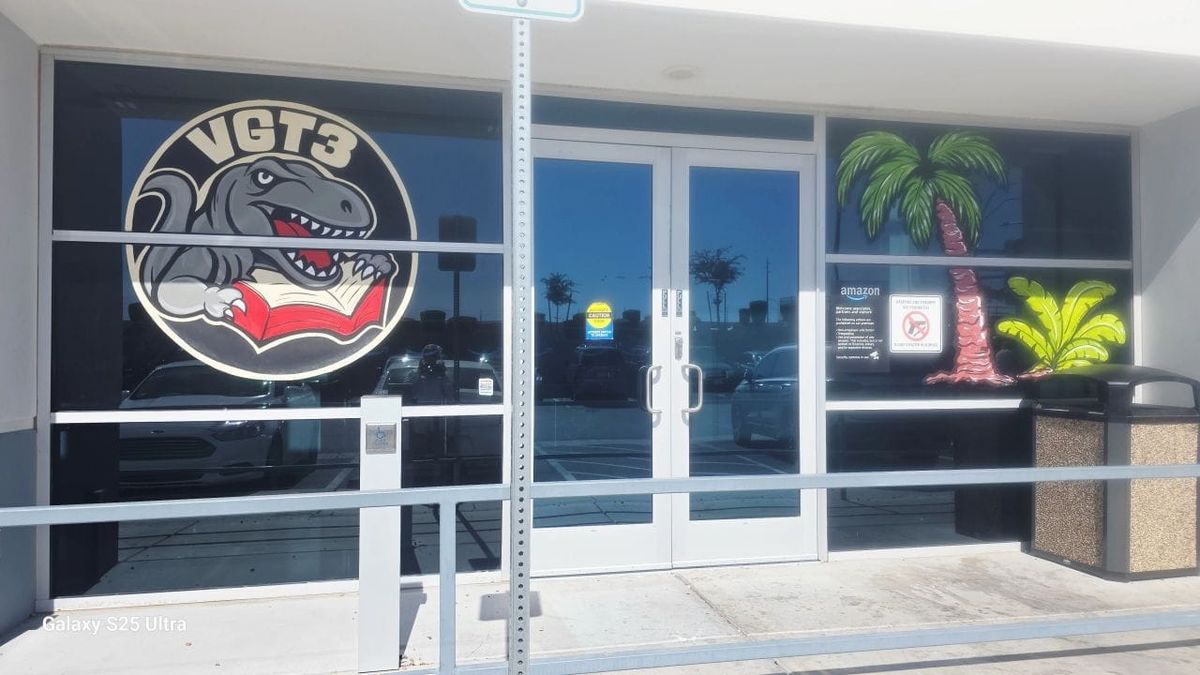
An anonymous Amazon employee working at VGT3 warehouse in Las Vegas, Nevada describes how their workplace scans and destroys thousands of books for AI training data. The employee, who is not authorized to speak to the press, recalls seeing scanners, workers cutting book spines off, and loose pages being thrown into large cardboard boxes called shuttles. According to the employee, shipments of various types of books, including new and used titles from publishers around the world, including London's University of London, have been received at VGT3 for destruction and scanning. The exact purpose and destination of these scanned data are not specified in this interview.
Written by the local model on 2026-08-27, using this article's own text rather than the other coverage of the same event (that is the story summary below).

Signals How these are calculated →

Claims extracted
69
claim-shaped sentences
Uncertain
7%
5 of 69 hedged
Leaning
Leans left
of the writing, not the subject
Publisher trust
94.8
red-flag proxy, not a credibility rating
Outlets on this story
1
Environment
Narrative spread
1
articles carrying this framing
Analyzed 2026-08-27 · how these are computed

AI analysis (generated at analysis time, not now)

Story summary

An Amazon employee working at VGT3 warehouse in Las Vegas, Nevada, which is located in the same facility as LAS8 print-on-demand business, described their job of receiving shipments of books and scanning them for AI training data. The employee revealed that they would often throw away thousands of duplicate or unwanted books, with no knowledge of what happened to them after that. The VGT3 warehouse was previously identified by 404 Media as a site where Amazon destroys books for AI training data, after tracking a shipment of rare books sent there from across the country. The employee described the work of cutting off book spines and scanning loose pages, which is part of the process to create digital copies for AI training.

Written for “Amazon Book Destruction” on 2026-08-31, grounded in this article and the 0 other(s) covering the same event.
Why this leaning score
The article's own words the score was based on. Each is quoted verbatim and was checked against the article text before being stored, so you can find it in the original.
Score -0.35 Confidence medium
Leaning score -0.35 for article 2803 (medium confidence, 3 verified quotes) · logged 2026-08-27

Story

📰 Amazon Book Destruction
Environment · 1 article(s) covering the same event. This is the one the site leads with.

How this is being covered How these are calculated →

Article leaning vs. publisher reliability
Source leaning vs. consistency

Compared with similar articles

This article reads leans left and hedges 7% of its claims. Each row says how that neighbour differs.
Platformer
⚖️ leaning not scored 🔴 8% hedged 13 of 166 📰 publisher trust 96
“Article A reports on an Amazon warehouse scanning and destroying books for AI training data, while Article B discusses a podcast miniseries about AI's impact on jobs, with no mention of the specific event described in Article A”

Publisher

404 Media · 26 article(s) · 0 correction(s) detected
SignalValueWeight
Correction rate 0.000 0.4
Uncertainty density 0.104 0.25
Assertive mismatch rate 0.000 0.35
No corrections detected for this publisher. That may mean careful reporting, or simply that nothing has been checked.

Who wrote this

Emanuel Maiberg
3 article(s) here · 1 carrying a prediction
🔮 The paper, titled “The Ghost Couple: Correlated LLM Name Priors and Their Haunting of the Web and Academic Publishing,” utilized a known phenomenon where certain LLMs will keep coming up with the same names in certain contexts.
2026-08-28 · assertive framing · The AI ‘Ghosts’ Contaminating Academic Publishing
🔮 Where I worked, primarily they would bring us boxes of books, or sometimes there's shuttles of books. What kind of books? All kinds of books.
🔮 But for the past few months I’ve been looking at a new and strange type of AI generated nonconsensual image on X that I think will fool a lot of people.
Also by Emanuel Maiberg
Nothing else under this byline is closely related to this article, so these are simply their most recent.

Topics

404 Media Amazon Las Vegas Nevada VGT3

Subjects

Amazon ORG · 8× Japanese NORP · 2× VGT3 ORG · 2× 404 Media ORG · 1× Anonymous PERSON · 1× Las Vegas GPE · 1× London GPE · 1× Nevada GPE · 1× Parliament ORG · 1× the University of London ORG · 1×

Narrative

Something else they had us do was—we call it the trash but we don't we don't know exactly what they do with them—but one day we were taking all the duplicates and all the ones they said, “oh, we don't need these,” and we were throwing those in different shuttles.
framing: assertive · carried by 1 article(s) · first seen 2026-08-27
🔮 Where I worked, primarily they would bring us boxes of books, or sometimes there's shuttles of books. What kind of books? All kinds of books.

Claims (69 extracted, 5 hedged)

Last week we published a story that revealed an Amazon warehouse where the company scans and destroys thousands of books for AI training data. asserted
company → publish → data
The following is an interview with one of the Amazon employees at this warehouse. asserted
following → follow → warehouse
We granted this employee anonymity because they were not authorized to speak to the press. asserted
they → grant → press
The employee worked at Amazon’s VGT3 warehouse, which is housed in the same facility as LAS8, where Amazon operates its print-on-demand business. asserted
Amazon → work → business
We discovered that VGT3 was used to destructively scan books for AI training data by placing a tracking device in a shipment of rare books that a bookseller suspected was being acquired by an anonymous AI company. asserted
bookseller → discover → company
We saw the shipment travel across the country before finally landing at VGT3. asserted
shipment → see → VGT3
Online, Amazon employees who worked at VGT3 described the work of receiving shipments of books, cutting the spines off of them, and scanning the loose pages. asserted
who → work → pages
The Amazon employee I talked to described what that operation looks like from the warehouse floor. asserted
operation → talk → floor
This interview has been edited for clarity and length. asserted
interview → edit → clarity
What do you do when you get to work at VGT3? asserted
you → do → VGT3
We have to walk past everything to get to the back of the warehouse. asserted
We → have → warehouse
That's where I first saw all the scanners, and I was really wondering what was going on. asserted
what → see → scanners
I remember I even asked someone what they were doing and they said they’re not sure even the people who work there know what they’re doing. asserted
they → remember → what
Of course, once I got over there and started putting two and two together, I kind of understood. asserted
I → get → two
And you know, I think people who work there probably know what was going on over there, but probably just didn't want to talk about it. asserted
what → know → it
We also saw them cutting the spines off the books and everything. asserted
them → see → books
And after they scan it, they throw all the loose leaf papers into a big shuttle. asserted
they → scan → shuttle
[Editor’s note: Shuttles is how Amazon refers to gaylords, which are big open cardboard boxes that are often used to store books in bulk. asserted
that → refer → bulk
] So they're all mixed together. asserted
they → mix → ?
Where I worked, primarily they would bring us boxes of books, or sometimes there's shuttles of books. What kind of books? All kinds of books. asserted
they → work → books
When we first started a lot of them were brand new. asserted
lot → start → them
Some of them are used as well. asserted
Some → use → them
Like you could tell, they were liquidated from a library or something like that. uncertain
they → tell → that
We were even getting boxes of stuff from London. asserted
We → get → London
There was even like, I don't know what you would call them, but it was like kind of stapled together papers that said that they were presented to Parliament on the behalf of Her Royal Majesty the Queen. asserted
they → be → Majesty
I don't know if they're public. asserted
they → know → ?
Probably they're public, but it was just interesting that we found all that in there. asserted
we → find → that
What did you think the books were for? asserted
books → think → think
That's what we were wondering, and we were kind of like, ‘this is a lot of random information.’ asserted
this → wonder → information
They have literally any kind of book you could think of. uncertain
you → have → book
They have ones in different languages. asserted
They → have → languages
We saw a lot of German and Russian books, and we actually got whole pallets of Japanese books. asserted
we → see → books
Some of these books are brand new and they're like still sealed. asserted
they → seal → books
A lot of the Japanese ones were, but yeah, we do get the stuff from the libraries, and that's the stuff I think is more mixed because they're not all nice in boxes and everything like that. asserted
they → get → that
They're kind of just thrown into the shuttle. asserted
They → throw → shuttle
What was it like working there? asserted
it → work → What
Our job was to unbox the books, and honestly, they seem like a mess over there. asserted
they → unbox → mess
Like they're not really well managed or organized at all. asserted
they → manage → ?
Their process changed every day. asserted
process → change → ?
But we were pretty much putting them in a tote [a small plastic stackable bin] so that they can go be scanned in and sorted, so that they can go over to the people to cut the bindings off. asserted
they → put → bindings
…and 29 more, not listed.

💬 Give feedback
🕘 History 🎫 Support