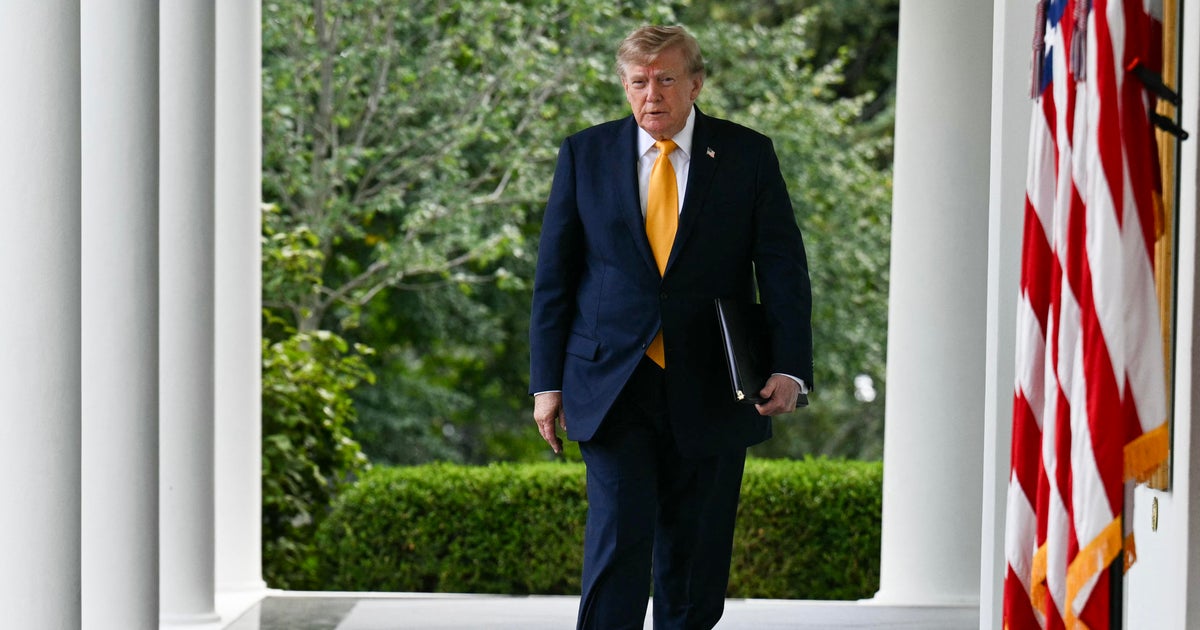
President Trump's investment accounts have continued to purchase and sell stock holdings in oil and natural gas companies while he oversees the U.S. war with Iran, according to his financial disclosure filings through the second quarter of 2026.
uncertain
he → continue → 2026
As the Iran war continued, paused for a ceasefire and then restarted, Mr. Trump has purchased and sold oil and gas stocks worth hundreds of thousands of dollars, according to the most recently available data from the Office of Government Ethics.
uncertain
Trump → continue → Ethics
Mr. Trump has a vast portfolio with holdings in all 11 sectors, and a
showed that in the first three months of the year, his accounts executed about 3,600 stock or securities trades, worth a total that ranged between $212 million and $695 million.
asserted
that → have → million
Democrats on the Joint Economic Committee estimated this week that the president's holdings in oil and gas companies have jumped in value from a range of $13 million to $46 million at the start of this year, to $17 million to $61 million by mid-August.
asserted
holdings → estimate → August
Filers are only required to report ranges of transactions, not specific dollar amounts.
asserted
Filers → require → transactions
The estimates were based on his stock holdings in 2025, and didn't take into account the trades that he's made since then.
asserted
he → base → that
Energy stocks surged during that period, which encompasses the U.S. operation in Venezuela in early January and the war with Iran, which started at the end of February.
asserted
which → surge → February
The White House said Mr. Trump is not involved in his trades.
asserted
Trump → say → trades
The energy stock purchases and sales make up a small portion of the president's overall net worth, which Forbes estimated to be over $6 billion as of Aug. 26.
asserted
Forbes → make → Aug.
Mr. Trump has declined to place his assets in a blind trust.
asserted
Trump → decline → trust
Holding individual stocks, as opposed to index or other mutual funds, means he still holds visible assets in his spheres of influence.
asserted
he → hold → influence
One notable large transaction in CBS News' review of the president's oil trades was on April 7, the day the president declared a ceasefire in the war with Iran.
asserted
president → declare → Iran
His investment accounts sold between $500,000 and $1 million of ExxonMobil stock, according to one financial disclosure report Mr. Trump filed in late June.
uncertain
Trump → sell → June
The company's share price closed at $163.91 on April 7, before Mr. Trump announced the ceasefire that evening, and it opened down 6.5% at $153.52 on April 8.
asserted
it → close → April
During the first half of the year, the president also bought and sold hundreds of thousands of dollars' worth of shares of Chevron, ConocoPhillips and other oil and gas companies.
asserted
president → buy → Chevron
OGE requires government officials to report stock purchases and sales in excess of $1,000 within 45 days of a transaction or within 30 days of learning about it, so the office's records are not always up to date.
asserted
records → require → date
Mr. Trump was late in filing some of his 2026 transactions.
asserted
Trump → file → transactions
The White House says independent managers make the decisions about the president's stock portfolio, and Mr. Trump doesn't weigh in on the timing of selling or buying stock or securities.
asserted
Trump → say → stock
"President Trump's stock and bond portfolio is independently managed by third-party financial institutions," White House spokesman Davis Ingle said.
asserted
Ingle → manage → institutions
Ingle added that all of the president's holdings "are maintained in discretionary accounts and invested through computer-based model portfolios that automatically replicate recognized indexes, such as the Schwab 1000."
asserted
that → add → Schwab
And Ingle said that no one in Mr. Trump's family "has any ability to direct, influence, or provide input regarding how the portfolio is invested or when investments are bought or sold."
asserted
investments → say → input
When CBS News reported on the president's earlier trades in June, some fund managers said they believed the transactions were part of a strategy to lower his tax bill.
asserted
transactions → report → bill
David Salem, a portfolio manager at Hedgeye Asset Management in Cambridge, Massachusetts, said at the time that he thought the trades were "classic tax-loss harvesting activity," a practice in which investment managers sell some securities at a loss so they can offset gains in other places.
asserted
they → say → places
That can all be automated, he said.
asserted
he → automate → ?
"The manager and managers, plural, who are doing this for Trump are probably doing it for tens of thousands of other customers," Salem told CBS News.
asserted
Salem → do → News
"You can't do this kind of direct indexing you see in the filing unless you have pretty sophisticated computers, and legal and tax gurus to figure all this out."
asserted
you → do → this
The war with Iran has led to high profits for publicly traded oil companies, as global oil prices remain elevated.
asserted
prices → lead → companies
Earlier this month, asked about the profits of ExxonMobil and Chevron, the president said, "They're making too much money."
asserted
They → ask → money
Donald Sherman, president of Citizens for Responsibility and Ethics in Washington, or CREW, said the president shouldn't benefit financially from higher oil prices.
asserted
president → say → prices
"President Trump's war of choice in Iran has cost the American people in the form of higher energy and gas prices and higher shipping costs," Sherman told CBS News.
asserted
Sherman → cost → News
"Meanwhile, Trump's brokers have been trading oil and gas stocks for him, making Trump significant profits on the global instability he's inciting.
asserted
he → trade → instability
It doesn't matter whether he's trading the stocks himself—the president has a duty to avoid conflicts of interest between his finances and what's best for the American people."
Presidents, members of Congress and other federal officials are legally allowed to trade individual stocks, though some members of both parties have proposed outlawing the practice.
asserted
members → matter → practice
George W. Bush held his assets in a blind trust during his presidency.
asserted
Bush → hold → presidency
Barack Obama stuck to index and mutual funds and Treasury notes, and Joe Biden didn't own individual stocks.
asserted
Biden → stick → stocks
 The Aporia