Photo via Washington Examiner

It’s time for a fair deal on data centers

Read the original at Washington Examiner ↗
Cite

Carson, B. (2026, September 22). It’s time for a fair deal on data centers. Washington Examiner. https://www.washingtonexaminer.com/restoring-america/fairness-justice/4736189/data-center-fair-deal-community-impact-halt-nondisclosures-help-citizens/

Dated when The Aporia collected the article, usually within hours of publication. Check the original for its exact date and byline.

Washington Examiner · collected 2026-09-22 · by Brad Carson

Quick Summary

Across America, communities are facing backlash against secretive agreements for data center developments that often bypass public input and increase local electricity costs without residents' consent. In Virginia, 80% of areas with existing or proposed data centers use nondisclosure agreements to keep deal terms hidden from the public. The article advocates for a "data center fair deal," calling for transparency in energy usage, infrastructure costs, and tax breaks, along with restrictions on the use of NDAs by developers and officials. This would empower communities to have more control over what gets built locally while ensuring they receive necessary benefits and information.
Written by AI on 2026-09-22, from this article's own text only (the story summary below draws on all the coverage).

AI analysis

Story summary

Communities across America are debating the impact of new data centers, with some residents growing increasingly frustrated. Data center construction often occurs without public input or knowledge, leading to concerns over increased electricity costs and changes to neighborhood landscapes. In Virginia and other states, these developments have sparked significant backlash as local governments negotiate deals in private, leaving residents feeling disenfranchised.

The debate around data centers has polarized into two extremes: allowing unrestricted development versus imposing a complete nationwide ban. However, a middle ground is being proposed that would establish basic guidelines to ensure transparency, fair benefits for communities, and control over what gets built locally. This approach aims to address community concerns while still permitting the potential economic benefits associated with data center projects, such as job creation and local investment.

Written for “Data Center Deal Demands” on 2026-11-18, grounded in this article and the 0 other(s) covering the same event.

Compared with similar articles

This article reads leans strongly left and hedges 0% of its claims. Each row says how that neighbour differs.
Reason
Hedges 2 of 38 claims Outlet record 67/100
“Both articles discuss broader issues related to public sentiment and political responses towards data centers but do not describe a single specific incident.”
New York Post
Hedges 5 of 19 claims Outlet record 66/100
“Article A discusses specific complaints and parties in Silicon Valley 'hacker houses', while Article B talks about a broader backlash against data centers across America.”
The Straits Times
Leans left further right than this Hedges 0 of 2 claims Outlet record 64/100
“The articles discuss the broader trend of skepticism and backlash against data centers but do not describe the same specific incident or occurrence.”
Fox News
Hedges 3 of 26 claims Outlet record 67/100
“While both articles discuss public sentiment and debates around data centers, they describe different aspects of a broader issue rather than a single specific incident.”
CBC News
Leans left further right than this Hedges 5 of 52 claims Outlet record 72/100
“Article A discusses a broader national trend regarding data center developments and public backlash, while Article B reports on a specific poll in Alberta and local protests against a proposed data center.”
TIME
Leans left further right than this Hedges 4 of 41 claims Outlet record 60/100
“The articles discuss data center debates but in different contexts and timeframes: one broadly across America and the other specifically involving Native American tribes.”
The Guardian
Leans strongly left Hedges 1 of 44 claims Outlet record 64/100
“The articles discuss different aspects of data center development: one focuses on community backlash against data centers, while the other addresses environmental concerns regarding pollution permits.”
Washington Examiner
Leans left further right than this Hedges 0 of 26 claims Outlet record 67/100
“The articles discuss different aspects of data center regulation and public sentiment; Article A reports on Governor Spanberger's unveiling of new regulations, while Article B discusses broader community concerns about data centers.”
The Guardian
Leans strongly left Hedges 5 of 30 claims Outlet record 64/100
“The articles discuss similar themes of opposition to AI and data centers but describe different aspects: one focuses on political figures speaking out against AI, while the other highlights community backlash against physical data center construction.”
ABC News (AU)
Leans strongly left Hedges 1 of 28 claims Outlet record 67/100
“While both articles discuss opposition to data centers, they describe different events occurring at distinct times and places.”

Story

Data Center Deal Demands
Politics · 1 article(s) covering the same event.
How this article was measured signals, leaning charts, publisher record, byline, topics and claims

Signals How these are calculated →

Claims extracted
36
sentences that state something as happening or true
Uncertain
0%
0 of 36 hedged ("reportedly", "may", "according to")
Leaning
Leans strongly left
of the writing, not the subject · beta estimate
Publisher signals
67/100
Washington Examiner's corrections and hedging, across everything collected from it. Not a measure of accuracy.
Outlets on this story
1
Politics
Same framing elsewhere
1
articles that frame the event the way this one does
Analyzed 2026-09-22 · how these are computed

How this is being covered How these are calculated →

Article leaning vs. publisher reliability
Source leaning vs. consistency

Publisher

Washington Examiner · 5103 article(s) · 11 correction(s) detected
Running correction rate · 11 correction(s)

Who wrote this

Brad Carson
1 article(s) here · 1 carrying a prediction
Without a national framework guaranteeing transparency, benefits, and local leverage, data center developers will continue to play cities and counties off against each other.
2026-09-22 · assertive framing · It’s time for a fair deal on data centers
The only article under this byline in the corpus.

Topics

America Americans Congress Virginia the United States

Subjects

Americans NORP · 2× America GPE · 1× Congress ORG · 1× Virginia GPE · 1× the United States GPE · 1×

Narrative

To make sure communities have the information they need, data center developers must disclose how much power they consume, and utilities must reveal the rates data centers pay, so that there are hard numbers behind Americans’ electricity bills.
framing: assertive · carried by 1 article(s) · first seen 2026-09-22
Without a national framework guaranteeing transparency, benefits, and local leverage, data center developers will continue to play cities and counties off against each other.
2026-09-22 · Washington Examiner
It’s time for a fair deal on data centers · assertive framing

Claims (36 extracted, 0 hedged)

Communities across America — rural and suburban, red and blue — have been embroiled in debates over data centers. asserted
Communities → embroil → centers
A backlash has been brewing across the nation for months, and it’s reaching a tipping point. asserted
it → brew → point
For many Americans, discussions about AI can feel abstract and distant, occurring in far-off labs or on screens. asserted
discussions → feel → screens
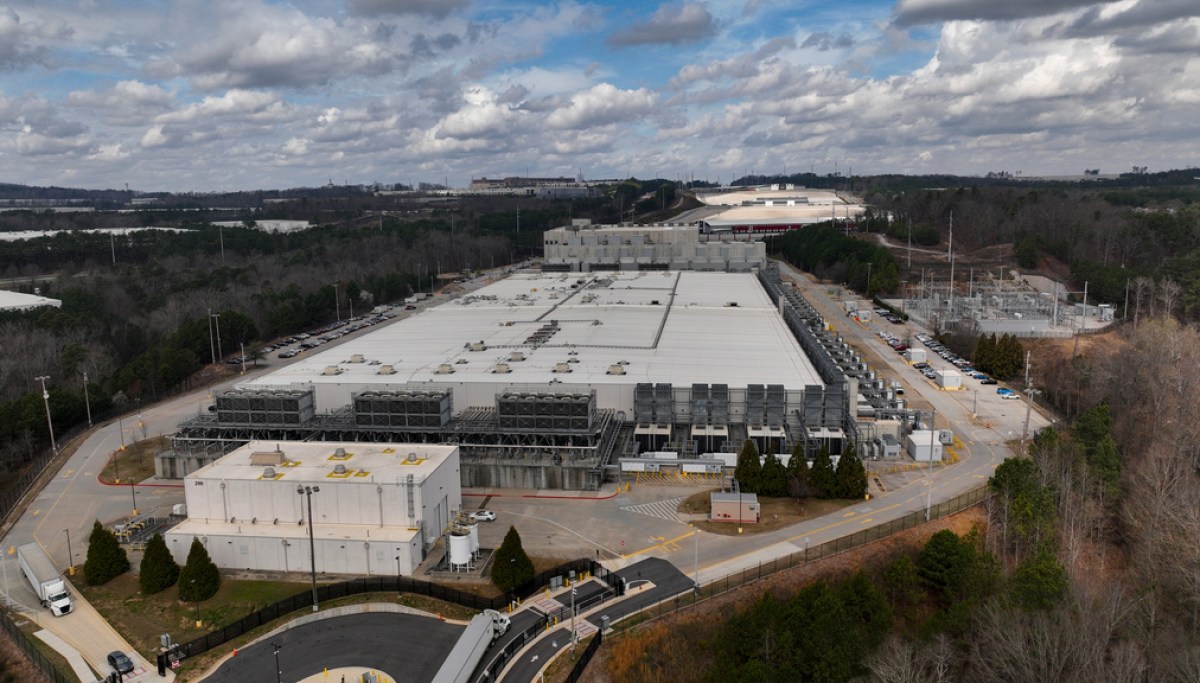
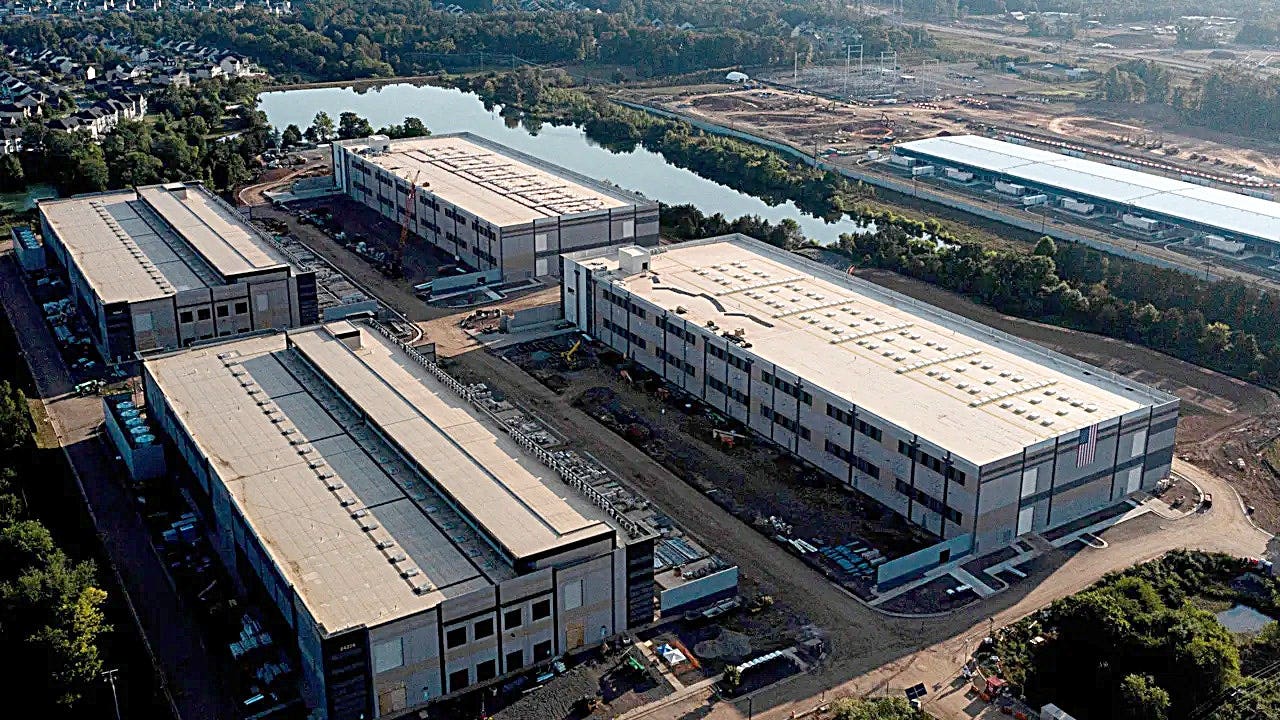
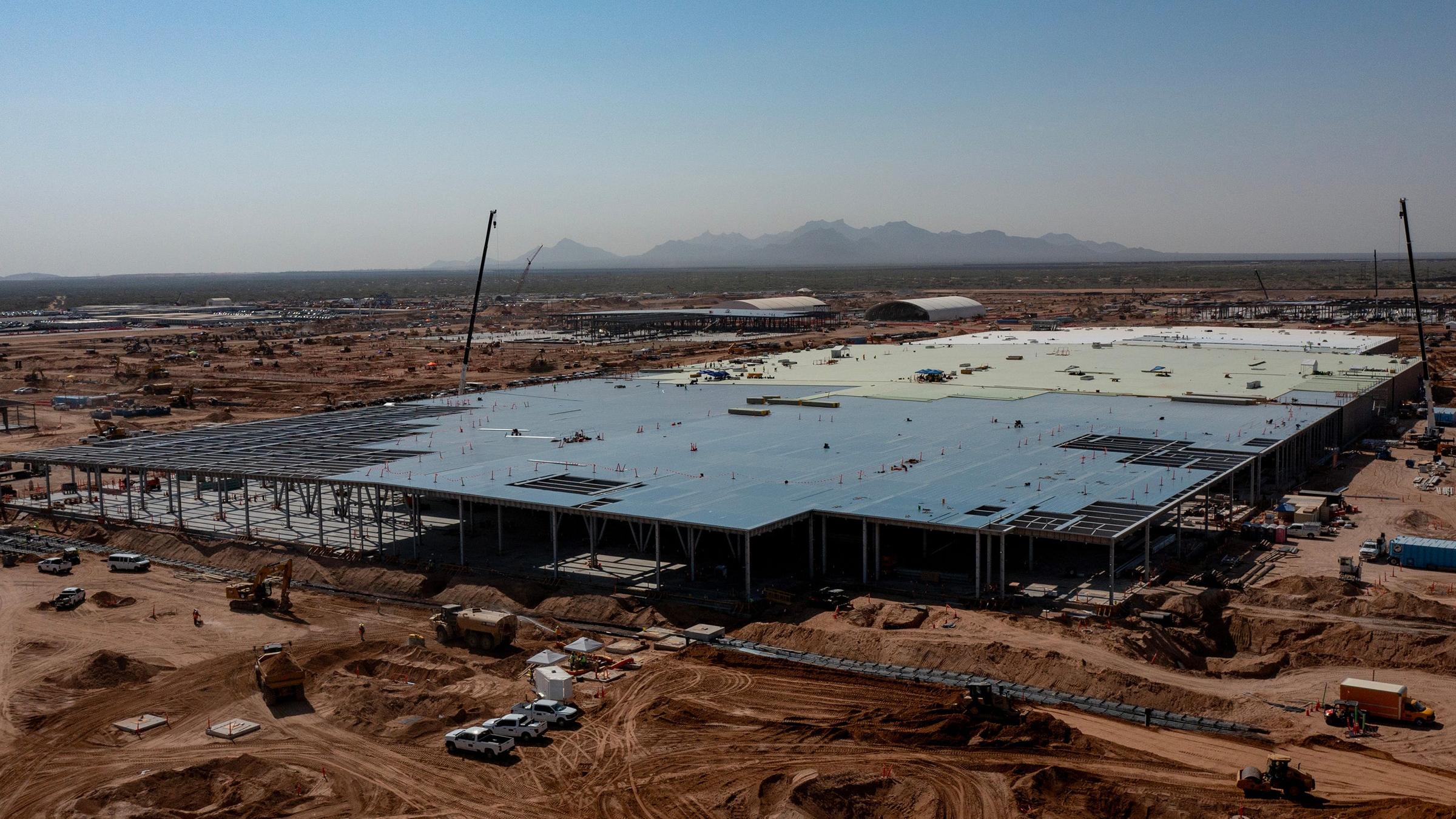
But data centers are physical buildings that reshape neighborhoods and spike electricity bills without residents’ consent. asserted
that → reshape → consent
And when residents see bulldozers roll into town, voter anger is fueled by the fact that data center deals are often made behind closed doors, denying residents a seat at the table. asserted
deals → see → table
The public debate over how to resolve the data center issue is crystallizing into two extremes: unchecked development or an open-ended nationwide moratorium. asserted
debate → resolve → extremes
The first option bypasses community concerns. asserted
option → bypass → concerns
The second eliminates community choice and forfeits possible benefits, including jobs and local investment. asserted
second → eliminate → jobs
What our country needs right now is a data center fair deal: a basic set of rules that give voters transparency and control over what gets built in their neighborhood. asserted
what → need → neighborhood
Without a national framework guaranteeing transparency, benefits, and local leverage, data center developers will continue to play cities and counties off against each other. asserted
developers → guarantee → other
Competition between counties will continue to incentivize secret deal-making, leaving voters with a thin trail of zoning documents and utility filings to figure out what a data center means for them. asserted
center → continue → them
The use of tactics that keep voters in the dark is not a one-off problem. asserted
that → keep → dark
In Virginia, which leads the United States in the number of data centers, 80% of localities with current or proposed data center projects have nondisclosure agreements in place. asserted
% → lead → place
The solution is guaranteed transparency. asserted
solution → guarantee → ?
Communities need the facts on energy usage, infrastructure costs, and tax breaks. asserted
Communities → need → usage
They need a halt to NDAs that hide the facts. asserted
that → need → facts
And county officials need technical knowledge and leverage to get a fair deal. asserted
officials → need → deal
To make sure communities have the information they need, data center developers must disclose how much power they consume, and utilities must reveal the rates data centers pay, so that there are hard numbers behind Americans’ electricity bills. asserted
centers → make → bills
On top of this, state regulators and utilities should be incentivized to consider new rate classes and allocation formulas so that large-load customers cover the costs of additional grid infrastructure. asserted
customers → incentivize → infrastructure
Congress must restrict the use of NDAs that allow public officials to hide the terms of data center siting and incentive agreements from taxpayers. asserted
officials → restrict → taxpayers
In addition, any tax breaks that state and local governments grant developers must be made public. asserted
governments → grant → developers
State and local officials negotiating data center deals need, but do not always have access to, the expertise to secure the best deal for their constituents. asserted
officials → negotiate → constituents
Local governments are negotiating with tech companies whose budgets rival those of whole countries. asserted
budgets → negotiate → countries
The federal government can provide public officials with technical expertise to negotiate on equal footing with hyperscale developers, helping them secure community benefits. asserted
them → provide → benefits
Additionally, communities have the right to know how data centers are affecting their quality of life. asserted
centers → have → life
For residents to understand exactly how data centers are impacting their neighborhoods, the government must publicly track industrial impacts on grid instability, air quality, and natural resource management. asserted
government → understand → instability
These solutions center on accountability and prioritize community choice. asserted
solutions → center → choice
Fair deals are best made with clear rules, accurate information, and local control, instead of in backrooms. asserted
deals → make → backrooms
Rather than imposing a one-size-fits-all solution, a data center fair deal gives communities the information and tools to make the right decision for themselves. asserted
deal → impose → themselves
In times of accelerated change, the federal government has historically provided guardrails to help citizens take control of their future. asserted
citizens → provide → future
At the turn of the 20th century, as the public faced rapid industrialization, labor exploitation, and concentrated corporate power, President Theodore Roosevelt announced the Square Deal to protect consumers and workers. asserted
Roosevelt → face → consumers
More than a century later, another era of technological transformation is reshaping our country. asserted
era → reshape → country
Once again, Americans are without guardrails and shut out from the negotiating table. asserted
Americans → shut → table
We don’t have to choose between building the infrastructure of the future and protecting the communities where it is built. asserted
it → have → communities
Congress should give Americans the transparency, leverage, and local control they need to get a fair deal. asserted
they → give → deal
Brad Carson is president of Americans for Responsible Innovation (ARI) and a former congressman representing Oklahoma. asserted
Carson → represent → Oklahoma

Give feedback · no sign-in needed

No sign-in needed for now. Your note is sent without a name, so it cannot be answered.

History Support