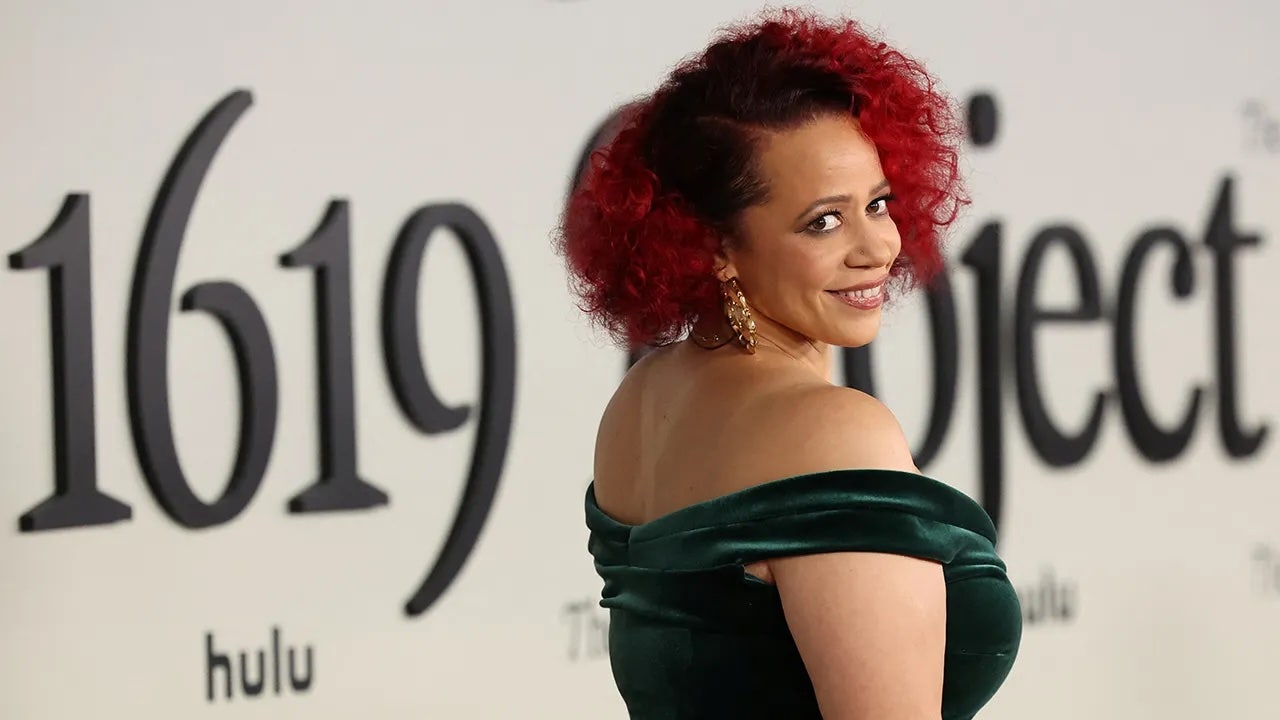
Nikole Hannah-Jones, author of The New York Times' "1619 Project," writes an essay in the magazine about her struggle to provide a quality education for her daughter by enrolling her in underperforming schools to promote social justice. Despite spending $52,000 per student at these schools, which Hannah-Jones viewed as under-resourced and part of a systemically unequal educational structure, she failed to advocate effectively for her daughter's needs, even resisting standardized testing that could highlight academic shortcomings. Hannah-Jones acknowledges her ideological stance may have hindered her ability to recognize the failures within the school system.
Written locally by qwen2.5:14b on 2026-09-22,
using this article's own text rather than the other coverage of the
same event (that is the story summary below).
Story summary
Nikole Hannah-Jones, creator of the New York Times' 1619 Project, recently admitted regret over sending her daughter to underperforming public schools in Brooklyn instead of better-performing ones. In a piece for The New York Times Magazine, she explained that a decade ago she believed sending her daughter Najya to these schools would improve conditions there using her resources and influence. However, the quality of education failed to meet expectations, leading Hannah-Jones to eventually acknowledge error after Najya confronted her about the poor educational environment. Critics argue this decision prioritized ideological goals over her child's academic needs, while supporters see it as an attempt to address systemic inequalities in education through personal sacrifice. Despite the admitted failure, some suggest expanding school choice options could better help disadvantaged students. Hannah-Jones' story highlights ongoing debates around educational equity and parental responsibility.
Written for “Nikole Hannah-Jones School Choice Con…” on 2026-10-05,
grounded in this article and the 10 other(s) covering the same event.
Nikole Hannah-Jones looks to be trying her best to honestly confront what she’s done to her daughter and figure out where she went wrong, though she still seems unsure if she did.
asserted
she → look → daughter
Ironically, though, the way she has (we don’t doubt it, anyway) harmed her daughter’s education is the result of her own parents taking the opposite course — namely, pushing young Nikole into the best schools they possibly could . . . which unfortunately taught her a great pack of nonsense that she still can’t let go of.
uncertain
she → doubt → that
Hannah-Jones’ essay in The New York Times Magazine agonizes over her daughter’s fury that her parents chose to enroll her in two struggling Brooklyn schools in the belief that it would advance social justice — that they could use their own privilege to make a difference.
And she makes it painfully clear that this part of her “fight for school equality for all Black children” . . . failed.
uncertain
part → agonize → children
She made some effort — visiting the high-poverty primary school and complaining that the lunchroom was constant chaos; emailing administrators and teachers who were clearly failing to do their jobs — but she somehow wound up accepting “no” as an answer, and even no replies at all.
asserted
she → make → answer
Time and again in her essay, she falls back on the beliefs she started with: The schools are under-resourced; “a system of inequality” that stems from “outside the school walls but is magnified within them” makes change near-impossible.
asserted
change → fall → them
This is why Hannah-Jones’ “1619 Project” had so many gross factual errors: She’s blinded by ideology.
asserted
She → have → ideology
In reality, her daughter’s awful primary school spends a mind-boggling $52,000 per student: The problem isn’t resources, but a staff that doesn’t try to do better, and gets away with it.
asserted
that → spend → it
A past outraged black mother might try to rally the community to demand action; we see no sign that Hannah-Jones or her husband Faraji — who in these years was moving up through the system’s parent-leadership ranks all the way to the Panel on Educational Policy, which oversees the entire Department of Education — looked to do that.
uncertain
which → try → that
Hannah-Jones all along railed against the very standardized testing that can expose educational failure — even as she let the system hide from her how badly it was failing her daughter, only too late going back to review homework rife with errors that teachers had never bothered to correct.
asserted
teachers → rail → that
In this, she’s as bad as Felicia Thomas-Williams, the odious New York state Regent who dares claim, “You don’t assess a fish on climbing a tree, because fish can’t climb trees” to justify not checking if schoolchildren can read.
uncertain
schoolchildren → ’ → trees
It was only when their daughter stood up and demanded better that she got into a top high school — whereupon her parents rightly supported her with tutoring to catch up.
asserted
parents → stand → tutoring
(Prediction: This girl will go far — and will never, ever put ideology ahead of doing what’s best for her own kids.)
asserted
what → go → kids
Never does Hannah-Jones breathe a word of criticism of the teacher unions and other vested interests that protect incompetents and the simply lazy; as best we can tell, her expensive education taught her not to consider such heresies.
asserted
education → breathe → heresies
Faraji Hannah-Jones insists the couple made all the right choices, bragging that his spouse, like the Dr. Martin Luther King Jr. is who one of the all-too-rare “individuals who stood up” for disadvantaged kids (though King didn’t stint on his children’s schooling).
asserted
King → insist → schooling
Maybe he’s simply supporting his wife in her time of agony; maybe he’s drunk as deep of the Kool-Aid.
asserted
he → support → Aid
He’s certainly right that they’ve raised an extraordinary daughter who is going to extraordinary things.
asserted
who → ’ → things
”
But oh, that it’s in spite of her parents’ best, self-absorbed efforts to the contrary . . .
asserted
it → ’ → contrary
Again, Nikole Hannah-Jones is trying to be honest, even citing “unearned valor of people commending me for the strength of my choice” to do this to her daughter — which hints at a righteous bitterness that might lead her to deeper truths.
uncertain
that → try → truths
If she keeps it up, she might even someday apologize for damning so many other parents who chose to seek the best schools for their kids, for attacking the public charter schools that give low-income families access to excellent educations, and for foolishly supporting a power structure that oppresses the very people she thinks she’s been fighting for.
uncertain
she → keep → people
 The Aporia