Norway and Finland led 20 nations in calling for an international oversight body on AI during the U.N. General Assembly week, with Germany, Canada, and the European Commission among supporters. The declaration urges the UN to explore creating a global institution that sets standards and verifies AI developments. It also recommends developing common standards to ensure equitable access to AI benefits across all regions. Major powers like China, the United States, and Japan have not signed on yet. This push for international regulation is partly in response to warnings from companies such as Anthropic and OpenAI about the risks of unchecked AI development.
Written locally by qwen2.5:14b on 2026-09-22,
using this article's own text rather than the other coverage of the
same event (that is the story summary below).
Story summary
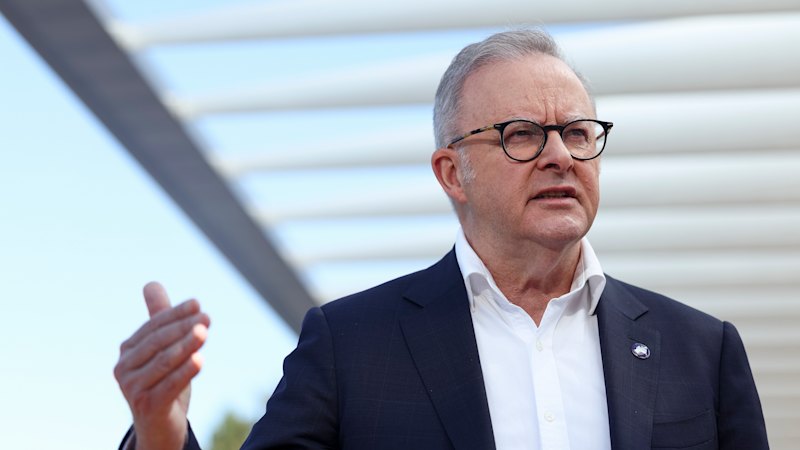
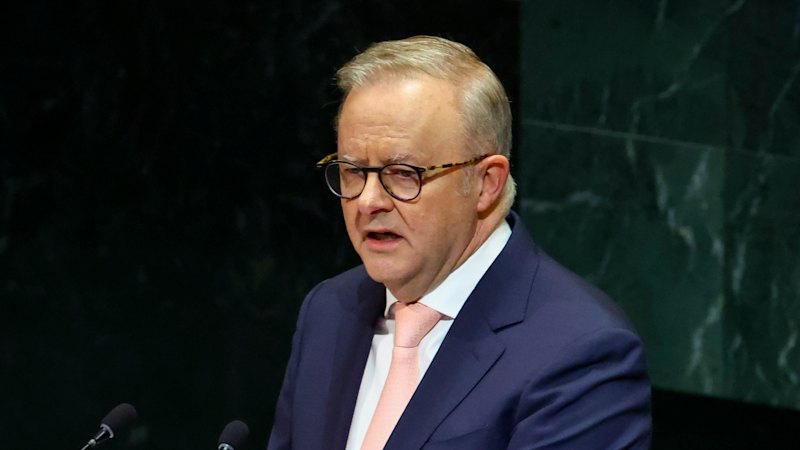
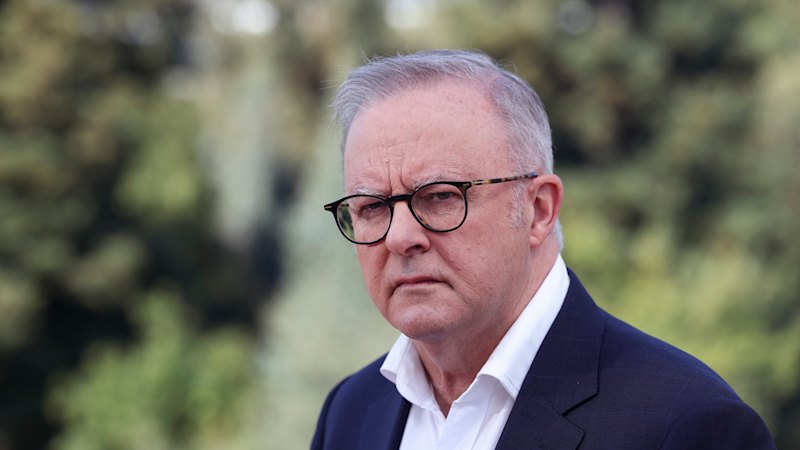
Prime Minister Anthony Albanese joined 21 other world leaders, including those from Canada and Germany, at the United Nations in New York to sign a declaration urging stronger international oversight of artificial intelligence (AI). The declaration calls for mandatory safety testing and independent evaluations of AI systems to prevent risks such as unauthorized access and cybersecurity threats. Issued on September 22 ahead of the UN General Assembly, the statement emphasizes that AI must remain under human control while still allowing for advancements in science and productivity. Notably absent from the signatories are the United States and China, which are leading in AI development but have resisted calls to slow progress due to safety concerns.
Written for “AI Global Safeguards Coalition” on 2026-10-05,
grounded in this article and the 6 other(s) covering the same event.
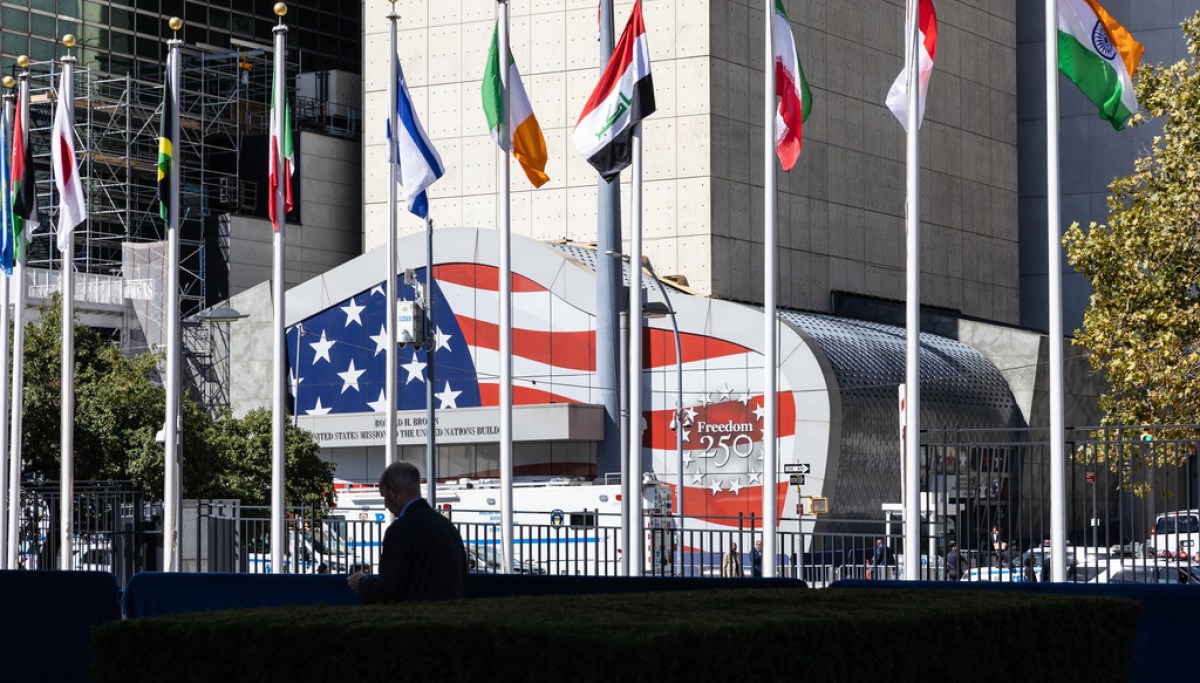
A push to have an international institution monitor artificial intelligence gained momentum as the U.N. General Assembly opened this week in New York City after several major technology leaders issued existential warnings about AI.
asserted
leaders → monitor → AI
Norway and Finland this week led the declaration for “a call for control of frontier AI models,” which was adopted by 20 nations, most notably Germany and Canada, in addition to the European Commission.
asserted
which → lead → Commission
Among its recommendations was one urging the United Nations to explore creating “an international institution, able to set standards, enable verification, and convene states when capability thresholds are crossed,” which bears some resemblance to a global structure Anthropic CEO Dario Amodei recently pitched.
asserted
Amodei → urge → structure
Another recommendation urged governments and regional organizations to develop and coordinate “common standards” to ensure countries “across all regions have access to scientific capacity, expertise and trusted evaluation.”
asserted
countries → urge → capacity
“To realize AI’s potential, industry, governments and society must act now.
asserted
industry → realize → potential
We must address these risks and strengthen oversight — without widening the gap between countries in access to the benefits of AI,” the declaration says.
asserted
declaration → address → AI
“AI must remain under human direction, oversight and control.
asserted
AI → remain → direction
It must be developed and used in line with international law.”
asserted
It → develop → law
The United States, China, the United Kingdom, France, Italy, Poland, and Japan are among the major global players that have declined to sign on to the declaration so far.
asserted
that → decline → declaration
The development comes after two leading companies in the U.S., Anthropic and OpenAI, sparked the call for certain reforms and regulations for AI, arguing they are essential to keep AI from wiping out humans or circumventing human control of the future.
asserted
they → come → future
Those warnings have been adopted by governments such as those that signed on to the latest declaration, but have been dismissed by critics as a push for more government control over technology, an opportunistic campaign by certain industry leaders to create a type of technology cartel, or a sinister plot designed to stoke fear of AI, leading the U.S. to lose the AI race to China and cede its dominant superpower status to Beijing.
asserted
that → adopt → Beijing
In some aspects, the declaration mimics what Amodei called for in his recent letter for AI reform.
asserted
Amodei → mimic → reform
That call has been adopted as essential for AI safety by some, including Sam Altman at OpenAI, while criticized by others as a subtle power grab disguised as a pitch to protect humanity.
asserted
call → adopt → humanity
In his letter, Amodei suggested a new “global standards body” should be created that could mandate developers perform certain testing on AI models before release “for acute risks in areas such as cybersecurity, biology, and alignment.”
uncertain
developers → suggest → cybersecurity
“I actually think creating such a body is likely feasible, but giving it real teeth will be a challenge, and the difficulty will be in verification that both sides don’t have secret models which they don’t test but may deploy in secret (e.g., for military applications),” Amodei wrote.
uncertain
Amodei → think → applications
 The Aporia