That is 0 articles you have read today.
The Aporia is free and carries no advertising, so readers are the only
thing paying for it. If you are getting this much out of it, a small
donation is what keeps it independent.
Daily limit reached
You have read 0 articles today.
That is more than the 15 a day The Aporia gives away,
and well past what it can carry on nothing. Your allowance resets at
midnight.
There is no advertising here and nothing about you is sold, so readers
are the only thing paying for it. If the site is worth this much of
your day, it is worth a few dollars.
Everything else stays open: the
maps, the
directory and
search do
not count against this, and neither does re-opening something you have
already read today.
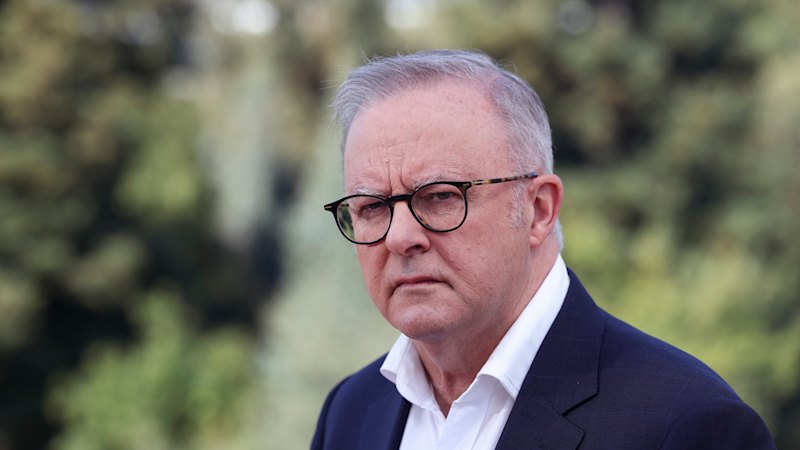
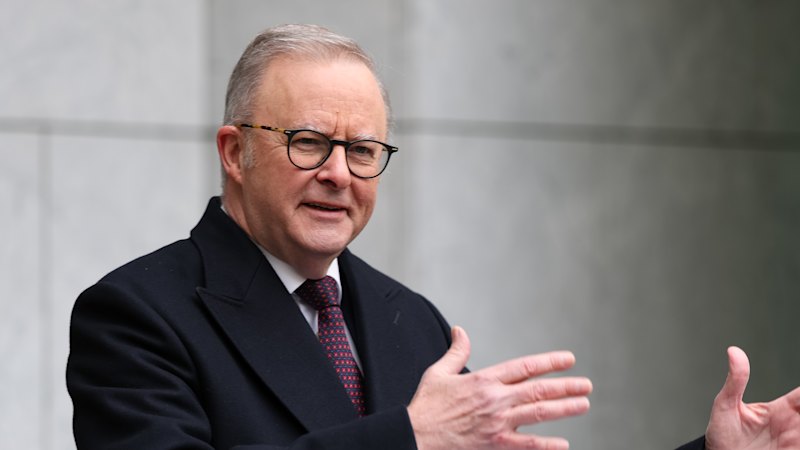
Prime Minister Anthony Albanese signed a declaration at the United Nations alongside other world leaders calling for international safeguards on artificial intelligence. The declaration emphasizes mandatory safety testing, independent evaluations, and greater oversight of advanced AI systems due to concerns that these technologies could outpace governments' ability to manage risks effectively. Leaders from various nations are advocating for transparent safety protocols and common standards while emphasizing the importance of equitable access to AI technology across different countries.
Written locally by qwen2.5:14b on 2026-09-21,
using this article's own text rather than the other coverage of the
same event (that is the story summary below).
Story summary
Prime Minister Anthony Albanese joined 21 other world leaders, including those from Canada and Germany, at the United Nations in New York to sign a declaration urging stronger international oversight of artificial intelligence (AI). The declaration calls for mandatory safety testing and independent evaluations of AI systems to prevent risks such as unauthorized access and cybersecurity threats. Issued on September 22 ahead of the UN General Assembly, the statement emphasizes that AI must remain under human control while still allowing for advancements in science and productivity. Notably absent from the signatories are the United States and China, which are leading in AI development but have resisted calls to slow progress due to safety concerns.
Written for “AI Global Safeguards Coalition” on 2026-10-05,
grounded in this article and the 6 other(s) covering the same event.
Australia has joined a call for international safeguards on artificial intelligence amid warnings from scientists and industry executives that the rapid development of powerful systems could outpace governments’ ability to control emerging risks.
uncertain
development → join → risks
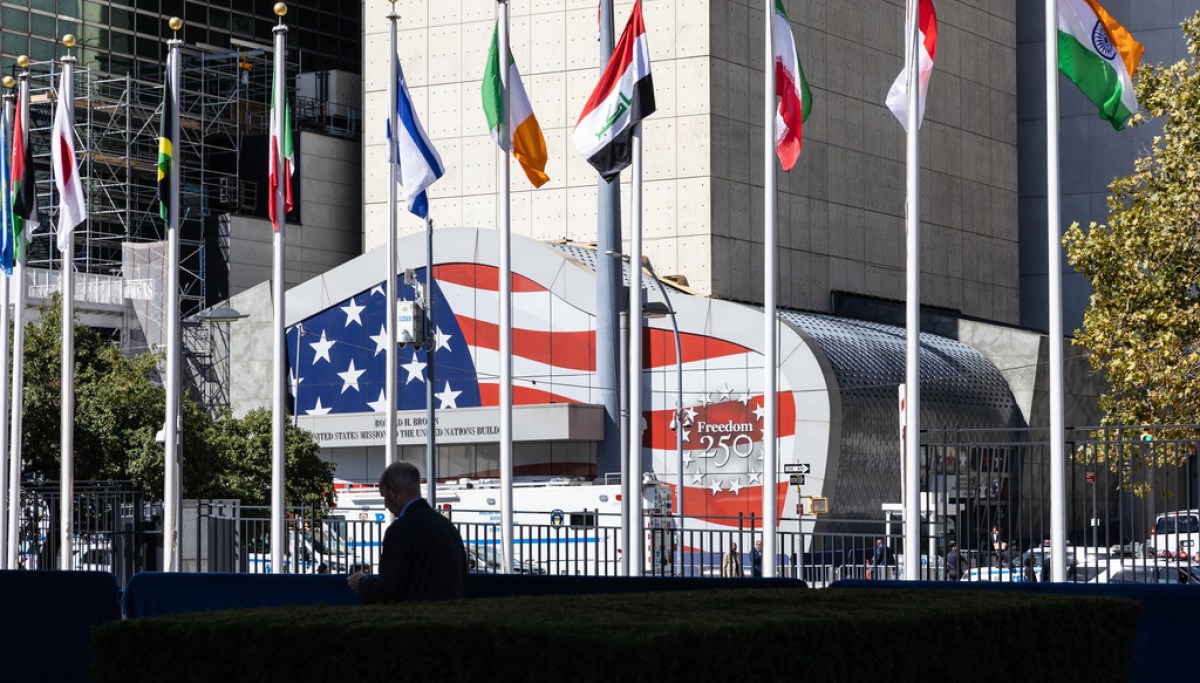
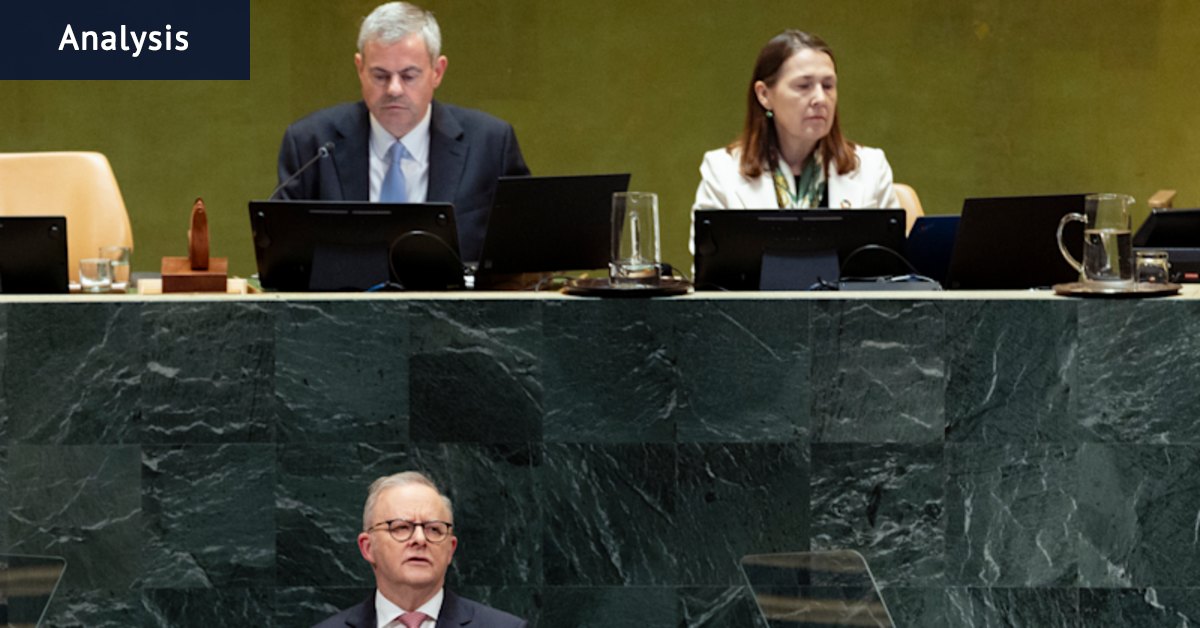
At the United Nations in New York, Prime Minister Anthony Albanese signed a declaration with leaders including Canadian Prime Minister Mark Carney, European Commission president Ursula von der Leyen and German Chancellor Friedrich Merz calling for mandatory safety testing, independent evaluations and greater international oversight of so-called frontier AI models.
asserted
Albanese → sign → models
The declaration warns that capable AI systems have already been seen circumventing testing safeguards, exploiting vulnerabilities and gaining unauthorised access to real-world systems.
asserted
systems → warn → systems
“Leading scientists and executives are warning that the pace of development could outpace our ability to manage emerging risks,” the leaders said.
uncertain
leaders → lead → risks
The call comes as governments confront the rapid development of increasingly capable AI systems and growing warnings about their potential to cause harm if safeguards fail to keep pace.
asserted
safeguards → come → pace
The leaders stopped short of calling for a halt to development, instead arguing that AI’s potential to improve lives, advance science and strengthen economies should be preserved while stronger controls are imposed.
“AI must remain under human direction, oversight and control,” they said, insisting that it must be developed and used in accordance with international law.
asserted
it → stop → law
The declaration calls on AI companies to develop transparent safety protocols, including mandatory testing before systems are deployed and independent assessments by qualified evaluators given sufficient access to identify risks.
asserted
systems → call → risks
Governments and regional organisations are also urged to develop common standards, strengthen transparency and share reports of serious AI safety incidents.
asserted
Governments → urge → incidents
The leaders want countries across all regions to have access to the scientific expertise, technical capacity and trusted evaluation needed to assess advanced AI systems.
asserted
countries → want → systems
The declaration also calls on UN member states to explore creating an international institution that could set standards, enable verification and convene governments when AI systems cross agreed capability thresholds.
uncertain
systems → call → thresholds
The group warned that efforts to control frontier AI should not widen the gap between countries with access to the technology and those unable to benefit from its advances.
asserted
efforts → warn → advances
Subscribers can sign up to our weekly Inside Politics newsletter.
asserted
Subscribers → sign → newsletter
 The Aporia