The Guardian
· collected 2026-09-21 · by Gaya Gupta and Uwa Ede-Osifo
Paramount and Warner Bros Discovery have settled lawsuits with 12 US states over their $81 billion merger, clearing a major legal hurdle for the deal to proceed. California and other states had sued, arguing that combining two legacy Hollywood studios would stifle competition; four holdout states—Massachusetts, New York, Connecticut, and Minnesota—recently joined the settlement. Paramount agreed to maintain independent editorial boards at CBS and CNN, as well as a $30 million penalty if the merged company fails to distribute 30 films annually in theaters. This settlement allows Paramount to retain its cable channels without selling them off, addressing concerns that had threatened Los Angeles's film industry.
Written locally by qwen2.5:14b on 2026-09-21,
using this article's own text rather than the other coverage of the
same event (that is the story summary below).
Story summary
Paramount, owned by Skydance Media, has reached a tentative agreement with California Attorney General Rob Bonta and 11 other state attorneys general over an antitrust lawsuit challenging Paramount's $81 billion acquisition of Warner Bros. Discovery (WBD). The negotiations, which began last month, have involved discussions about potential concessions to settle the litigation before the scheduled trial in March 2027.
Key details of the proposed settlement include a $30 million penalty if Paramount fails to produce at least 30 theatrical films per year and a commitment to invest $1.5 billion in California production spending. Additionally, there are discussions about maintaining independent editorial boards for CNN and CBS News under the new merged entity.
California officials have been urged by Governor Gavin Newsom and Los Angeles Mayor Karen Bass to settle with Paramount to preserve tens of thousands of jobs in the state. However, opposition remains strong; actor Mark Ruffalo has warned Bonta against caving to settlement demands that might not adequately protect the interests of the entertainment industry.
Despite initial optimism about reaching an agreement by late last week or early this week, insiders now say significant hurdles remain, including disagreements over key terms and conditions. The deal is expected to be announced officially in coming days, potentially averting further legal challenges and a $7 million daily "ticking fee" that would start accruating on October 1 if no settlement had been reached by then.
Written for “Paramount Warner Merger Settlements” on 2026-10-05,
grounded in this article and the 28 other(s) covering the same event.
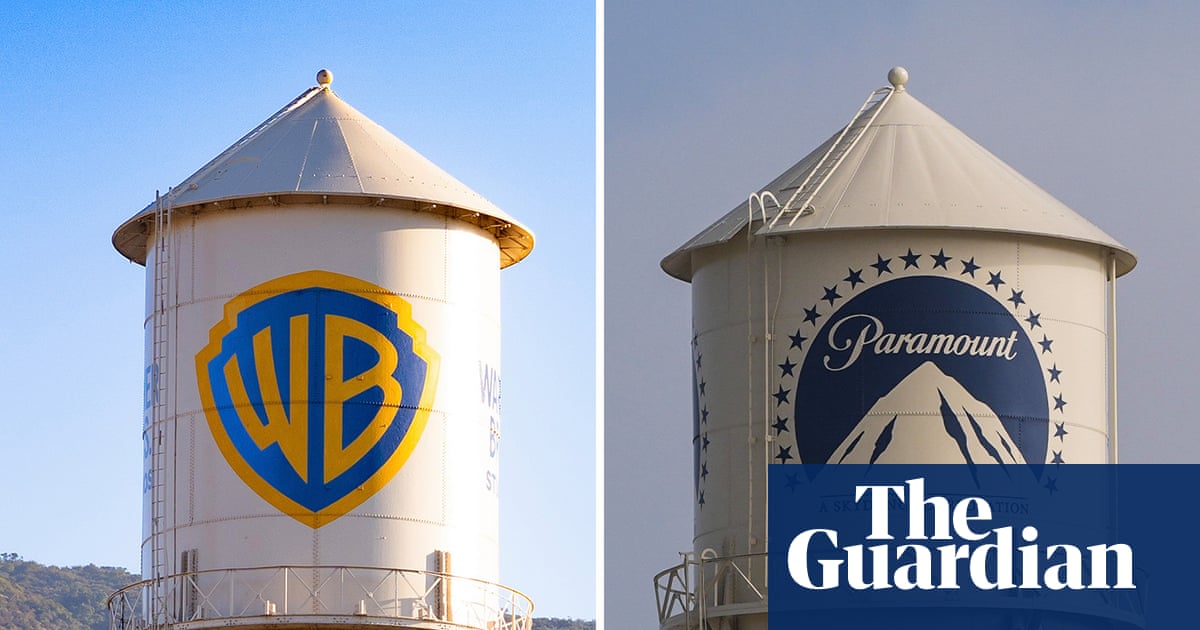
Paramount has reached a settlement with California and several other states that sued over a proposed $81bn merger with Warner Bros Discovery (WBD), according to reports on Monday, clearing the way to consolidate some of Hollywood’s most recognizable TV networks and studios under one owner.
uncertain
that → reach → owner
Though the merger was approved by the justice department in June, a coalition of 12 states, led by California, had sued over concerns that combining two of the five last legacy studios in Hollywood would “extinguish competition” and lead to fewer movies in theaters and on streaming platforms.
asserted
combining → approve → platforms
Four holdout states – Massachusetts, New York, Connecticut and Minnesota – held out on a deal until this weekend, according to Bloomberg.
uncertain
states → hold → Bloomberg
An official announcement about the settlement is expected later on Monday.
asserted
announcement → expect → Monday
Paramount reportedly agreed that CBS and CNN would maintain independent editorial boards under the merger.
uncertain
CBS → agree → merger
Paramount also reportedly agreed to a $30m financial penalty if the newly merged company fails to distribute 30 films per year in theaters.
uncertain
company → agree → theaters
In return, Paramount will not have to sell its cable channels, which include CBS, MTV, Nickelodeon and Showtime, as was discussed in negotiations, the Wall Street Journal reported.
asserted
Journal → have → negotiations
The legal battle has been a headache for Paramount executives, considering that a closing date past 30 September would have reportedly add millions of dollars to the purchase price.
uncertain
date → consider → price
Reports emerged last week that, after months of speculation, WBD and Paramount were in the process of selling their studio lots in California and leaving the state amid the antitrust lawsuit, which would have been an enormous hit to Los Angeles’s already struggling film and entertainment industry.
asserted
which → emerge → industry
Whispers of Paramount Skydance plotting a California exit had circulated for months, though there was speculation the reports amounted to strategically leaked leverage as the media company sought a bargaining chip in the lawsuit.
asserted
company → plot → lawsuit
In an August news release, Ellison called the lawsuit the “final obstacle” to the merger, describing the deal as “pro-competitive, pro-consumer and pro-worker”.
asserted
Ellison → call → deal
Twelve states warned that a merger between Paramount Skydance and Warner Bros Discovery would result in fewer entertainment options and higher prices for consumers.
asserted
merger → warn → consumers
Rob Bonta, the California attorney general who has spearheaded the antitrust litigation, also has voiced concern about how a merger could affect CNN’s journalism.
uncertain
merger → spearhead → journalism
(CNN is owned by WBD.)
asserted
CNN → own → WBD
Last summer, Skydance Media bought Paramount in an $8.4bn merger, a deal led by David Ellison, the Skydance owner and son of billionaire tech mogul Larry Ellison.
asserted
Media → buy → Ellison
After US regulators approved the deal, Paramount reached a $16m settlement with Donald Trump over a 60 Minutes interview with Kamala Harris.
asserted
Paramount → approve → Harris
It also announced the cancellation of the Late Night with Stephen Colbert show, which aired its last episode in May.
uncertain
which → announce → May
After the merger, Ellison appointed Bari Weiss as editor-in-chief of CBS News.
asserted
Ellison → appoint → News
The network has since been roiled by allegations of bias favoring the Trump administration.
asserted
network → roil → administration
In a guest essay published in the New York Times last month, Ellison wrote that the anti-trust lawsuit stemmed from concerns over “whether I can be trusted as a steward of Warner’s CNN”.
asserted
I → publish → CNN
“I do not aspire to lead these companies to bend their newsrooms to my views.
asserted
I → aspire → views
I believe that news should be based on facts and truth,” Ellison wrote.
asserted
Ellison → believe → facts
“Great news organizations like CNN and CBS News are here to tell it straight down the middle.
asserted
organizations → tell → middle
That requires newsrooms that reflect the whole world, not one side of it.
asserted
that → require → it
And it requires independence.
asserted
it → require → independence
Our journalists will continue to answer to the facts and to all the people they serve – not to any party or cause.”
asserted
they → continue → party
 The Aporia