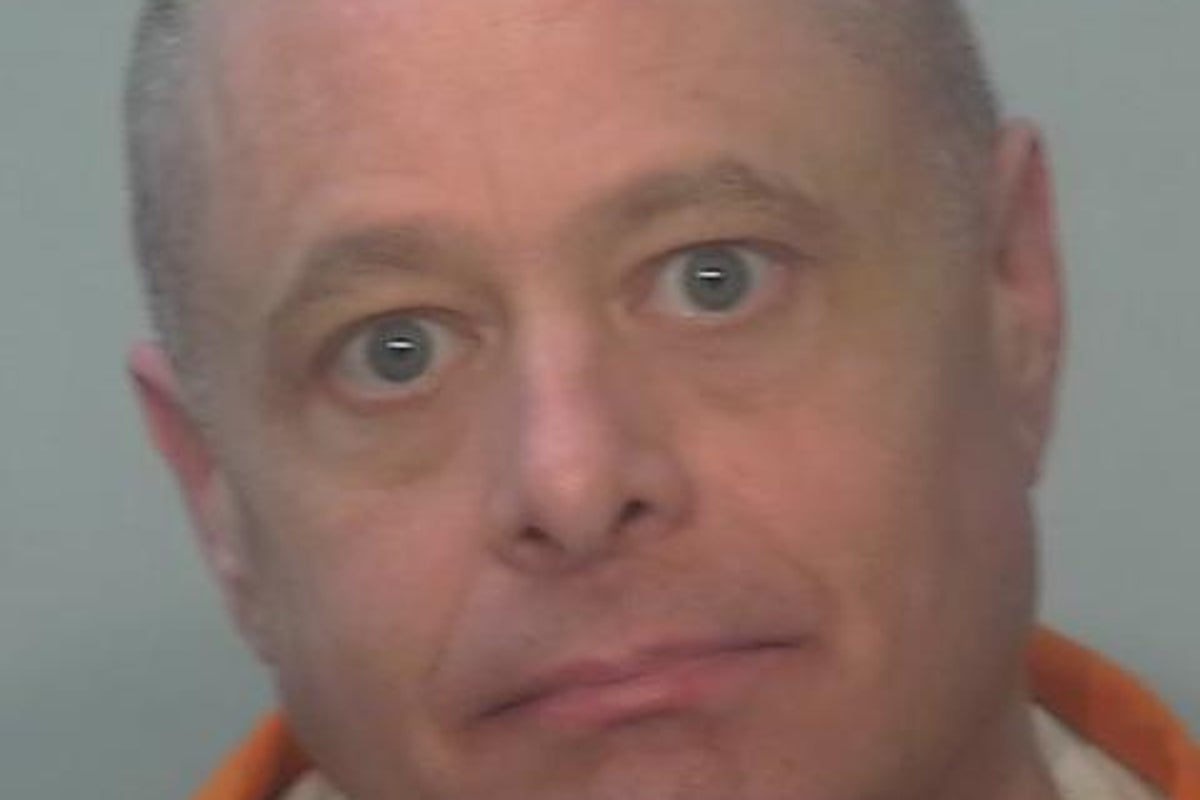
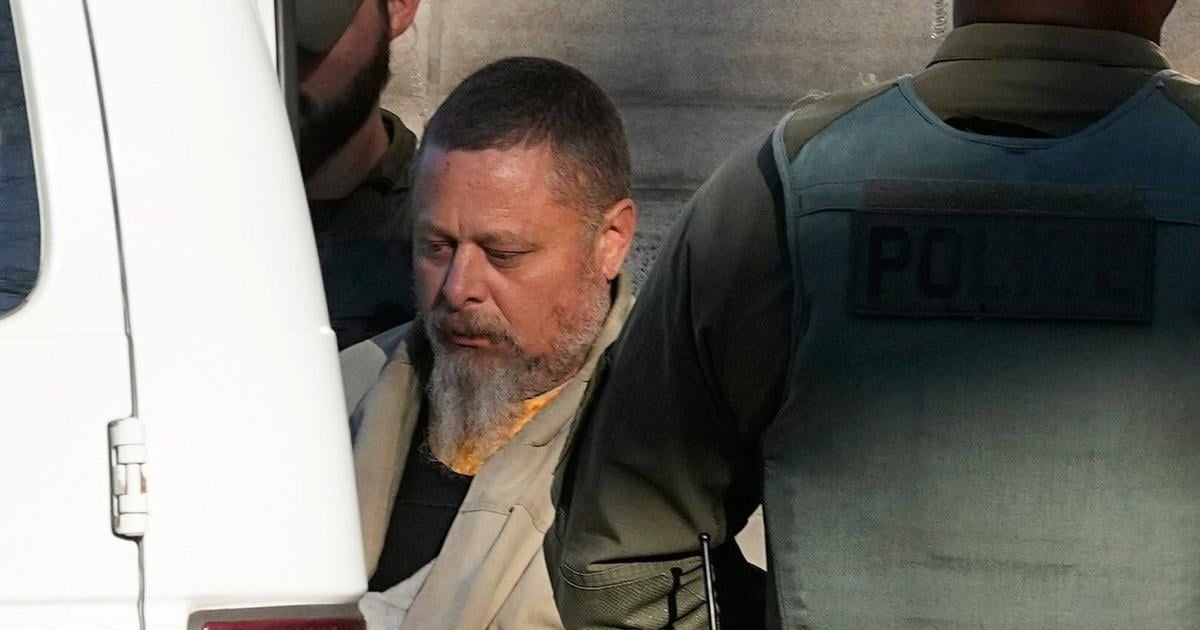
Richard Allen, serving 130 years in prison for murdering Abigail Williams and Liberty German in Delphi, Indiana, is challenging his conviction on grounds that he confessed during a psychological crisis. Set to appear before the Indiana Court of Appeals on Monday, Allen’s attorneys argue his mental health was deteriorating when he confessed and that evidence suggests unknown individuals were responsible for the murders as part of a pagan ritual. Prosecutors counter by asserting there was sufficient evidence independent of confessions to convict him, including testimony from an expert linking a bullet found at the scene to Allen's gun.
Written locally by qwen2.5:14b on 2026-09-21,
using this article's own text rather than the other coverage of the
same event (that is the story summary below).
Story summary
Richard Allen, serving 130 years in prison for killing two teenage girls, Abigail Williams (13) and Liberty German (14), is seeking to overturn his convictions. The murders occurred in 2017 in Delphi, Indiana, becoming one of the state's most closely followed unsolved cases until Allen was arrested more than five years later.
Allen’s attorneys argue that he confessed while suffering from a psychological crisis and claim that evidence should have been allowed suggesting an unknown pagan cult committed the murders. The defense wanted to introduce testimony by an expert who would assert that Odin worshippers conducted the killings as a ritual sacrifice based on various clues at the crime scene.
Prosecutors counter these claims, stating some of Allen’s confessions were made before he showed signs of mental illness and continued even after his condition improved. They also argue there was sufficient evidence to convict Allen without his admissions, including video footage where Libby recorded a suspicious man saying "Down the hill" near the crime scene.
The case is set for arguments at the Indiana Court of Appeals on Monday. If successful, this appeal could potentially lead to a new trial and further investigation into whether pagan rituals were involved in the killings or if Allen was unfairly convicted based on his mental health status during confession sessions.
Written for “Delphi Killings Ritual Theory” on 2026-10-04,
grounded in this article and the 2 other(s) covering the same event.
Richard Allen, the man serving 130 years in prison for killing two teenage girls in Delphi, Indiana, is seeking to have his convictions overturned, arguing that he confessed while suffering a psychological crisis and was wrongly prevented from presenting an alternative theory about the killings.
asserted
he → serve → killings
Allen was convicted in 2024 of murdering Abigail “Abby” Williams, 13, and Liberty “Libby” German, 14.
asserted
Allen → convict → Williams
The girls’ deaths became one of Indiana’s most closely followed unsolved cases before Allen was arrested more than five years later.
asserted
Allen → become → cases
The Indiana Court of Appeals is set to hear an hour of arguments in Allen’s case on Monday.
asserted
Court → set → Monday
His attorneys argue that his confessions were made while his mental health was deteriorating and that the trial judge unfairly prevented the defense from arguing that unknown people killed Abby and Libby as part of a pagan ritual.
asserted
people → argue → ritual
Prosecutors dispute those claims, saying some of Allen’s incriminating statements were made before he showed signs of mental illness and that he continued making them after his condition improved.
uncertain
condition → dispute → them
They also argue there was enough evidence to convict Allen without the confessions.
asserted
They → argue → confessions
Allen acknowledged being on the trail near where the girls were killed at around the time one of them recorded a short video showing a suspicious man nearby.
asserted
one → acknowledge → man
A male voice on the recording can be heard saying, “Down the hill.”
asserted
voice → hear → hill
Prosecutors have also defended the judge’s decision to restrict testimony about the defense’s pagan ritual theory, arguing that allowing an expert to present it would have turned the murder trial into a sideshow.
asserted
expert → defend → sideshow
The evidence that convicted Richard Allen
asserted
that → convict → Allen
The girls’ bodies were found on Feb. 14, 2017, down a steep hill from an abandoned railroad bridge along a hiking trail outside Delphi.
asserted
bodies → find → Delphi
The eighth graders had been dropped off the previous afternoon but never arrived at their planned pickup point.
asserted
graders → drop → point
Both girls had their throats cut and branches had been placed over their bodies.
asserted
branches → have → bodies
One was found nude, while the other was wearing the first girl’s clothing.
asserted
other → find → clothing
Authorities found no evidence of sexual assault.
asserted
Authorities → find → assault
Prosecutors said Allen was carrying a gun when he forced Abby and Libby off the trail.
asserted
he → say → trail
They said he later confessed that he intended to rape the girls but abandoned the plan after a passing van startled him, prompting him to kill them.
asserted
van → say → them
An expert testified that an unspent bullet discovered between the girls’ bodies had been cycled through Allen’s handgun.
asserted
bullet → testify → handgun
Allen’s defense attorneys challenged the evidence connecting him to the killings.
asserted
attorneys → challenge → killings
They argued that no witness specifically identified Allen as the man seen near the trail on the afternoon the girls disappeared.
asserted
girls → argue → afternoon
They also emphasized that investigators found no fingerprints, DNA or other forensic evidence directly linking Allen to the murder scene.
asserted
investigators → emphasize → scene
Why Allen says his confessions can’t be trusted
Allen was held in solitary confinement while awaiting trial and denied killing the girls for months.
asserted
Allen → say → months
His attorneys argue that prolonged isolation caused his mental health to deteriorate so severely that he eventually convinced himself he was responsible and repeatedly confessed.
asserted
he → argue → himself
His lawyers, Stacy Uliana and Mark Leeman, said Allen lost 40 pounds, became unable to care for himself and was tased while in custody.
asserted
Allen → say → custody
They also said his face was at times bruised and bleeding and that he was exposed to fecal matter and toilet water.
asserted
he → say → matter
Prosecutors offered a different explanation for Allen’s changing behavior, arguing that his incriminating statements coincided with him being shown evidence from the investigation, including details about the condition of Abby and Libby’s bodies.
asserted
him → offer → bodies
Indiana Attorney General Todd Rokita argued in a court filing that seeing the evidence forced Allen to confront what he had done after years in which his involvement had gone undiscovered.
asserted
involvement → argue → which
Prosecutors maintain that Allen’s confessions were genuine rather than the result of his deteriorating mental health.
asserted
confessions → maintain → health
The controversial Odin ritual theory
Allen’s trial attorneys also sought to present testimony from an expert who believed the killings showed signs of a ritual sacrifice carried out by followers of Odin, the chief god in Norse mythology.
asserted
killings → seek → mythology
The expert was expected to testify that the positioning of the girls’ bodies, branches placed over their remains, the outdoor setting and their knife wounds could be consistent with pagan ritual practices.
uncertain
positioning → expect → practices
Prosecutors opposed the testimony, arguing that the expert had few examples to support the theory and that the defense should not be permitted to present an alternative explanation for the murders without sufficient evidence.
asserted
defense → oppose → evidence
Allen’s attorneys are also expected to raise other issues before the appeals court, including inconsistencies in witness descriptions of the suspicious man seen near the trail around the time Abby and Libby disappeared.
asserted
Abby → expect → time
The defense has pointed to a police sketch of a potential suspect that attorneys say did not resemble Allen.
asserted
attorneys → point → Allen
They are also challenging the trial judge’s decision to restrict a defense expert from questioning whether markings on the unspent bullet recovered between the girls’ bodies could reliably be traced to a specific gun.
uncertain
markings → challenge → gun
 The Aporia