Al Jazeera – Breaking News, World News and Video from Al Jazeera
· collected 2026-08-25 · by Mohammed Haddad
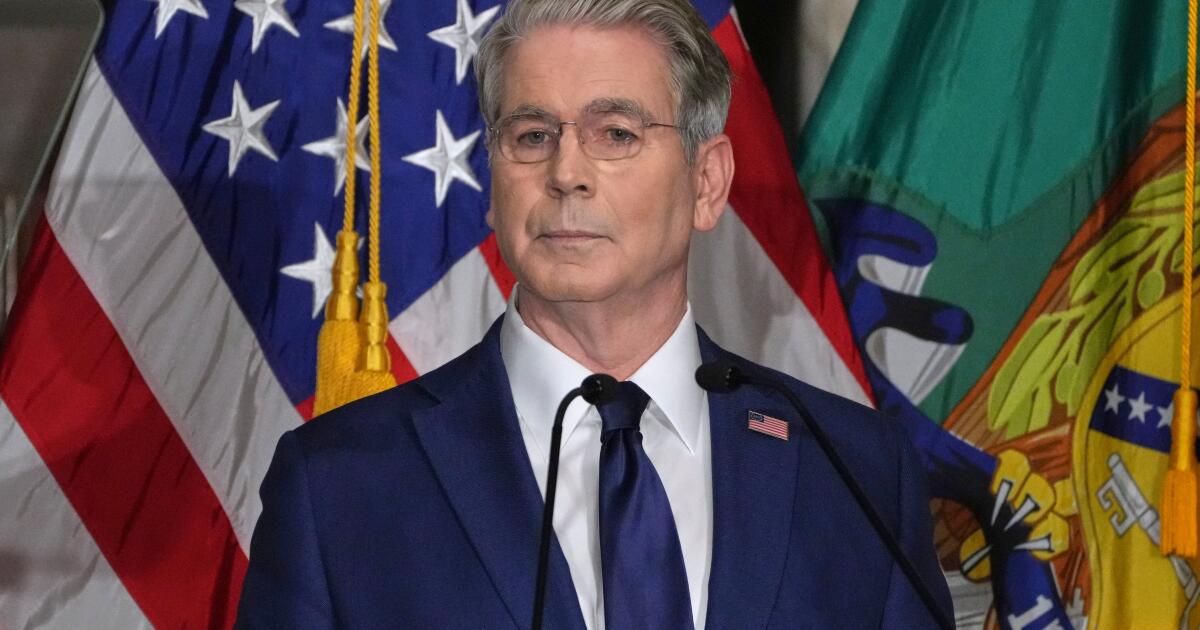
The US Treasury Secretary Scott Bessent has announced new sanctions against nearly 60 entities and individuals related to Iran, aiming to isolate its economy. The top trading partners of Iran in 2024 were China, accounting for $14.58 billion in exports and $17.8 billion in imports, followed by Iraq ($11.7bn), the UAE ($7.16bn and $21bn), Turkiye ($6.1bn and $11.1bn), and Afghanistan ($2.3bn). The article breaks down Iran's top trading partners based on official customs figures from Trade Data Monitor, excluding unrecorded flows sustaining its oil exports.
Written by the local model on 2026-08-25,
using this article's own text rather than the other coverage of the
same event (that is the story summary below).
United States Treasury Secretary Scott Bessent has unveiled a new wave of sanctions on Iran, branded “Operation Economic Outcast”, designating close to 60 entities, individuals and vessels and widening secondary sanctions to cover shipping, gold, aviation, technology and digital assets.
asserted
Bessent → unveil → shipping
He said the aim was to sever every economic lifeline sustaining the government in Tehran until it stands alone, and that President Donald Trump was telephoning world leaders with specific requests to halt their dealings with Iran, though he named no countries and set no deadline.
asserted
he → say → deadline
Below, we break down Iran’s top trading partners using official customs figures compiled by Trade Data Monitor, which exclude the unrecorded flows sustaining much of Iran’s oil exports.
asserted
which → break → exports
Iran’s top export partners
Iran has spent much of the past two decades under Western sanctions, a pressure that has pushed its economy away from Europe and towards a narrowing group of Asian and regional partners.
asserted
that → spend → partners
In 2024, Iran exported some $56bn worth of goods to at least 112 countries and territories, according to official customs figures.
uncertain
Iran → export → figures
Its top export partners were:
- China ($14.58bn) – The largest buyer of Iranian oil, taking more than 80 percent of Iran’s seaborne crude exports, according to tanker-tracking analysts.
uncertain
partners → take → analysts
Much of it is discounted and moved by shadow-fleet vessels, barely registering in either country’s customs records.
asserted
Much → discount → records
- Iraq ($11.7bn) – Iran has been a major supplier of gas to Iraq for electricity generation, and sells electricity directly to Iraqi provinces in the south.
asserted
Iran → sell → south
It is also a leading source of food products, building materials and manufactured goods.
asserted
It → lead → products
- UAE ($7.16bn) – Has long been a financial and re-export lifeline for Iran, accounting for 13 percent of its exports.
asserted
UAE → account → exports
Abu Dhabi imposed an indefinite trade embargo last week after accusing Iran of firing missiles at its territory.
asserted
Dhabi → impose → territory
Tehran denied the allegations.
asserted
Tehran → deny → allegations
- Turkiye ($6.1bn) – Iran has long supplied Turkiye with pipeline gas via the Tabriz-Ankara Pipeline, along with petrochemicals, food products, and construction materials.
asserted
Iran → supply → petrochemicals
Iran supplies its landlocked neighbour with fuel, food and construction materials, and Afghanistan depends heavily on Iranian ports and overland routes to access wider markets.
asserted
Afghanistan → supply → markets
In 2024, Iran imported some $68.5bn worth of goods from at least 87 countries and territories, according to official customs figures.
uncertain
Iran → import → figures
Its top import partners were:
- UAE ($21bn) – Supplied just above 30 percent of Iran’s imports, most of them re-exported goods rather than Emirati production, giving Tehran indirect access to Western machinery, electronics and consumer goods.
asserted
most → supply → machinery
Abu Dhabi’s indefinite trade embargo has severed that route.
asserted
embargo → sever → route
- China ($17.8bn) – The main supplier of machinery, electronics, vehicles and industrial components, and the partner Iran has leaned on most heavily as Western trade has closed off.
asserted
trade → lean → machinery
- Turkiye ($11.1bn) – A shared land border and longstanding commercial ties make Turkiye a key overland supply route, sending machinery, chemicals, vehicles and manufactured goods.
asserted
Turkiye → share → machinery
Trade in both directions has fallen since the war began.
asserted
war → fall → directions
- European Union ($6.1bn) – European sales are now a fraction of pre-2018 levels, concentrated in pharmaceuticals, medical equipment and machinery.
asserted
sales → concentrate → pharmaceuticals
- India ($1.6bn) – Trade has fallen sharply in recent years.
asserted
Trade → fall → years
New Delhi has kept commercial links narrow and weighted towards agricultural goods including rice, tea and pharmaceuticals.
asserted
Delhi → keep → rice