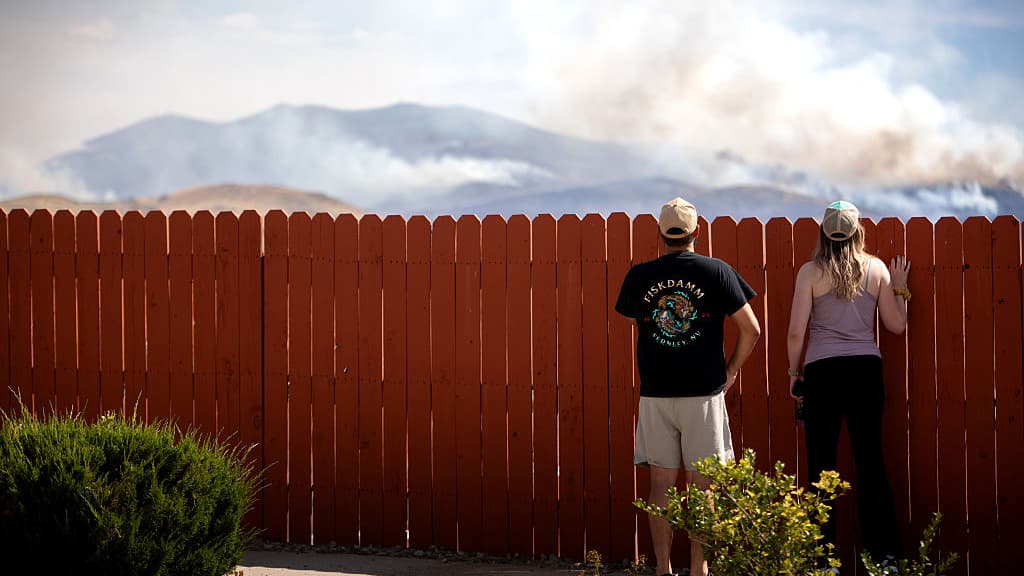
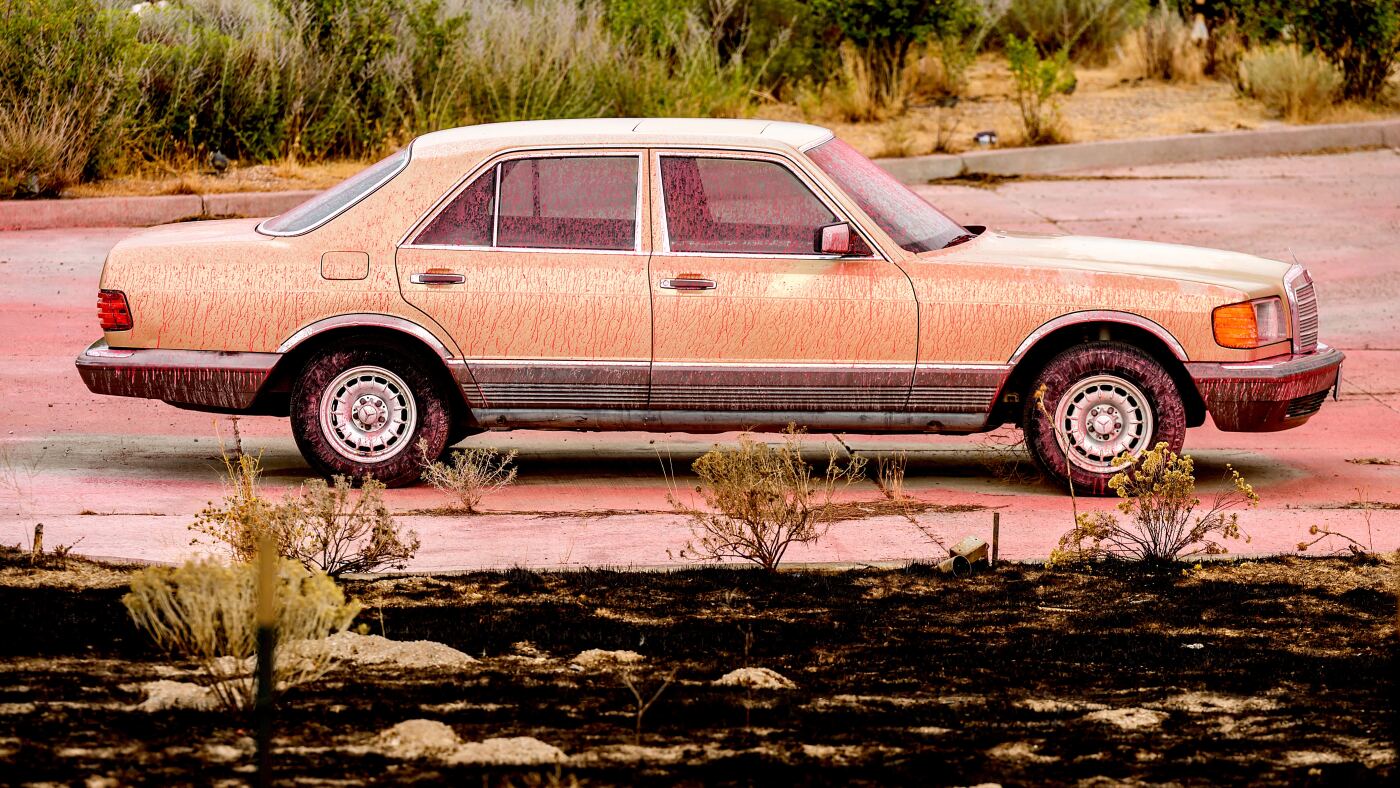
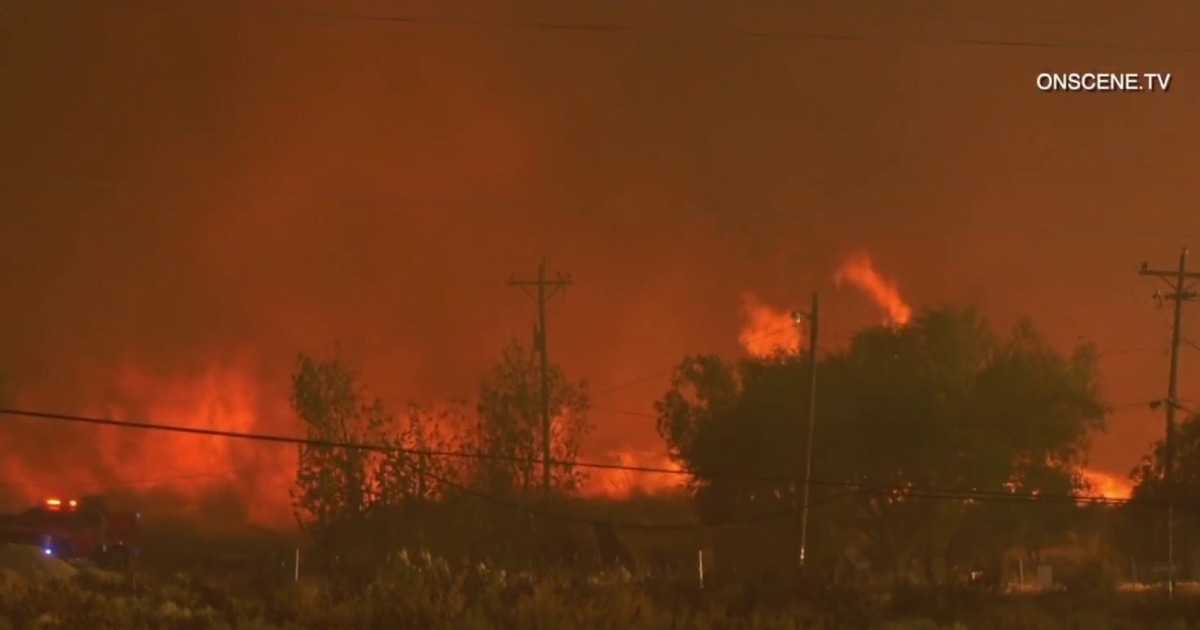
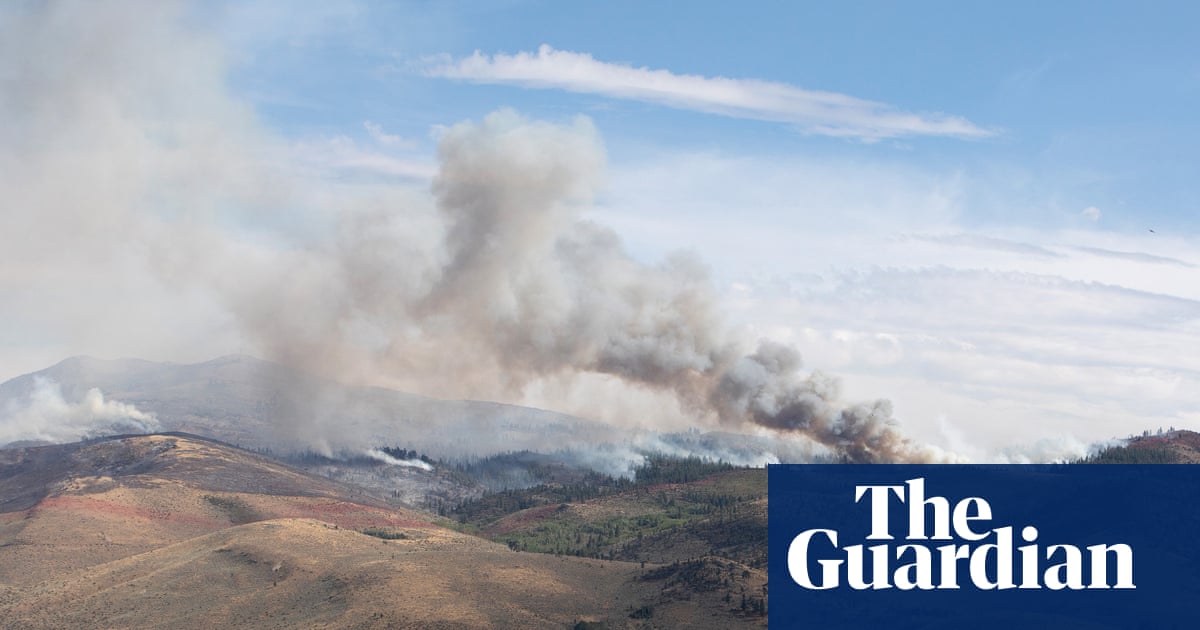
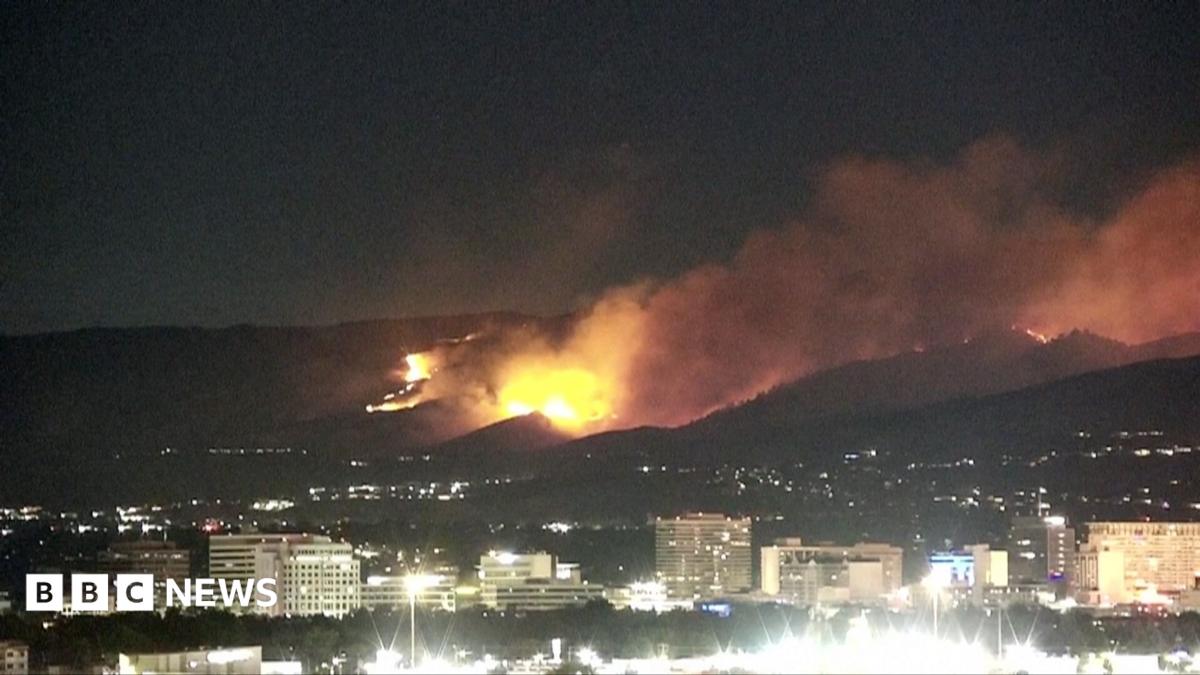
The ongoing “Hawk” fire outside the city of Reno, Nevada, has prompted the evacuation of tens of thousands of people in yet another devastating blaze contributing to one of the worst U.S. wildfire seasons in recent history.
asserted
fire → prompt → history
Roughly 42,000 people have been evacuated around Reno, while an additional 45,000 were warned that they may also have to flee.
uncertain
they → evacuate → Reno
The evacuation is among the largest prompted by a U.S. wildfire this year, following the fires around Spokane, Washington, in early August during which roughly 60,000 people were evacuated.
asserted
people → prompt → which
The Reno evacuations mark another flashpoint of a record-breaking fire season.
asserted
evacuations → mark → season
The fire is dwarfed in acreage by larger blazes from this year, at roughly 15,000 acres burned so far, but its direct effect on civilians is one of the largest in recent years, and demonstrates the potential risk that worsening wildfires may have on people and their communities in years to come.
uncertain
wildfires → dwarf → years
Here’s how fires around the U.S. have set new records, and why they have been so bad this year.
asserted
they → ’ → records
More acres burned and more entrapments
Compared to the past 10 years, more acres have been burned this year in the U.S. to date.
asserted
acres → burn → date
The National Interagency Fire Center (NIFC) posted on Monday that firefighters have responded to 50,784 wildfires that have scorched over 7.8 million acres this year: 168% of the 10-year average for acres burned, and 129% of the average for total fires.
asserted
that → post → fires
The U.S. has also been at the highest level of “fire preparedness” for 38 days, since July 18th, at a five out of five, which means that federal resources are strained and may not be available to address every new fire.
uncertain
resources → mean → fire
Meanwhile the 10-year annual average for days spent at level four and five combined is 48 days, and so far, the U.S. has already spent 57 days within that range, after reaching level four in late June.
asserted
U.S. → spend → June
There has also been a 20-year high of firefighter entrapments, life-threatening situations in which firefighters’ safety zones and escape routes are compromised.
asserted
zones → threaten → which
This year’s entrapments also marked the highest year-to-date figure since 2006.
asserted
entrapments → mark → 2006
Six out of 13 firefighter deaths have involved entrapments, the report shows.
asserted
report → involve → entrapments
An average of 17 firefighter fatalities occur each year from wildfires.
asserted
average → occur → wildfires
Hotter, drier, and windier conditions
Wildfire trackers often use the “30-30-30” rule to identify conditions that can lead to extreme wildfires.
asserted
that → use → wildfires
The rule refers to when the temperature is at least 30 degrees Celsius (86 Fahrenheit), humidity is at 30% or lower, and wind speeds are at 30 kilometers per hour or more (roughly 19 miles per hour).
asserted
speeds → refer → hour
When combined, these hot, dry, and windy conditions can produce extremely large and destructive fires, as they have this year.
asserted
they → combine → fires
Reno has experienced an average daily high temperature of 92.8 degrees Fahrenheit (33.7 Celsius), 27% humidity, and 18 miles per hour (29 kilometers per hour) daily maximum wind speed over the last 10 days, including the week before the “Hawk” fires began on Saturday and the three days since as the blaze continues.
asserted
blaze → experience → Saturday
Although the 30-30-30 rule is a metric for local weather conditions’ effect on wildfires, increases have been exhibited this year compared to past years across the U.S. in each of its categories—temperature, dryness, and wind speed.
asserted
increases → exhibit → categories
When it came to temperature, the average in the contiguous U.S. from January through July was the second warmest in 132 years, at 4.2 degrees Celsius (55.5 Fahrenheit), according to the National Oceanic and Atmospheric Administration (NOAA).
uncertain
average → come → Oceanic
Nevada specifically had one of its warmest July’s on record, according to NOAA.
uncertain
Nevada → have → NOAA
Wind speeds generally fluctuate the most by region, but from January through June of this year, they averaged 0.5% above the 20-year average during 2005-2024, according to an S&P Global analysis.
uncertain
they → fluctuate → analysis
These hotter, drier, and windier conditions have set the stage for an active wildfire season.
asserted
conditions → set → season
One underlying explanation for increasingly fire-prone conditions is climate change, which has contributed to longer-lasting fire seasons, now lasting for six to eight months in some areas, compared to what used to be roughly four months in past decades.
asserted
what → underlie → decades
“Generally we're having drier summers and higher winds,” Peter Sunderland, professor of fire protection engineering at the University of Maryland, previously told TIME.
asserted
Sunderland → have → TIME
“We are seeing more and more climate extremes.”
asserted
We → see → extremes
 The Aporia