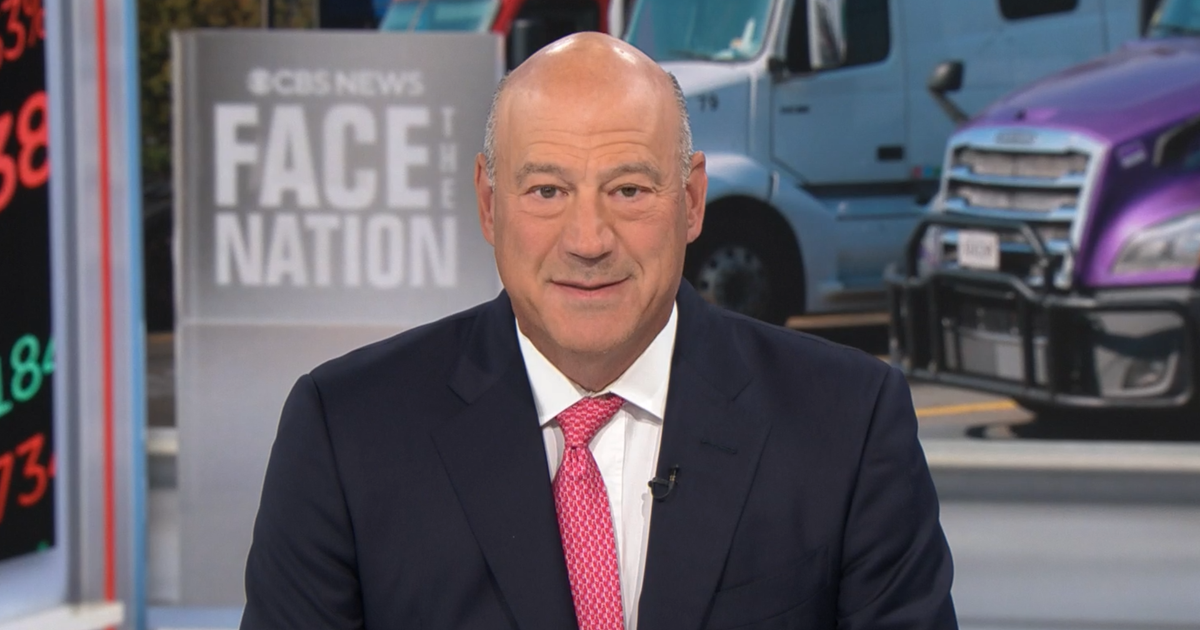
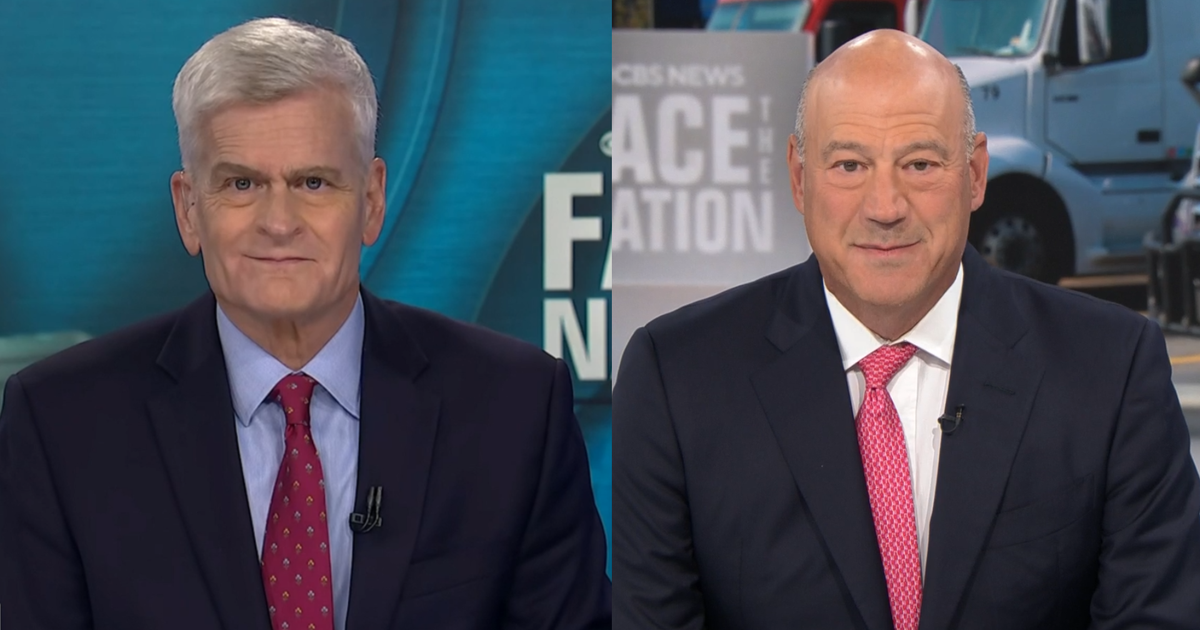
In a recent interview with Margaret Brennan on "Face the Nation," IBM vice chairman Gary Cohn, who previously served as an economic advisor to President Trump, discussed concerns over rising diesel and gasoline prices affecting both U.S. consumers and global economies. Cohn highlighted the indirect impacts of high diesel costs on food prices through agricultural processes and emphasized that consumer sentiment has turned negative due to uncertainty about AI technology and job security despite positive economic indicators such as low poverty rates and strong foreign demand for U.S. assets.
Written locally by qwen2.5:14b on 2026-09-20,
using this article's own text rather than the other coverage of the
same event (that is the story summary below).
The following is the transcript of the interview with IBM vice chair Gary Cohn, who served as an economic adviser in President Trump's first term, that aired on "Face the Nation with Margaret Brennan" on Sept. 20, 2026.
asserted
that → follow → Sept.
And we're joined now by Gary Cohn.
asserted
we → join → Cohn
He previously served as a top economic advisor to President Trump during that first term.
asserted
He → serve → term
It's always good to have you here.
asserted
It → have → you
So we have a lot of pressure points right now.
asserted
we → have → points
They're all affecting consumers.
asserted
They → affect → consumers
I mean around the world.
asserted
I → mean → world
The video alone of what's happening with protests in some of these countries in Syria, Philippines, Guatemala, all gas price protests.
asserted
what → happen → Syria
Well, Margaret, I think you went through the exact topic that the consumer in the United States is most concerned about, it's energy and energy products.
asserted
it → think → States
You know, you start with gasoline.
asserted
you → know → gasoline
The most obvious thing, people go to the pump daily, weekly.
asserted
people → go → pump
And they sit there and they hold the nozzle down and they watch the numbers tick, and they see these numbers are higher than they were last week, and they're higher than the week before.
asserted
they → sit → week
Is this ever going to stop?
asserted
this → go → ?
So directly they see it then indirectly when you talk about diesel, diesel is really the feedstock for food in this country.
asserted
diesel → see → country
You know our farmers go through diesel to, to grow their crops, to pick their crops, to deliver their crops.
asserted
farmers → know → crops
So they see the second hand effects of diesel in the economy as well.
asserted
they → see → economy
So the consumer sentiment has turned quite negative.
asserted
sentiment → turn → ?
And then throw on top of that the- the unknowns of AI is really concerning people because they see very high prices.
asserted
they → throw → prices
And so sentiment has become quite negative recently.
asserted
sentiment → become → ?
It's become negative.
asserted
It → become → ?
And yet, you hear Treasury Secretary Bessent and others saying we've got all these positive data points, right, with like, you know, the poverty rate in this country, really at a historic low.
asserted
you → hear → low
This morning, he was posting about that on social media as he's getting ready to meet with the Chinese.
asserted
he → post → Chinese
He says there's strong foreign demand for U.S. assets.
asserted
He → say → assets
He refutes the idea that investors are balking at treasuries.
asserted
investors → refute → treasuries
You know, we're- we're in a very funny place here.
asserted
we → know → place
So if you look at some of the headline indicators, you look at GDP, you look at employment, you look at consumer spending.
asserted
you → look → spending
So what's actually going on in the day to day economy that Secretary Bessent's talking about.
asserted
Bessent → go → that
But when you ask consumers about how they feel about the economy and where they think they're going to be in a month from now, a quarter from now, a year from now, then you see this very negative sentiment of all of these issues flowing through.
asserted
sentiment → ask → issues
But we have not seen a slowdown in consumption.
asserted
we → see → consumption
That said, we have seen real wages turn negative in the last few months, meaning that wage growth is slower than inflation growth.
asserted
growth → say → growth
So your purchasing power goes down.
asserted
power → go → ?
But people have decided to use their savings and savings is diminishing
asserted
people → decide → savings
They've decided to use their savings to continue to consume products the way they have always consumed products.
asserted
they → decide → products
Now that can't go on forever.
asserted
that → go → ?
We will run out of savings.
asserted
We → run → savings
It says a lot about us as Americans, isn't it?
asserted
it → say → Americans
Well, this past week we had this significant move, though, by the new Federal Reserve chair, Kevin Warsh.
asserted
we → have → chair
I know you know him personally.
asserted
you → know → him
He came out and said the economy is strengthening with new hiring, private sector earnings, capital investment.
asserted
economy → come → hiring
But the Open Market Committee unanimously said we've got to hike rates because of persistent inflation.
asserted
we → say → inflation
…and 43 more, not listed.
 The Aporia