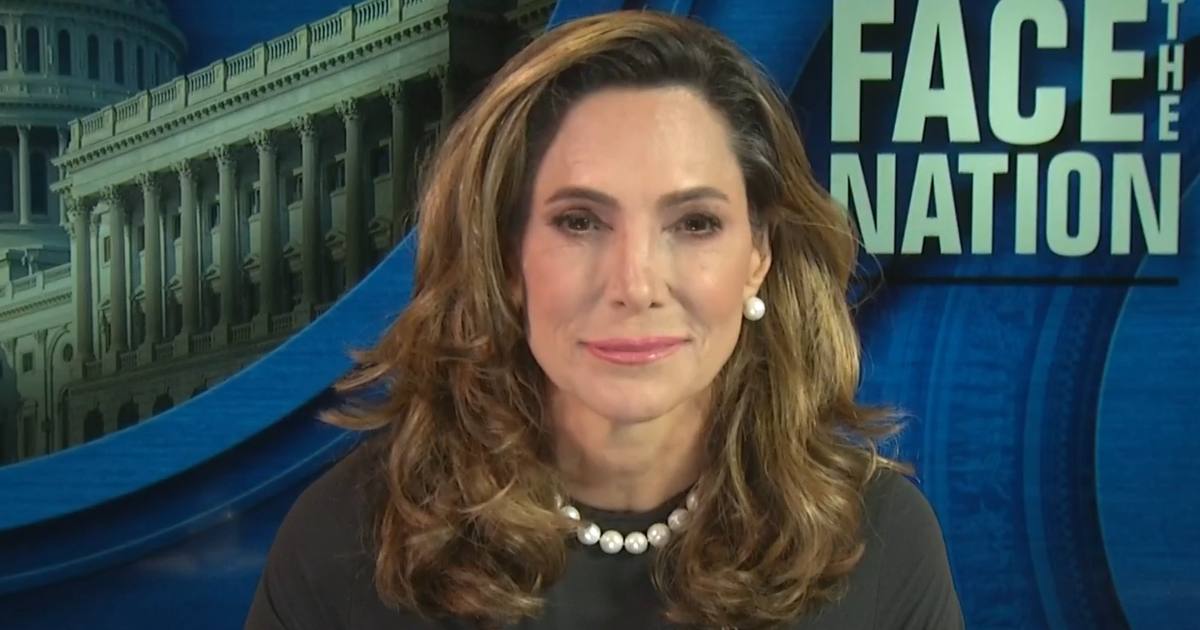
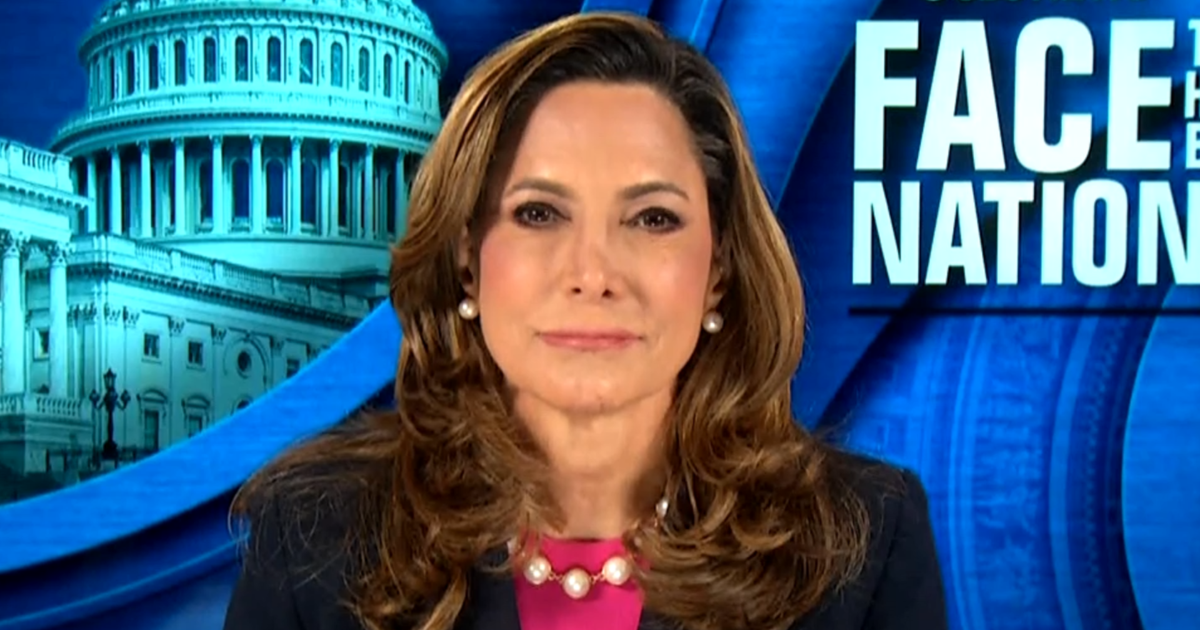
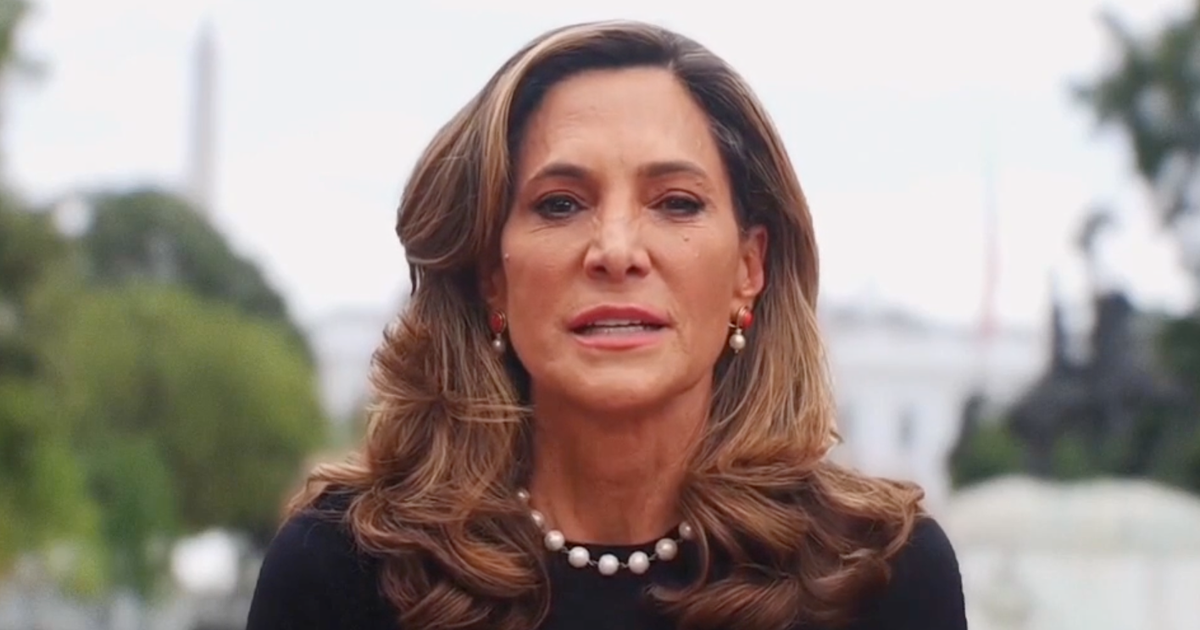
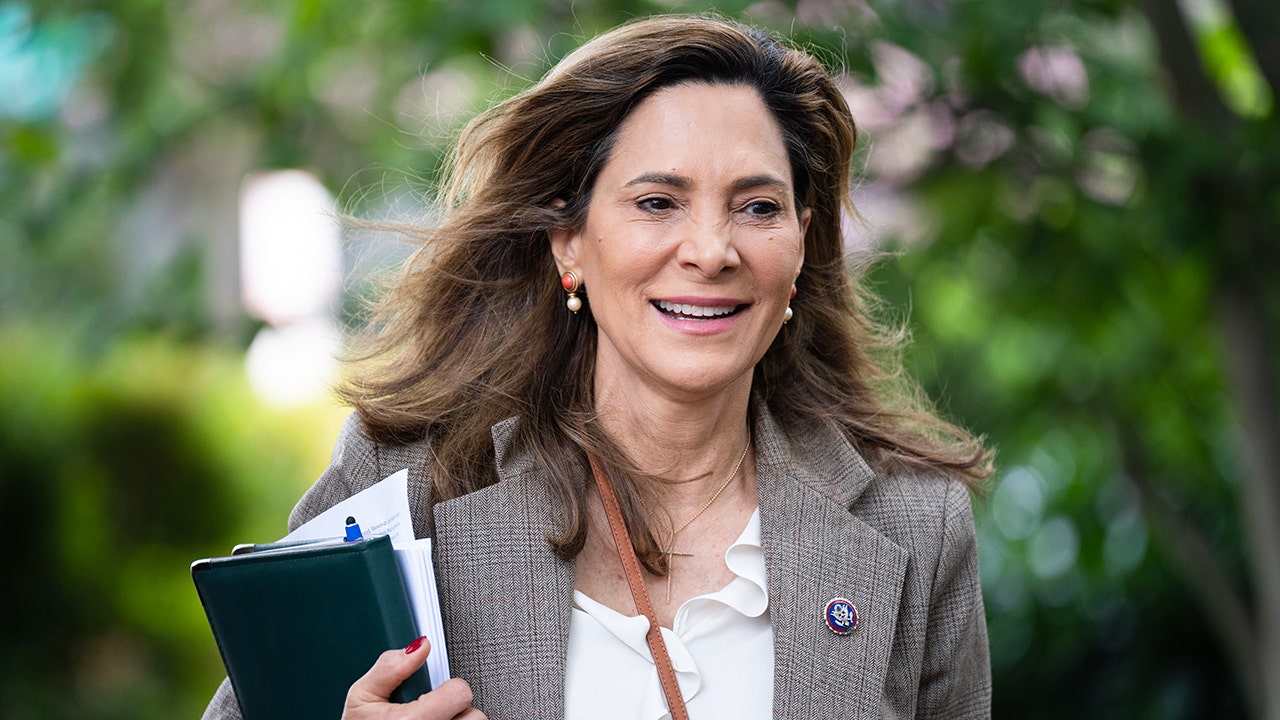
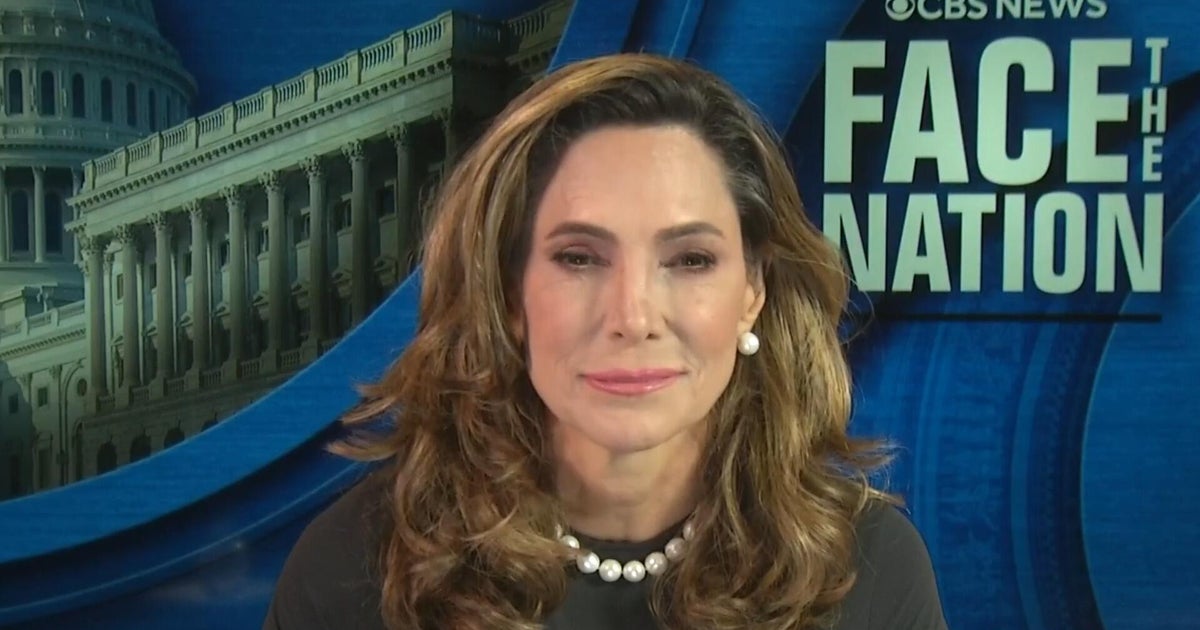
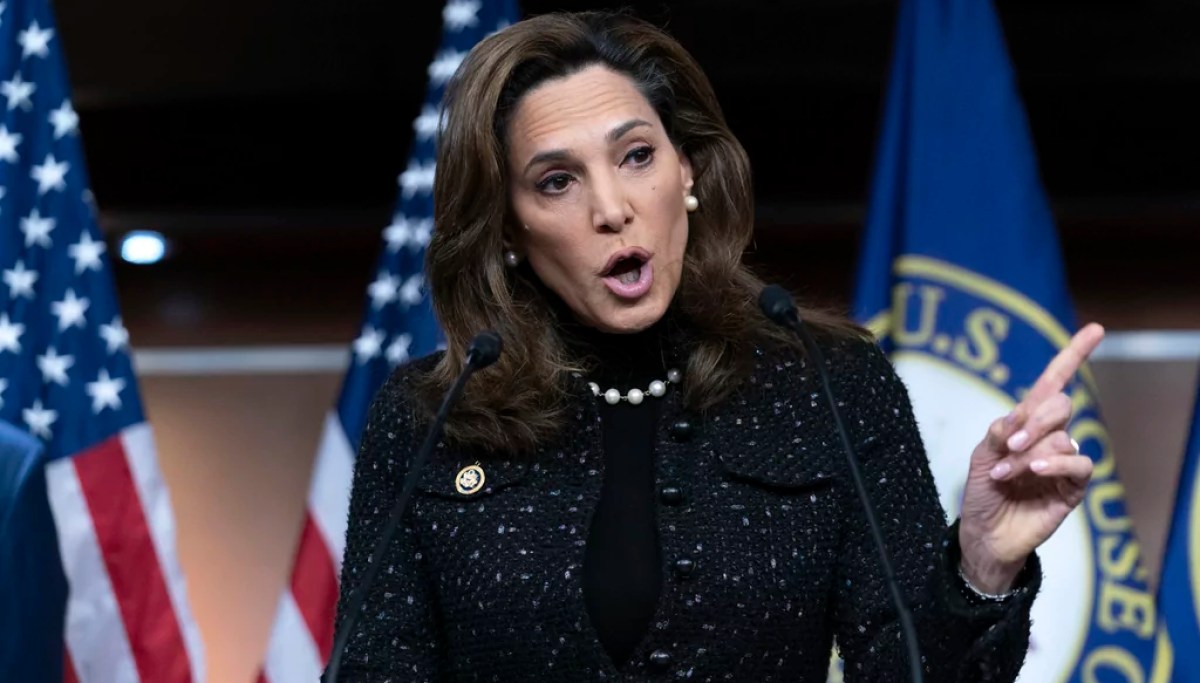
In an interview on "Face the Nation with Margaret Brennan" on September 20, 2026, Florida Republican Congresswoman Maria Elvira Salazar defended President Trump's decision to bar certain journalists from entering the White House due to their reporting. She argued that despite this action, the president remains accessible through other means and social media platforms. The congresswoman also discussed her criticism of the president’s immigration policies in a recent advertisement, noting that 50% of those detained in July had no criminal record, indicating growing concern among Hispanic voters who supported Trump previously.
Written locally by qwen2.5:14b on 2026-09-20,
using this article's own text rather than the other coverage of the
same event (that is the story summary below).
The following is the transcript of the interview with Rep. Maria Elvira Salazar, Republican of Florida, that aired on "Face the Nation with Margaret Brennan" on Sept. 20, 2026.
asserted
that → follow → Sept.
And we turn now to Florida Republican congresswoman María Elvira Salazar who joins us from Miami.
asserted
who → turn → Miami
I want to talk to--
REP. SALAZAR:
asserted
I → want → SALAZAR
We're glad to have you.
asserted
We → have → you
I want to talk to you about a number of issues but let me just start up front.
asserted
me → want → issues
Because you are a former journalist, I'm sure you saw yesterday journalists from CNN, Politico, and MS NOW were blocked from entering the White House after the president objected to the content of their organization's reporting.
asserted
president → see → reporting
Do you agree with the president's order to do that?
asserted
you → agree → that
Well, I think that the president has a different type of style, but at the same time, I think that he is the most accessible president in the later years that has been- that has been talking to the media.
asserted
that → think → media
You know, he talks to everybody.
asserted
he → know → everybody
So, he may not be allowing for some journalists to go into one place, but I'm sure that he's going- he's going be talking to everybody at some point.
uncertain
he → allow → point
No, I- I understand that point, but when it comes to saying you can't attend press briefings because I don't like what you said, doesn't that premise violate the spirit of the First Amendment?
asserted
premise → understand → Amendment
Well, I think that he has his own style, and that he will determine who he wants to talk to.
asserted
he → think → who
But with social media, and with all the different outlets out there for people to receive information, I am sure that those journalists are going to be able to cover the president the way that you- free speech, the way you determine.
asserted
you → receive → president
Because you know, you- the media--
MARGARET BRENNAN: Yeah.
asserted
you → know → ?
REP. SALAZAR: --has a way of- of showing up right now, and you know that the American school of journalism is not so vigorous as it was during the time that we started this career.
asserted
we → show → career
So, I have my- my different opinions as to what's happening on television--
MARGARET BRENNAN: Well, I- I don't--
REP. SALAZAR: --and the coverage of this presidency.
MARGARET BRENNAN:
asserted
I → have → BRENNAN
Well, I understand your views, but I don't think proximity is going to stop these journalists from doing their jobs.
asserted
proximity → understand → jobs
Let me ask you about something you put out there this week.
asserted
you → let → something
You have been speaking for months about your concerns regarding President Trump's immigration policies, but in this ad you put out, you're more direct.
asserted
you → speak → ad
You said, "The same Hispanics who helped Trump get to the White House in 2024, feel betrayed.
asserted
Trump → say → 2024
His enforcement efforts have gone too far, and half of the 50,000 people detained in July had no criminal record."
asserted
half → go → record
You spoke to the president after this.
asserted
You → speak → this
Did he take any of your--
REP.
asserted
he → take → your--
Yes I did.
asserted
I → do → ?
MARGARET BRENNAN: Did he take any of your advice?
asserted
he → take → advice
He was a gentleman, very courteous, very receptive, and I told him exactly what you just repeated.
asserted
you → tell → what
"Sir, you have this- this moment in history where you can keep the pot of gold that you brought to the GOP in 2024."
asserted
you → have → 2024
No other president- and you know I covered for 35 years Spanish television.
asserted
I → know → television
"No other president was able to convince the- the Hispanics to vote 55 points for a GOP president.
asserted
president → convince → president
Please preserve that fortune that you have brought to the party."
asserted
you → preserve → party
Because we need to continue winning elections because we have this very big threat called the socialists on the Democratic side, and if you want me, we can talk about that later.
asserted
we → need → that
I belong to the Miami community, I'm the daughter of political refugees, I'm first generation American, and I want to preserve the American values that are entrenched in the GOP--
MARGARET BRENNAN: Yeah.
REP.
asserted
that → belong → GOP--
--and that the Hispanics share.
asserted
Hispanics → share → that
"So remember, sir, that you are the only guy who can do this."
asserted
who → remember → this
And that- and then we had a fantastic conversation.
asserted
we → have → conversation
I certainly hope he listened to what I was saying, but he listened.
asserted
he → hope → what
But he seems to have a different definition of criminality than- than you do, right?
asserted
you → seem → criminality
Because the administration argues anyone who entered this country undocumented should be deported.
asserted
who → argue → country
You're saying no.
asserted
You → say → ?
Well and- and- and- and well, you know, and you know very well, immigration is a very toxic topic.
asserted
immigration → know → ?
…and 44 more, not listed.
 The Aporia