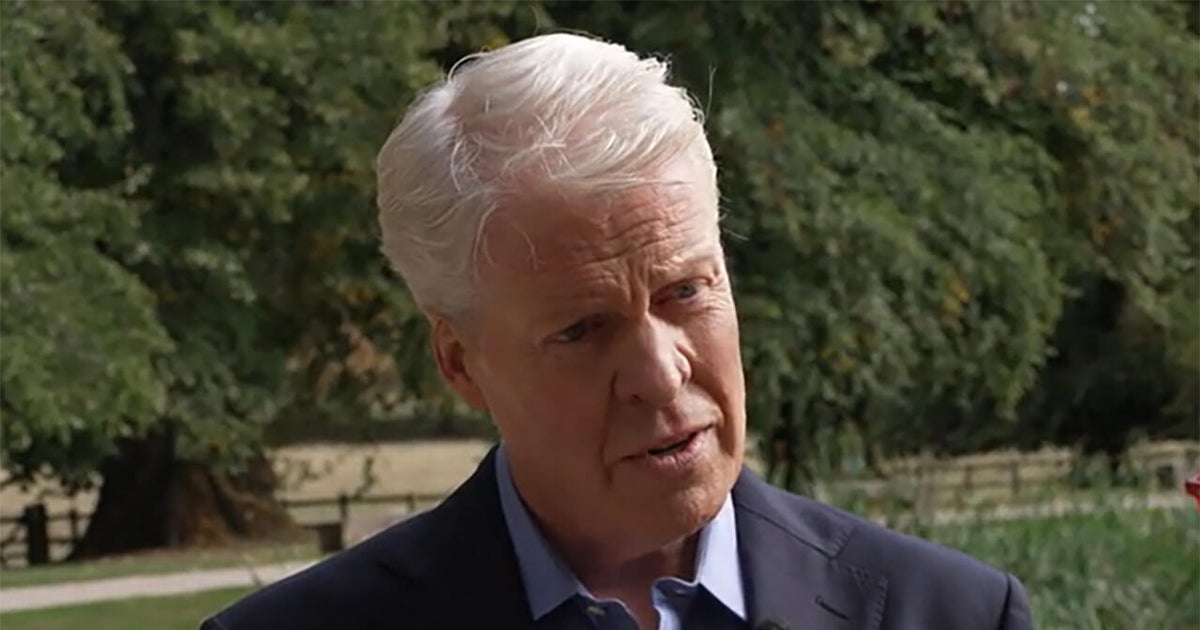
Charles Spencer, brother of Princess Diana, is releasing his new book "Swan Song: Diana, My Sister," which revisits the controversy surrounding her life nearly three decades after her death. In an interview promoting the book, Spencer recounts a conversation with his sister's ex-husband, King Charles, who allegedly said they would forget about Diana soon enough shortly after her death in 1997. The article explores how Diana's story continues to captivate public interest despite extensive coverage and examines Spencer's perspective on the criticism she faced during her lifetime from what he calls "the men in gray suits" within the British establishment.
Written locally by qwen2.5:14b on 2026-09-20,
using this article's own text rather than the other coverage of the
same event (that is the story summary below).
Story summary
Experts suggest that Earl Spencer felt a duty to write his memoir about Diana's life. In the book, he makes explosive claims against King Charles, alleging that shortly after Princess Diana’s death in 1997, then-Prince Charles said "we’ll forget her soon enough." This prompted Buckingham Palace to issue a statement saying His Majesty is mindful that fraternal grief can cloud judgment and reason.
Spencer accused the king of gaslighting him when the palace responded by questioning his recollections. He called the palace's defense a "rather poor imitation" of how Queen Elizabeth II handled similar allegations from Prince Harry in their Oprah interview.
The book also includes details about an alleged row over Diana’s funeral arrangements where King Charles reportedly went ballistic, criticizing Spencer's family for not fulfilling their duties adequately enough. Buckingham Palace did not comment on the specifics of these claims but suggested that grief could affect memory accuracy over time.
Earl Spencer told BBC he wanted to put down truths before it was too late due to his awareness of mortality. He added that there are other facts about King Charles he chose not to include in the book, deeming them irrelevant.
Written for “Diana Controversies Royal Family” on 2026-10-05,
grounded in this article and the 92 other(s) covering the same event.
Charles Spencer is testing one of the lingering questions of our time: can the world ever get enough of his sister, Diana, Princess of Wales?
asserted
world → test → Wales
It turns out the controversy surrounding her life has not faded nearly 30 years after her tragic death.
asserted
controversy → turn → death
In fact, Spencer's new book, "Swan Song: Diana, My Sister" (to be published Tuesday by Penguin Press), has pulled the scabs off some old wounds, especially when he recounts an unsettling conversion he says he had with Diana's ex-husband – now King Charles – shortly after she died: "He said about Diana, 'We'll forget her soon enough.'
asserted
We → publish → her
And he said it, I can't really recreate it, but it was said with a bit of a hiss, to be honest.
asserted
it → say → hiss
And I said, 'I can't believe you said that.'
asserted
you → say → that
You'd have to have been living under a rock not to know Diana's story … the daughter of one of England's grand aristocratic dynasties, chosen at just 19 to be the bride of the then-Prince Charles.
asserted
You → have → Charles
Their seeming fairy-tale wedding, which turned into a rocky marriage, that ended in a bitter divorce.
asserted
that → turn → divorce
But why do a new book about such a well-known story?
asserted
book → know → story
"With the 30th anniversary of her death coming up next year, I was getting inundated with requests to be in somebody else's book or documentary," Spencer said.
asserted
Spencer → come → book
"And it suddenly occurred to me, well, if you're all so interested in hearing from me, I might just give you the definitive story.
uncertain
I → occur → story
Diana has always divided opinion.
asserted
Diana → divide → opinion
She was the modern breath of fresh air who blew the cobwebs out of the fusty royals – or she was the upstart whose popularity threatened the old ways and undermined an institution that had done very nicely, thank you, by maintaining its aloofness and its mystery.
asserted
that → blow → aloofness
Asked what he believes people have gotten wrong about Diana, Spencer replied, "I think people who picked at her and found fault with her did so without a true appreciation of the unique force that she was.
asserted
she → ask → force
"I think a lot of people in the British establishment didn't know what to do with this totally rogue but brilliant force," Spencer said.
asserted
Spencer → think → force
"And there were a lot of attempts during her time on the public stage where they tried to suppress her.
asserted
they → be → her
Diana would call them the 'men in gray suits' – people working for the royal family in particular."
asserted
Diana → call → family
His family has not endured near the top of the British aristocratic food chain by being critical of the royal household, but Diana's story has changed that.
asserted
story → endure → that
Speaking at Althorp, his family's estate, Spencer said, "We're sitting in a house here, surrounded by portraits of my ancestors, all of whom served the crown very loyally.
asserted
all → speak → crown
And there was probably a thought when Diana was plucked to become a royal bride that she would fit into the mold of the past, and she didn't.
asserted
she → be → past
And so, I don't know about malice, but I do know about jealousy.
asserted
I → know → jealousy
"She said it was very difficult, even from her first royal tour overseas, which was to Australia, how if she was on one side of the street with the public and [Charles] was on the other, the crowd on his side of the street were less thrilled, and that this was very difficult for him," Spencer said.
asserted
Spencer → say → him
And, of course, Charles' continuing connection during the marriage to his old flame, now Queen Camilla, didn't help.
asserted
connection → continue → flame
King Charles does not come off well in this book.
asserted
Charles → come → book
So badly, in fact that the palace has responded, saying Spencer's recollections may be the result of "fraternal grief that can cloud reason, affect judgement and colour memory."
uncertain
that → respond → memory
"He sounded excited in a sort of upbeat way," Spencer recalled.
asserted
Spencer → sound → way
"And obviously I'm not justifying or criticizing, I'm reporting that's the fact."
asserted
that → justify → ?
Spencer has suggested that Charles may have felt "upbeat" because he finally felt free to pursue Camilla.
uncertain
he → suggest → Camilla
"I said that that might've been it, yeah.
uncertain
that → say → ?
But that's obviously, I can't say what he was thinking, but I'm trying to think why would somebody feel giddy at that time."
asserted
somebody → say → time
"I stand before you today the representative of a family in grief"
asserted
I → stand → grief
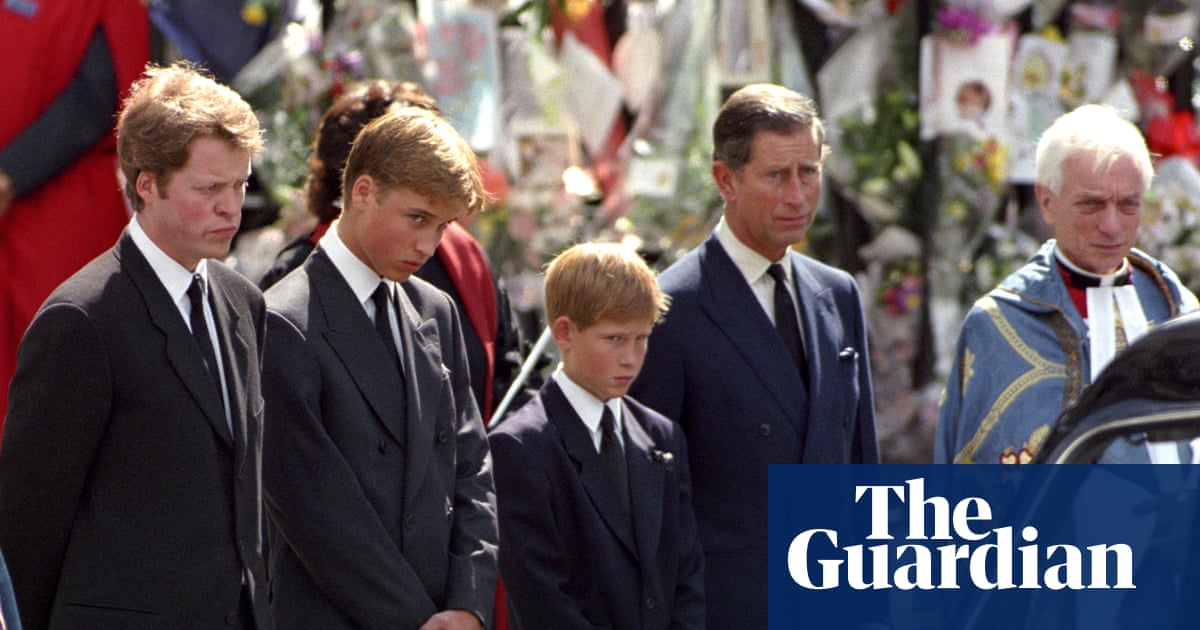
In his eulogy at Diana's funeral in September 1997, Spencer cast himself as protector of her legacy, and of her children, particularly after they were made to walk behind their mother's coffin.
asserted
they → cast → coffin
"I thought it was such an absurd idea that I just thought, well, that won't happen," he said.
asserted
he → think → ?
Because he felt it would be too hard on the boys?
asserted
it → feel → boys
"That, and I thought it was barbaric," he replied.
asserted
it → think → ?
Spencer said he believes the idea of having them follow their mother's coffin through the streets of London was to protect Charles from the crowd's reaction.
asserted
them → say → reaction
"That's what I heard from politicians who were involved at the time, yes," he said.
asserted
he → hear → time
"There was a concern that if he walked alone behind Diana's coffin, that he would be insulted by people in the crowd.
asserted
he → be → crowd
And that that couldn't possibly happen if the boys walked behind.
uncertain
boys → happen → ?
I was told they wanted to do it.
asserted
they → tell → it
And I was, I believe I was lied to."
asserted
I → believe → ?
…and 8 more, not listed.
 The Aporia