That is 0 articles you have read today.
The Aporia is free and carries no advertising, so readers are the only
thing paying for it. If you are getting this much out of it, a small
donation is what keeps it independent.
Daily limit reached
You have read 0 articles today.
That is more than the 15 a day The Aporia gives away,
and well past what it can carry on nothing. Your allowance resets at
midnight.
There is no advertising here and nothing about you is sold, so readers
are the only thing paying for it. If the site is worth this much of
your day, it is worth a few dollars.
Everything else stays open: the
maps, the
directory and
search do
not count against this, and neither does re-opening something you have
already read today.
Earl Spencer, brother of Princess Diana, claims in his upcoming memoir that King Charles sounded “giddily elated” when he called after Diana's death in 1997. Buckingham Palace dismissed these allegations, stating that grief can distort memory and judgment over time. The book also revisits the royal couple’s troubled marriage and suggests Diana may have had ADHD with Rejection Sensitive Dysphoria, but provides no new evidence beyond Spencer’s personal recollections.
Written locally by qwen2.5:14b on 2026-09-18,
using this article's own text rather than the other coverage of the
same event (that is the story summary below).
Story summary
Charles Spencer, brother of Princess Diana, claims in his upcoming memoir, "Swan Song: Diana, My Sister," that then-Prince Charles sounded “giddily elated” and like a lottery winner when he called to inform him about Princess Diana's fatal car crash in 1997. In the book excerpt published by The Daily Mail, Spencer describes how unlike other callers who were stunned and speechless, Prince Charles was oddly upbeat during their conversation.
Spencer further states that Charles informed him early the next morning that he had told their sons, Prince William and Prince Harry, about Diana’s death in their bedrooms at Balmoral. He speculates this could have been because Charles felt freed to pursue a relationship with now-Queen Camilla, whom he later married.
In response to these claims, Buckingham Palace issued a rare statement acknowledging that grief can cloud reason, judgment, and memory, but did not directly address Spencer's specific allegations. The book is set to be released next week, continuing the ongoing debate over Diana’s legacy and Charles’s actions during those tumultuous days in 1997.
Written for “Charles Elated After Diana's Death” on 2026-10-05,
grounded in this article and the 19 other(s) covering the same event.
- Published
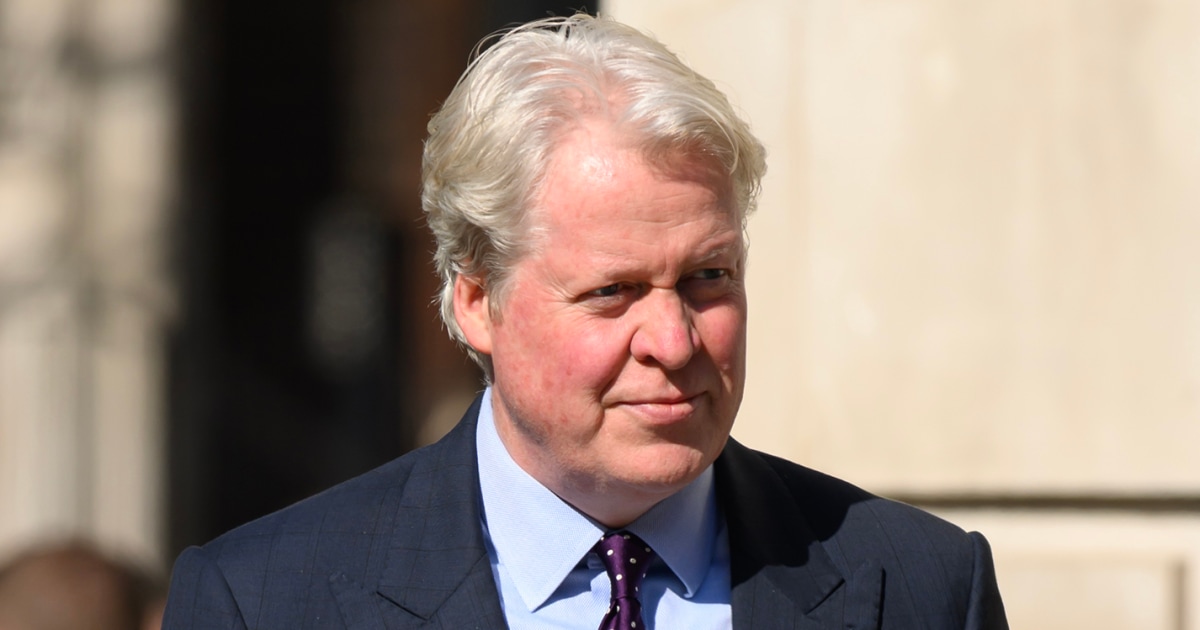
Earl Spencer, brother of Diana, Princess of Wales, has claimed King Charles "sounded giddily elated" when he called him after her death in 1997.
asserted
he → publish → 1997
In a controversial book about Diana, he alleged the then-Prince Charles sounded like a "lottery winner" after the news.
asserted
Charles → allege → news
Buckingham Palace strongly pushed back on Wednesday against the credibility of the book, after an initial extract claimed Charles had said of Diana: "We'll forget her soon enough."
asserted
We → push → her
A spokesperson said: "While we do not comment on books as a matter of principle, His Majesty is mindful that the pain of fraternal grief can cloud reason, affect judgment and colour memory in ways others do not recognise, even many years after such a loss."
asserted
others → say → loss
The latest claims are once again highly personal in their attacks on King Charles and the royals, interpreting their motives in a very harsh light.
uncertain
claims → interpret → light
What remains to be seen is how the public might respond to the allegations, whether they might support this book as a new and different Spencer perspective, or whether they might feel it to be inappropriate to be sharing such private disputes.
uncertain
it → remain → disputes
Representatives of Prince Harry have said they do not want to comment on the book and Buckingham Palace has pointed back to its response from Wednesday, when it rejected the account of Prince Charles in the wake of Diana's death in Paris.
asserted
it → say → Paris
In excerpts from Earl Spencer's memoir published in the Daily Mail, external, he recounts being alerted to the car crash on 31 August, 1997, by a phone call from his sister Jane in the middle of the night at his home in Cape Town, South Africa.
asserted
he → publish → Town
During the calls that followed, which confirmed the death, the then-Prince Charles telephoned him, he writes.
asserted
he → follow → him
The book alleges: "Unlike my other callers, who were stunned, barely able to articulate their condolences and offers of help, he sounded giddily elated - like a lottery winner, I remember thinking at the time."
asserted
I → allege → time
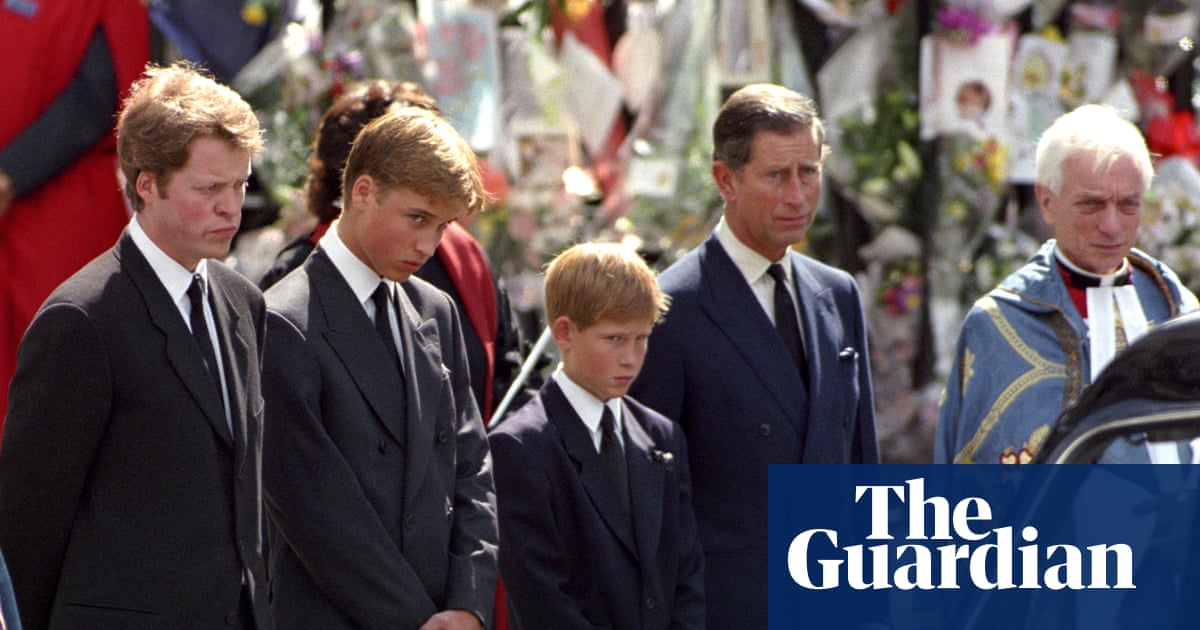
According to Earl Spencer, Charles informed him he had told Princes William and Harry of their mother's death first thing that morning, in their bedrooms at Balmoral.
uncertain
he → accord → Balmoral
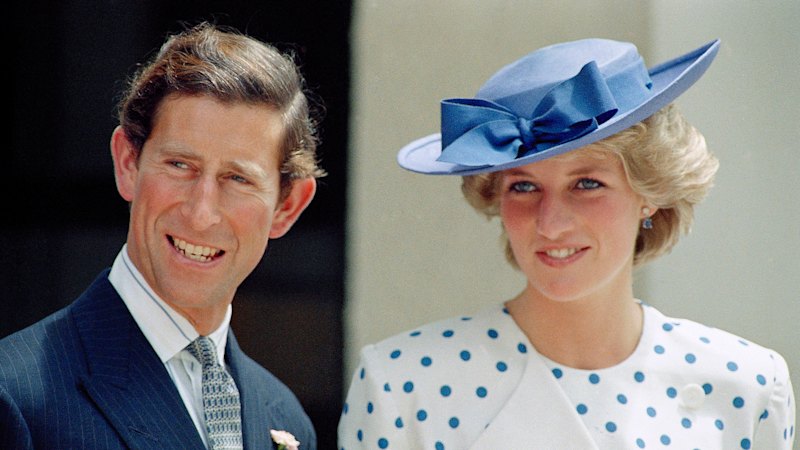
The royal couple had divorced in August 1996.
Swan Song: Diana, My Sister is due to be published next week.
asserted
Song → divorce → August
BBC News has not seen the book in full.
asserted
News → see → full
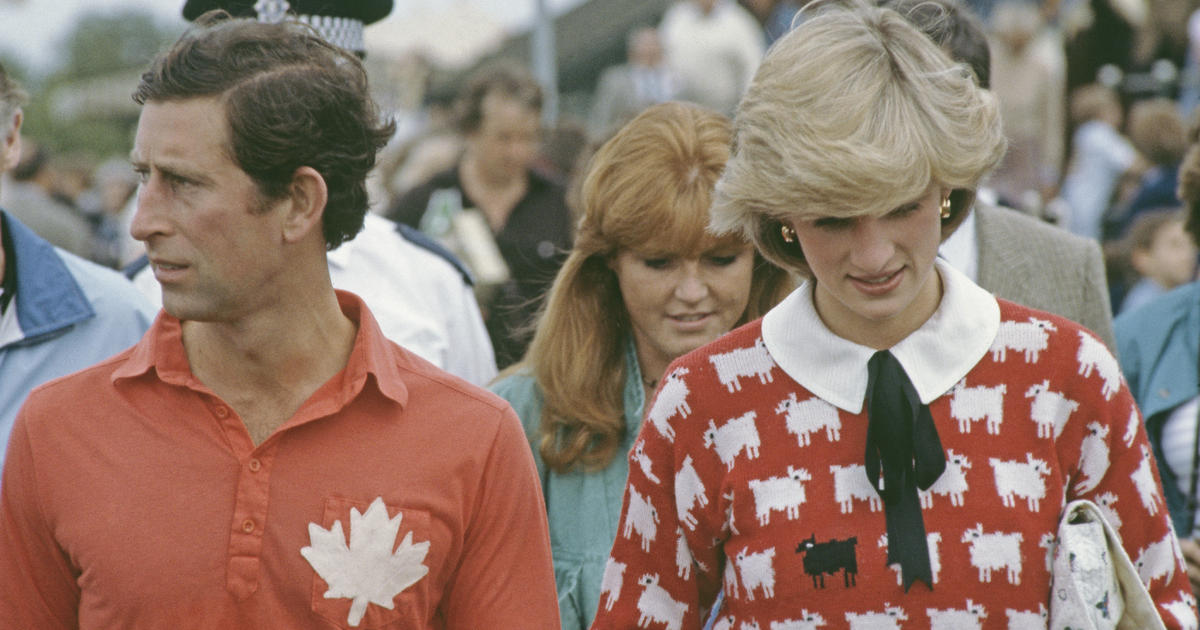
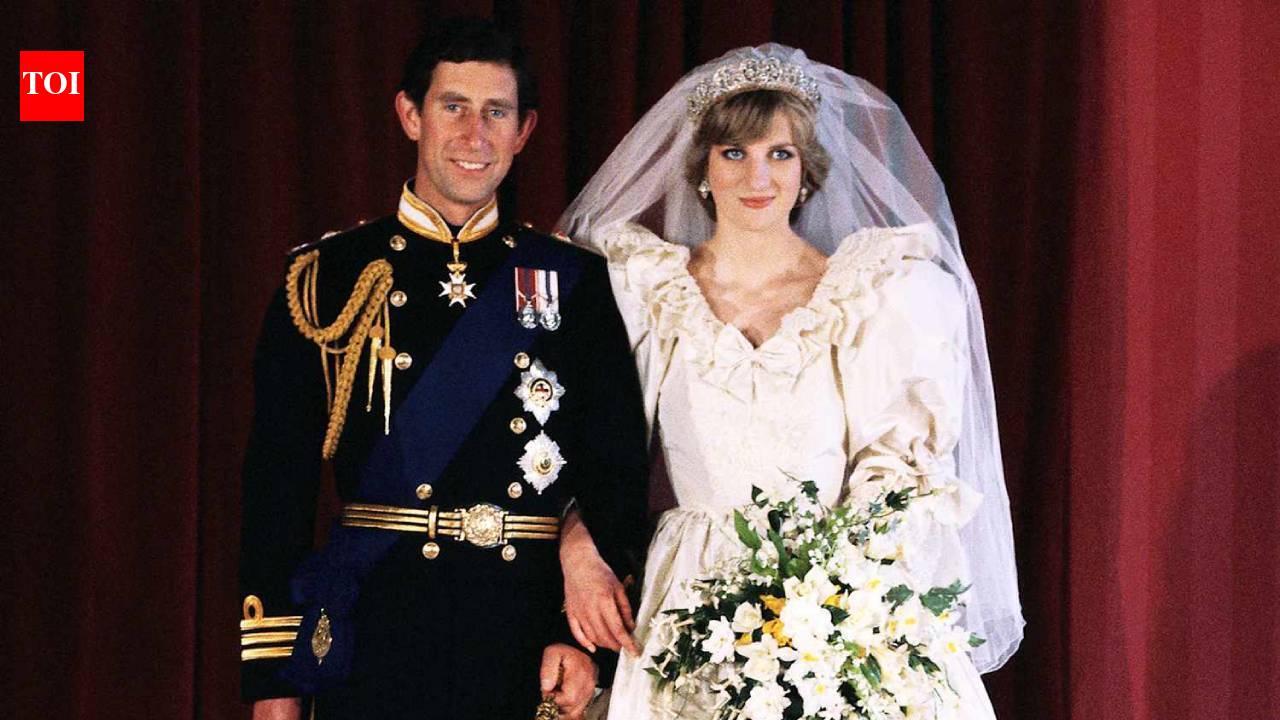
In the memoir, Earl Spencer writes of his sister's troubled marriage - claiming a friend of Diana's had told him that on the eve of their wedding in July 1981, Prince Charles had told her he was "very happy to marry her, but… not actually in love with her".
asserted
he → write → her
Things became "very difficult indeed" in the marriage early on, Earl Spencer writes, adding that he is "sure that both spouses despaired of the other at times".
asserted
spouses → become → times
He now believes his sister had attention deficit hyperactivity disorder, external (ADHD), and as part of her condition suffered from Rejection Sensitive Dysphoria - describing the latter as an "intense emotional pain in the face of others' rejection or criticism".
asserted
sister → believe → rejection
In her later years, he writes, Princess Diana considered taking her own life on more than one occasion but love for her sons "stopped her from going further".
asserted
love → write → her
 The Aporia