Story summary
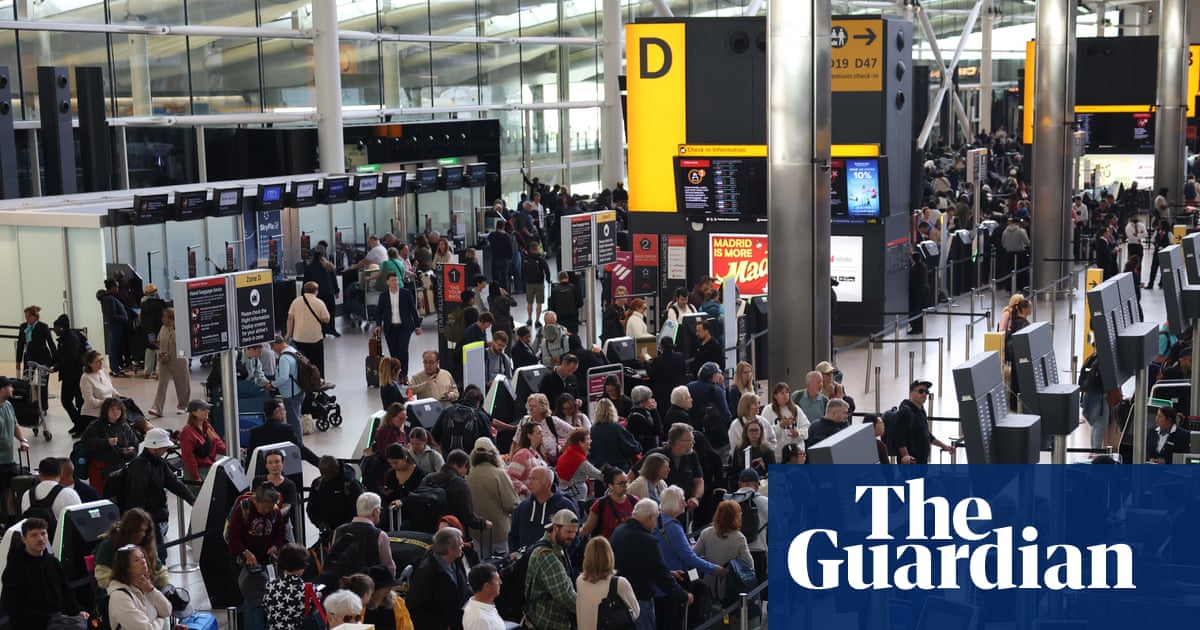
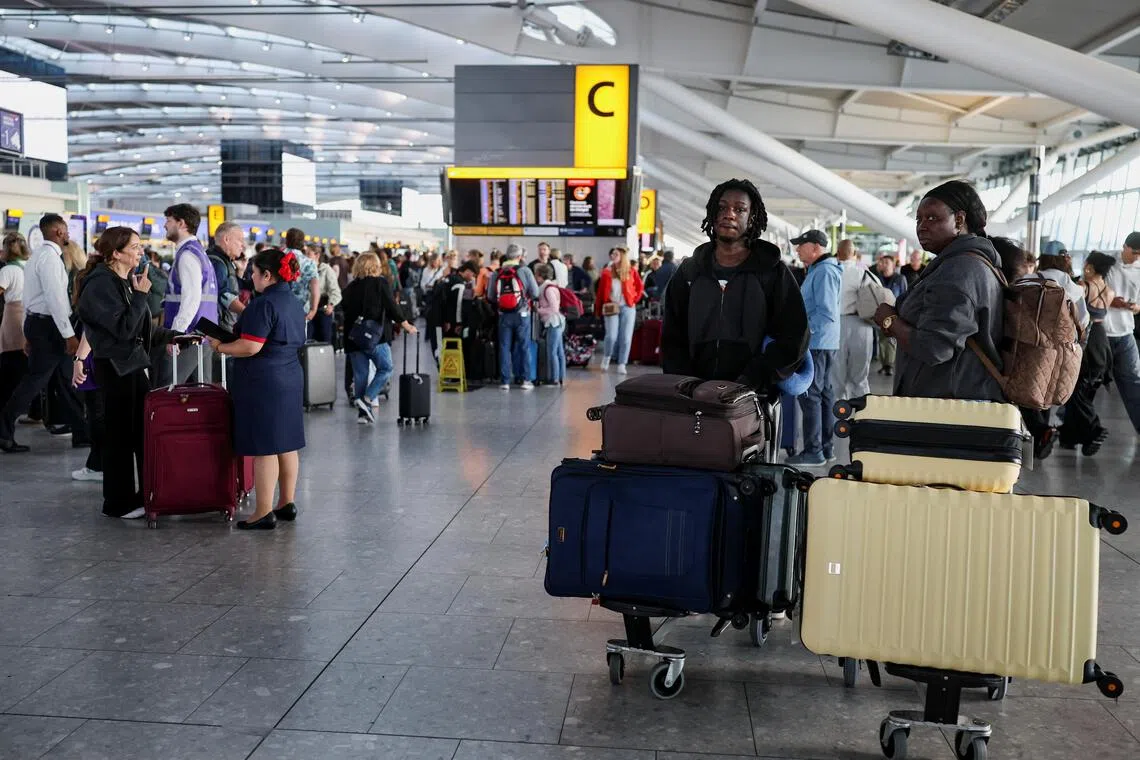
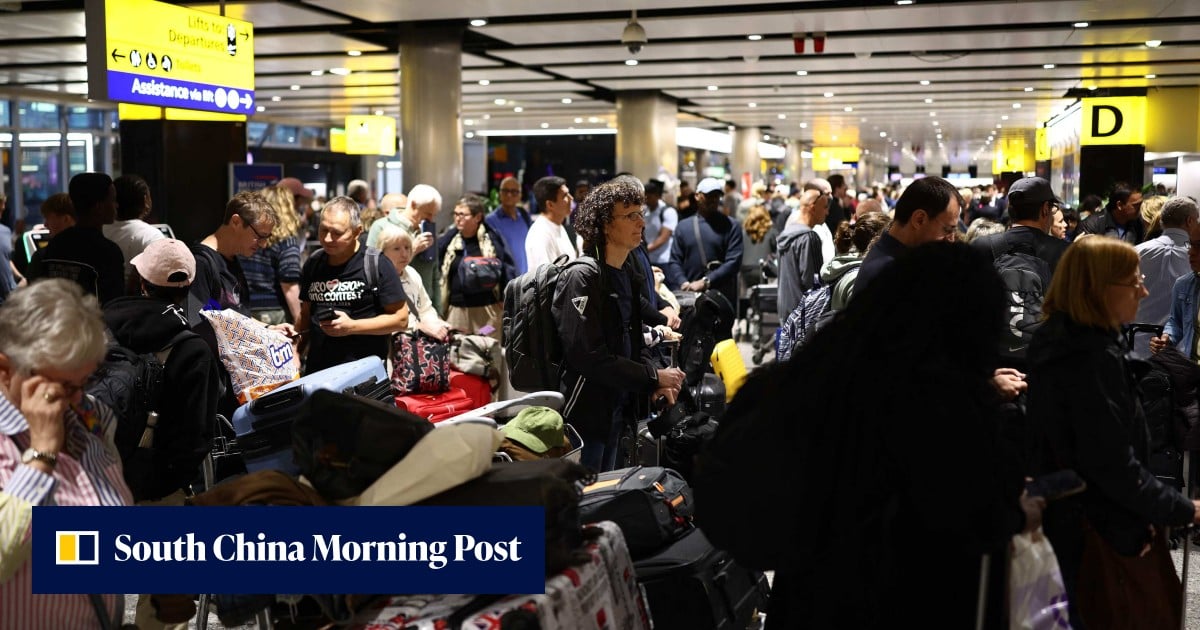
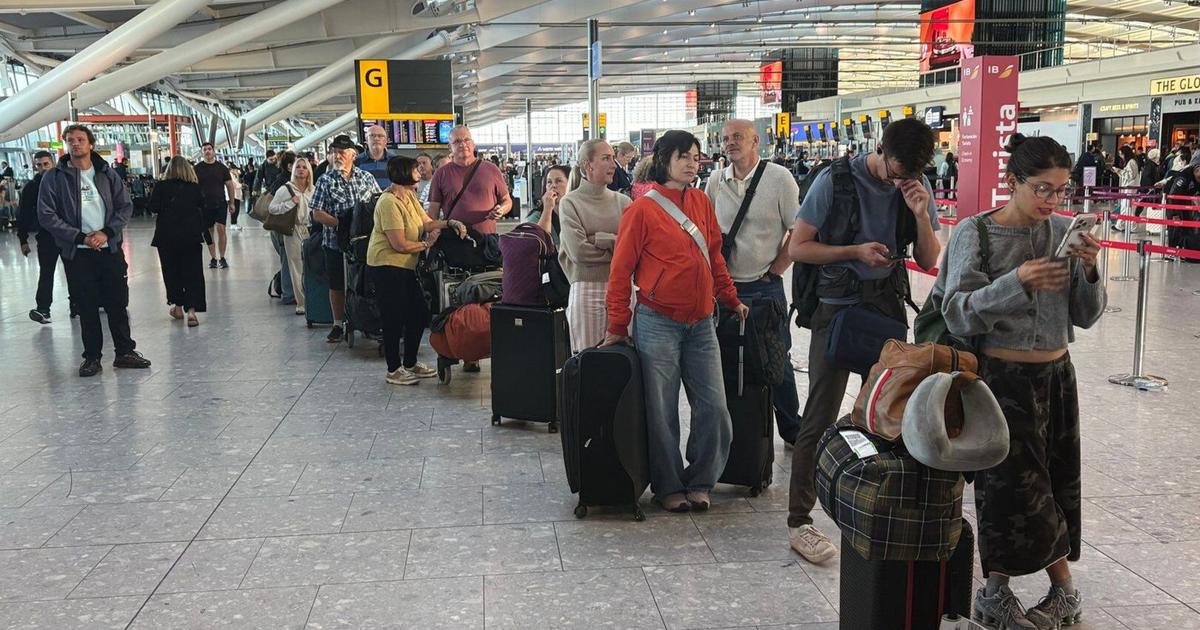
On September 8, a software defect caused widespread air traffic control chaos across the UK, leading to over 2,000 flight cancellations and affecting hundreds of thousands of passengers. The incident was traced back to a small section of coding in the National Airspace System that allocates identification codes for aircraft on radar, which malfunctioned when two requests were processed simultaneously. This issue disrupted flights at major airports like Heathrow and Gatwick, with some travelers left stranded or forced to cancel their trips.
Catie and Phil Allen, for instance, had a holiday in Slovenia canceled after their flight from Luton Airport was grounded; despite receiving a refund from British Airways, they estimate losing over £1,300 due to unused accommodation and excursions. The UK government has ordered an independent review by the Civil Aviation Authority (CAA) to investigate NATS' findings and enhance future resilience against such failures.
Written for “Air Traffic Control Software Glitch” on 2026-10-05,
grounded in this article and the 11 other(s) covering the same event.
An air traffic control issue which led to more than 2,000 flights being cancelled was caused by a software defect and not by “any incorrect actions”, an investigation has found.
asserted
investigation → lead → actions
A preliminary report into the incident on September 8 was published by the National Air Traffic Services (Nats) on Friday, who said it was the result of a fault in the software that allocates codes to individual aircraft.
asserted
that → publish → aircraft
The fault, which happened in “the space of a millisecond”, caused flights both in and out of the UK to be axed, impacting on hundreds of thousands of passengers with disruption continuing into the following day.
asserted
disruption → happen → day
The software which experienced issues usually automatically allocates codes, which are used to identify individual aircraft on radar while they are airborne.
asserted
they → experience → radar
Nats said the problem had occurred “in the space of a millisecond”.
asserted
problem → say → millisecond
“I can also confirm that it was a software issue and not caused by any incorrect actions by either military or civil operators,” he said.
asserted
he → confirm → operators
Mr Rolfe apologised again to travellers who were affected by the incident, as well for the “challenges it presented to the wider aviation system.”
asserted
it → apologise → system
The report read: “Air traffic controllers in the LAC (London Area Control) centre had lost access to some live flight data because of a technical issue within the National Airspace System (NAS) and had invoked practised fallback procedures.
asserted
controllers → read → procedures
“This included co-ordinating the handover of aircraft between neighbouring national and international air traffic control units manually, a task that usually happens automatically.
asserted
that → include → units
“As this increased controller workload, the number of aircraft permitted to fly in the airspace was reduced to maintain safety margins.”
asserted
number → increase → margins
Read More
She said: “I have now received Nats’ report and, while I am pleased to see that the safety of passengers was protected, it’s clear we need to urgently understand why this issue was not discovered and fixed before it caused chaos.
asserted
it → read → chaos
“I have therefore tasked the CAA (Civil Aviation Authority) with conducting an independent review to check Nats’ findings and investigate their investment plans to enhance resilience in the future, along with regulatory accountability.
asserted
I → task → accountability
“It is crucial that our national infrastructure is fit for the future, and this government will make sure the aviation sector is as resilient as possible, so passengers can get to where they need to be.”
asserted
they → make → future
Ms Alexander previously told MPs that she did not believe the air traffic control issue was “unavoidable”.
asserted
issue → tell → MPs
Nats reiterated in its report that there was no evidence at this stage that the incident was caused by “a malicious actor or cyber-related activity.”
asserted
incident → reiterate → actor
The CAA previously said passengers were “unlikely to be entitled to compensation for delays or cancellations that were directly caused by the incident”.
asserted
that → say → incident
The aviation regulator’s review is due to be published within six months, while Nats said its own full report will be completed within 60 days.
asserted
report → publish → days
Tim Alderslade, chief executive of industry body Airlines UK, said of Friday’s report: “Passengers don’t need more hollow apologies or empty promises that lessons will be learned.
“
asserted
lessons → say → apologies
They deserve commitment and proof that the system is being fixed and so the CAA’s review must mandate real investment in Nats’ resilience, so a single fault can never again descend into nationwide disruption.
asserted
fault → deserve → disruption
“Airlines UK is writing to Nats to demand immediate compensation for the costs incurred and a credible plan to improve resilience.”
asserted
UK → write → resilience
EasyJet chief executive Kenton Jarvis said: “Repeated failures from Nats have caused unacceptable disruption for our customers leaving airlines, who worked tirelessly to support their customers, to serve as insurer of last resort yet again.
asserted
who → say → resort
“Passengers deserve more than just another promise that lessons will be learned.
asserted
lessons → deserve → promise
“Firm actions must be taken to ensure the UK’s air traffic control systems are modernised and reliable, and there must be a fair solution to ensure that airlines are not left to pick up the bill for Nats failures.”
asserted
airlines → take → failures
Ryanair’s chief operations officer Neal McMahon repeated his call for Mr Rolfe’s resignation on Friday.
asserted
officer → repeat → Friday
He said: “The ‘software ate my homework’ is not an acceptable explanation for the hundreds of thousands of passengers whose flights were cancelled and/or inordinately delayed on 8th Sept last.”
asserted
flights → say → Sept
Last July, a “radar-related issue” caused an air traffic control failure which disrupted thousands of passengers and forced the cancellation of more than 160 flights.
asserted
which → relate → flights
In August 2023, more than 700,000 passengers suffered disruption when flights were grounded at UK airports when Nats experienced a technical glitch while processing a flight plan.
asserted
Nats → suffer → plan
An inquiry into the 2023 meltdown, which occurred on a bank holiday, found resolving the air traffic control issue was made more difficult because of delays in verifying the password of an engineer allowed to work remotely.
asserted
resolving → occur → engineer
 The Aporia