That is 0 articles you have read today.
The Aporia is free and carries no advertising, so readers are the only
thing paying for it. If you are getting this much out of it, a small
donation is what keeps it independent.
Daily limit reached
You have read 0 articles today.
That is more than the 15 a day The Aporia gives away,
and well past what it can carry on nothing. Your allowance resets at
midnight.
There is no advertising here and nothing about you is sold, so readers
are the only thing paying for it. If the site is worth this much of
your day, it is worth a few dollars.
Everything else stays open: the
maps, the
directory and
search do
not count against this, and neither does re-opening something you have
already read today.
The Guardian
· collected 2026-09-18 · by Gwyn Topham Transport correspondent
A software defect in the UK’s air traffic control system led to a six-hour outage on September 8, disrupting flights across the country and affecting hundreds of thousands of passengers. The error occurred within a millisecond when processing aircraft codes got paused and resumed incorrectly, corrupting flight data. Transport Secretary Heidi Alexander called for an urgent investigation into why this issue wasn’t detected earlier, while National Air Traffic Services CEO Martin Rolfe apologized and assured that safety was not compromised during the incident.
Written locally by qwen2.5:14b on 2026-09-19,
using this article's own text rather than the other coverage of the
same event (that is the story summary below).
Story summary
On September 8, a software defect caused widespread air traffic control chaos across the UK, leading to over 2,000 flight cancellations and affecting hundreds of thousands of passengers. The incident was traced back to a small section of coding in the National Airspace System that allocates identification codes for aircraft on radar, which malfunctioned when two requests were processed simultaneously. This issue disrupted flights at major airports like Heathrow and Gatwick, with some travelers left stranded or forced to cancel their trips.
Catie and Phil Allen, for instance, had a holiday in Slovenia canceled after their flight from Luton Airport was grounded; despite receiving a refund from British Airways, they estimate losing over £1,300 due to unused accommodation and excursions. The UK government has ordered an independent review by the Civil Aviation Authority (CAA) to investigate NATS' findings and enhance future resilience against such failures.
Written for “Air Traffic Control Software Glitch” on 2026-10-05,
grounded in this article and the 11 other(s) covering the same event.
A software defect in part of the UK’s air traffic control system corrupted flight data “in the space of a millisecond”, leading to a six-hour outage and mass airline cancellations and delays across the UK last week, National Air Traffic Services has said.
asserted
Services → corrupt → UK
But ministers said that the report into the incident still left questions unanswered, saying they needed “to urgently understand why this issue was not discovered and fixed before it caused chaos”.
asserted
it → say → chaos
The transport secretary, Heidi Alexander, said the industry regulator the Civil Aviation Authority (CAA) would now “check their findings” and investigate Nats’ plans.
asserted
regulator → say → plans
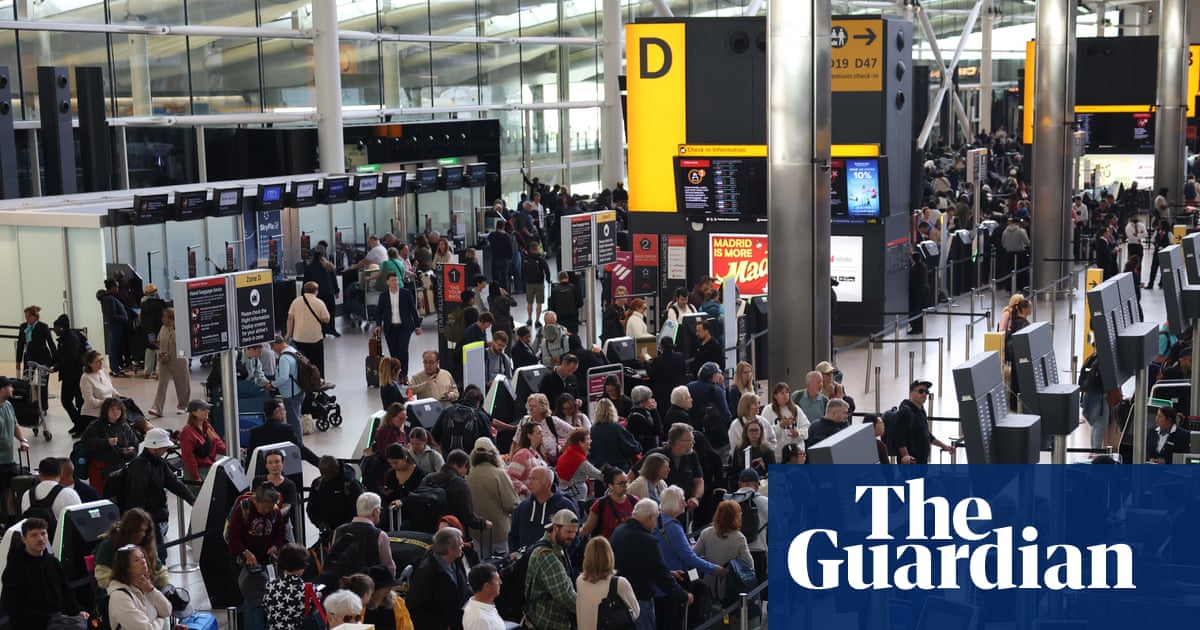
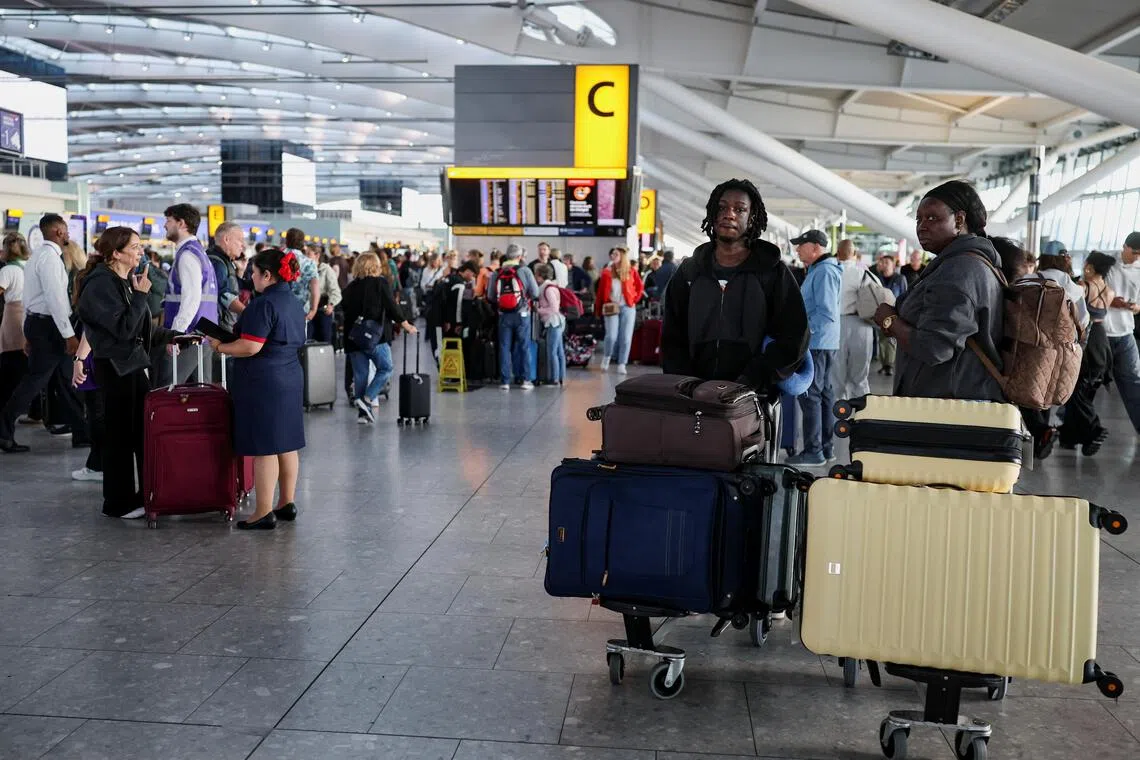
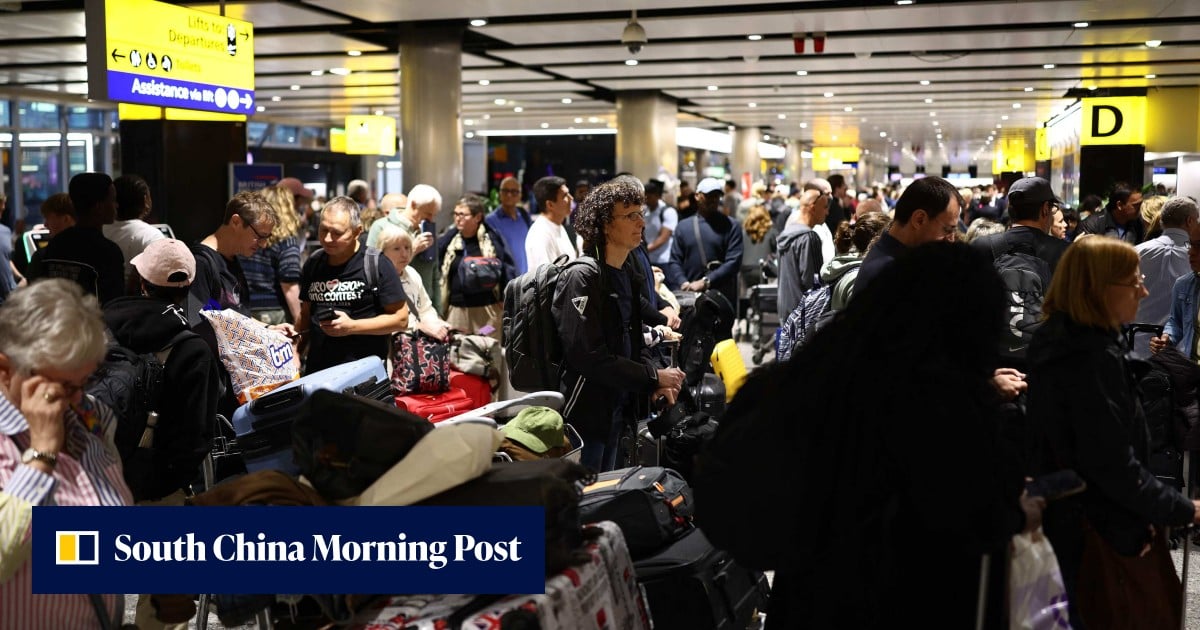
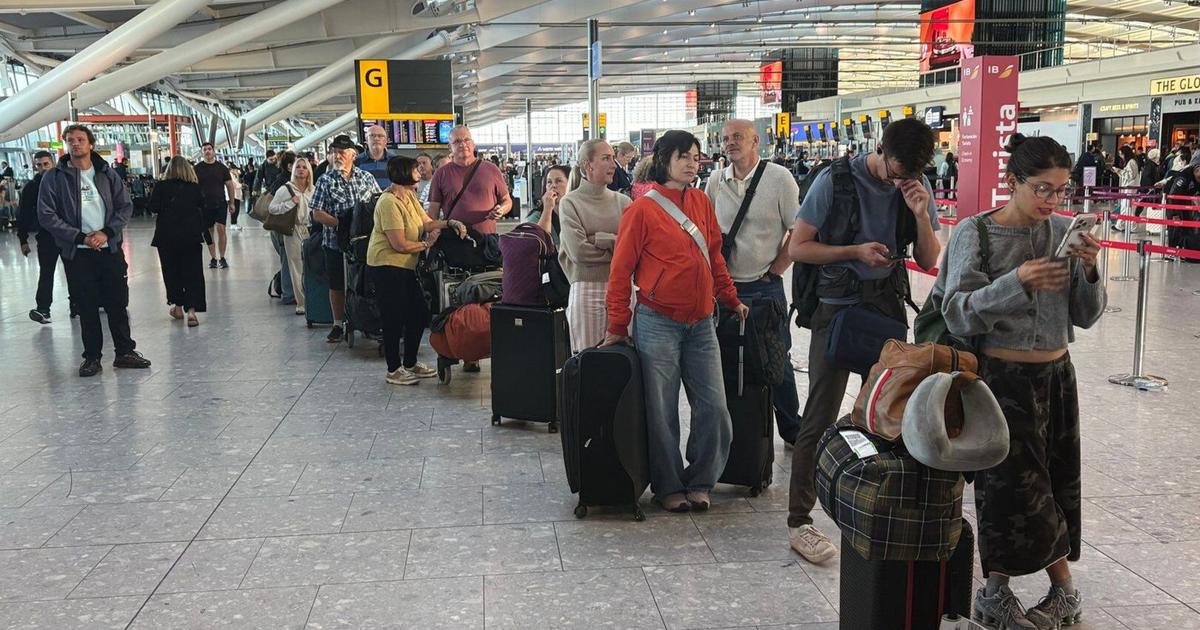
Hundreds of thousands of passengers had their travel disrupted after the Nats failure on Tuesday 8 September, which initially only stopped flights departing in the London area but eventually spread to disrupt travel across the UK and beyond by the evening.
asserted
which → have → evening
Airlines called for the dismissal of the Nats chief executive officer, Martin Rolfe, after the third major air traffic control failure in the UK since summer 2023.
asserted
Airlines → call → summer
However, Rolfe said the incident was unrelated to the previous failures and dismissed speculation that it was caused by military intervention.
asserted
it → say → intervention
The preliminary report said that the failure was a software defect in part of the National Airspace System, which allocates codes to individual aircraft to identify flights on radar.
asserted
which → say → radar
The report said that while a manual request for an aircraft code was being processed, another request paused it, adding: “When processing of the aircraft code request resumed, the software defect meant it did not resume correctly and the resulting output was corrupted, and affected some subsequent flight data updates.
asserted
output → say → updates
This happened in the space of a millisecond.”
asserted
This → happen → millisecond
Rolfe said: “The issue has been identified and mitigation is in place while a permanent fix is safety tested and deployed.”
asserted
fix → say → place
Nats said restrictions were put in place across the UK so that the system could be restarted.
uncertain
system → say → UK
The restrictions were in place for six hours and it took more than two days for the backlog of passenger disruption to be cleared, with hundreds of thousands of passengers’ travel plans disrupted.
asserted
hundreds → take → plans
Rolfe added: “I would like to apologise again, very sincerely, to everyone who was affected last week.
asserted
who → add → everyone
It’s our job to get people where they want to go, quickly and without delay and we are devastated when that goes wrong.
asserted
that → ’ → delay
However, our primary role is to keep our skies safe, and everyone who flies through them.
asserted
who → keep → them
However, Alexander said: “The disruption we saw last week was completely unacceptable and I know how frustrating it was for passengers, airlines and airports.”
asserted
it → say → passengers
She said she had received Nats’ report, adding: “While I am pleased to see that the safety of passengers was protected, it’s clear we need to urgently understand why this issue was not discovered and fixed before it caused chaos.
asserted
it → say → chaos
“I have therefore tasked the CAA with conducting an independent review to check Nats’ findings and investigate their investment plans to enhance resilience in the future, along with regulatory accountability.
asserted
I → task → accountability
“It is crucial that our national infrastructure is fit for the future, and this government will make sure the aviation sector is as resilient as possible, so passengers can get to where they need to be.”
asserted
they → make → future
The CAA’s review will be published within six months.
asserted
review → publish → months
 The Aporia