Texas officials confirmed Thursday that they are no longer issuing permits for new automated license plate reader cameras along state highways.
asserted
they → confirm → highways
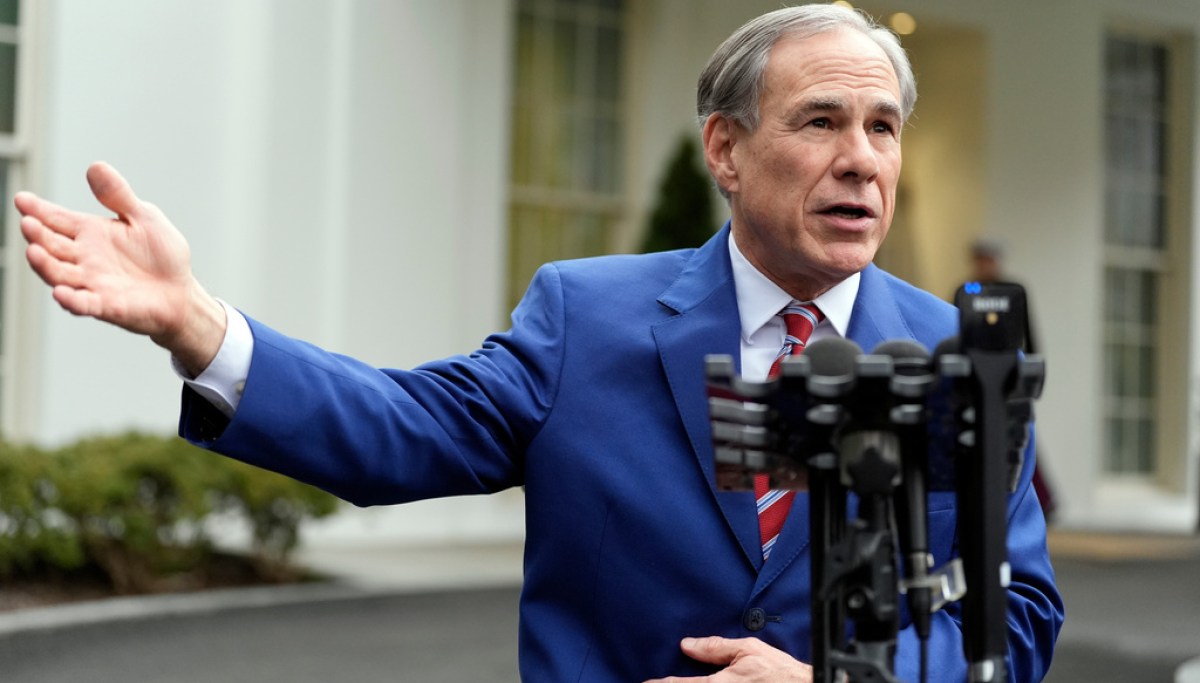
The Texas Department of Transportation, at Gov. Greg Abbott’s (R-TX) direction, said it is freezing the installation of all new ALPRs, more commonly known as Flock cameras, along state roads.
asserted
it → say → roads
Around 900 Flock cameras already installed and operated by the state’s Department of Public Safety will remain in use.
asserted
cameras → instal → use
“TxDOT’s role is to review permits to ensure license plate readers are installed correctly and safely along state-owned roadways,” an agency spokesperson told multiple outlets.
asserted
spokesperson → review → outlets
“This suspension also includes agreements that are approved but not yet installed.”
asserted
that → include → agreements
The Motor Vehicle Crime Prevention Authority has helped state and local agencies install at least 3,200 Flock cameras since 2023.
asserted
agencies → help → 2023
There were over 13,000 Flock cameras operating across Texas as of August, though some have been shut down due to backlash.
asserted
some → be → backlash
In late August, Abbott ordered state agencies to stop all funding for Flock cameras, though his office emphasized that nearly all Flock cameras in the state are purchased by cities through federal funding.
asserted
cameras → order → funding
At the time, the governor said Flock cameras were going “to be required to be used responsibly if they’re used at all,” during a radio interview with Glenn Beck.
asserted
they → say → Beck
Abbott’s latest move to target ALPRs comes as scrutiny has grown in recent months regarding the use of the technology, due to concerns that the cameras breach privacy and may infringe on Fourth Amendment rights by obtaining information without a warrant or court order.
uncertain
cameras → target → warrant
Unlike red light cameras, which are generally supposed to be triggered only by a violation, Flock ALPRs capture a digital fingerprint of every passing vehicle.
asserted
ALPRs → suppose → vehicle
Data collected by ALPRs is retained by the company for seven days before deletion.
asserted
Data → collect → deletion
Law enforcement agencies that contract with Flock can set their own data deletion schedules for footage.
asserted
that → contract → footage
Data from the cameras that police or federal authorities are using as part of an investigation is not deleted.
asserted
police → use → investigation
The cameras are used in every state except Alaska by thousands of law enforcement agencies, as well as private businesses and individuals.
asserted
cameras → use → agencies
Entities can hand over information to law enforcement agencies, including across state lines, if they choose to do so.
asserted
they → hand → lines
They can also give footage to government agencies to aid with issues such as FBI investigations.
asserted
They → give → investigations
During a congressional hearing earlier this week, FBI director Kash Patel emphasized the agency can only obtain footage “on a case-by-case basis and not a rolling access basis.”
asserted
agency → emphasize → basis
He said Flock cameras help solve many crimes, such as locating the Brown University suspect, and noted the FBI particularly favors ALPRs to help target child predators.
asserted
FBI → say → predators
“We have continuously utilized this when people kidnap children and cross state lines,” Patel said during a Senate Judiciary Committee hearing.
asserted
Patel → utilize → hearing
“Then we go to these ALPR leaders and say, ‘Hey, we have a picture of this car.
asserted
we → go → car
We don’t have any information on it.
asserted
We → have → it
Can you help us out into where it went?’
asserted
it → help → us
And we have saved children over and over again from these child predators.
asserted
we → save → predators
We’ve retrieved these victims.
asserted
We → retrieve → victims
We’re able to track those with this.
asserted
We → ’re → this
We have to use it lawfully, but we, the FBI, don’t continue to access that on a rolling basis.”
asserted
we → have → basis
 The Aporia