Story summary
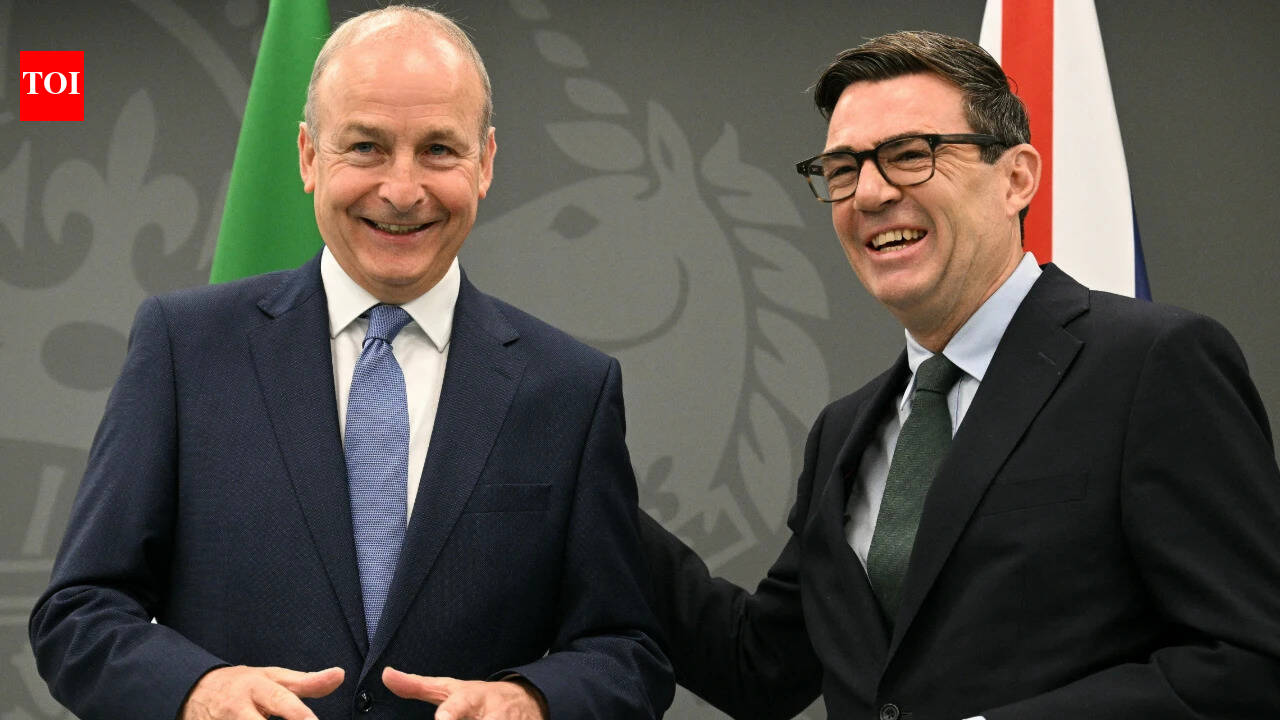
Andy Burnham, the Prime Minister, hosted Micheál Martin, the Taoiseach (Irish Prime Minister), at a newly established office called "No 10 North" in Manchester on Friday. This marked the first time an international leader visited this new venue outside London. The meeting focused on reinforcing ties between Ireland and the UK, particularly around issues like the Good Friday Agreement, trade, and cooperation with Europe. Ahead of the visit, Burnham emphasized the significance of "No 10 North" in creating opportunities for working people across both countries.
During their discussions, they also addressed broader geopolitical concerns such as Ukraine, Gaza, and the Middle East. The meeting took place amid tensions following US President Donald Trump's comments during his recent visit to Ireland about favoring a united Ireland. To counter any implications from these remarks, Burnham and Martin reaffirmed their commitment to upholding the Good Friday Agreement, which aims to maintain peace in Northern Ireland.
Moreover, they explored ways to deepen the UK’s relationship with the EU, given that Ireland currently holds the rotating presidency of the Council of the European Union. The leaders also paid a visit to an Irish club in Burnham's constituency, underscoring the strong cultural ties between Britain and Ireland.
Written for “UK Irish Relations Renewal Talks” on 2026-10-05,
grounded in this article and the 8 other(s) covering the same event.
He said the relationship with Ireland “matters so much on every single level” as the Taoiseach became the first international leader to visit No 10 North.
asserted
Taoiseach → say → North
Mr Martin said he looked forward to the UK having a “stronger and closer” relationship with the EU.
asserted
UK → say → EU
Ireland currently holds the rotating presidency of the Council of the European Union.
asserted
Ireland → hold → Union
Mr Burnham said: “The relationship between the UK and Ireland matters so much on every single level.
“Close to home, as co-custodians of the Good Friday Agreement, we are working together to uphold its principles as we approach the 30th anniversary next year.
asserted
we → say → anniversary
“In Europe, we are looking forward to a UK-EU summit later this year and, with Ireland in the presidency, wanting to take further steps to deepen the relationship with Europe.”
asserted
we → look → Europe
Mr Burnham said: “Here in the North West, but across the UK, so many people have Irish connections and they will be so pleased to see you with us today.
asserted
they → say → us
“I’m really pleased that you’re our first visitor here.”
asserted
you → ’m → ?
Mr Martin said it had been a “very challenging and difficult week” for Mr Burnham following the death of his father Roy and “I think your sense of duty shines through”.
asserted
sense → say → duty
He said that “in a global world marked by a lot of uncertainty” it was important for the two close neighbours to have “very strong engagement”.
asserted
neighbours → say → engagement
The Taoiseach said: “We look forward to discussing with you even stronger and closer relationships between the European Union and the United Kingdom, which will be of benefit to the European Union and indeed to Ireland, quite frankly.”
asserted
which → say → Ireland
Mr Martin thanked Mr Burnham for his stance on the Israel-Palestine conflict after the Prime Minister reset the Government’s approach to Israeli Prime Minister Benjamin Netanyahu’s government and stiffened sanctions over West Bank settlements.
asserted
Minister → thank → settlements
He said: “I think for the United Kingdom under your leadership to take the stance that its taken, I think, is important for… standing up for humanitarian values and justice and fulfilling the rights of all in the Middle East to security, to peace and to some decent future for their children and generations to come.”
asserted
I → say → children
Downing Street said that during the meeting the two leaders “discussed the importance of their joint commitments to addressing the legacy of the Troubles and working towards lasting reconciliation in Northern Ireland”.
asserted
leaders → say → Ireland
A Downing Street spokeswoman said the pair also looked ahead to the UK’s hosting of the next UK-Ireland Summit in the first half of 2027 and “agreed its importance in working together across priorities including security and trade”.
asserted
pair → say → security
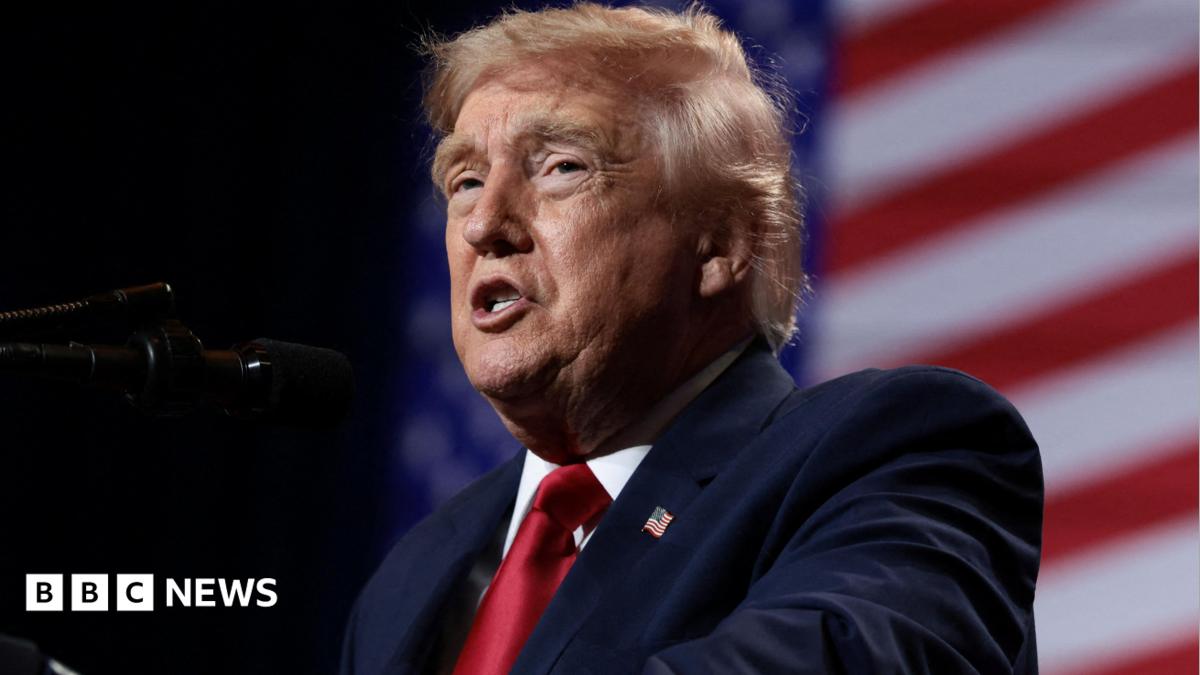
The meeting comes just days after US president Donald Trump made headlines by saying he would “love to see” a united Ireland while at a meeting with the Taoiseach during a visit in Dublin.
asserted
he → come → Dublin
Mr Trump said a united Ireland would “happen eventually” and that the Taoiseach was “the right man over here to get it moving”.
asserted
it → say → ?
Later, the Prime Minister spoke of his own Liverpool Irish roots as he took the Taoiseach on a visit to the oldest Irish club in the UK, the Brian Boru, founded in 1889 in Ashton-in-Makerfield in the Prime Minister’s own constituency.
asserted
he → speak → constituency
Tom Moran, president of the club, said it had been set up by Irish immigrants who had come to England to work in the local coal mines and cotton mills, to preserve their heritage and culture.
asserted
who → say → heritage
Mr Moran said back in those days, some of the Irishmen, “entered through its doors and left through the windows.”
asserted
some → say → windows
He also passed on his condolences to the Prime Minister over the death of his father.
asserted
He → pass → father
Both politicians spent time speaking to regulars and sat either side of Canon Patrick MacNally, the retired parish priest of St Jude’s Church in nearby Wigan, and celebrating his 90th birthday today.
asserted
politicians → spend → birthday
Mr Burnham said: “There you go Canon Pat, that’s a pretty good birthday guest!
“This part of the world has deep links to Ireland, I include myself in that, in terms of my own family history with Liverpool Irish connections.
asserted
I → say → connections
“But so many people across the whole of the north of England, actually across the whole of the country, have that connection to Ireland, so your visit Micheal today, will be so important to them, they will really welcome the fact that you are here, particularly the people of this part of the world.
asserted
you → have → world
“We are working together aren’t we, on so many things, in terms of where we go from here.
asserted
we → work → terms
“As I looked at the world as it is right now, Britain and Ireland being close, working together, deepening the partnership, based on those ties, is just important in this changing world.
asserted
Britain → look → world
“Your visit today really cements that.
asserted
visit → cement → that
We’re both off to New York next week, aren’t we, for United Nations General Assembly, but it’s just great to come from here to go there, we are always rooted in our communities.
asserted
we → ’re → communities
“We always know, where we came from, that’s the important thing, isn’t it?
asserted
it → know → where
“And I feel that this week, obviously, you kindly mentioned my father Tom, you know, I’m a person like that, if you know where you came from, you’ve got a good chance of knowing where you are going in life, you’ll stay true to the things that shaped you and forged you.
asserted
that → feel → you
“I certainly am proud of the Irish heritage that I have in my family.
asserted
I → have → family
“Another Irishman, it wasn’t unnoticed, a Mayo man, I think.
asserted
I → think → ?
“Ireland, has this amazing ability of reaching in to some many people so many people’s heritage, and Ireland is loved around the world for so many reasons.”
asserted
Ireland → have → reasons
The Taoiseach, thanked the club in Gaelic for the invite and providing a “home from home” for Irish emigrants.
asserted
Taoiseach → thank → emigrants
He also congratulated Canon MacNally, who is originally from Louisburgh, County Mayo, on his birthday and Mayo’s recent win in the All-Ireland final.
asserted
who → congratulate → final
Canon Macnally said: “Thank you very, very much and I’m deeply grateful and appreciative we have the two Prime Ministers with us, it’s a great, great honour.
asserted
it → say → us
“And we are deeply grateful and appreciative of the great work that they do in fostering good relations between these islands, we are so pleased about that, so thank you.”
asserted
we → do → you
 The Aporia