The Aporia
The Aporia
The Aporia
The Associated Press. (2026, August 21). Jurors hear 'Keffe D' say his nephew fired fatal shots at Tupac Shakur in 1996 drive-by shooting. NPR. https://www.npr.org/2026/08/21/nx-s1-5940538/jurors-hear-keffe-d-say-his-nephew-fired-fatal-shots-at-tupac-shakur-in-1996-drive-by-shooting
The Associated Press. “Jurors hear 'Keffe D' say his nephew fired fatal shots at Tupac Shakur in 1996 drive-by shooting.” NPR, 21 Aug. 2026, https://www.npr.org/2026/08/21/nx-s1-5940538/jurors-hear-keffe-d-say-his-nephew-fired-fatal-shots-at-tupac-shakur-in-1996-drive-by-shooting.
The Associated Press. “Jurors hear 'Keffe D' say his nephew fired fatal shots at Tupac Shakur in 1996 drive-by shooting.” NPR, August 21, 2026. https://www.npr.org/2026/08/21/nx-s1-5940538/jurors-hear-keffe-d-say-his-nephew-fired-fatal-shots-at-tupac-shakur-in-1996-drive-by-shooting.
Dated when The Aporia collected the article, usually within hours of publication. Check the original for its exact date and byline.
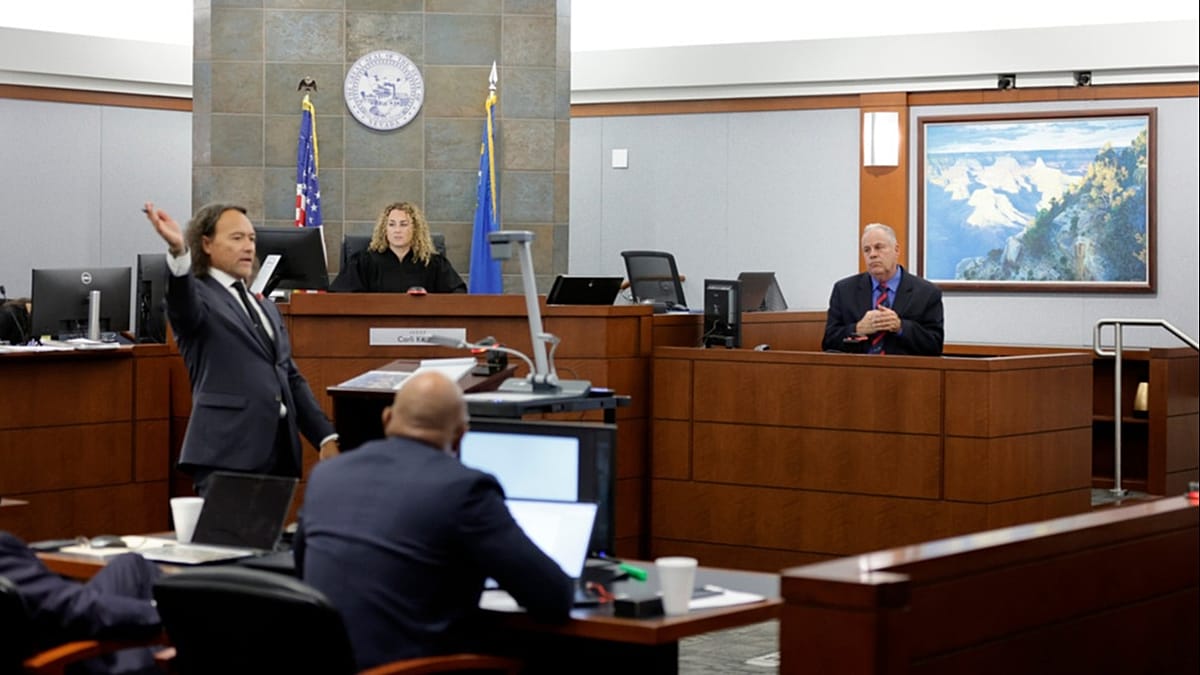
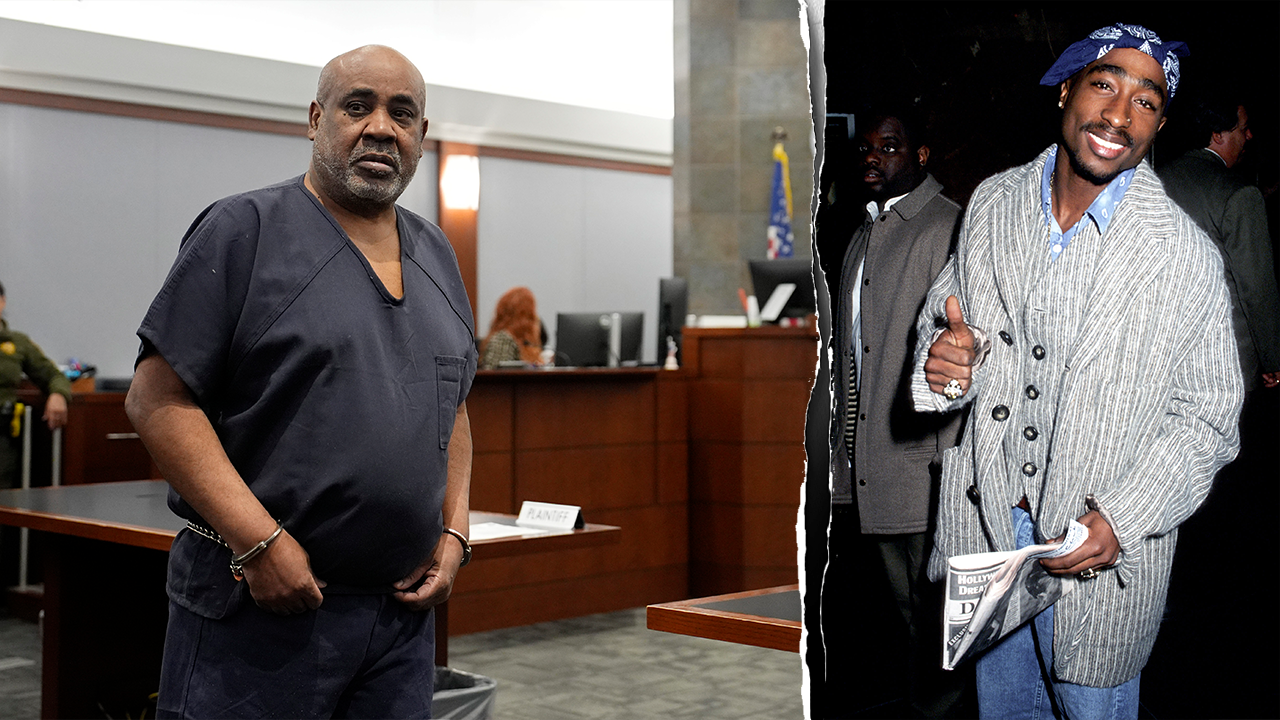
Duane "Keffe D" Davis, 63, is charged with murder in the death of Tupac Shakur, who was killed in a drive-by shooting on September 7, 1996, in Las Vegas.
The prosecution has presented evidence that Davis orchestrated the killing, including a 2008 interview where he told detectives that his nephew, Orlando "Baby Lane" Anderson, fired the shots that killed Shakur. In the interview, Davis said that Anderson was in the back seat of a white Cadillac with him and two other men, and that Anderson took a gun from Deandre "Big Dre" Smith and started firing.
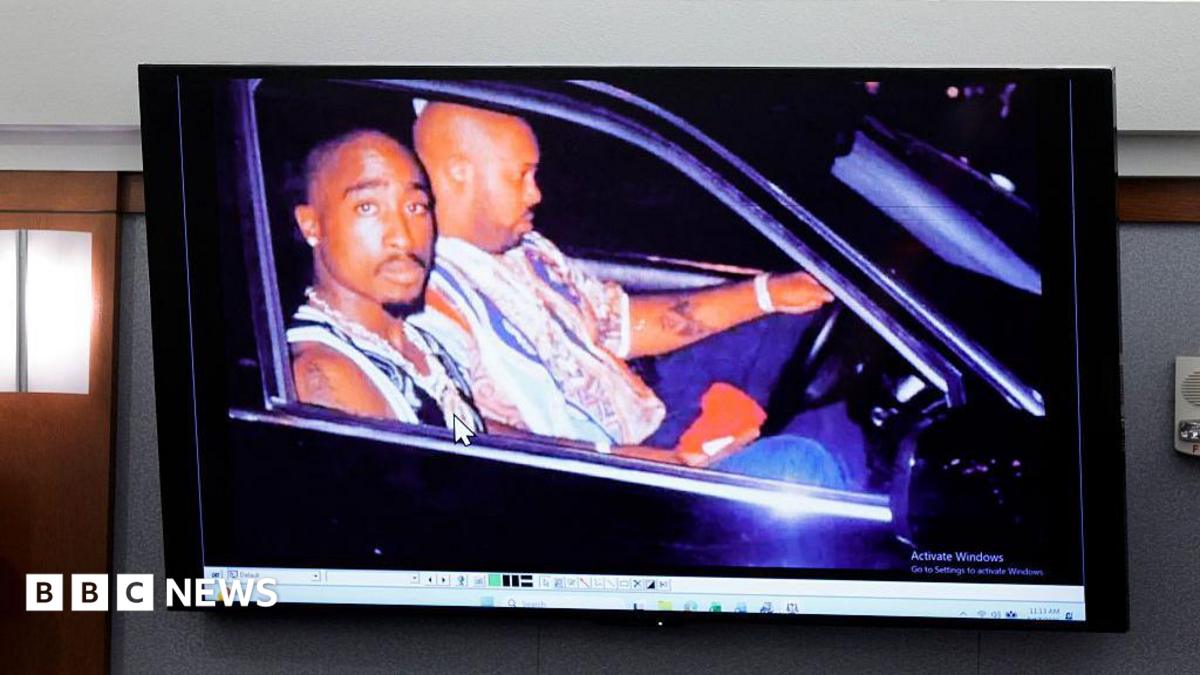
Prosecutor Binu Palal has argued that Davis's actions were motivated by revenge for his nephew's beating at the hands of Shakur's entourage earlier that night. Palal showed jurors a picture of the Mike Tyson fight on September 7, 1996, and video of Shakur's entourage attacking Anderson.
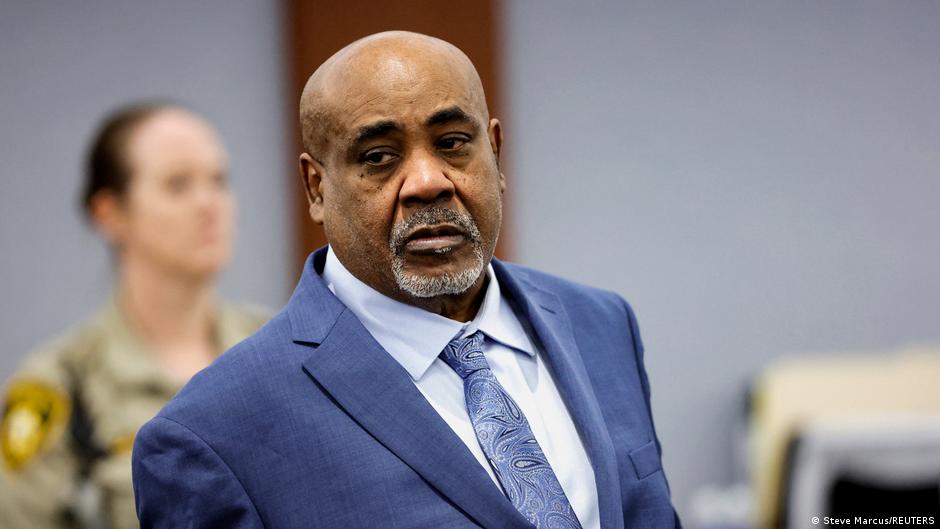
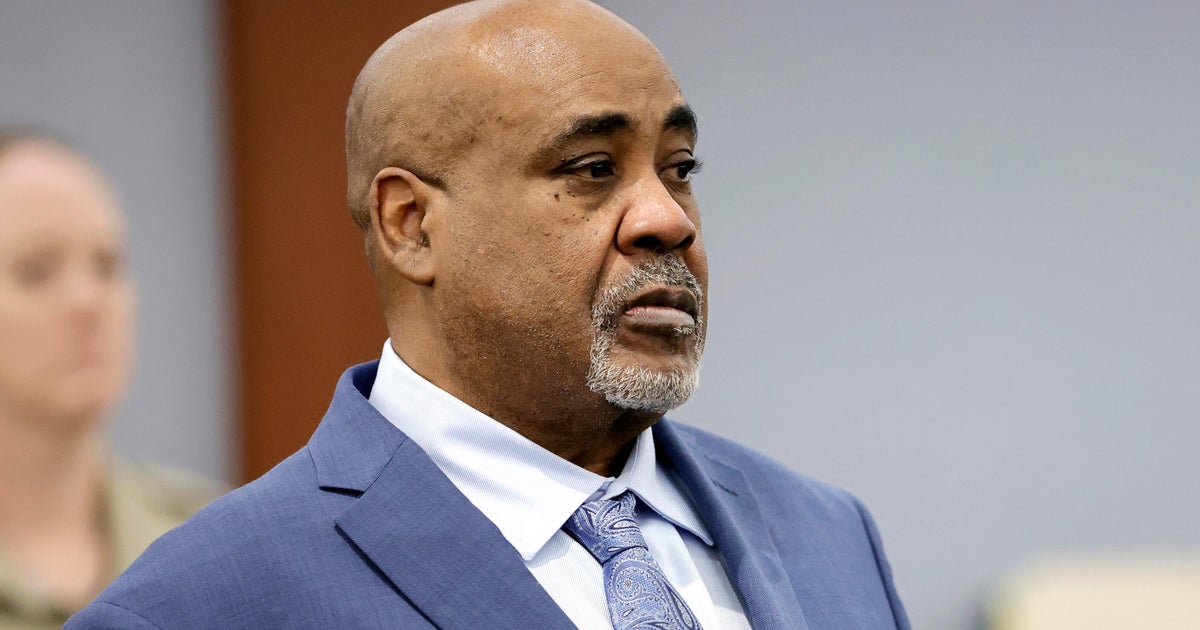
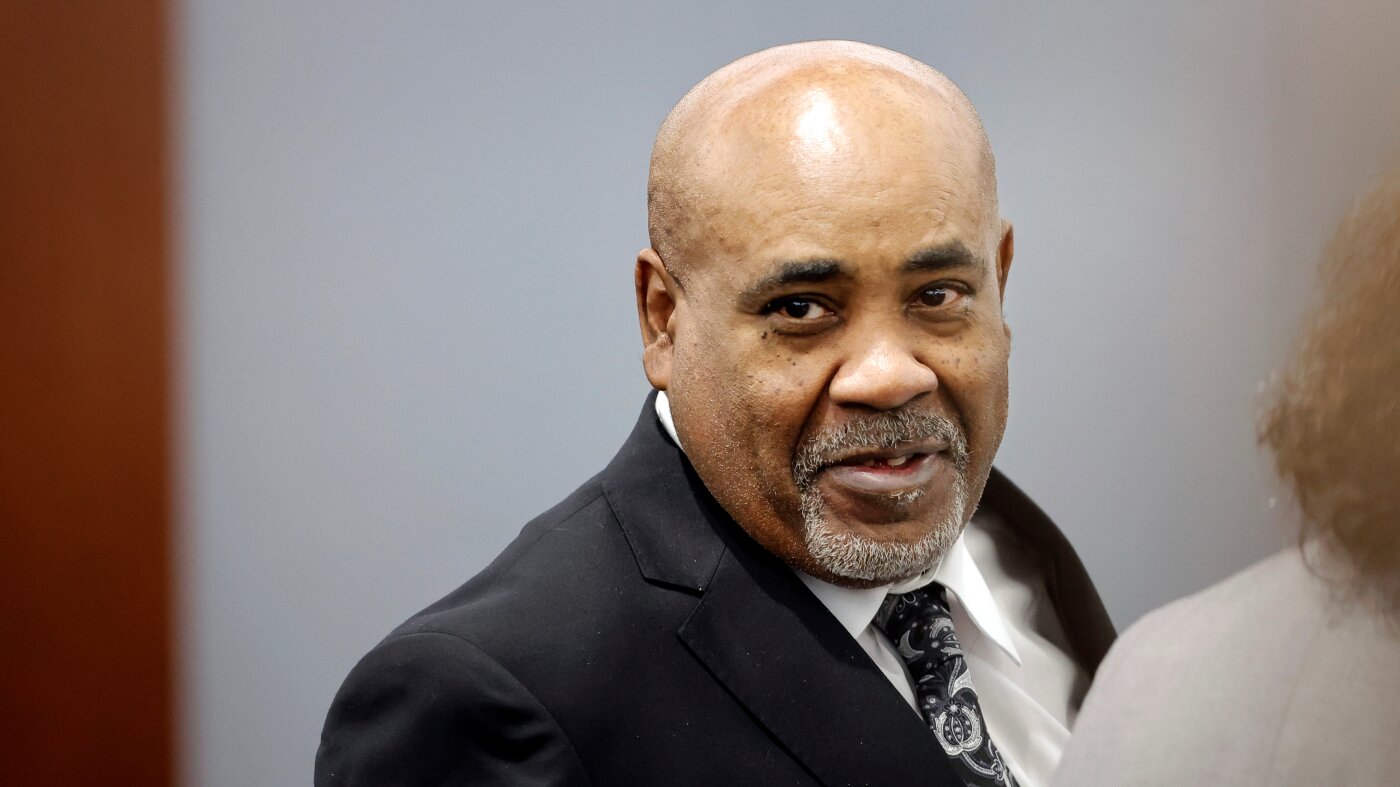
Davis entered the courtroom in a blue suit and tie and scanned the audience before sitting next to his lawyer, Michael Sanft. Members of Shakur's family, including his stepbrother Maurice "Mopreme" Shakur, sat quietly in the front row behind prosecutors.
The defense has hinted that Davis's ghostwriter, Yusef Jah, fictionalized some details in their book about the crime, and that the defendant wasn't involved in the killing. However, prosecutors have Jah's name on their witness list and plan to ask him if he wrote the book based on what Davis told him.
One of the key witnesses for the prosecution is Yusef Jah, who helped bring charges against Davis through his book. Moses Castillo, a retired LAPD detective, suspects that the prosecution will call Jah as a witness and ask him directly if he wrote the book based on what Davis told him.
The defense has tried to downplay the importance of Jah's testimony, but Castillo believes it could be crucial in convicting Davis.
Tupac Shakur was murdered on September 7, 1996, after being involved in a fight with Orlando Anderson at the MGM Hotel in Las Vegas. Two and a half hours later, Shakur was killed in a drive-by shooting from a white Cadillac.
The trial has been marked by dramatic testimony from various witnesses, including James McDonald, an associate of Death Row Records co-founder Suge Knight, who refused to go into detail about the beating of Orlando Anderson at the MGM Hotel.
James Wright Jr, a former Compton police officer who later led security for Suge Knight’s Death Row Records, testified that he had nothing to do with Tupac's murder.