That is 0 articles you have read today.
The Aporia is free and carries no advertising, so readers are the only
thing paying for it. If you are getting this much out of it, a small
donation is what keeps it independent.
Daily limit reached
You have read 0 articles today.
That is more than the 15 a day The Aporia gives away,
and well past what it can carry on nothing. Your allowance resets at
midnight.
There is no advertising here and nothing about you is sold, so readers
are the only thing paying for it. If the site is worth this much of
your day, it is worth a few dollars.
Everything else stays open: the
maps, the
directory and
search do
not count against this, and neither does re-opening something you have
already read today.
On August 21 and August 24, U.S. Coast Guard and FBI personnel boarded two foreign-flagged vessels bound for the United States in the Gulf of Mexico after indications that their computer networks were compromised by hackers. The Liberian-flagged VL Prosperity was one of the affected ships, with reports suggesting a cyberattack had disrupted its communications and engine systems while it was transiting through the Strait of Gibraltar. Corey Ranslem from Dryad Global confirmed the attack on the VL Prosperity, which is now anchored in waters around Galveston, Texas. The article highlights concerns over increasing maritime cybersecurity threats without specifying the perpetrators.
Written locally by qwen2.5:14b on 2026-09-18,
using this article's own text rather than the other coverage of the
same event (that is the story summary below).
Story summary
In August 2026, U.S. Coast Guard and FBI agents boarded two foreign-flagged oil tankers in the Gulf of Mexico after receiving indications that hackers had compromised their computer networks. One tanker was the Liberian-flagged VL Prosperity, bound for Galveston, Texas, which Iranian state media claimed hackers had controlled, knocking out communications for 30 hours. The U.S. Coast Guard Cyber Command confirmed evidence of a malicious cyber actor but did not identify them or confirm involvement by Iran. The incident highlights the growing threat of cyberattacks on maritime vessels and potential vulnerabilities in their operational systems.
Written for “Cyberattacks on Oil Tankers” on 2026-09-18,
grounded in this article and the 7 other(s) covering the same event.
Why this leaning score
This article does not take a side on a contested political
question, so it has no leaning score. That is an
answer rather than a gap: a match report or a rescue can be warmly
or critically written without being left or right, and scoring it
anyway is how approval of a subject gets recorded as a political
position.
No political leaning scored for article 17081 · logged 2026-09-18
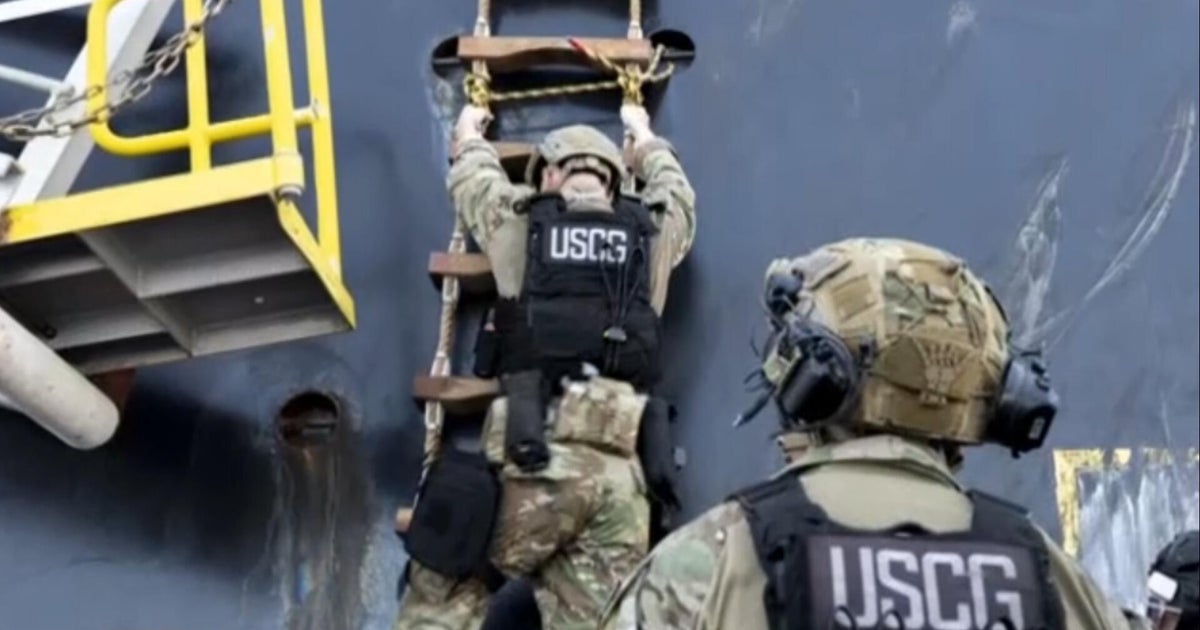
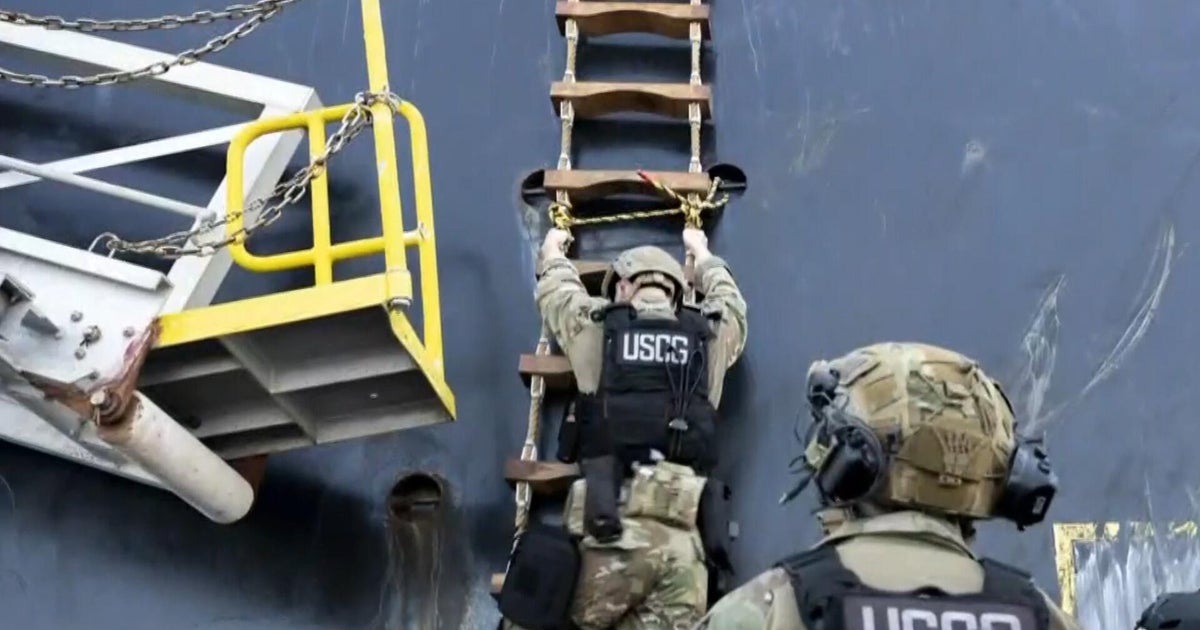
U.S. Coast Guard and FBI personnel boarded two commercial vessels bound for the United States in the Gulf of Mexico last month after indications that hackers had broken into their computer networks, the agencies said on Thursday (September 17, 2026).
asserted
agencies → board → Thursday
The unusual operation, carried out on August 21 and August 24 aboard two foreign-flagged ships, comes as U.S. authorities grapple with a series of cyber incidents that media reports have linked to Iran since the outbreak of conflict between Washington and Tehran.
asserted
reports → carry → Washington
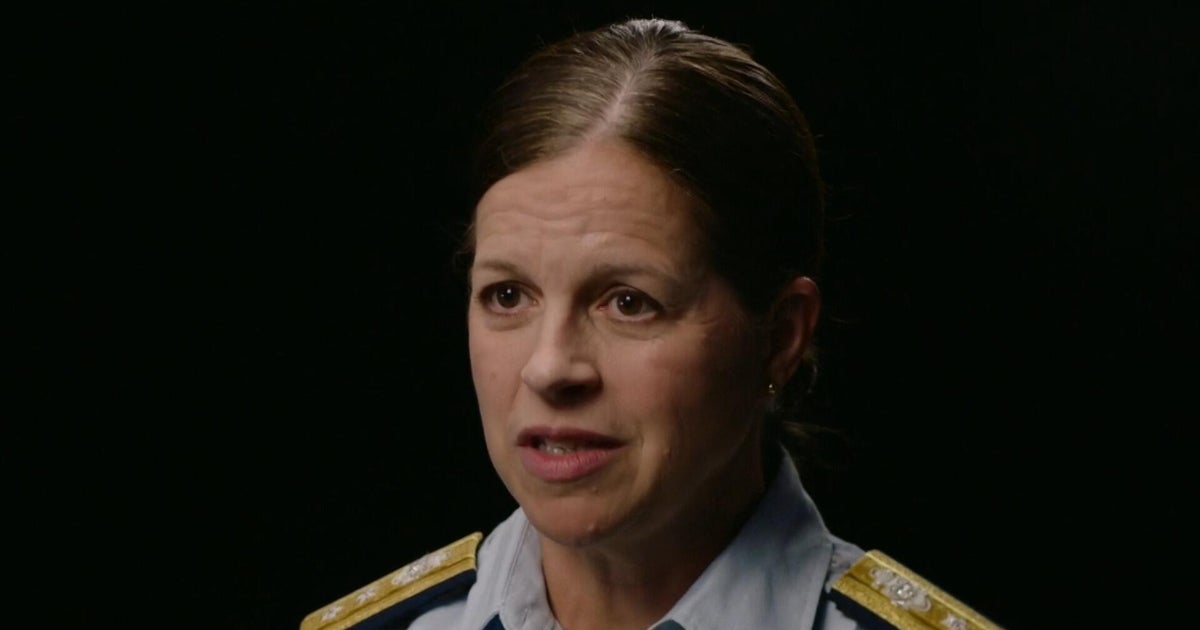
The FBI said a joint Coast Guard-FBI team boarded the vessels after receiving “indications that the networks of both vessels were compromised.”
asserted
networks → say → vessels
The Coast Guard, which referred only to the August 21 boarding, said that “foreign cyber actors” were involved but did not identify them.
asserted
actors → refer → them
Neither agency provided further details about the incidents or explained the discrepancies between their accounts.
asserted
agency → provide → accounts
The U.S. Cybersecurity and Infrastructure Security Agency referred questions back to the Coast Guard.
asserted
Agency → refer → Guard
Corey Ranslem, CEO of maritime security group Dryad Global, said that his firm had confirmed that one of the ships was the Liberian-flagged VL Prosperity.
asserted
one → say → ships
The vessel is currently anchored in waters around Galveston in Texas, according to LSEG and MarineTraffic ship tracking data.
uncertain
vessel → anchor → data
Liberia’s flag registry did not immediately respond to a request for comment.
asserted
registry → respond → comment
Iran’s Mehr news agency reported on August 20 that VL Prosperity had suffered what it called “a major cyberattack” while transiting through the Strait of Gibraltar and that its communications had been knocked out for 30 hours.
asserted
communications → report → hours
Citing an unnamed crew member, Mehr reported that hackers had also infiltrated the engine-room systems, reduced the engine’s cooling flow, increased the engine speed, and disabled the ship’s fuel and engine-oil tank.
asserted
hackers → cite → tank
The Iranian news agency did not say who was thought to be behind the alleged attack.
asserted
who → say → attack
Although dramatic in its effects, a ship-centered cyberattack is not that difficult to pull off, Mr. Ranslem said.
asserted
Ranslem → center → effects
“We are expecting these types of attacks to continue and will expand in the very near future,” he said.
asserted
he → expect → future
 The Aporia