Story summary
In his forthcoming book "Swan Song: Diana, My Sister," Charles Spencer, Earl of Spencer, claims that then-Prince Charles sounded “giddily elated—like a lottery winner” after Princess Diana's death in 1997. This reaction is attributed to the possibility that he felt liberated from their marriage, allowing him to pursue his relationship with Camilla Parker Bowles.
Spencer also notes that Prince Charles informed him of having told Princes William and Harry about their mother’s death "first thing that morning, in their bedrooms at Balmoral." The book further suggests Diana had driven herself more than once to Beachy Head cliffs in East Sussex, contemplating suicide but ultimately deciding against it due to her love for her sons.
Buckingham Palace responded to these claims by stating, “While we do not comment on books as a matter of principle, His Majesty is mindful that the pain of fraternal grief can cloud reason and affect judgment and memory.” Despite this, no further response was given regarding the latest published excerpts.
Written for “Charles Reaction To Diana Death” on 2026-09-18,
grounded in this article and the 42 other(s) covering the same event.
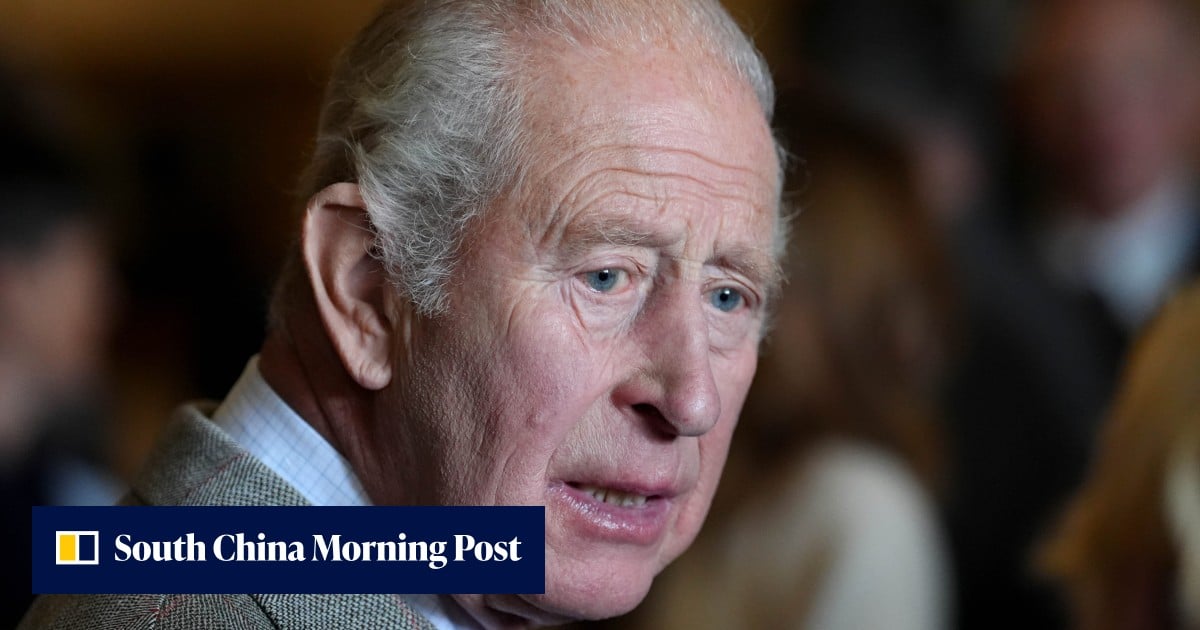
Britain’s King Charles sounded “like a lottery winner” after the death of his late first wife Diana, her brother writes in his forthcoming book, according to newly published extracts.
uncertain
brother → sound → extracts
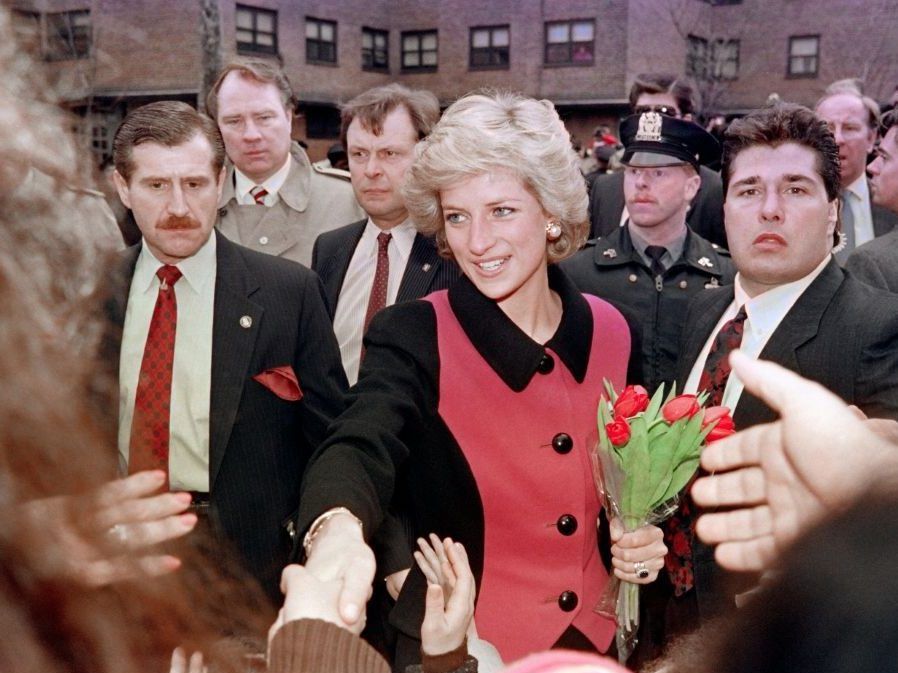
Diana’s brother Earl Spencer said the then-Prince Charles seemed “giddily elated” in the immediate aftermath of Diana’s death in 1997, possibly because he felt it meant he was freer to marry again, according to passages in the Daily Mail.
Charles on Wednesday took the unusual step of responding to criticism after the first extracts of Spencer’s book were published, saying via a spokesperson that grief could impact reason, judgment and memory.
uncertain
grief → say → reason
There was no new comment from the king on the latest excerpts, which also stated that Diana went to a site of many suicides on Britain’s south coast, but that her love for her sons, William and Harry, “stopped her from going further”.
asserted
love → be → her
“It is a sad fact that, in her later years, Diana drove herself more than once to Beachy Head, the highest chalk sea cliff in England, while contemplating ending it all,” Spencer wrote.
asserted
Spencer → drive → it
Diana was killed at the age of 36 when the car carrying her and her lover Dodi al-Fayed crashed in Paris as it sped away from chasing paparazzi photographers on motorbikes.
asserted
it → kill → motorbikes
Spencer says in the book – Swan Song: Diana, My Sister – that he spoke to Charles shortly after Diana’s death was confirmed, writing: “Unlike my other callers, who were stunned, barely able to articulate their condolences and offers of help, he sounded giddily elated – like a lottery winner, I remember thinking at the time.”
asserted
I → say → time
Spencer added: “Looking back now, I suspect the prince’s first reaction must have been to think more of how this event might free him to marry the woman he loved, rather than appreciating the loss of one he did not.”
uncertain
he → add → one
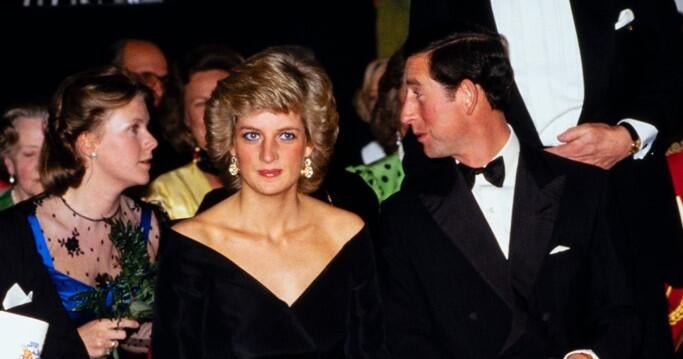
Charles and Diana separated in 1992 and divorced in 1996.
asserted
Charles → separate → 1996
That was a year after Diana told the BBC that “there were three of us in this marriage, so it was a bit crowded” in reference to Charles’ relationship with Camilla Parker Bowles, whom he married in 2005.
asserted
he → tell → 2005
Buckingham Palace took the rare step on Wednesday (UK time) of rebutting an explosive claim in the book that Charles said people would forget Diana “soon enough” after her death.
uncertain
people → take → death
A Palace spokesperson said: “While we do not comment on books as a matter of principle, His Majesty is mindful that the pain of fraternal grief can cloud reason, affect judgment and colour memory in ways others do not recognise, even many years after such a loss.”
asserted
others → say → loss
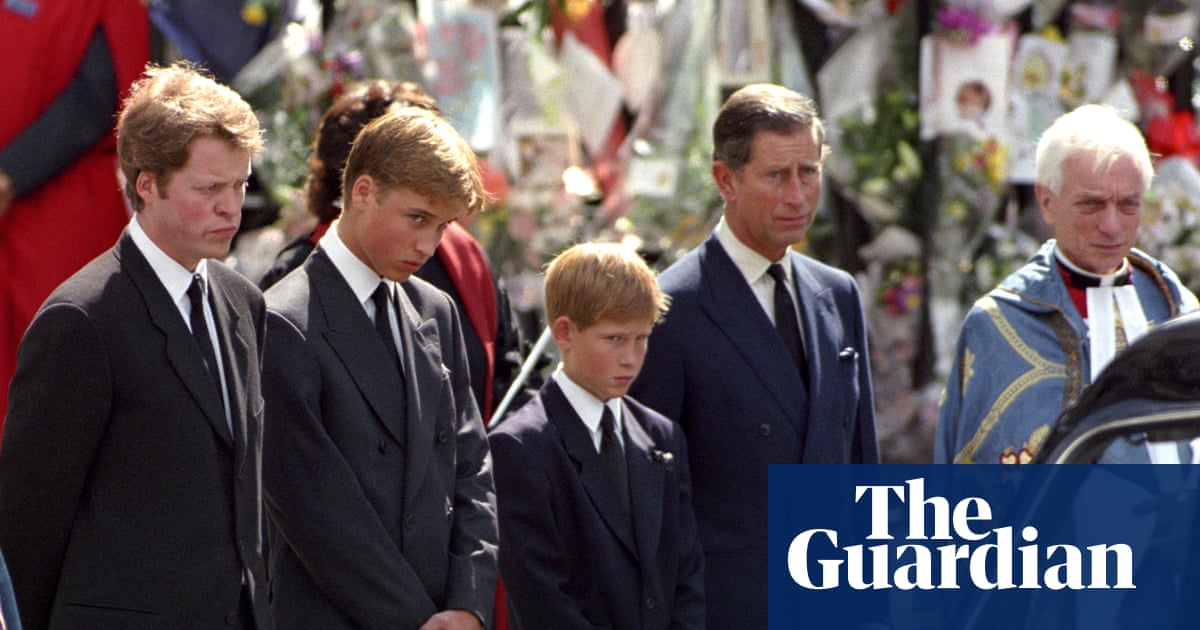
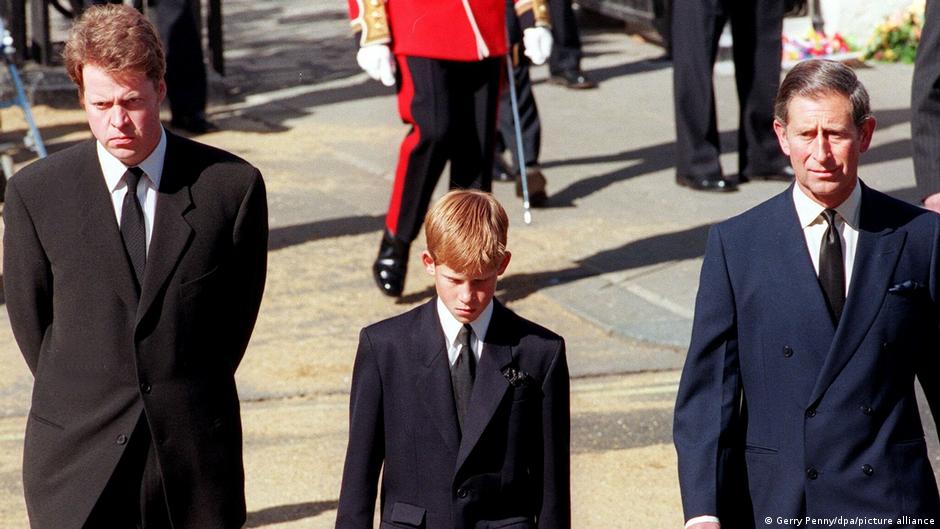
That claim centred on the earl’s strong belief that Diana would not have wanted William and Harry to walk behind her coffin in her funeral procession, but that Charles insisted the plan go ahead.
uncertain
plan → centre → procession
“He unleashed down the phone what I have always taken to be his pent-up contempt for Diana, and his horror that the world was so bowled over by her death,” the earl wrote.
asserted
earl → unleash → death
“‘Rest assured,’ he hissed, ‘we’ll forget her soon enough’.”
asserted
we → rest → her
Julian Payne, the now-King’s former communications secretary, on Thursday said Charles told staff never to criticise Diana in the years after her death.
asserted
Charles → say → death
Payne, who worked alongside Charles during the 20th anniversary of Diana’s death in 2017, told the BBC that he did not recognise “the way the King is being characterised in those remarks”.
asserted
King → work → remarks
“What I remember was he was very clear that there was never to be any criticism, never to be any pushback on the narratives that were usually highly critical of him,” he said.
asserted
he → remember → him
“He was absolutely emphatic that we were to respect her memory and not undermine it in any way.
asserted
we → respect → way
When he was telling us there was never to be any criticism or pushback, that wasn’t about him.
asserted
that → tell → him
“That was absolutely about the late Princess and her memory, so it seems to me very odd that in the moment itself, with the grief of his family and his own shock, that he would choose that moment to use those words.
asserted
he → seem → words
It’s just not language that I recognise.”
asserted
I → ’ → that
Earl Spencer’s claims appears likely to heighten the rifts within the family when Prince Harry has a strained relationship with his father after his memoir, Spare, which also touched on the decision over the funeral.
uncertain
which → appear → funeral
Harry, meanwhile, made his first public appearance on Thursday (London time) since he and his wife, Meghan, returned to Britain after six years in California, speaking at a charity event and attending an awards ceremony in London.
asserted
he → make → London
Harry, Meghan and their children Prince Archie, 7, and Princess Lilibet, 5, relocated last month – surprising even their close family.
The royal attended the inaugural Invictus Spirit Awards in London, which are linked to the Invictus Games, the sporting competition for wounded, injured and sick military veterans that he founded.
asserted
he → relocate → that
Earlier, Harry spoke at an event focused on improving the care of children wounded in conflict hosted by charity Save the Children and Imperial College London.
asserted
Harry → speak → Children
His appearances came on a busy day for Britain’s royals, with Charles hosting a conference for AI leaders.
asserted
Charles → come → leaders
Get a note directly from our foreign correspondents on what’s making headlines around the world.
asserted
what → get → world
Read more royal news:
- Mum’s not the word: Meghan’s phone number reportedly leaked from school parents’ WhatsApp group
-
uncertain
number → read → group
‘We’ll forget her soon enough’: Diana’s brother makes explosive claim about Charles
-
uncertain
brother → forget → Charles
Back in Britain: Meghan gives first glimpse of family life in the UK
-
asserted
Meghan → give → UK
Harry and Meghan’s children move school after two days
asserted
children → move → days
The King delivered a masterclass in putting the Sussexes back in their box
-
asserted
King → deliver → box
Sarah Ferguson: Former duchess set for return to Britain
-
asserted
duchess → set → Britain
 The Aporia