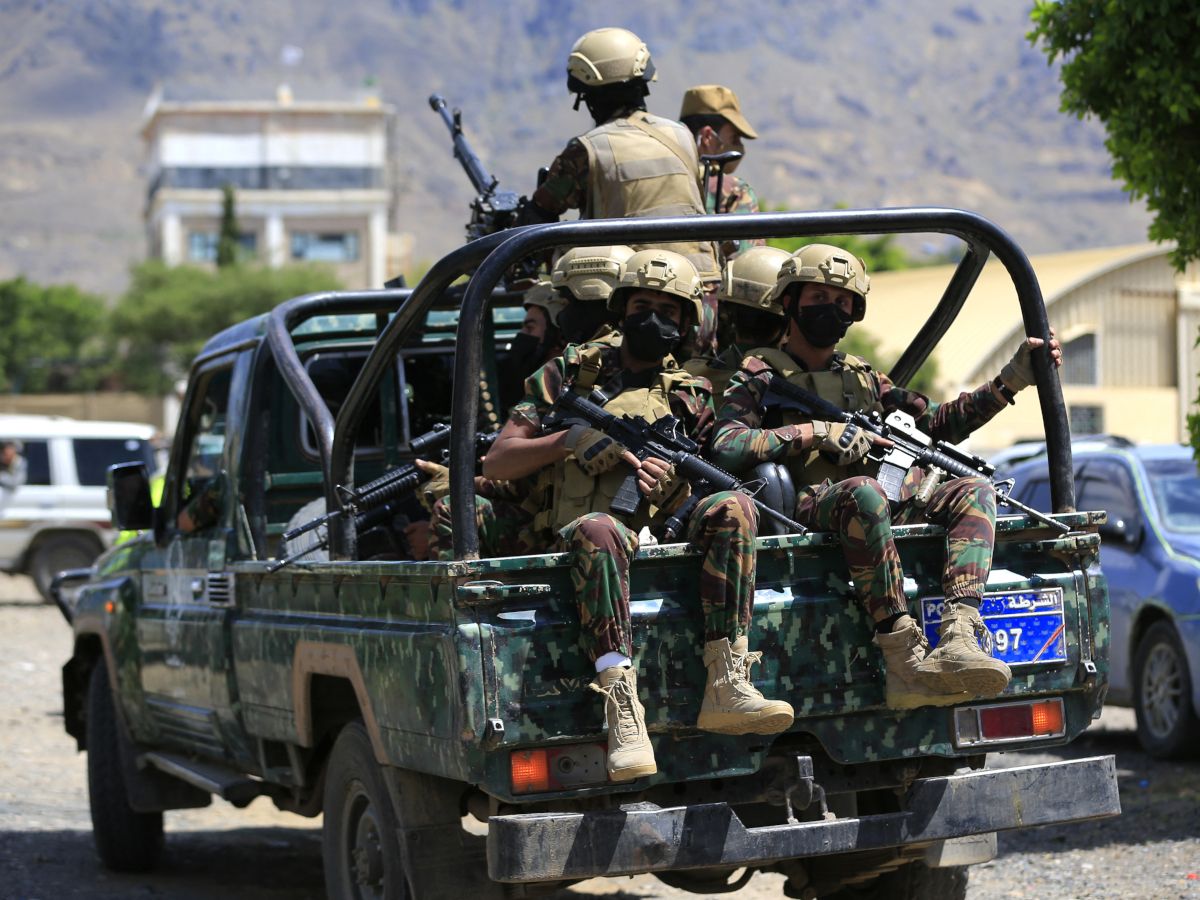
Mohamed Fahmy: Israel and Lebanon will not be at peace so long as Hezbollah remains standing

Read the original at National Post ↗
Cite

Kline, J. (2026, August 21). Mohamed Fahmy: Israel and Lebanon will not be at peace so long as Hezbollah remains standing. National Post. https://nationalpost.com/opinion/israel-and-lebanon-will-not-be-at-peace-so-long-as-hezbollah-remains-standing

Dated when The Aporia collected the article, usually within hours of publication. Check the original for its exact date and byline.

National Post · collected 2026-08-21 · by Jesse Kline analysis

Quick Summary

Journalist Mohamed Fahmy reflects on the fragile state of the Israel-Hezbollah ceasefire, which is at risk of collapsing due to rising casualties and the Lebanese government's inability to disarm Hezbollah. More than 800,000 displaced people have returned to southern Lebanon since June, but hundreds of thousands remain internally displaced. The article quotes a cab driver as saying that the Lebanese army will never be able to disarm Hezbollah because many soldiers are loyal or sympathetic to the group. This commentary piece explores the complexities and deep-seated tensions between Israel and Hezbollah in the region.
Written locally by qwen2.5:14b on 2026-08-21, using this article's own text rather than the other coverage of the same event (that is the story summary below).

AI analysis runs on qwen2.5:14b, locally

Story summary

Lebanese army units are working with residents in the southern village of Zawtar al-Gharbiya, where three-quarters of the buildings have been destroyed, to clear unexploded ordnance and rubble and recover bodies after a ceasefire between Israel and Hezbollah in June. However, despite the ceasefire, tensions remain high and over 800,000 displaced Lebanese people have yet to return home. The Lebanese government is struggling to disarm Hezbollah, which risks undermining the fragile peace. This has led to a decline in tourism, with the usually busy corniche being almost empty on a weekend afternoon due to fear of war and violence.

Written for “Egyptian Journalist Detained Abroad” on 2026-10-16, grounded in this article and the 0 other(s) covering the same event.

Story

📰 Egyptian Journalist Detained Abroad
World · 1 article(s) covering the same event.

Compared with similar articles

This article reads unscored and hedges 3% of its claims. Each row says how that neighbour differs.
Euronews
⚖️ leaning not scored 🔴 6% hedged 1 of 16 📰 publisher trust 60
“Article A describes a specific incident of Lebanon extraditing a Syrian general to stand trial, while Article B discusses an unrelated topic about Israel-Hezbollah relations and mentions Beirut in passing”
Zeteo
⚖️ Leans strongly left 🔴 43% hedged 3 of 7
“Different geographic locations and targets of violence indicate distinct events”
How this article was measured signals, leaning charts, publisher record, byline, topics and claims

Signals How these are calculated →

Claims extracted
60
sentences that state something as happening or true
Uncertain
3%
2 of 60 hedged ("reportedly", "may", "according to")
Leaning
withheld
no quote in the article backed the model's score
Publisher signals
60/100
National Post's corrections and hedging, across everything collected from it. Not a measure of accuracy.
Outlets on this story
1
World
Same framing elsewhere
1
articles that frame the event the way this one does
Analyzed 2026-08-21 · how these are computed

How this is being covered How these are calculated →

Article leaning vs. publisher reliability
Source leaning vs. consistency

Publisher

National Post · 933 article(s) · 2 correction(s) detected
Running correction rate · 2 correction(s)

Who wrote this

Jesse Kline
18 article(s) here · 1 carrying a prediction
🔮 Many parents will tell you how hard it is to find a daycare spot of any type close to Vancouver.
🔮 Former Conservative cabinet minister Chris Alexander unexpectedly joined the Toronto mayoral race on July 29.
🔮 Before Moise could answer, the constituent did so for him: “Because they don’t allow that.
🔮 If Tehran can disrupt traffic through the Strait of Hormuz — which carried roughly 20 per cent of the world’s oil before the war — could the Houthis also threaten the Bab al-Mandab Strait, a vital artery for about 12 per cent of global maritime trade?
🔮 But recent events hint at something much darker: an institutional willingness to downplay or minimize harms caused to Jews, including those living right here in Canada.
🔮 Shortly after becoming mayor of Toronto in 2010, Rob Ford tried to reduce the amount of the city’s municipal land transfer tax (LTT).
🔮 Those accusations may have landed well on Findlay, but they are not sticking to Doerkson, who is widely respected as a salt-of-the-earth, earnest British Columbian.
🔮 But he’s unlikely to cross paths with the city’s Israel-obsessed Mayor Zohran Mamdani, who has called for the premier’s arrest on numerous occasions.
🔮 When the Government of British Columbia announced in the spring that it was planning to open a supervised consumption site in downtown Vancouver, the city’s mayor, Ken Sim, issued a strongly worded statement opposing the idea and moved an urgent motion directing city staff to “use all tools available” to block it.
🔮 It would appear as though the antisemites have finally succeeded at preventing Jewish-Canadians from gathering to worship in peace, after shots were fired outside an Ontario synagogue during Yom Kippur services on Sunday evening.
Also by Jesse Kline
Nothing else under this byline is closely related to this article, so these are simply their most recent.
All 18 articles by Jesse Kline →

Topics

BEIRUT Hezbollah Israel Lebanese Lebanon

Subjects

Hezbollah ORG · 9× Lebanese NORP · 9× Israel GPE · 7× Lebanon GPE · 4× Israeli NORP · 3× BEIRUT GPE · 2× Iran GPE · 1× Shiite Muslim NORP · 1× Westerners NORP · 1× the United States GPE · 1×

Narrative

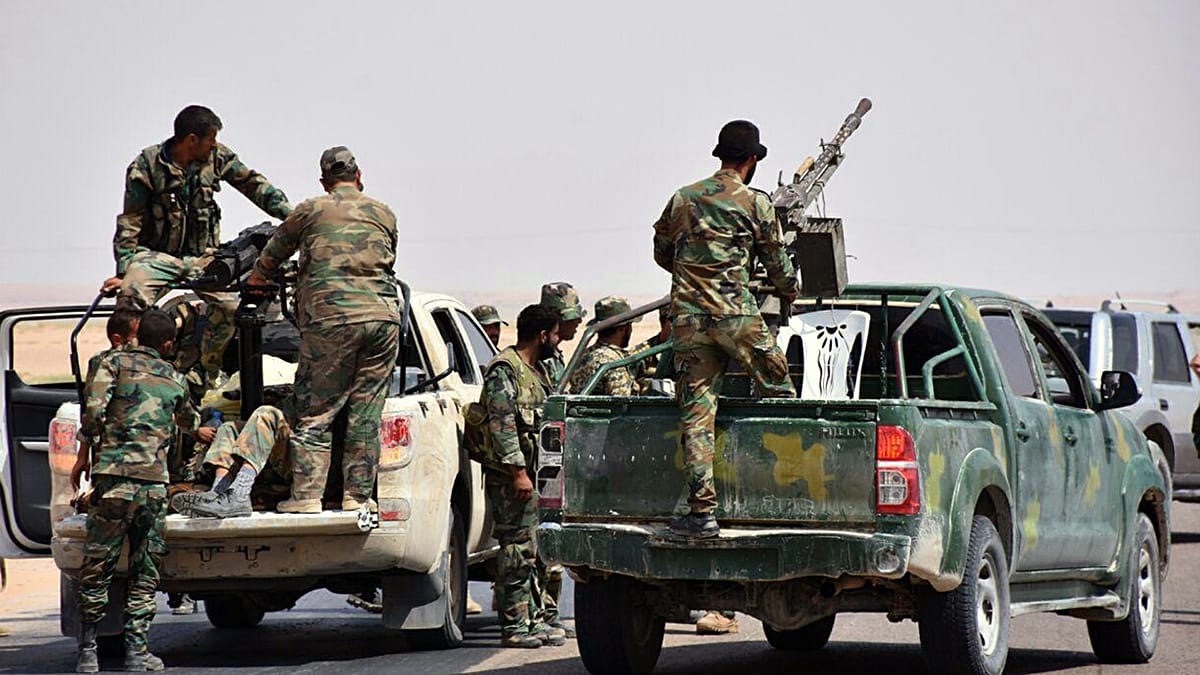
In the southern village of Zawtar al-Gharbiya, where three-quarters of the buildings have been destroyed and there is still no running water or electricity, Lebanese army units have been clearing unexploded ordnance and rubble, working with residents to recover bodies and ensuring that no Hezbollah military presence remains in the area.
framing: assertive · carried by 1 article(s) · first seen 2026-08-21
🔮 It’s all because of the war — it could resume at any moment.” While more than 800,000 displaced Lebanese people have returned to their homes in the south since the June ceasefire, my driver and his family remain among the hundreds of thousands still internally displaced.

Claims (60 extracted, 2 hedged)

BEIRUT — The Israel-Hezbollah ceasefire is becoming increasingly fragile as casualties mount and the Lebanese government struggles to deliver on its pledge to disarm Hezbollah. asserted
government → become → Hezbollah
What was presented as a critical step toward restoring Lebanon’s sovereignty now risks becoming little more than a mirage. asserted
presented → present → mirage
I sat by the plane’s window as Beirut’s Mediterranean coastline came into view. asserted
coastline → sit → view
As we landed, the cabin erupted in applause — a familiar Lebanese tradition celebrating a safe arrival. asserted
cabin → land → arrival
I joined in, but I wasn’t clapping for the pilot. asserted
I → join → pilot
I was applauding the resilience of passengers returning home despite the constant news of war, destruction and the rising death toll in southern Lebanon. asserted
I → applaud → Lebanon
My first question to the cab driver, as he sped toward my hotel along the virtually empty corniche on a weekend afternoon, with the Mediterranean stretching out beside us, was simple: “How is tourism these days?” asserted
tourism → speed → us
Look at it now — it’s almost empty,” he said. asserted
he → look → it
“Westerners are afraid to come, and Gulf countries have warned their citizens against travelling here. asserted
countries → come → citizens
We rely heavily on Lebanese living abroad for summer visits and the dollars they bring. asserted
they → rely → visits
It’s all because of the war — it could resume at any moment.” While more than 800,000 displaced Lebanese people have returned to their homes in the south since the June ceasefire, my driver and his family remain among the hundreds of thousands still internally displaced. uncertain
driver → ’ → thousands
They are living in temporary housing, collective shelters or with host families, unable to return to their villages. asserted
They → live → villages
Tensions there peaked in March after Hezbollah fired missiles at Israel, days after the United States and Israel began attacking Iran. asserted
States → peak → Iran
“Do you think the Lebanese army will be able to disarm Hezbollah, as agreed under the U.S.-brokered deal between Israel and the Lebanese government?” I asked. asserted
I → think → Israel
“It will never happen. asserted
It → happen → ?
The military does not recruit members based on political affiliation, but more than half of the army is Shiite Muslim. asserted
half → recruit → army
Many of sons serving in the army remain loyal to or sympathize with Hezbollah,” he said. asserted
he → serve → Hezbollah
“The Israelis are demanding what they call verified disarmament of Hezbollah before they withdraw from my village in the south. asserted
they → demand → south
I’m telling you now — it will never happen. asserted
it → tell → you
I am a Shiite Muslim myself, and in our religion, we don’t forget blood. asserted
we → forget → blood
We must avenge the deaths of our people in the south, our martyrs will not be forgotten. asserted
martyrs → avenge → south
It stops there.” asserted
It → stop → ?
Hezbollah was founded in 1982 by Lebanese Shiite clerics, including Hassan Nasrallah, who led the group until his death in an Israeli airstrike in September 2024. asserted
who → found → September
His successor, Naim Qassem, has rejected the U.S.-mediated framework, calling it “humiliating.” asserted
successor → reject → it
Under the terms of the June ceasefire, Hezbollah operatives were required to withdraw entirely from the buffer zone between the Israeli border and the Litani River, while Lebanese security forces were to assume control of designated “pilot zones” in the south that were previously occupied by Israeli forces. asserted
that → require → forces
In the southern village of Zawtar al-Gharbiya, where three-quarters of the buildings have been destroyed and there is still no running water or electricity, Lebanese army units have been clearing unexploded ordnance and rubble, working with residents to recover bodies and ensuring that no Hezbollah military presence remains in the area. asserted
presence → destroy → area
The U.S. State Department has maintained that the pilot-zone model is the only viable path toward lasting security for Lebanon, Israel and the wider region. asserted
model → maintain → Lebanon
Yet on the ground, skepticism among the locals remains high. asserted
skepticism → remain → locals
On paper, the agreement signed in Washington by Israel and Lebanon on June 26 marked a historic shift — the first direct agreement between the two countries since 1983. asserted
agreement → sign → 1983
A road map rather than a peace treaty, it recognizes Israel’s sovereignty and the two countries’ right to live in peace. asserted
it → recognize → peace
Yet Hezbollah, the central actor in the conflict, was not a signatory, underscoring the gap between the agreement’s diplomatic ambitions and the reality on the ground. asserted
Hezbollah → underscore → ground
I worked in Lebanon for a year with the International Committee of the Red Cross, visiting refugee camps, conflict zones and prisons. asserted
I → work → camps
I came to see a troubling pattern: Hezbollah-affiliated suspects rarely faced prolonged detention through Lebanon’s formal justice system. asserted
suspects → come → system
The few Hezbollah prisoners I interviewed were often quickly released on bail or discharged. asserted
I → interview → bail
Hezbollah is a Shiite Islamist political and paramilitary organization designated as a terrorist group by the United States, Canada and others. asserted
Hezbollah → designate → States
Over decades, it has become a state within the state, challenging Lebanon’s sovereignty and its institutions. asserted
it → become → sovereignty
Sitting in my hotel room on Aug. 5, I watched news coverage of the three-day peace talks between Lebanese and Israeli diplomats in Rome, where they were negotiating the broader terms of the U.S.-brokered agreement. asserted
they → sit → agreement
Then, suddenly, a breaking-news banner flashed across the screen: two Israeli soldiers had been killed and four wounded by an explosive device in southern Lebanon. asserted
four → break → Lebanon
The Israeli military described the incident as a “blatant violation” by Hezbollah. asserted
military → describe → Hezbollah
Israeli airstrikes followed, along with evacuation warnings for villages across southern Lebanon — a stark reminder of just how fragile the ceasefire remained. asserted
ceasefire → follow → Lebanon
…and 20 more, not listed.

💬Give feedback
🕘History 🎫Support