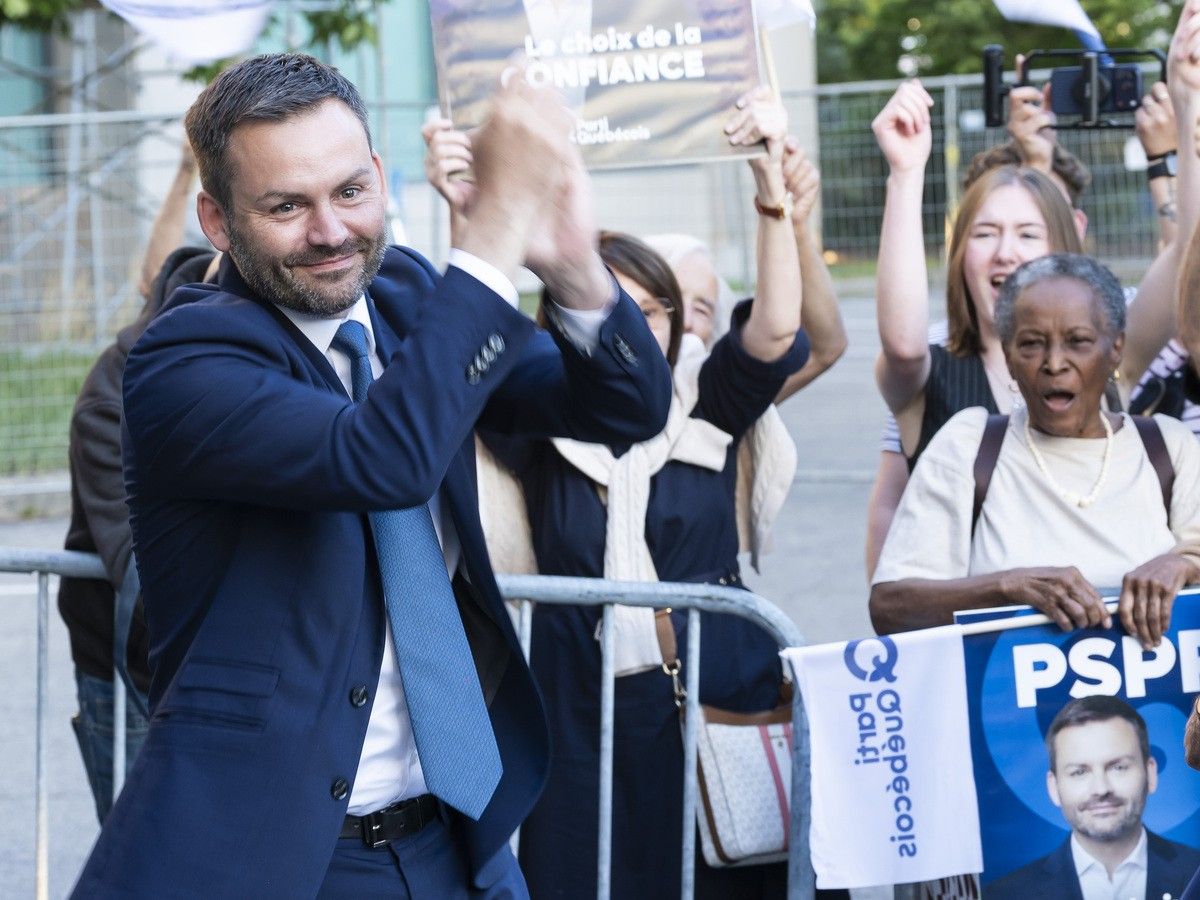
The Quebec election campaign is already more than halfway done, with polls showing that the Parti Québécois is still in the lead while the incumbent Coalition Avenir Québec’s “Trump bump” thanks to the trade war is slowly fading away.
asserted
bump → do → war
Still, with a large proportion of Quebecers who remain undecided, it’s no wonder that the leaders of all five political parties were banking heavily on national debates to either solidify their base or attempt to sway voters to go in another direction.
asserted
leaders → remain → direction
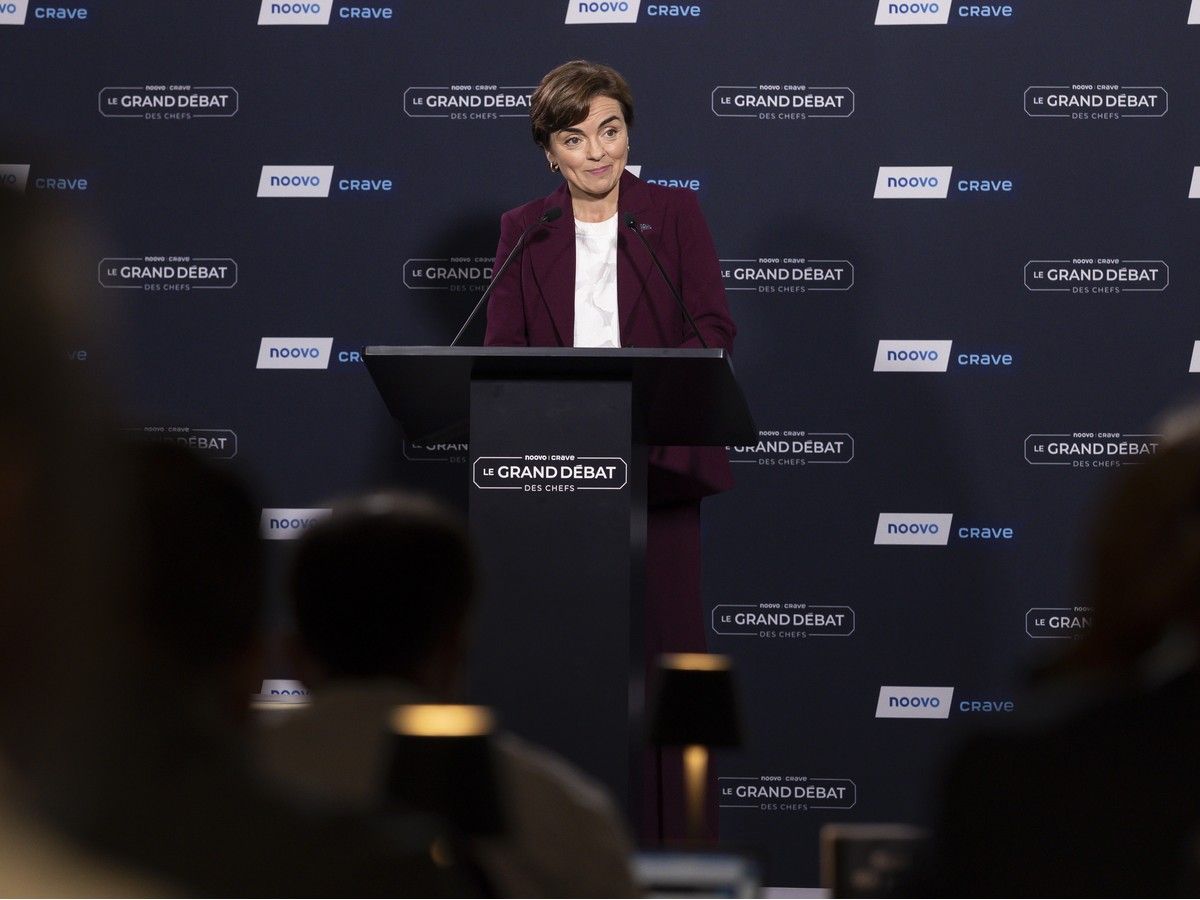
The first two debates, TVA Face-à-Face and Le Grand Débat des Chefs Noovo/Crave, took place Tuesday and Wednesday respectively.
asserted
debates → take → place
Radio-Canada will hold the third and final debate on September 23.
asserted
Canada → hold → September
While Fréchette was attacked on all sides in the first debate, shots were directed to St-Pierre Plamondon, the frontrunner, the second night.
asserted
shots → attack → Plamondon
But the PQ leader remained calm, his team says, in part because he had a picture of his children right in front of him.
asserted
he → remain → him
Milliard, still a relatively unknown leader seven months into the job, managed to get in a few zingers about his main opponents, mainly about the debate on separation.
asserted
Milliard → manage → separation
So, what did the public learn during these first two nights?
asserted
public → learn → nights
And could any of this move the needle as a very volatile Quebec electorate prepares to go to the polls?
uncertain
electorate → move → polls
Change is increasingly becoming the ballot question
asserted
Change → become → ?
In the TVA Face-à-Face, Fréchette used her opening statement to draw the line between her predecessor and herself.
“I am not François Legault.
asserted
I → use → predecessor
I am Christine Fréchette, and I bring my own way of doing things,” she said, before following up with a plea to opt for stability and experience amid the “great uncertainty” of the trade war with the United States.
asserted
she → bring → States
Unsurprisingly, her pitch did not convince her opponents who have all been trying to pin the controversies of the past eight years of the CAQ government on the new premier.
asserted
who → convince → premier
St-Pierre Plamondon even said during Le Grand Débat des Chefs Noovo/Crave that U.S. President Donald Trump isn’t the biggest threat to Quebec.
“The biggest source of instability for the next four years would be another four years of a bad government that squanders public funds recklessly,” he said.
asserted
he → say → funds
St-Pierre Plamondon has been banking on Quebecers’ appetite for change, and polls are showing that it is a message that is percolating as Trump is less in the news cycle.
asserted
Trump → bank → cycle
A Léger poll published before the first debate showed that more than 60 per cent of Quebecers want a change in government and a new party to govern the province.
asserted
cent → publish → province
In comparison, only 16 per cent of respondents said they do not want change.
asserted
they → say → change
However, there is another sticky statistic that shows that 70 per cent of Quebecers do not support sovereignty.
asserted
cent → be → sovereignty
Despite this, the PQ is not budging from its pledge to hold a third referendum on separation — but only after Trump leaves office in 2029.
asserted
Trump → budge → 2029
Fréchette had slightly adjusted her messaging in time for the Noovo debate.
asserted
Fréchette → adjust → debate
But we learned from that, and I have corrected past mistakes,” she said.
asserted
she → learn → mistakes
“Tonight, and in the days ahead, we need to ask ourselves a very important question: is this really the time to add uncertainty with Paul St-Pierre Plamondon’s referendum?
asserted
this → need → referendum
I will be working on your priorities, while he will be working on planning a referendum.”
asserted
he → work → referendum
The PQ leader is reluctant to say the word ‘referendum’
asserted
leader → say → word
Milliard was the first person to note that St-Pierre Plamondon had pulled off the feat of not saying the word “referendum” one single time in the TVA Face-à-Face debate.
asserted
Plamondon → note → debate
The PQ leader instead found some colourful ways to describe the consultation process.
asserted
leader → find → process
“We must carve out space to reflect on our future if we want to ensure our long-term survival as a people,” he said at some point.
asserted
he → carve → point
Later, he said he is making “no secret” that he is in favour of Quebec separating from Canada, adding that he is a “proponent of independence.”
St-Pierre Plamondon ended up saying the word near the end of the Noovo debate.
asserted
Plamondon → say → debate
“The Parti Québécois is committed to holding a consultation — a referendum — after the Trump era,” he said.
asserted
he → commit → era
The process is estimated to cost $130 million, he said.
asserted
he → estimate → million
The idea of a referendum caused most of the other leaders to roll their eyes.
asserted
most → cause → eyes
“Let’s not waste $130 million just to suffer a third ‘Yes’ defeat on sovereignty,” said Duhaime, who has been in favour of separation in the past but now considers himself to be a Quebec “autonomist” within Canada.
asserted
himself → waste → Canada
Despite his plan to eventually attempt to separate from Canada, St-Pierre Plamondon said during the TVA Face-à-Face he was ready to “collaborate” with Prime Minister Mark Carney and other provinces if he becomes premier on October 5.
asserted
he → attempt → October
“That’s new,” chirped Milliard.
asserted
Milliard → ’ → ?
St-Pierre Plamondon shot back that Milliard wants Carney to become his “boss.”
asserted
Carney → shoot → ?
The PQ leader claims that former PQ premiers were able to get many concessions from Ottawa during their time in office.
uncertain
premiers → claim → office
That was notably the case for René Lévesque with Pierre Elliott Trudeau and Jacques Parizeau with Jean Chrétien, he said.
asserted
he → say → Chrétien
St-Pierre Plamondon said he will work with Carney if and when it is in Quebec’s best interest.
asserted
it → say → interest
He also openly wondered if Fréchette had been consulted before Ottawa announced its plans to partly privatize its four major airports.
asserted
Ottawa → wonder → airports
Turns out, she wasn’t.
asserted
she → turn → ?
…and 25 more, not listed.
 The Aporia