That is 0 articles you have read today.
The Aporia is free and carries no advertising, so readers are the only
thing paying for it. If you are getting this much out of it, a small
donation is what keeps it independent.
Daily limit reached
You have read 0 articles today.
That is more than the 15 a day The Aporia gives away,
and well past what it can carry on nothing. Your allowance resets at
midnight.
There is no advertising here and nothing about you is sold, so readers
are the only thing paying for it. If the site is worth this much of
your day, it is worth a few dollars.
Everything else stays open: the
maps, the
directory and
search do
not count against this, and neither does re-opening something you have
already read today.
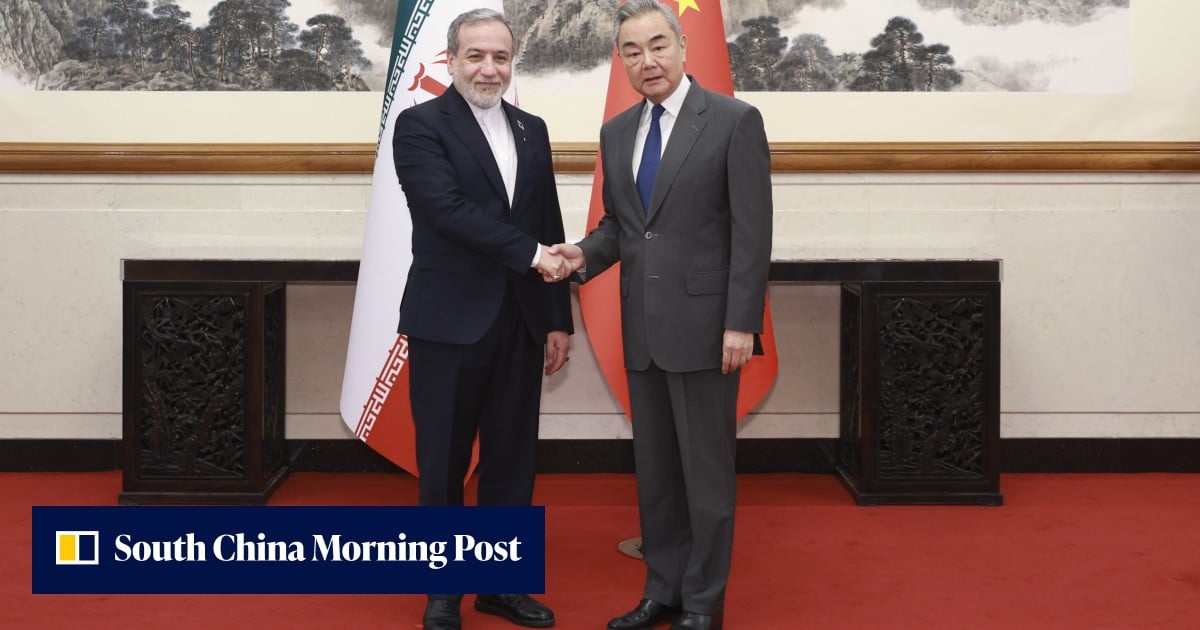
Chinese officials, at Saudi Arabia's request, have asked Iran to restrain its ally, the Yemen-based Houthi rebels, following recent Houthi military advances along the Red Sea coast that threaten Saudi oil exports and shipping routes. The Houthis now control much of Yemen’s coastline, raising concerns about attacks on vessels in the strategically important Bab el Mandeb Strait, a narrow passage connecting the Red Sea to the Gulf of Aden. China's Foreign Minister Wang Yi met with Iranian Foreign Minister Abbas Araghchi, urging all parties to resolve conflicts through dialogue and negotiation while emphasizing the need for stability in international energy transportation routes and supply chains.
Written locally by qwen2.5:14b on 2026-09-17,
using this article's own text rather than the other coverage of the
same event (that is the story summary below).
Story summary
China has privately urged Iran to use its influence over the Houthis, a Yemen-based rebel group, after Saudi Arabia appealed for help amid recent Houthi advances along Yemen’s Red Sea coast. These moves have exposed Saudi oil exports and shipping routes, particularly around the strategic Bab el-Mandeb Strait. Chinese officials emphasized the importance of regional stability and safe navigation but did not issue explicit threats to Iran. With Chinese purchases accounting for more than 80% of Iran's seaborne oil exports in 2025, averaging about 1.4 million barrels per day, Beijing’s request reflects its reliance on energy routes that are now at risk due to Houthi activities. This situation underscores China's growing influence and the delicate balance it must maintain between economic interests and regional security concerns.
Written for “China Iran Houthi Relations” on 2026-09-18,
grounded in this article and the 1 other(s) covering the same event.
Why this leaning score
The model judged this article politically coded and scored it -0.35, but every quote it verified points right, so the score is not published.
Written under an earlier scoring contract, which gave a paragraph
rather than checkable quotes. Re-analysing this article replaces it.
Leaning score withheld for article 16604: score contradicts its own evidence · logged 2026-09-17
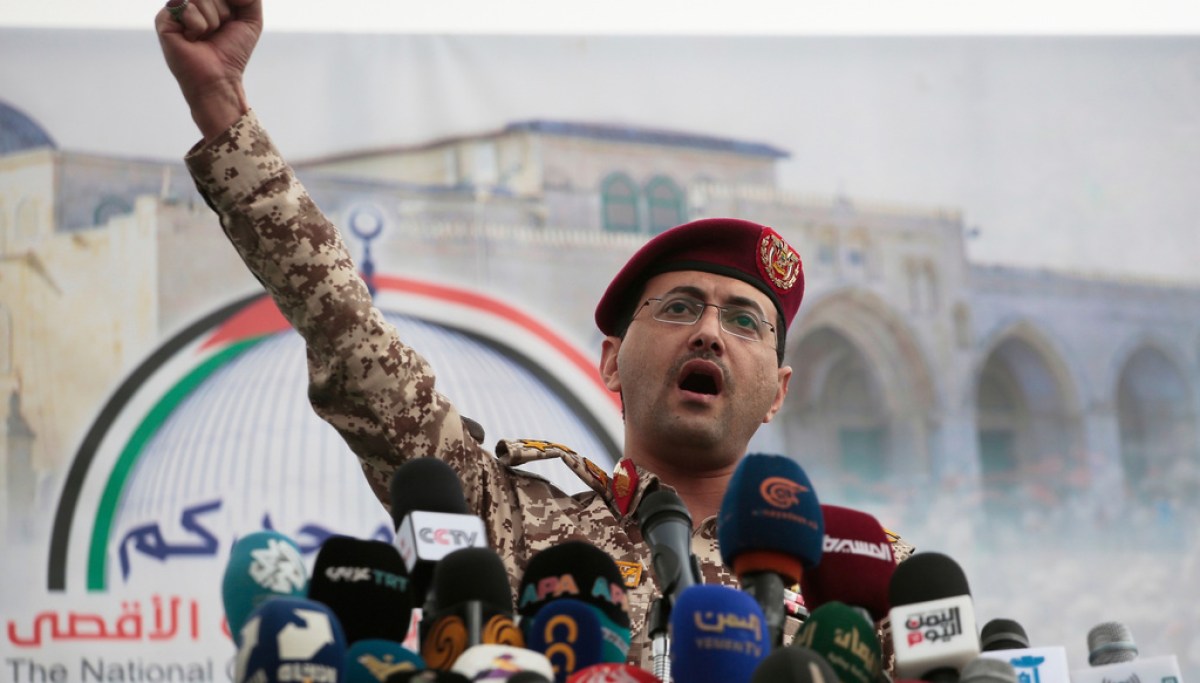
China, at the request of Saudi Arabia, has urged Iran to rein in its allies in the Yemen-based Houthis, who have conducted a military blitz that has left Saudi oil exports and shipping exposed.
asserted
that → urge → exports
Saudi officials reached out to the Chinese after the Houthis’ rapid advances along the Red Sea coast this month, according to Reuters.
The Houthis’ actions pose a unique threat in the region as Iran has limited shipping through the Strait of Hormuz for several months.
uncertain
Iran → reach → months
The Red Sea is a key waterway, especially in light of the Iranian attacks in the strait, that connects the Indian Ocean to the Mediterranean Sea.
asserted
that → connect → Sea
The narrowest point of the Red Sea is called the Bab el Mandeb Strait, and the Houthis carried out dozens of attacks on transiting vessels there in response to the Israel-Hamas war.
asserted
Houthis → call → war
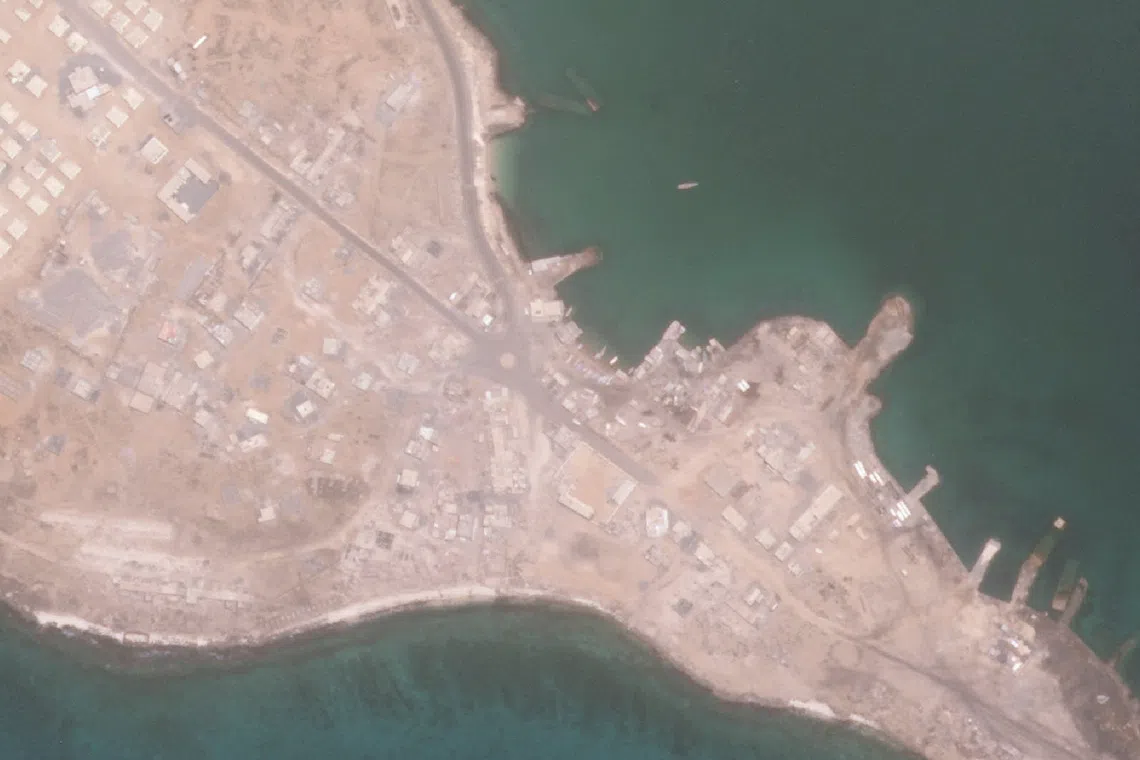
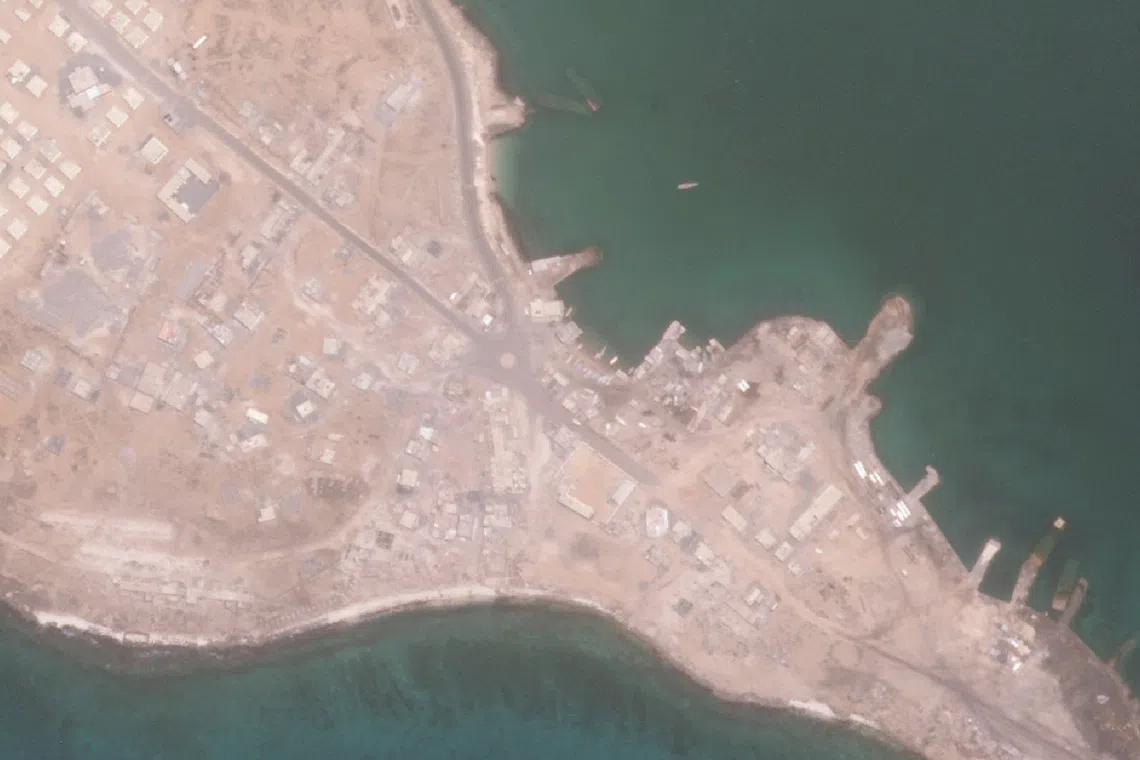
The Houthis now control the entire coast of Yemen, including Perim Island, which is off Yemen’s coast.
asserted
which → control → coast
Amid fears that they would resume attacks on vessels transiting the waterways and further imperil the global energy crisis, the Iranian-aligned rebels said they would only attack Saudi vessels.
asserted
they → resume → vessels
Saudi Arabia’s East-West pipeline was recently damaged, as well, in attacks blamed on Iranian-backed militias in Iraq.
asserted
pipeline → damage → Iraq
The pipeline had been an alternative way to transport oil, with the Strait of Hormuz less viable.
asserted
Strait → transport → Hormuz
Iranian Foreign Minister Abbas Araghchi traveled to Beijing on Wednesday to meet with his Chinese counterpart, Wang Yi.
asserted
Araghchi → travel → counterpart
Wang told his Iranian counterpart that the “continued protracted conflict between the U.S.-Iran conflict is not in the common interest of the parties involved or the international community,” according to a readout of their meeting from Chinese foreign ministry spokesman Lin Jian.
uncertain
conflict → tell → Jian
The U.S. has sought to squeeze Iran economically amid the extended but low-level war.
asserted
U.S. → seek → war
China is the primary buyer of Iranian oil, and even as an ally, Beijing wants to see the Strait of Hormuz reopened and does not want to see the tension spill over across the region.
asserted
tension → want → region
“We urge all parties to take effective measures to open the Strait of Hormuz as soon as possible, maintain the safety and smooth flow of international shipping lanes, and safeguard the stability of international energy transportation and supply chains,” Jian’s readout continues.
asserted
readout → urge → transportation
“We do not want regional tensions to spill further over into Yemen and the Red Sea.
asserted
tensions → want → Yemen
We call on all parties to stop further complicating the situation and resolve issues through dialogue and negotiation.”
asserted
We → call → dialogue
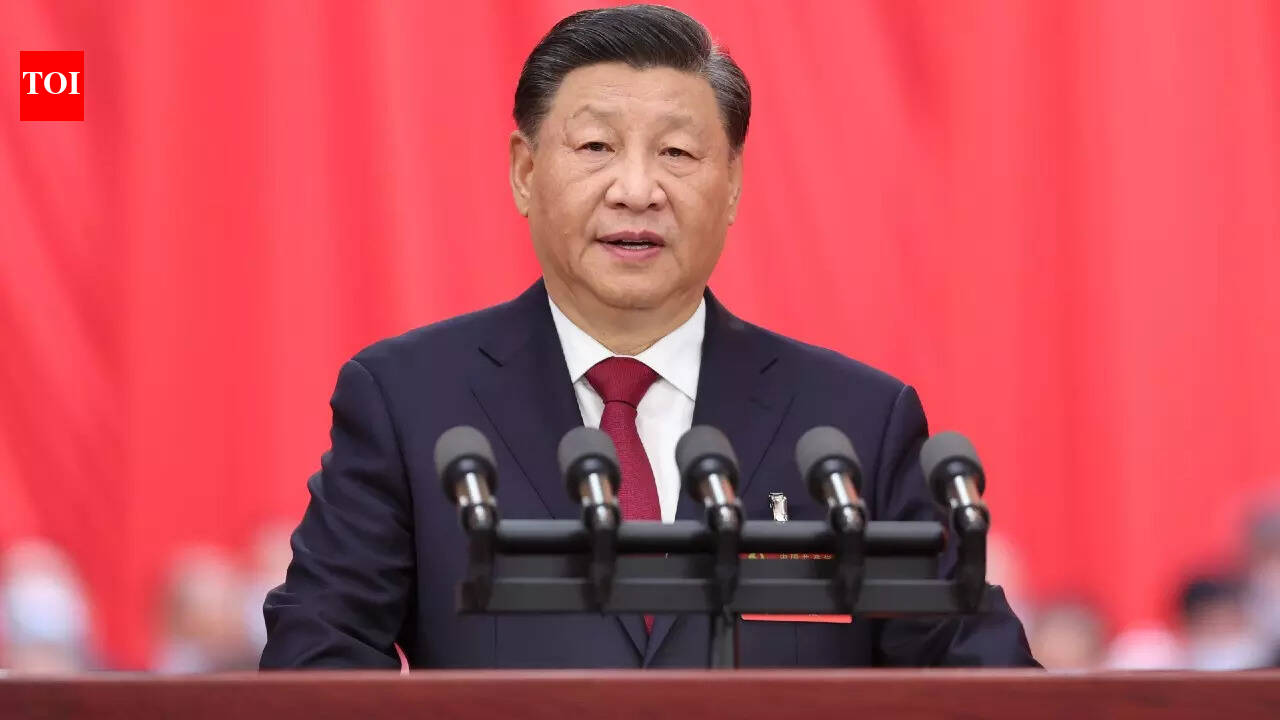
The Araghchi-Yi meeting comes a week ahead of Chinese President Xi Jinping’s highly anticipated visit to Washington to meet with President Donald Trump.
asserted
meeting → come → Trump
 The Aporia