That is 0 articles you have read today.
The Aporia is free and carries no advertising, so readers are the only
thing paying for it. If you are getting this much out of it, a small
donation is what keeps it independent.
Daily limit reached
You have read 0 articles today.
That is more than the 15 a day The Aporia gives away,
and well past what it can carry on nothing. Your allowance resets at
midnight.
There is no advertising here and nothing about you is sold, so readers
are the only thing paying for it. If the site is worth this much of
your day, it is worth a few dollars.
Everything else stays open: the
maps, the
directory and
search do
not count against this, and neither does re-opening something you have
already read today.
On September 17, 2026, China's Foreign Ministry spokesperson Guo Jiakun stated that China opposes U.S. sanctions and tariffs linked to purchasing Russian oil and gas, emphasizing that such cooperation should not face interference from third parties like the United States. The U.S. House of Representatives had just passed a bill authorizing President Trump to impose sanctions on Russia and steep tariffs on its trading partners, including China and India, which Chinese officials say lacks legitimacy without UN Security Council approval. China also noted ongoing discussions with the U.S. over reciprocal tariff reductions worth $30 billion each for products traded between both countries.
Written locally by qwen2.5:14b on 2026-09-17,
using this article's own text rather than the other coverage of the
same event (that is the story summary below).
Story summary
The United States House of Representatives passed a bipartisan sanctions bill targeting Russia on Wednesday, with a final vote of 262 to 159, after more than a year of delays and opposition. The legislation, championed by the late Senator Lindsey Graham, gives President Donald Trump new powers to impose tariffs up to 100 percent on countries like China and India that import energy supplies from Russia. This measure aims to further restrict financial support flowing to Moscow due to its ongoing war in Ukraine. While it received overwhelming bipartisan support in both chambers of Congress, Democrats were divided over concerns about expanding presidential tariff authority, with some fearing potential misuse against allies. The bill now awaits President Trump's signature.
Written for “US Russia Sanctions Bill” on 2026-09-18,
grounded in this article and the 16 other(s) covering the same event.
Why this leaning score
The model judged this article politically coded and scored it -0.45, but all 3 of its quote(s) are attributed speech - words the article quotes from someone, not the article's own narration, so the score is not published.
Written under an earlier scoring contract, which gave a paragraph
rather than checkable quotes. Re-analysing this article replaces it.
Leaning score withheld for article 16595: attributed speech only · logged 2026-09-17
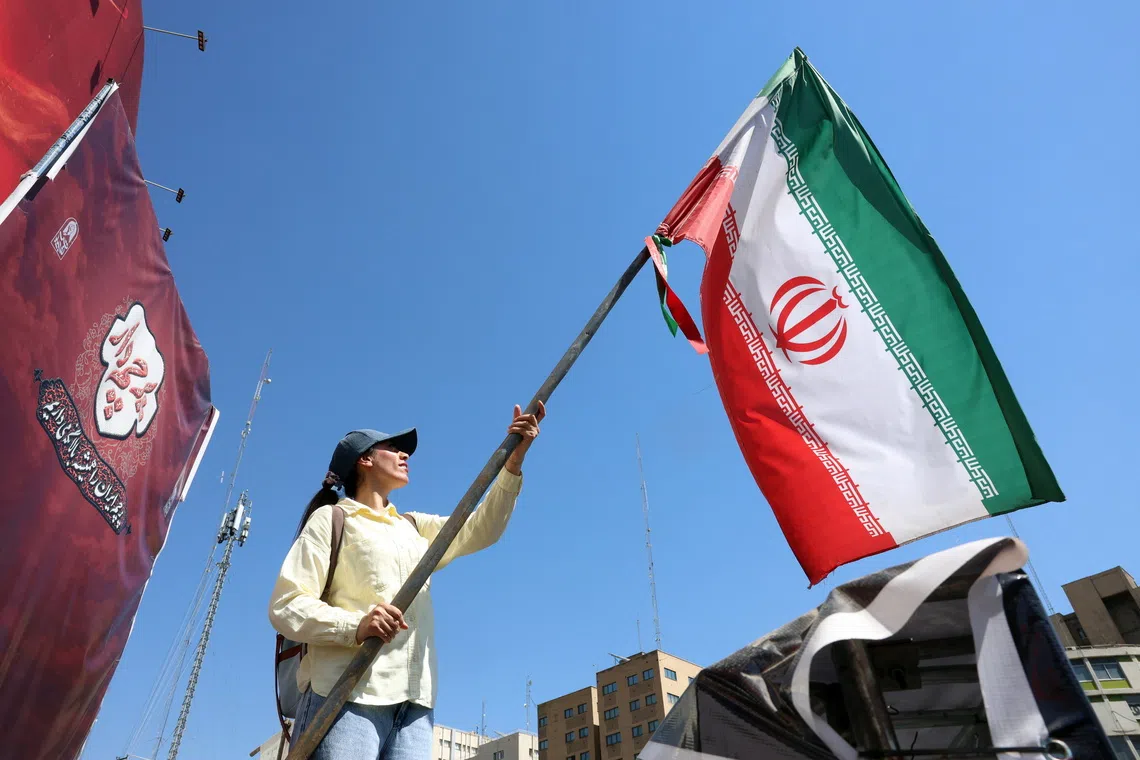
China on Thursday (September 17, 2026) rejected the U.S. “long-arm jurisdiction” to impose tariffs on purchases of Russian oil and gas, saying its normal trade and economic cooperation with other countries should not be subject to interference or coercion by third parties.
asserted
trade → reject → parties
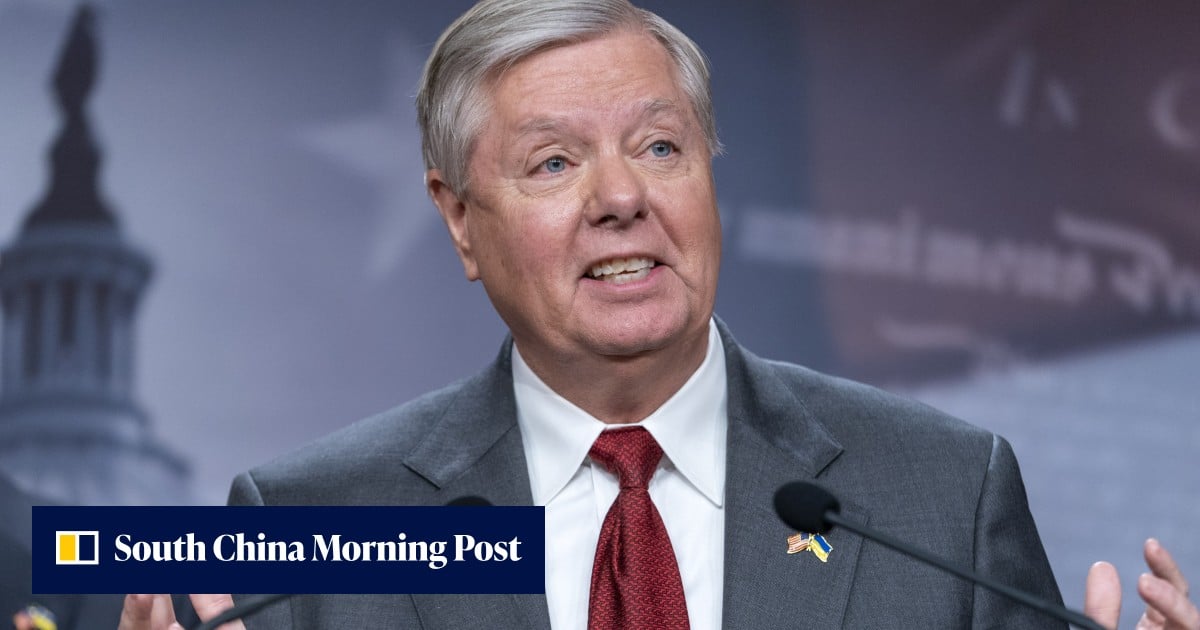
The U.S. House of Representatives passed the Lindsey O Graham Sanctioning Russia and Iran Act 2026 that authorises Mr. Trump to impose sanctions on Russia and steep tariffs on its leading trading partners such as India and China.
asserted
Trump → pass → India
Asked about the bill, Chinese Foreign Ministry spokesperson Guo Jiakun told a media briefing in Beijing that China opposes any action that lacks UN Security Council authorisation.
asserted
that → ask → authorisation
“China engages in normal economic and trade cooperation with other countries on the basis of equality and mutual benefit”, Mr. Guo said.
asserted
Guo → engage → equality
“Such cooperation does not target any third party and shall be free from disruption or coercion from any third party.
asserted
cooperation → target → party
China opposes long-arm jurisdiction and unilateral sanctions that have no basis in international law and lack UN Security Council mandate”, he said.
asserted
he → oppose → mandate
China reiterated its opposition to any tariff linkages to buying oil and gas from Russia ahead of Chinese President Xi Jinping’s planned visit to Washington next week for a summit meeting with Mr. Trump.
asserted
China → reiterate → Trump
The summit, expected to be held from September 24-25, will be their second summit this year.
asserted
summit → expect → September
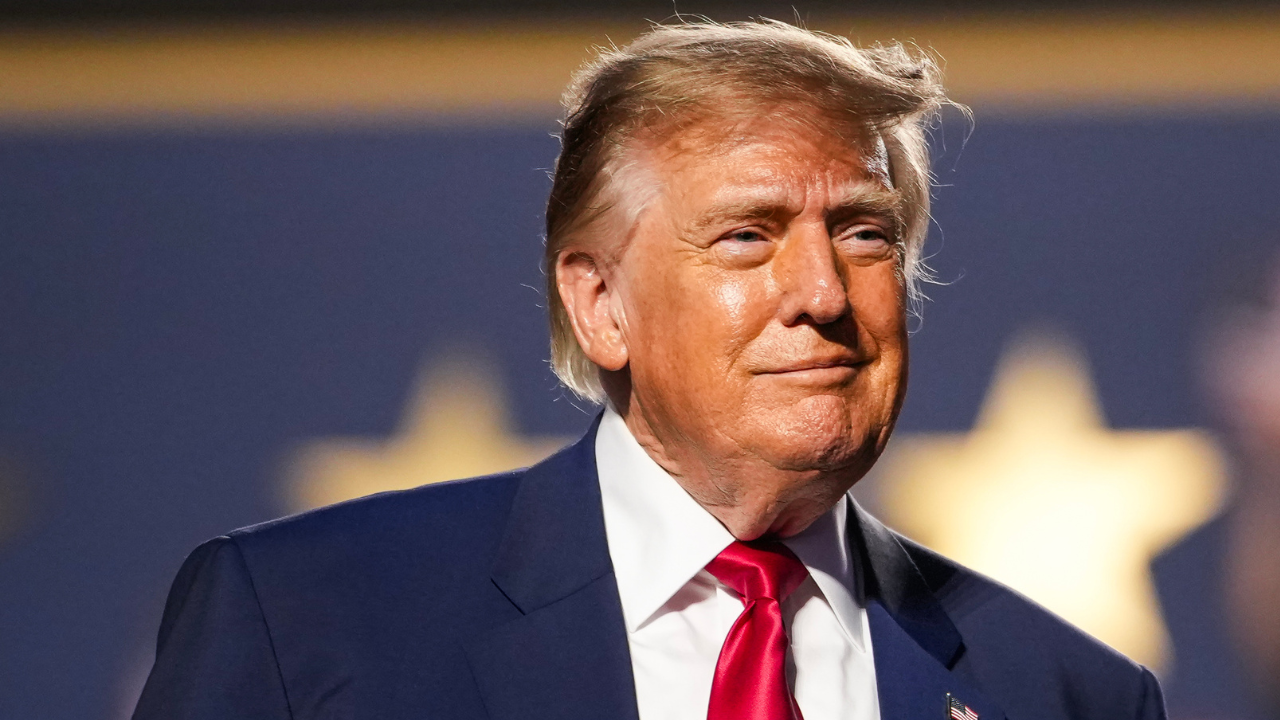
Mr. Trump visited Beijing in May this year and held extensive talks with Xi.
uncertain
Trump → visit → Xi
Meanwhile, the Chinese Commerce Ministry on Thursday (September 17, 2026) said Beijing and Washington are in talks to reach an agreement on a reciprocal tariff regime.
asserted
Beijing → say → regime
China and the U.S. are holding consultations on a reciprocal tariff reduction framework arrangement that would cover $30 billion worth of products from each side, the ministry said.
asserted
ministry → hold → side
Economic and trade teams from both countries are earnestly carrying out the consensus reached by the two heads of state during their meeting in Beijing.
asserted
teams → carry → Beijing
The aim of the consultations is to reach a reciprocal tariff reduction arrangement at the earliest possible date, ministry spokesperson Huang Ling was quoted as saying by state-run Xinhua news agency.
asserted
Ling → reach → agency
Beijing has repeatedly opposed unilateral sanctions.
asserted
Beijing → oppose → sanctions
It also defied U.S. sanctions against buying oil from Iran.
asserted
It → defy → Iran
Much of China's imports are transported through pipelines crossing its land border.
asserted
Much → transport → border
According to official data, China’s imports of Russian oil and gas amounted to $64 billion last year, and its imports from January to August this year crossed over $70 billion.
uncertain
imports → accord → billion
The bill passed by the U.S. Senate last month was approved by the House in a 262-159 vote on Wednesday (September 16, 2026) and will now go to Mr. Trump to be signed into law.
asserted
bill → pass → law
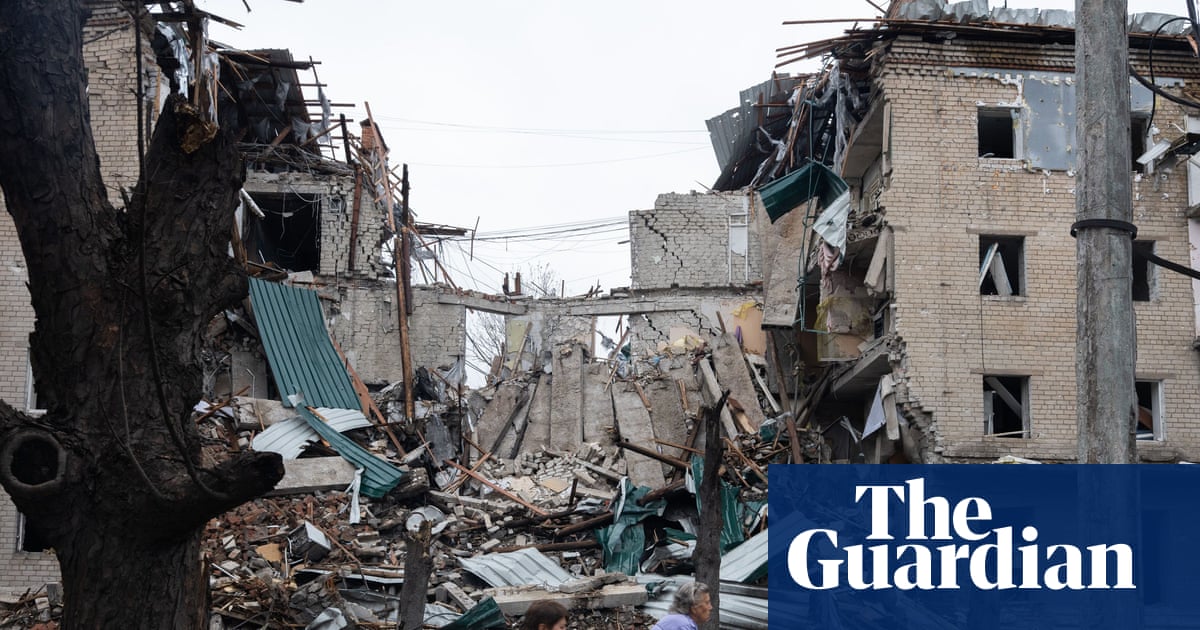
It aims to punish Russia for continuing the war against Ukraine.
asserted
It → aim → Ukraine
 The Aporia