On Thursday morning, stock markets recovered from a previous day's decline following the Federal Reserve’s interest-rate hike. The Dow Jones Industrial Average climbed by about 305 points (0.6%), while the S&P 500 and Nasdaq gained 1% and 1.3%, respectively. Treasury yields also eased slightly, with the 10-year yield dropping to 4.951%. Meanwhile, oil prices dipped but remained close to $100 per barrel. Investors responded positively as the Fed’s actions clarified future policy expectations, despite concerns about higher borrowing costs impacting consumers.
Written locally by qwen2.5:14b on 2026-09-17,
using this article's own text rather than the other coverage of the
same event (that is the story summary below).
Story summary
On Thursday, U.S. stock indexes rose sharply following the Federal Reserve's decision to hike interest rates in an effort to curb inflation, with the S&P 500 up 1.2% and the Nasdaq Composite surging 1.6%. Bond yields fell as well, with the 10-year Treasury yield declining from 5.02% to 4.96%, while oil prices dipped below $100 per barrel for the first time since September 11th. The U.S. jobless claims report showed a decline in filings to their lowest level since July, although this could be an outlier due to it being a short holiday week. Meanwhile, oil's decline was partly attributed to speculation that President Trump might discuss Iran-related tensions with Gulf leaders at the upcoming UN General Assembly meeting.
Written for “Fed Rate Hike Impact” on 2026-09-17,
grounded in this article and the 1 other(s) covering the same event.
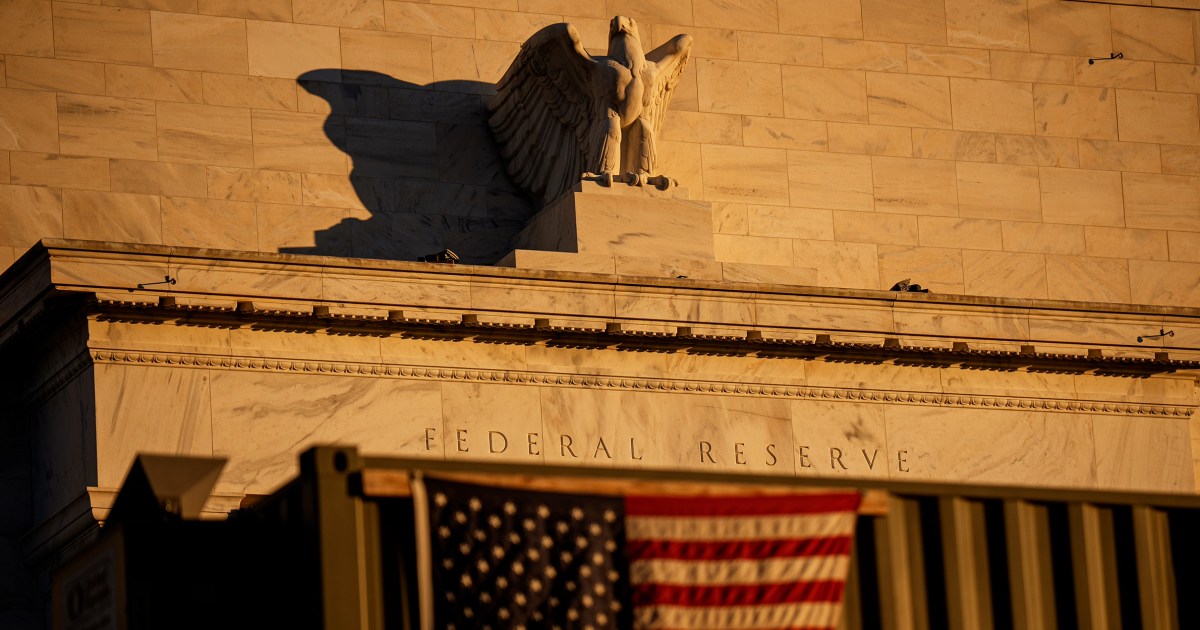
Stocks climbed Thursday morning as Wall Street tried to bounce back from a steep sell-off the previous day, after the Federal Reserve issued its first interest-rate hike in three years.
asserted
Reserve → climb → years
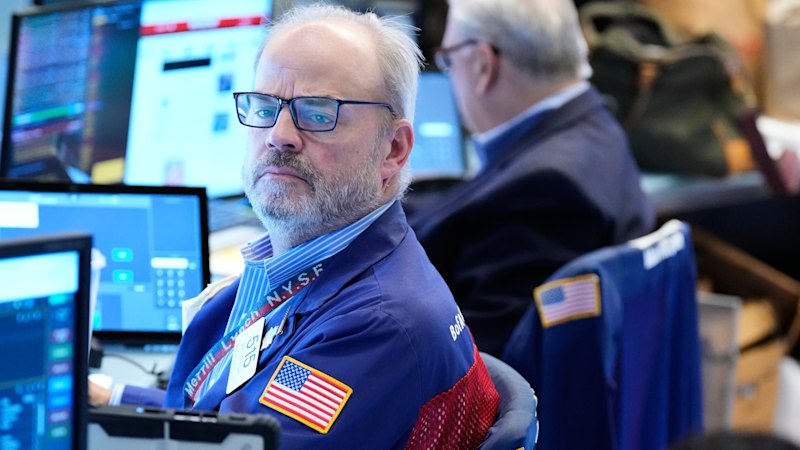
The Dow Jones Industrial Average jumped 305 points, or 0.6%, by about 9:40 a.m. ET, while the S&P 500 and Nasdaq rose 1% and 1.3%, respectively.
asserted
S&P → jump → ET
Long-term Treasury yields eased slightly after the Fed decision, following a rapid run-up over the past few weeks as traders feared officials were waiting too long to act on inflation.
asserted
officials → ease → inflation
The US 10-year Treasury yield dipped to 4.951%, while the 30-year yield eased to 5.309%.
asserted
yield → dip → %
Bob Edwards, chief investment officer at Edwards Asset Management, said stocks are rising and Treasury yields are easing because the Fed’s meeting cleared up some uncertainty.
asserted
meeting → say → uncertainty
“Stocks have the clarity needed from the Federal Reserve to resume their rally as the market’s wall of worry continues,” he said in a Thursday note.
asserted
he → have → note
“Wednesday’s rate hike was already priced into the markets since bond yields have been rising and stocks have been declining in recent weeks.”
asserted
stocks → price → weeks
Oil prices dipped on Thursday, though they still remained near the $100 level.
asserted
they → dip → level
Brent crude oil prices fell 2.6% to $103.30 a barrel while West Texas Intermediate slid 1.8% to $100.55 a barrel.
asserted
Intermediate → fall → 100.55
Investors had largely been expecting the Fed to hike interest rates by a quarter point in an attempt to tackle stubborn inflation.
asserted
Fed → expect → inflation
But the Fed rarely issues standalone rate movements, and the real market mover was its forecast for more rate hikes this year.
asserted
mover → issue → hikes
On Wednesday, the Dow fell more than 630 points, or 1.2%, while the S&P 500 dropped 0.5%.
asserted
S&P → fall → Wednesday
The Nasdaq ended the session just slightly in the red.
asserted
Nasdaq → end → red
The committee’s dot plot showed 12 of 18 officials expect one more rate hike this year and four anticipate two more rate hikes.
asserted
four → show → hikes
Just two predicted no more rate hikes.
asserted
two → predict → hikes
Charlie Gasparino has his finger on the pulse of where business, politics and finance meet
Sign up to receive On The Money by Charlie Gasparino in your inbox every Thursday.
Thanks for signing up!
Economists have warned that higher interest rates could raise borrowing costs on mortgages, auto loans and credit cards – hitting consumers who are already struggling with a tight housing market and sky-high gasoline prices.
uncertain
who → meet → market
Most analysts expect the second rate hike to come in December, not at the Fed’s next meeting in October – which is just days before the November midterm elections and could invite blowback from President Trump, who is trying to tackle affordability concerns.
uncertain
who → expect → concerns
Trump on Wednesday night decried the rate hike, though he notably refrained from attacking Warsh personally — blaming the Fed board, instead.
asserted
he → decry → board
“I’m relying on Kevin, but he’s got a very tough board,” the president told reporters.
asserted
president → rely → reporters
“I talked to Kevin and I said, ‘You might as well vote with the board because it’s not going to matter.'”
uncertain
it → talk → board
He reiterated longstanding calls for rate cuts, posting earlier on Truth Social: “Interest Rates in the United States should be 1%, or less, because we are the Best Credit in the World — BY FAR.”
asserted
we → reiterate → World
So far in September, consumer sentiment has dropped to 47.8, down from 51.7 the previous month and near the historic lows reached earlier this year amid the Iran war, according to a monthly survey the University of Michigan released last week.
uncertain
University → drop → Michigan
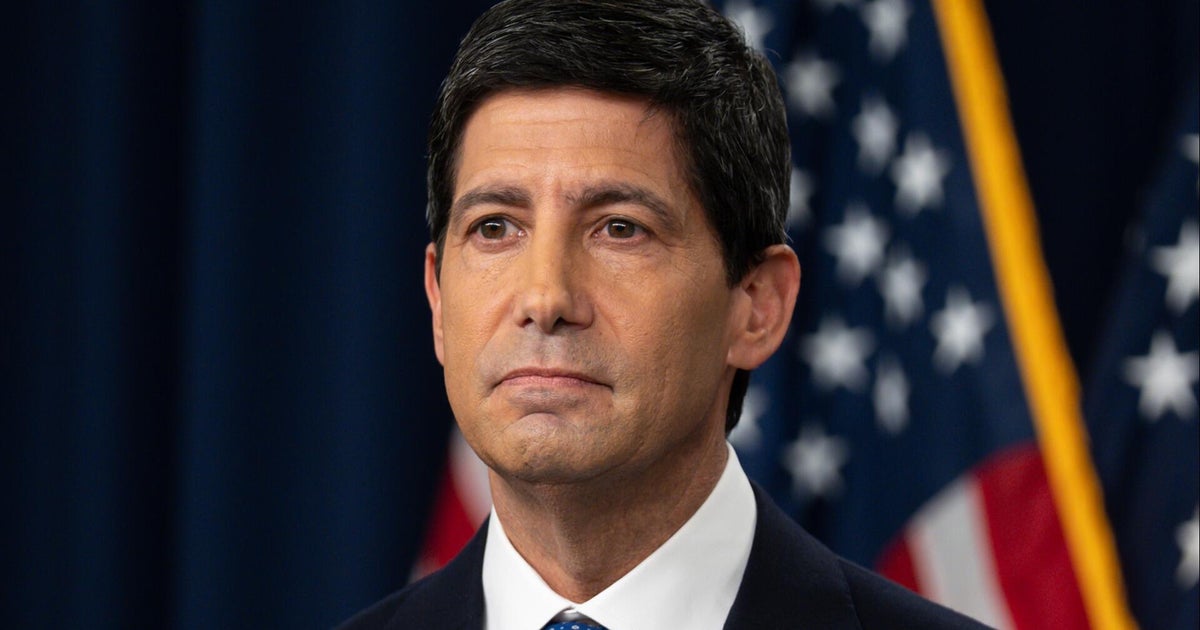
During a Wednesday press conference, Fed Chair Kevin Warsh addressed the impact of rate hikes on lower-income Americans already facing a high cost of living.
asserted
Warsh → address → living
“Those who are least well off have the most to gain from a durable expansion, a solid labor market and stable prices,” he said.
asserted
he → have → expansion
Meanwhile, analysts have warned that the Fed’s new stance against forward guidance – which has been led by Warsh – could lead to more stock market volatility ahead of future meetings.
uncertain
which → warn → meetings
 The Aporia