That is 0 articles you have read today.
The Aporia is free and carries no advertising, so readers are the only
thing paying for it. If you are getting this much out of it, a small
donation is what keeps it independent.
Daily limit reached
You have read 0 articles today.
That is more than the 15 a day The Aporia gives away,
and well past what it can carry on nothing. Your allowance resets at
midnight.
There is no advertising here and nothing about you is sold, so readers
are the only thing paying for it. If the site is worth this much of
your day, it is worth a few dollars.
Everything else stays open: the
maps, the
directory and
search do
not count against this, and neither does re-opening something you have
already read today.
On Tuesday, US Treasury yields reached their highest levels since 2007, with the 10-year yield hitting 5.041%. This increase comes as oil prices surpassed $105 a barrel and stock markets declined due to expectations of an interest rate hike by the Federal Reserve to combat inflation at its upcoming meeting. The article highlights concerns over rising borrowing costs affecting mortgages and business loans, alongside predictions from Morgan Stanley and Goldman Sachs that the Fed will raise rates for the first time in three years.
Written by the local model on 2026-09-15,
using this article's own text rather than the other coverage of the
same event (that is the story summary below).
Story summary
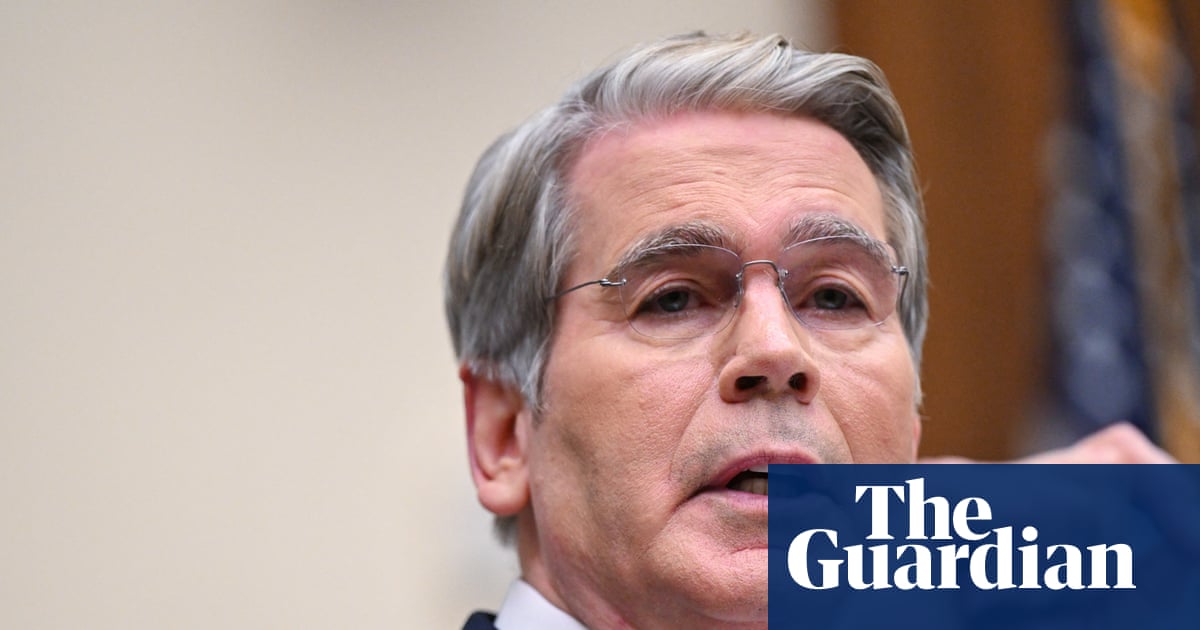
The 10-year US Treasury yield breached the significant threshold of 5% for the first time since October 2023, driven by escalating inflation fears and energy supply disruptions. This milestone was reached as oil prices surged to over $108 a barrel, amid ongoing conflicts in the Middle East that threaten vital shipping routes like the Strait of Hormuz. The sell-off in bond markets intensified concerns about higher borrowing costs for consumers and businesses, with mortgage rates and auto loans expected to rise. Central banks worldwide are now considering more hawkish policies; the Federal Reserve is likely to raise interest rates this week to combat inflation. Treasury Secretary Scott Bessent's efforts to stabilize government debt have faltered under these pressures.
Written for “US Treasury Yields Soar” on 2026-09-17,
grounded in this article and the 7 other(s) covering the same event.
Why this leaning score
This article does not take a side on a contested political
question, so it has no leaning score. That is an
answer rather than a gap: a match report or a rescue can be warmly
or critically written without being left or right, and scoring it
anyway is how approval of a subject gets recorded as a political
position.
No political leaning scored for article 12004 · logged 2026-09-15
The US 10-year Treasury yield hit its highest level since 2007 on Tuesday, as oil prices jumped above $105 a barrel and stocks slumped on higher odds of an interest-rate hike this week.
asserted
stocks → hit → hike
Earlier in the session, it hit 5.041% — its highest level in 19 years — as traders grew more convinced the Federal Reserve will raise interest rates to counter inflation at its Wednesday meeting.
asserted
Reserve → hit → meeting
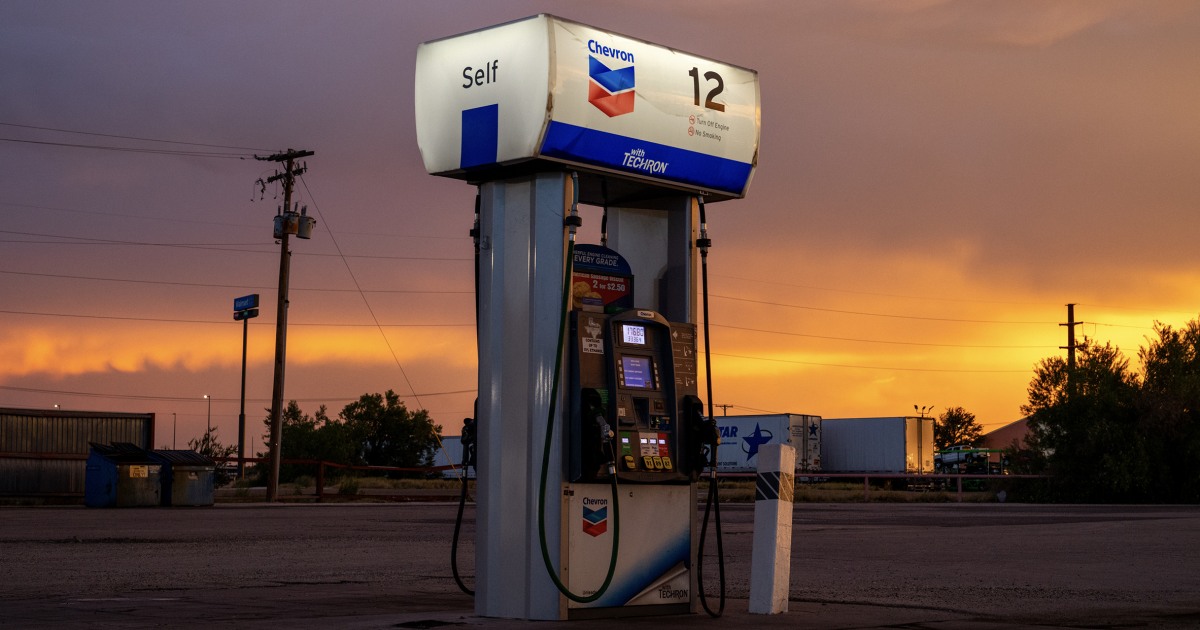
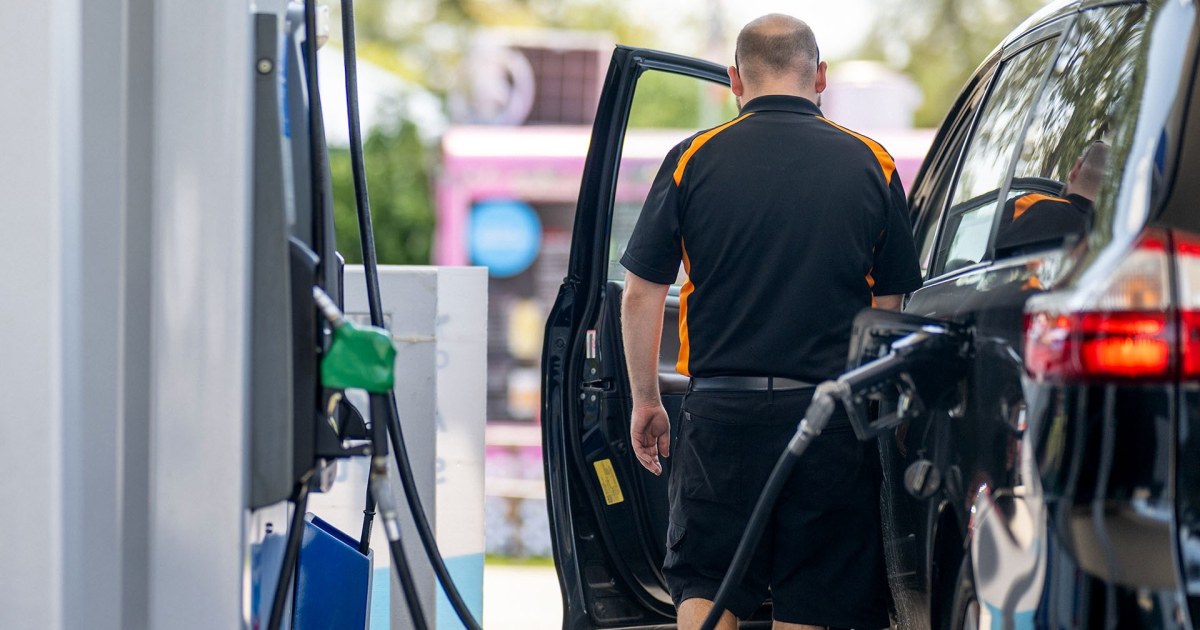
National average diesel prices hit a fresh record high of $6.27 a gallon on Tuesday, up from the previous day’s record $6.23.
asserted
prices → hit → 6.23
Gasoline prices reached $4.33 a gallon.
asserted
prices → reach → 4.33
Brent crude oil surged 2.9% to $108.76 a barrel as the Middle East crisis shows no signs of slowing, raising concerns that crucial energy supplies through the Strait of Hormuz could remain disrupted – worsening inflation.
uncertain
supplies → surge → inflation
The Dow Jones Industrial Average had fallen 465 points, or 0.9%, as of about 2:50 p.m. ET, while the S&P 500 and Nasdaq slumped 0.5% and 0.8%, respectively.
asserted
S&P → fall → ET
The 30-year Treasury yield, which is more sensitive to geopolitical shocks, jumped to 5.368%.
asserted
which → jump → %
The 2-year Treasury yield rose to 4.665%.
asserted
yield → rise → %
One of the key concerns with rising Treasury yields is that they have the potential to worsen affordability issues — higher rates raise borrowing costs on mortgages and auto loans, as well as business loans.
asserted
rates → rise → mortgages
Investors priced in a 94% chance the Fed will raise interest rates by a quarter point to the 3.75% to 4% range Wednesday, which would be its first rate hike in three years, according to CME FedWatch, which tracks Fed Funds futures.
uncertain
which → price → futures
Morgan Stanley and Goldman Sachs abandoned their predictions the Fed will hold interest rates steady on Wednesday, instead predicting a rate hike Wednesday — with at least one more to follow later this year.
asserted
Fed → abandon → one
National Economic Council Director Kevin Hassett tried to quell fears around stubborn inflation, saying he believes there are signs that inflation is cooling.
asserted
inflation → try → inflation
“If you look at the sort of near-term memory and the stochastic process that drives inflation, then you can see that things are slowing down,” he told CNBC’s “Squawk Box” on Tuesday.
asserted
he → look → Tuesday
“That would be the argument that one would make if you were going to dissent tomorrow.
asserted
you → make → that
But again, we respect the decision that the Fed makes.”
asserted
Fed → respect → that
Under Fed Chair Kevin Warsh, who took the helm in May, dissent has been deepening at the central bank, as some policymakers have already pushed for a rate hike.
uncertain
policymakers → take → hike
Officials have been split over whether it’s too soon to hike interest rates, which could stunt economic growth, or too late, which could allow inflation to run out of control.
uncertain
inflation → split → control
Stocks tied to AI have taken a hard hit this week, as industry leaders have urged a slowdown in development and one researcher even warned the tech “could kill us all by the end of the decade.”
uncertain
tech → tie → decade
Shares in Micron and Intel slipped 0.4% and 0.3%, respectively, on Tuesday.
asserted
Shares → slip → Tuesday
The emerging technology and the massive data centers that go with it have faced blowback for months over accusations of water, noise and light pollution, and concerns that the new tech could eradicate American jobs.
uncertain
tech → emerge → jobs
 The Aporia