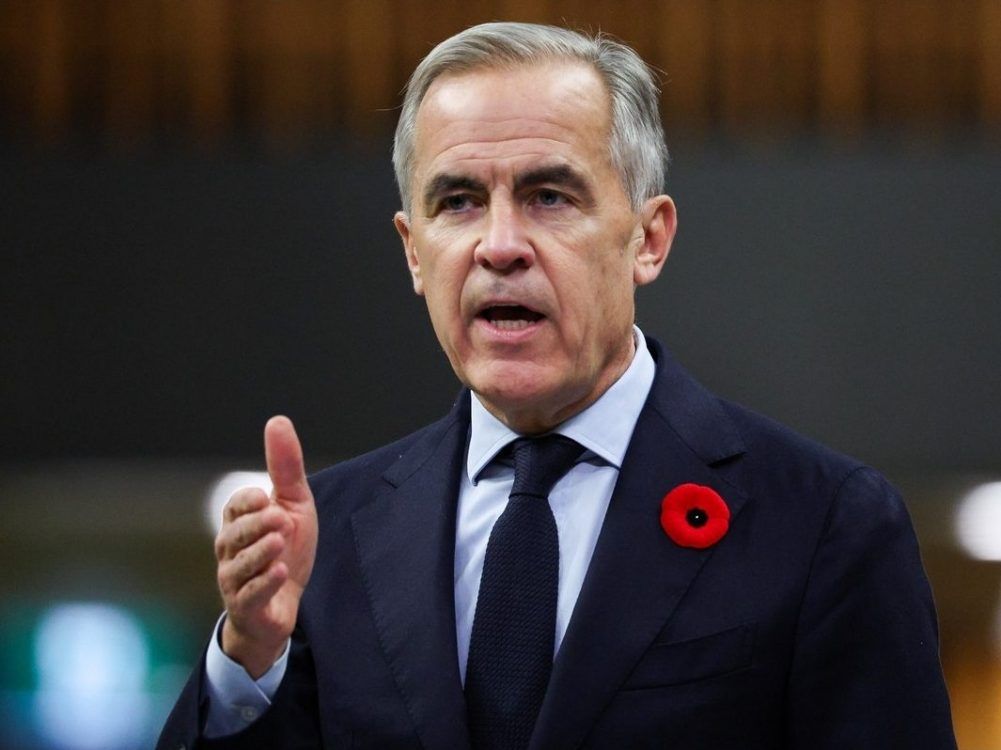
Photo via Toronto Sun

LILLEY: Canadian steel sector left exposed by Mark Carney’s China deal

Read the original at Toronto Sun ↗
Cite

Lilley, B. (2026, November 17). LILLEY: Canadian steel sector left exposed by Mark Carney’s China deal. Toronto Sun. https://torontosun.com/opinion/columnists/china-deal-leaves-canadian-steel-exposed

Dated from the outlet's own feed. Check the original for its byline.

Toronto Sun · collected 2026-11-17 · by Brian Lilley

Quick Summary

Mark Carney, Canada’s trade commissioner in China, recently agreed to extend tariff remissions on Chinese steel and aluminum products, effectively making them tariff-free. This decision contradicts earlier promises to help Canadian steel producers and protect them from unfair competition. Carney had previously announced a $5.43-billion fund to assist steel companies in diversifying their products, but by removing tariffs on new steel and aluminum products, he undermines the support he previously pledged. The article criticizes Carney for putting Canadian steel producers at a disadvantage against subsidized Chinese competitors.
Written by AI on 2026-11-18, from this article's own text only (the story summary below draws on all the coverage).

Compared with similar articles

This article reads unscored and hedges 6% of its claims. Each row says how that neighbour differs.
Global News
Hedges 2 of 35 claims Outlet record 63/100
“The articles discuss different aspects of Canada's trade relationship with China, one focusing on the auto industry's concerns about kit cars and the other on the steel and aluminum sectors.”
The Straits Times
Hedges 0 of 18 claims Outlet record 64/100
“The articles discuss different aspects of Canada's trade relations with China under Prime Minister Carney, but do not describe the same specific event or meeting.”
Blaze Media
Leans right Hedges 7 of 52 claims Outlet record 95/100
“The articles discuss different aspects of Canadian Prime Minister Mark Carney's trade policies, one focusing on the relationship with China versus the US and the other specifically on a new deal with China affecting steel and aluminum tariffs.”

Story

Lilley Canadian steel sector left exposed by Mark Carney’s
Other · 1 article(s) covering the same event.
How this article was measured signals, leaning charts, publisher record, byline, topics and claims

Signals How these are calculated →

Claims extracted
36
sentences that state something as happening or true
Uncertain
6%
2 of 36 hedged ("reportedly", "may", "according to")
Leaning
withheld
no quote in the article backed the model's score
Publisher signals
96/100
Toronto Sun's corrections and hedging, across everything collected from it. Not a measure of accuracy.
Outlets on this story
1
Other
Same framing elsewhere
1
articles that frame the event the way this one does
Analyzed 2026-11-18 · how these are computed

How this is being covered How these are calculated →

Article leaning vs. publisher reliability
Source leaning vs. consistency

Publisher

Toronto Sun · 518 article(s) · 0 correction(s) detected
No corrections detected for this publisher. That may mean careful reporting, or simply that nothing has been checked.

Who wrote this

Brian Lilley
9 article(s) here · 1 carrying a prediction
Which wouldn’t be a problem if China were a free-trading, market-based economy, but it’s not.
She sounds like a mob boss issuing a warning: “Nice factory you got there, would be a pity if anything were to happen to it.”
If the Carney government truly wanted to save the Stellantis plant in Brampton, it would be spending more time focused on Washington, D.C. Canada’s entire auto industry relies on access to the American market, and for nearly two years that access has been in doubt. There were claims that talks had picked up and there might even have been a deal before the U.S. midterms, which happened last week.
Publicly opposed, privately involved With the Stellantis sale, that may happen sooner rather than later.
At that point, and since then, the government, even the Liberals under both Carney and Trudeau, said that immigration numbers had gotten out of hand and that they would reduce them.
Most Canadians will live their lives without encountering a soldier, a sailor or an aviator.
Karen Karniol-Tambour, a resident of the affluent town of Norwalk, Ct., and currently the co-chief investment officer of an American hedge fund, will soon head up the Canada Strong Fund.
The figure of 580,000 people would be the largest number of permanent residents ever recorded in Canada.
Still, program spending is expected to be up $14.3 billion this fiscal year.
Also by Brian Lilley
Nothing else under this byline is closely related to this article, so these are simply their most recent.
All 9 articles by Brian Lilley →

Topics

Canada Canadian China Chinese the Organization for Economic Co-operation and Development

Subjects

Carney PERSON · 10× Chinese NORP · 7× Canadian NORP · 6× China GPE · 6× Canada GPE · 4× Americans NORP · 3× Beijing GPE · 2× Mark Carney PERSON · 1× Xi Jinping PERSON · 1× the Organization for Economic Co-operation and Development ORG · 1×

Narrative

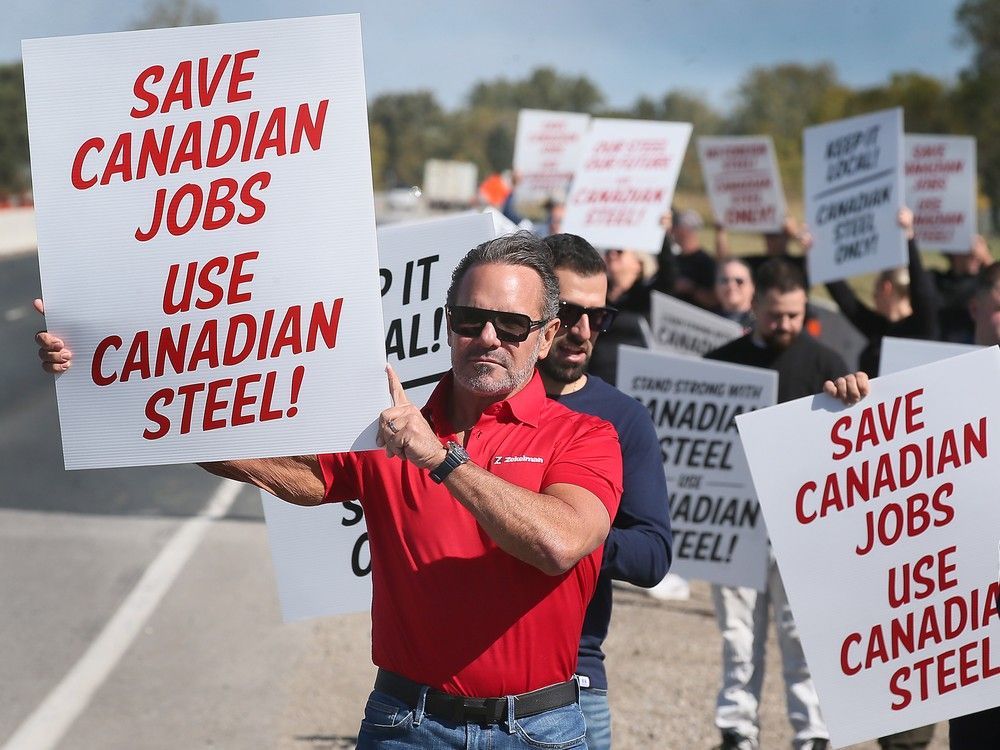
Billions promised, protections removed By extending and expanding these remissions, Carney is asking Canadian steel companies to do just that while also asking them to retool and start making more products.
framing: assertive · carried by 1 article(s) · first seen 2026-11-18
Which wouldn’t be a problem if China were a free-trading, market-based economy, but it’s not.
2026-11-18 · Toronto Sun
LILLEY: Canadian steel sector left exposed by Mark Carney’s China deal · assertive framing

Claims (36 extracted, 2 hedged)

Just under a month ago, Mark Carney was promising billions in help for Canadian steel producers and protection from unfair dumping. asserted
Carney → promise → dumping
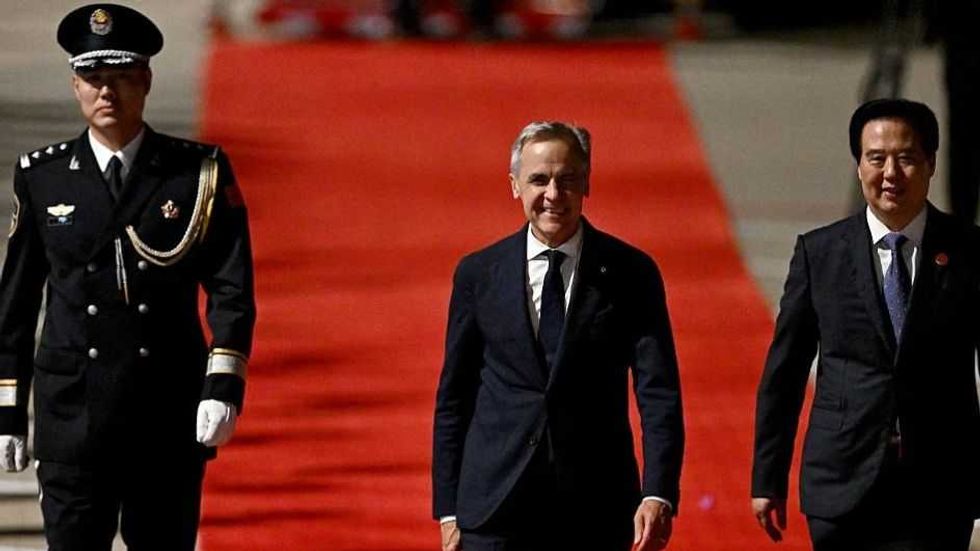
Now, he’s agreed to let in more Chinese steel and aluminum products as part of his latest trade deal with Chinese President Xi Jinping. asserted
he → agree → Jinping
Carney not only agreed to extend existing remissions for Chinese steel products subject to a 25% tariff, he’s extending them to 23 more steel products and nine aluminum products. asserted
he → agree → products
This makes these products effectively tariff-free. asserted
products → make → ?
Which wouldn’t be a problem if China were a free-trading, market-based economy, but it’s not. asserted
it → trade → ?
China subsidizes its companies in a number of ways. asserted
China → subsidize → ways
In fact, according to the Organization for Economic Co-operation and Development, Chinese steel firms receive 10 times more government support than steel firms in an OECD country like Canada. uncertain
firms → accord → Canada
It’s tough to compete when your competitor relies on the government. asserted
competitor → ’ → government
Billions promised, protections removed By extending and expanding these remissions, Carney is asking Canadian steel companies to do just that while also asking them to retool and start making more products. asserted
Carney → promise → products
These remissions, he claimed, are only for products where “Canadian supply is insufficient or unavailable.” asserted
supply → claim → products
Who is going to make these products in Canada when they have to compete against cheaper options subsidized by Beijing? asserted
they → go → Beijing
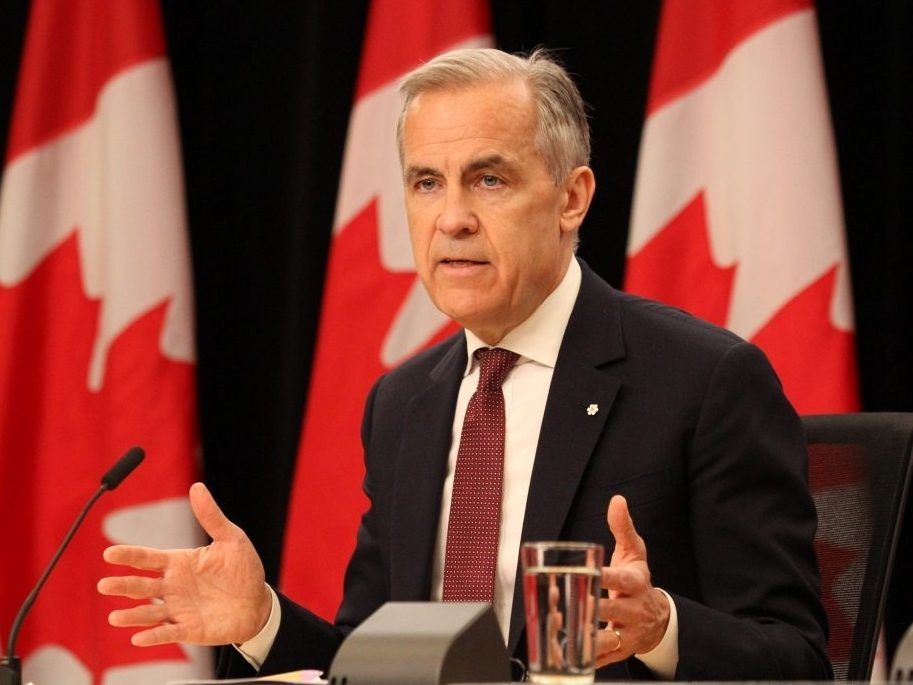
In October, Carney stood with Ontario Premier Doug Ford in Ottawa to announce their new Joint Steel Action Fund. asserted
Carney → stand → Fund
The $5.43-billion fund saw the feds put up $3.55 billion and the province $1.67 billion to help steel companies diversify their products. asserted
companies → see → products
“We have the best steel workers in the world. asserted
We → have → world
We have vast natural resources. asserted
We → have → resources
Yet we import over 6.5 million tons of steel a year. asserted
we → import → steel
And that’s often because we don’t make the steel that Canadian companies need,” Carney said on Oct. 21. asserted
Carney → ’ → Oct.
“It’s time to be our own best customer. asserted
It → ’ → ?
And so today’s investment will enable mills and companies to upgrade machinery and manufacture more products. asserted
investment → enable → products
A month ago, Carney said we needed to make more of these products in Canada. asserted
we → say → Canada
Now, he’s removing tariffs on the very products Canadian firms are supposed to be retooling to produce, putting them at an unfair disadvantage. asserted
firms → remove → disadvantage
Make no mistake: If a Canadian steel firm retools, these tariffs won’t be going back on. asserted
tariffs → make → mistake
Carney is too busy boasting that he traded this steel access for pork and fish access to China. asserted
he → boast → China
A warning for autoworkers Steel workers should see this as a warning. asserted
workers → see → warning
Auto workers should see it as a preview. asserted
workers → see → preview
How can autoworkers trust that Carney and his team have their best interests and their future at heart when he has just betrayed Canada’s steel sector? asserted
he → trust → sector
The moves Carney is making will also make it much more difficult to secure a trade deal with the United States. asserted
it → make → States
The Americans have been concerned about China dumping steel into the North American market and hurting their industry for more than a decade now. asserted
China → concern → decade
We are going to let them dump more products into our market, which will make the U.S. question the wisdom of granting us favoured access to their steel market. asserted
U.S. → go → market
The concerns about these vehicles being connected to servers in Beijing and relaying data back to China are valid. asserted
vehicles → connect → China
These are concerns that have been shared by the British, Germans, Norwegians, Israelis and others. asserted
that → share → British
Playing with America’s patience The impact of Chinese auto assembly in Europe and South America should also serve as a warning. asserted
impact → play → warning
China only assembles kit cars in foreign markets, meaning mostly assembled vehicles receive final assembly there. asserted
vehicles → assemble → assembly
In Europe and South America, the result is tens of thousands of jobs lost as Chinese firms gobble up market share without replacing the jobs they have eliminated. asserted
they → lose → jobs
Carney should know this, but it seems he is determined to show the Americans that, under his leadership, Canada doesn’t need the U.S. Eventually, with moves like this, the U.S. might decide they don’t need us. uncertain
they → know → us
And when that day comes, it won’t be Washington scrambling to find a new customer. asserted
Washington → come → customer

Give feedback · no sign-in needed

No sign-in needed for now. Your note is sent without a name, so it cannot be answered.

History Support