The Aporia
The Aporia
The Aporia
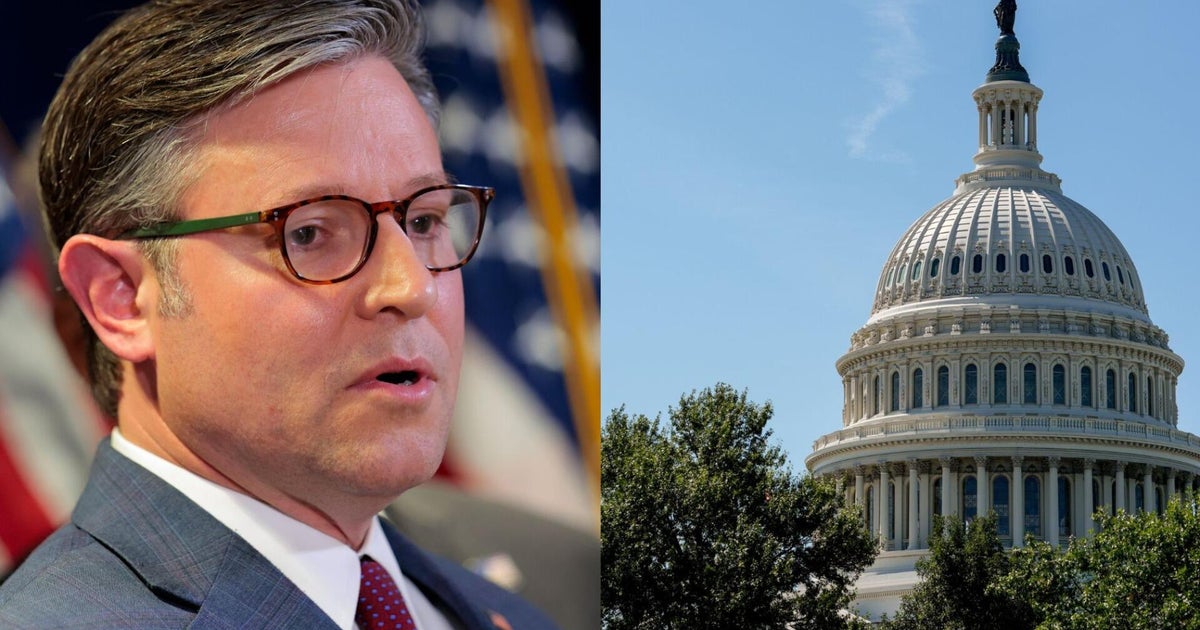
Congress returned from its August recess but only for a short period before members leave Washington to campaign ahead of the November midterm elections. The House will have four voting days and the Senate around three weeks, leaving little time for significant legislation.
Key issues like immigration, national debt, healthcare costs, war powers, energy policy, and the long-term finances of Social Security and Medicare remain unresolved year after year despite changing control in Congress. Lawmakers are focused on passing "messaging bills" to show voters they're addressing concerns rather than tackling major legislative priorities.
With President Trump's influence still strong among Republicans, Congress is unlikely to act swiftly on pressing issues such as artificial intelligence (AI), which some lawmakers warn poses existential risks similar to nuclear weapons or the internet. Defense Secretary Pete Hegseth faces impeachment by Rep. Thomas Massie over military actions in Iran without Congressional approval, though this move is seen more as a political maneuver ahead of the midterms rather than likely to succeed legislatively.
The abbreviated session leaves unfinished business on crucial legislation like the National Defense Authorization Act and farm bill, pushing these issues to after the elections.
Speaker Johnson avoids controversial votes with early House recess