The Aporia
The Aporia
The Aporia

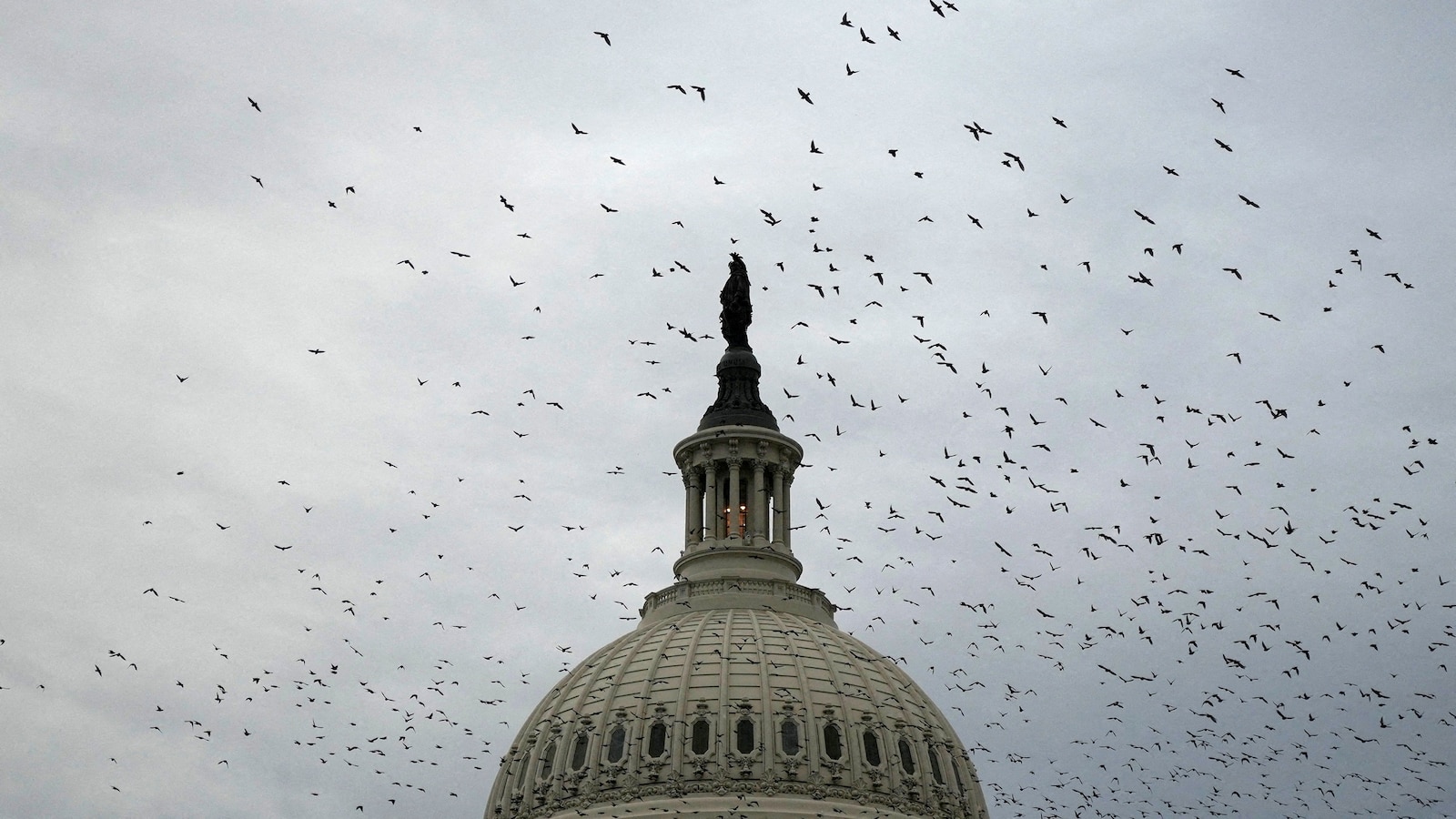
Congress returned from its August recess with just four voting days left in the House and slightly more time in the Senate before members leave to campaign ahead of the November midterm elections. This short session means little legislation of broad national consequence is expected to pass, leaving unresolved issues such as immigration, healthcare costs, and Social Security reform for future sessions or administrations.
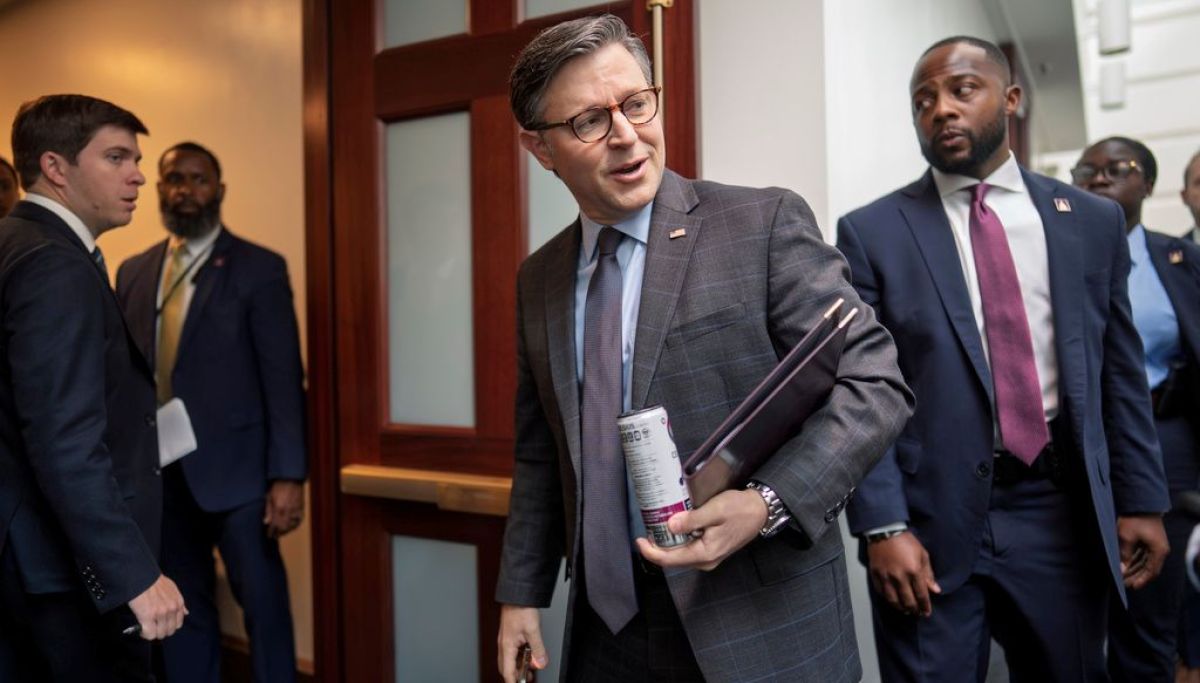
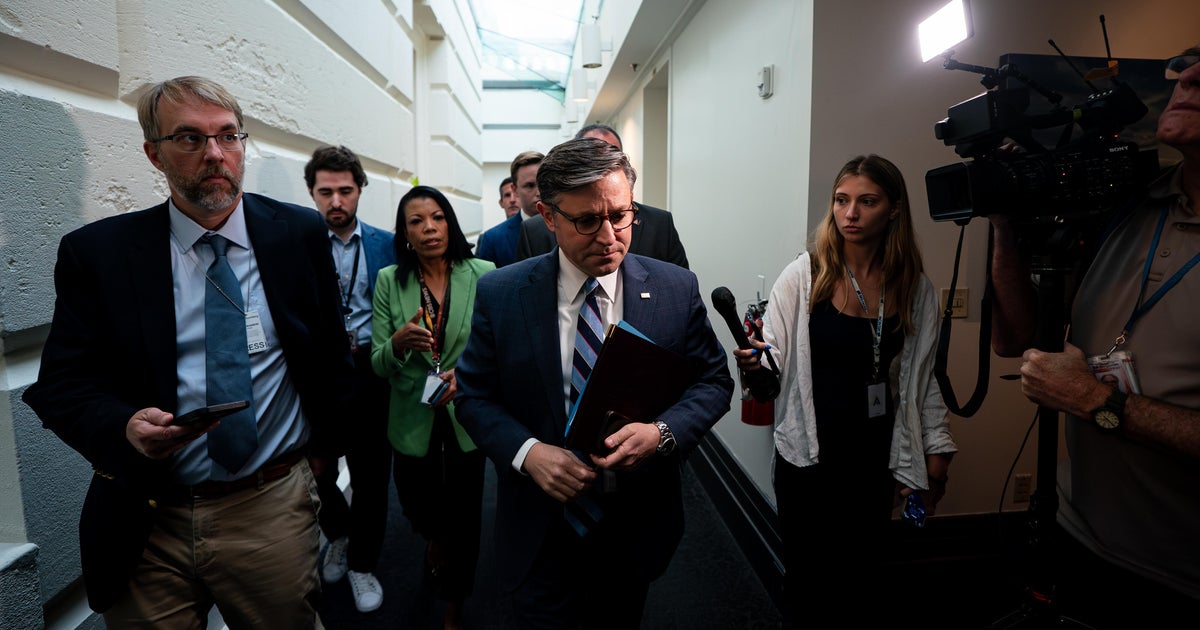
Lawmakers are focusing on passing messaging bills they can use during their campaigns rather than addressing urgent legislative priorities like AI regulation, data center power costs, and military funding. The House will vote on the Ratepayer Protection Act to require tech companies to pay for infrastructure needed to construct data centers, which could help vulnerable incumbents address voter concerns about rising energy costs tied to these facilities.
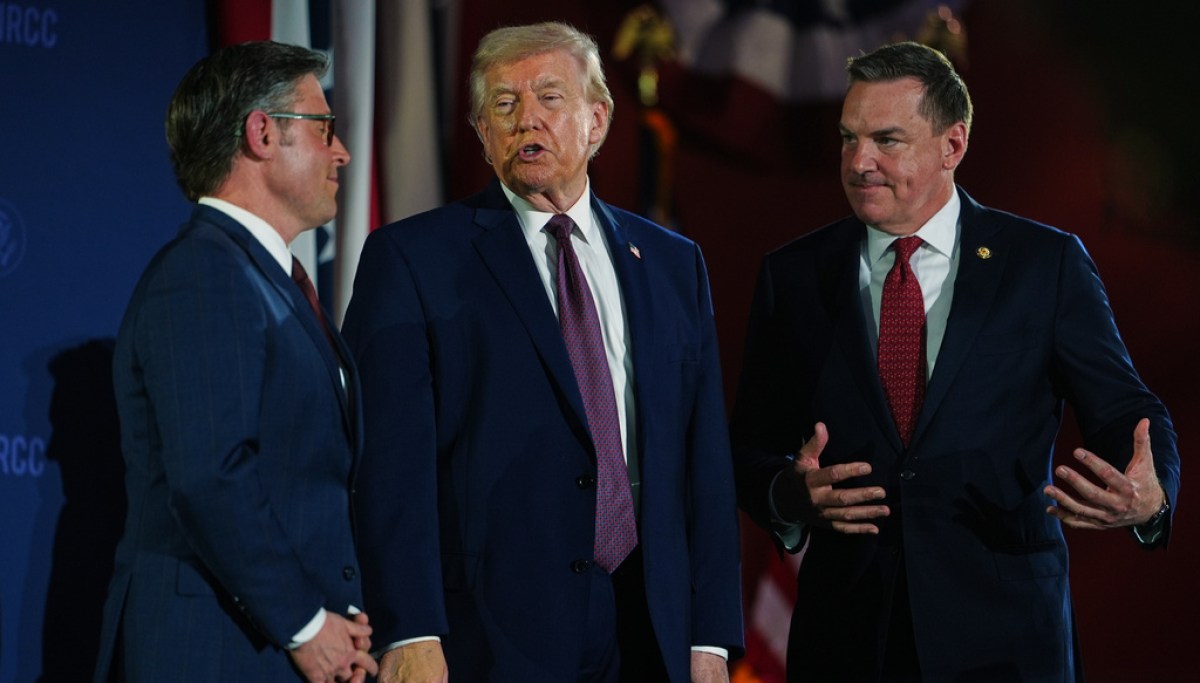
Meanwhile, the Senate plans to take up bills related to cryptocurrency market structure and college sports reforms. However, these efforts may be delayed due to ongoing disputes over ethics rules governing former President Donald Trump and his family's influence on legislation. Additionally, the House faces time-sensitive issues like annual defense policy bill reauthorization, warrantless surveillance program extensions, and farm bill renewals that will likely need to wait until after the elections.
Republican Thomas Massie introduced a resolution on Tuesday calling for Secretary of War Pete Hegseth's impeachment over his handling of military actions in Iran, arguing it constitutes "high crimes and misdemeanors" as Congress never formally declared war in the region. This procedural move forces an immediate vote without going through committee review, reflecting internal party tensions amid Trump-era policies and candidates' election-year maneuvering.
GOP leadership had a wrench thrown in their plans by libertarian-leaning Rep. Thomas Massie, who rolled out eight articles of impeachment against Hegseth on Tuesday.