That is 0 articles you have read today.
The Aporia is free and carries no advertising, so readers are the only
thing paying for it. If you are getting this much out of it, a small
donation is what keeps it independent.
Daily limit reached
You have read 0 articles today.
That is more than the 15 a day The Aporia gives away,
and well past what it can carry on nothing. Your allowance resets at
midnight.
There is no advertising here and nothing about you is sold, so readers
are the only thing paying for it. If the site is worth this much of
your day, it is worth a few dollars.
Everything else stays open: the
maps, the
directory and
search do
not count against this, and neither does re-opening something you have
already read today.
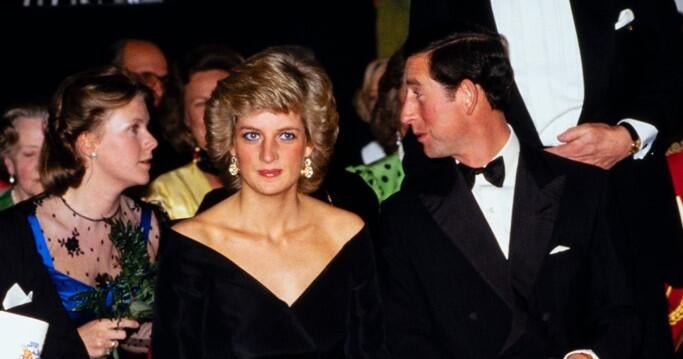
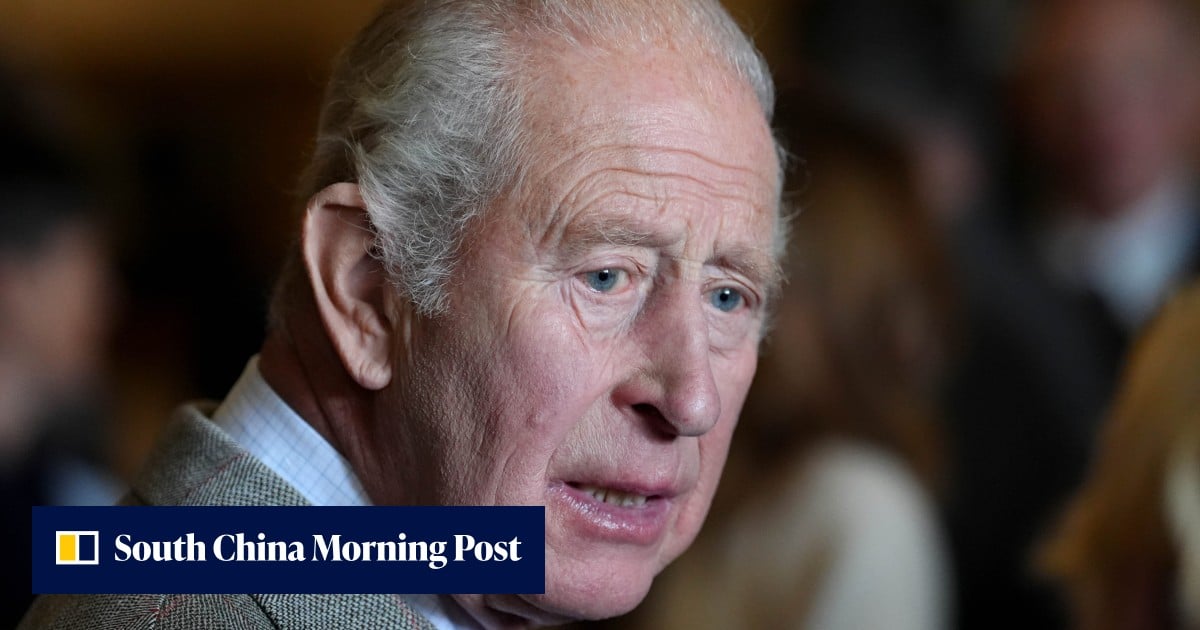
Charles Spencer, Diana's brother, claims in an upcoming book that Prince Charles (now King Charles III) said "we'll forget her soon enough" about Princess Diana shortly after her death in 1997. In a CBS interview, Spencer also writes that he objected to his nephews walking in the funeral procession and was met with criticism from then-Prince Charles regarding their sense of duty. Buckingham Palace denies these claims, suggesting Spencer's grief may have affected his memory. The book's release coincides with ongoing public scrutiny of the royal family's handling of Diana's death.
Written locally by qwen2.5:14b on 2026-09-17,
using this article's own text rather than the other coverage of the
same event (that is the story summary below).
Story summary
Charles Spencer, Diana's brother and the ninth Earl Spencer, alleges in his upcoming memoir "Swan Song: Diana, My Sister" that then-Prince Charles said days after her death, “rest assured, we’ll forget her soon enough,” during a phone call about funeral arrangements. The allegation sparked significant debate within the Royal Family. In September 1997, six days after Diana's fatal car crash in Paris, Earl Spencer insisted Diana’s young sons, William (aged 15) and Harry (aged 12), should not walk behind her coffin, as Charles reportedly wanted them to do. Buckingham Palace responded by stating that King Charles is "mindful that the pain of fraternal grief can cloud reason" and affect memory even years later. The Earl’s book aims to correct what he perceives as misconceptions about his sister, with this revelation being a central claim against the late Princess's ex-husband, now King Charles III.
Written for “Charles Response To Diana Claims” on 2026-09-17,
grounded in this article and the 25 other(s) covering the same event.
Why this leaning score
The model judged this article politically coded and scored it -0.35, but 1 quote(s) could not be found in the article and the other 1 are attributed speech rather than the article's own narration, so the score is not published.
Written under an earlier scoring contract, which gave a paragraph
rather than checkable quotes. Re-analysing this article replaces it.
Leaning score withheld for article 16113: no verified evidence · logged 2026-09-17
Nearly 30 years after
died in a car crash in Paris, her brother is making new claims about the way he says she was mistreated by Britain's royal family — even as they planned her funeral.
uncertain
they → die → funeral
Buckingham Palace is suggesting he got it wrong, with his recollections clouded by grief.
asserted
recollections → suggest → grief
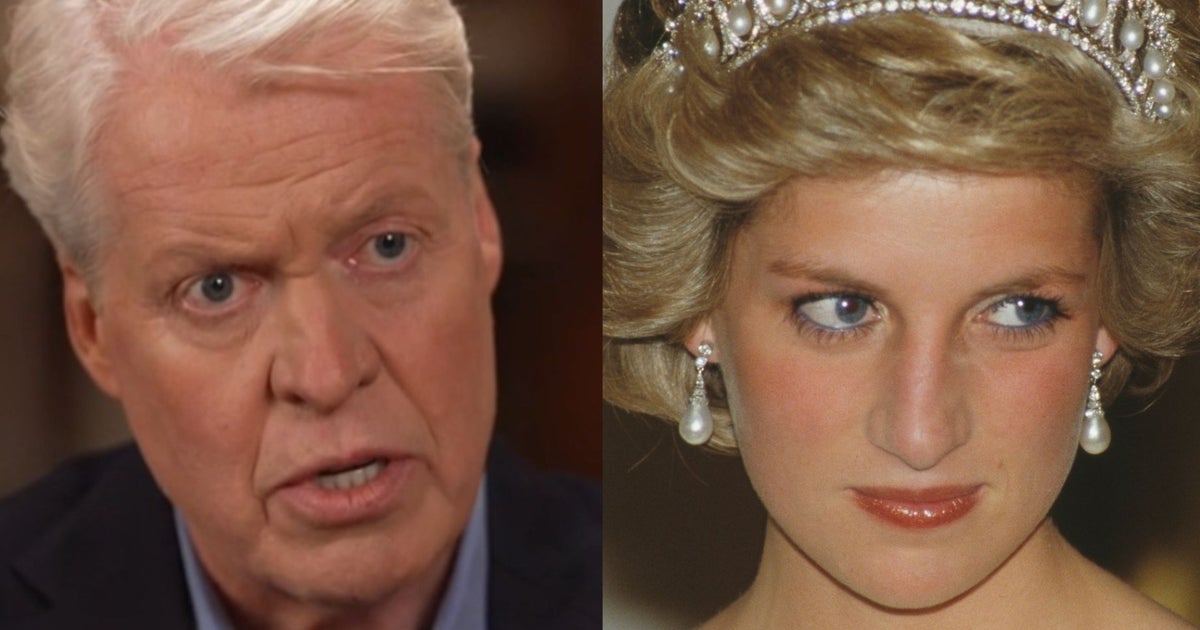
"I felt it my duty to lay out the true story of Diana in one book," Charles Spencer, Diana's younger brother, told CBS News.
asserted
Spencer → feel → News
He will outline his new claims in an exclusive interview on "CBS Sunday Morning" this weekend.
uncertain
He → outline → Morning
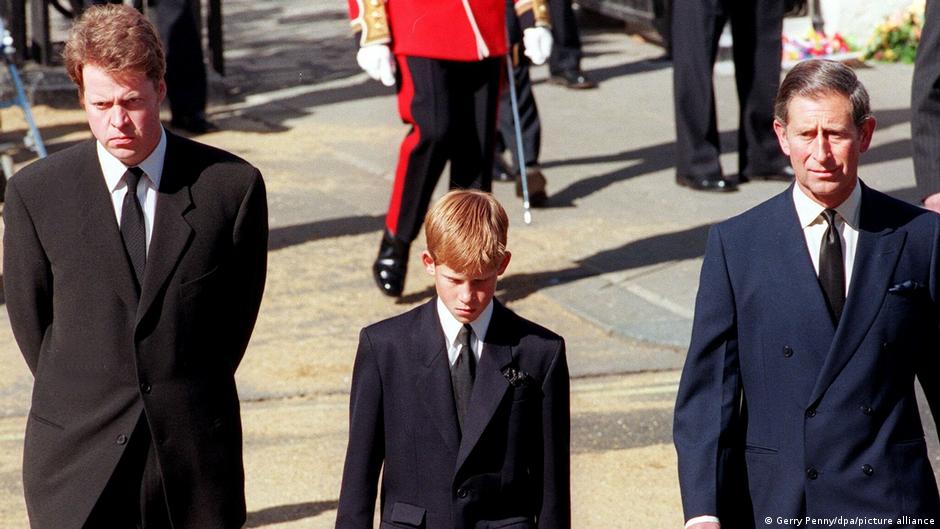
In "Swan Song: Diana, My Sister," set to be published next week, Spencer writes that he told King Charles III, who was then Prince Charles, he objected to the plan for her young sons Princes William and Harry to walk in her funeral procession.
asserted
sons → set → procession
Spencer says in his book, excerpts of which are being published by the Daily Mail tabloid in Britain, that the then Prince Charles responded to his objection by questioning his family's sense of duty, and telling him: "Rest assured, we'll forget her soon enough."
asserted
we → say → her
The young princes, then 12 and 15, did join the procession, yielding images of the two boys walking behind their mother's coffin that have endured to this day.
asserted
that → join → day
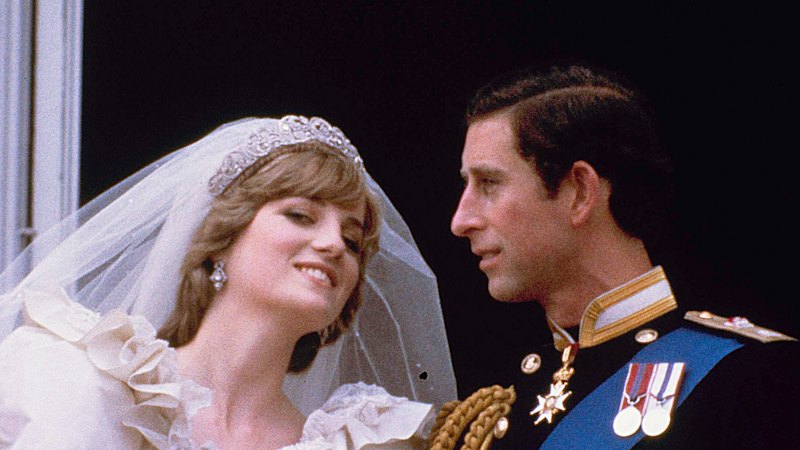
Spencer accuses the now-British monarch of having "contempt" for his ex-wife.
asserted
Spencer → accuse → wife
Buckingham Palace responded with a terse statement Wednesday evening, which avoided calling Spencer a liar, but said the king "is mindful that the pain of fraternal grief can cloud reason, affect judgement and colour memory."
The unprecedented outpouring of grief for Diana in 1997 led to harsh criticism of the royal family, with many feeling they appeared not to understand the nation's, and indeed the world's, pain over her death.
It quickly became a public relations disaster for the palace, one it has struggled to get past for three decades.
asserted
it → respond → decades
"They will never be able to lay Diana to rest," CBS News royal contributor Roya Nikkhah said Thursday, "because the memory of her continues to occasionally haunt the royal family."
asserted
memory → lay → family
Nikkhah, who is the Royal Editor for The Sunday Times newspaper, said the king's family was in for "a very tricky few days," predicting that Spencer's claims about what the king said after Dana died would be "just the beginning of a serialization that will go on … and we know there are going to be some pretty sensational claims" ahead of the book's release next week.
"That is going to put Buckingham Palace into reactive mode," Nikkhah said.
uncertain
Nikkhah → say → mode
"They will have to decide whether or not they're going about each and every claim, or just to make that first response we've heard from the palace their definitive response.
uncertain
we → have → palace
But it's going to put them into fight mode, and it's going to be very difficult for the king."
asserted
it → go → king
The British royals already had a lot on their plate before Spencer's new claims started to emerge.
uncertain
claims → have → plate
King Charles is still receiving
, and his daughter-in-law Catherine, the Princess of Wales, is recovering after her own treatment for the disease.
asserted
daughter → receive → disease
Prince Harry and Meghan's recent return to the U.K. from California, meanwhile, has
with the rest of the royal family.
asserted
return → have → family
 The Aporia