Photo via The Independent

Radio Ebola: DR Congo children fight myths over the airwaves as outbreak reaches six months

Read the original at The Independent ↗
Cite

Cookman, L. (2026, November 17). Radio Ebola: DR Congo children fight myths over the airwaves as outbreak reaches six months. The Independent. https://www.independent.co.uk/news/world/africa/ebola-congo-six-months-radio-children-b3086362.html

Dated from the outlet's own feed. Check the original for its byline.

The Independent · collected 2026-11-17 · by Liz Cookman analysis

Quick Summary

In Bunia, Democratic Republic of Congo, children are using local radio to combat misinformation about the ongoing Ebola outbreak. Six months since the World Health Organization declared the epidemic, which has killed at least 5,430 people and infected 11,000, the children's broadcasts on Radio Mont Bleu and Radio Télé Salama have reached over 800,000 listeners. These young presenters, aged 8 to 16, discuss the virus's transmission, symptoms, and treatment options, helping to dispel myths and encourage better hygiene practices. The outbreak, caused by the Bundibugyo species of Ebola, remains uncontrolled, despite $2.9 billion pledged for aid, with only half disbursed and many health workers struggling to receive necessary supplies and support.
Written by AI on 2026-11-17, from this article's own text only (the story summary below draws on all the coverage).

AI analysis

Story summary

As of November 17, 2026, the second deadliest Ebola outbreak in history, which began in the Democratic Republic of Congo’s Bunia on May 15, 2026, has reached the six-month mark. The virus has killed at least 5,430 people and infected 11,000 so far. To combat persistent misinformation that has driven mistrust and hindered the response, a group of 35 children, the youngest being 8 years old, are broadcasting on local radio stations, Radio Mont Bleu and Radio Télé Salama, to educate the public. These young presenters have reached more than 800,000 listeners, discussing how the virus spreads, its symptoms, and where to seek help.

Written for “Radio Ebola Campaigns” on 2026-11-18, grounded in this article and the 0 other(s) covering the same event.

Compared with similar articles

This article reads unscored and hedges 19% of its claims. Each row says how that neighbour differs.
TIME
Leans strongly left Hedges 5 of 68 claims Outlet record 60/100
“While both articles discuss the same Ebola outbreak in the Democratic Republic of Congo, they describe different aspects of the event: Article A focuses on the initial detection and spread of the outbreak, while Article B covers a radio campaign aimed at educating the public about six months into the outbreak.”
CBC News
Hedges 5 of 31 claims Outlet record 60/100
“The articles describe different aspects of the Ebola response in Congo, with Article A focusing on UN officials' progress and challenges, while Article B highlights a radio initiative by children to combat myths about the disease.”
Times of India
Hedges 4 of 27 claims Outlet record 59/100
“While both articles discuss the same ongoing Ebola outbreak in the Democratic Republic of Congo, they describe different aspects of the event—one focusing on the overall spread and fatality rate, and the other on children broadcasting radio messages to combat myths.”
Toronto Star
Hedges 4 of 28 claims Outlet record 64/100
“While both articles discuss the same ongoing Ebola outbreak in Congo, they describe different aspects of the situation — one focuses on the overall containment and fatality numbers, while the other highlights a specific radio campaign by children to combat misinformation.”
The Hindu
Hedges 4 of 29 claims Outlet record 78/100
“While both articles discuss the same ongoing Ebola outbreak in Congo, Article A focuses on the overall failure of containment efforts, while Article B highlights a specific initiative involving children broadcasting on radio to combat myths. They describe different aspects of the same broader event.”
The Straits Times
Hedges 1 of 7 claims Outlet record 64/100
“The articles describe different aspects of the Ebola response in Congo: one focuses on the overall progress and challenges in the response, while the other highlights a specific initiative by children in Bunia to combat misinformation over the radio.”
The Straits Times
Hedges 3 of 17 claims Outlet record 64/100
“The articles describe different aspects of the same general situation but do not clearly report on the same specific incident at the same time and place.”

Story

Radio Ebola Campaigns
Health · 1 article(s) covering the same event.
How this article was measured signals, leaning charts, publisher record, byline, topics and claims

Signals How these are calculated →

Claims extracted
21
sentences that state something as happening or true
Uncertain
19%
4 of 21 hedged ("reportedly", "may", "according to")
Leaning
not political
takes no side on a contested political question
Publisher signals
59/100
The Independent's corrections and hedging, across everything collected from it. Not a measure of accuracy.
Outlets on this story
1
Health
Same framing elsewhere
1
articles that frame the event the way this one does
Analyzed 2026-11-17 · how these are computed

How this is being covered How these are calculated →

Article leaning vs. publisher reliability
Source leaning vs. consistency

Publisher

The Independent · 4549 article(s) · 10 correction(s) detected
Running correction rate · 10 correction(s)

Who wrote this

Liz Cookman
13 article(s) here · 1 carrying a prediction
Declared on May 15, it is thought to have been active for several months before it was discovered.
“The draft text makes the right diagnosis, but the medicine it offers could have deadly side effects,” adds Romain Ioualalen of advocate group Oil Change International.
We must act today to save the planet, as tomorrow will already be too late,” he added.
Turkey is set to host world leaders over the next couple of days in the southern coastal city of Antalya, as part of the Cop31 summit.
In a memo dated February 28 and circulated to colleagues on March 2, he warned that the failure to deliver aid would lead to preventable deaths.
It is hard to track the movements of someone with the disease posthumously and “people are moving around without knowing they might have Ebola,” said Ms Newport.
“If the conflict continues without a soilution, we could have full collapse,” said Dr Alhaqu.
It is compounded by fear that flooding expected from the incoming “super El Niño” could worsen the spread of disease, Ms Desamours said.
Speaking during a visit to Imperial College London’s I-HUB innovation centre also on Thursday, Harry, the Duke of Sussex, pledged his commitment to children injured in conflict, saying that “whilst children continue to suffer, I will keep working to ensure they can live life to the full.” “Children should not be exposed to conflict.
More than $1.3 billion (£975 million) in US funding for tuberculosis, malaria, HIV and maternal healthcare could go unspent within two weeks because it has not yet been released by the Trump administration, potentially resulting in tens of thousands of preventable deaths.
Also by Liz Cookman
Nothing else under this byline is closely related to this article, so these are simply their most recent.
All 13 articles by Liz Cookman →

Topics

Bunia Radio Mont Bleu WHO the Democratic Republic of Congo’s the World Health Organisation

Subjects

Deborah PERSON · 2× Africa CDC ORG · 1× Bunia GPE · 1× Radio Mont Bleu ORG · 1× Radio Télé Salama ORG · 1× Sandrine PERSON · 1× WHO ORG · 1× the DR Congo’s GPE · 1× the Democratic Republic of Congo’s GPE · 1× the World Health Organisation ORG · 1×

Narrative

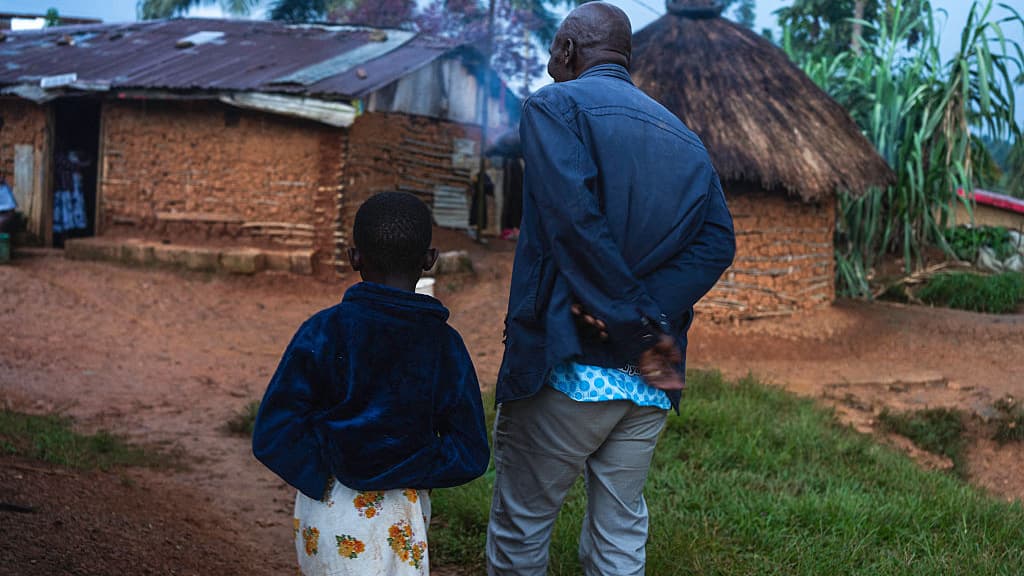
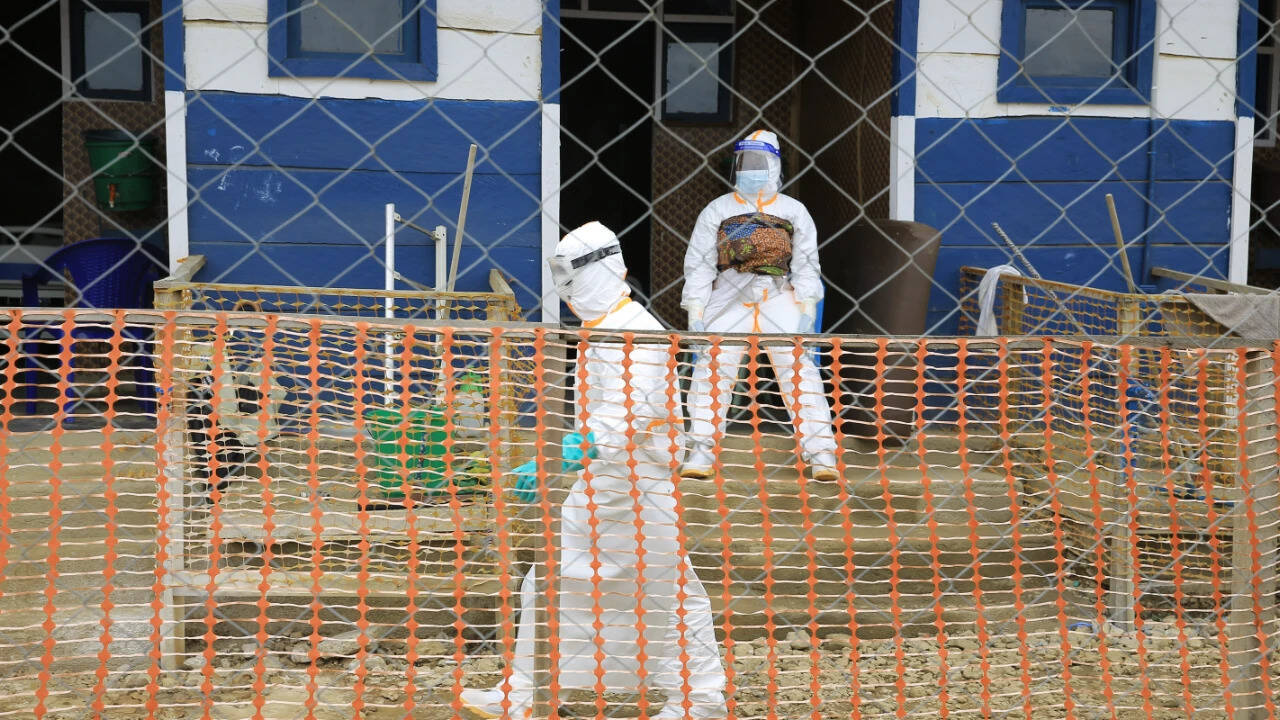
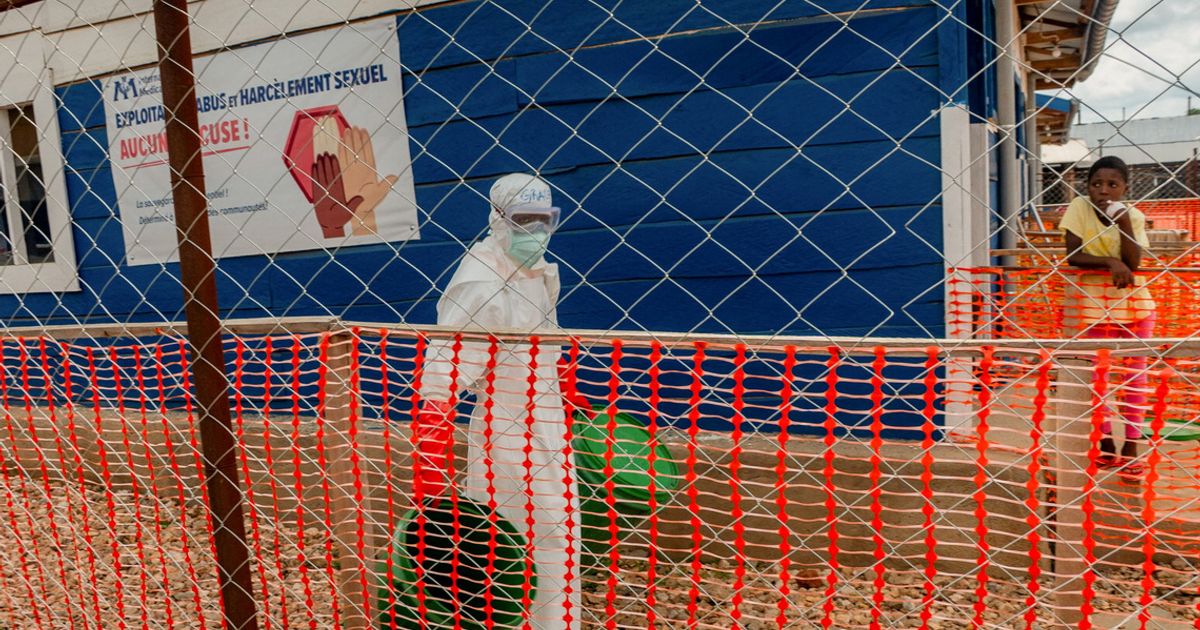
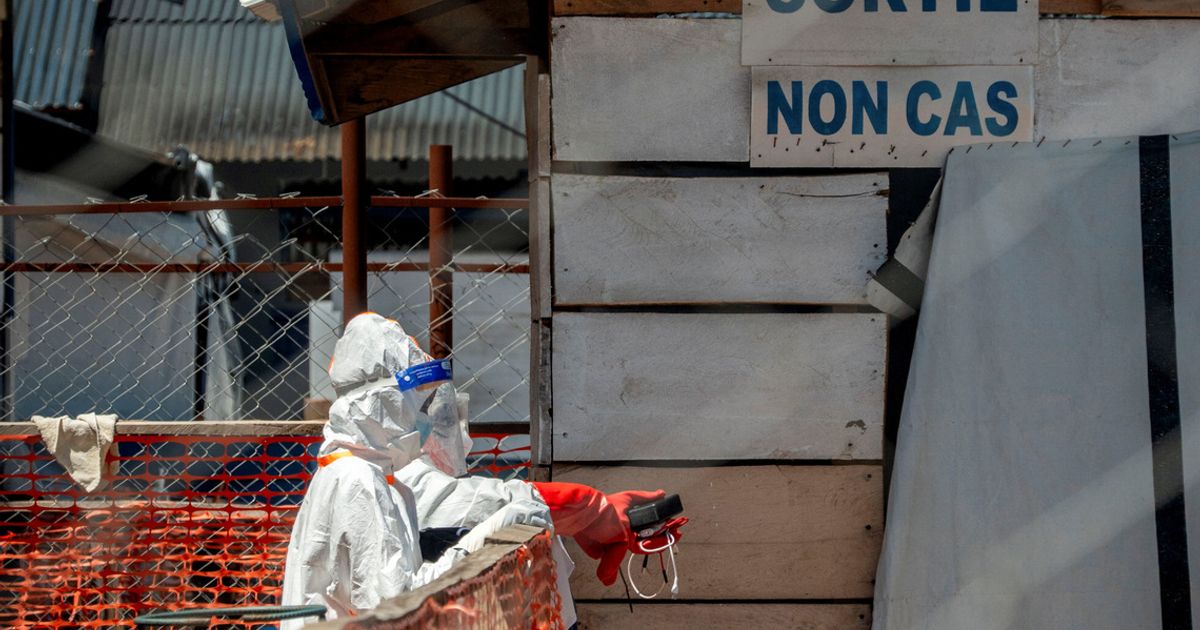
In the Democratic Republic of Congo’s Bunia, the original epicentre of the second deadliest Ebola outbreak in history, a group of children are taking to the airwaves to share information about how to stay safe. As the epidemic passes the six-month mark since it was declared by the World Health Organisation (WHO), and continues to outpace the response, the young presenters are broadcasting on local radio to bust dangerous myths about the disease that have hampered the response effort and prevented people from seeking help. The virus has killed at least 5,430 people and infected 11,000 so far, and persistent misinformation about its origins have driven mistrust of medical workers, attacks on health facilities and deterred sick people from getting treatment. Yet through live and pre-recorded shows on two local radio stations, Radio Mont Bleu and Radio Télé Salama, 35 children – the youngest just 8 – have reached more than 800,000 listeners.
framing: assertive · carried by 1 article(s) · first seen 2026-11-17
Declared on May 15, it is thought to have been active for several months before it was discovered.

Claims (21 extracted, 4 hedged)

In the Democratic Republic of Congo’s Bunia, the original epicentre of the second deadliest Ebola outbreak in history, a group of children are taking to the airwaves to share information about how to stay safe. As the epidemic passes the six-month mark since it was declared by the World Health Organisation (WHO), and continues to outpace the response, the young presenters are broadcasting on local radio to bust dangerous myths about the disease that have hampered the response effort and prevented people from seeking help. The virus has killed at least 5,430 people and infected 11,000 so far, and persistent misinformation about its origins have driven mistrust of medical workers, attacks on health facilities and deterred sick people from getting treatment. Yet through live and pre-recorded shows on two local radio stations, Radio Mont Bleu and Radio Télé Salama, 35 children – the youngest just 8 – have reached more than 800,000 listeners. asserted
children → take → listeners
They discuss how the virus spreads, what symptoms to look out for and where to seek help. asserted
virus → discuss → help
“Previously, some people believed that Ebola was linked to witchcraft or that it was entirely fabricated,” said Deborah, 16, who is part of the radio show. asserted
who → believe → show
"I have seen that these broadcasts have truly helped shift mindsets.” asserted
broadcasts → see → mindsets
One of Deborah’s neighbours used to claim that Ebola didn’t exist, but after listening to the show he knew exactly what to do when his brother fell ill with a fever, she said. uncertain
she → use → fever
“Many children have started washing their hands more regularly, and some parents now encourage their children to follow hygiene and prevention measures,” said Sandrine, 13. asserted
Sandrine → start → measures
The children’s names have been changed to protect thier identities. asserted
names → change → identities
The current outbreak of Ebola is caused by the rare Bundibugyo species of the virus, for which there is no treatment and no cure. asserted
outbreak → cause → which
Declared on May 15, it is thought to have been active for several months before it was discovered. uncertain
it → declare → months
Its spread has exposed the difficulties of containing an epidemic in a region already battered by years of conflict, displacement and chronic poverty. asserted
spread → expose → conflict
Efforts have also been hampered by wide-ranging cuts to international aid. asserted
Efforts → hamper → aid
Africa's top public health agency, Africa CDC, warned on Sunday that the outbreak remains out of control and that despite US$2.9 billion being pledged towards the response, less than half of the money has so far been disbursed. asserted
half → warn → money
Some health workers have not been paid since August and have gone on strike over working conditions, while medical supplies are failing to reach some of the worst-affected areas, further hampering efforts to contain the virus. asserted
supplies → pay → virus
Last month, a nurse was also killed and another community health worker injured by an armed mob who accused them of spreading the virus by contaminating water supplies. asserted
who → kill → supplies
Additionally, nearly seven million people are internally displaced by fighting in eastern Congo, leaving families struggling to access clean water, healthcare and other basic necessities. asserted
people → displace → water
The virus has now spread to 67 health zones across eight provinces, and around a quarter of those who have died are children. asserted
who → spread → those
Aid organisations have warned that, after six months, the response risks falling further behind without sustained funding and greater investment in healthcare and community prevention. asserted
response → warn → healthcare
Save the Children, who supported the radio scheme as well as helping to deliver other life-saving care, has called on the UK government to prevent future outbreaks by investing in primary healthcare and training health workers, ensuring children are central to emergency responses. asserted
children → support → responses
Concern Worldwide warned that funding for its DR Congo programmes could run out within three months, but that protect support to protect communities from the virus is vital, including the provision on clean water, soap and hygiene facilities. uncertain
support → warn → water
The children, who are able to speak to their own communities on radio in their own language, understand local fears and could prove an important voice in the fight against the outbreak. uncertain
who → speak → outbreak
This article has been produced as part of The Independent’s Rethinking Global Aid project asserted
article → produce → project

Give feedback · no sign-in needed

No sign-in needed for now. Your note is sent without a name, so it cannot be answered.

History Support