That is 0 articles you have read today.
The Aporia is free and carries no advertising, so readers are the only
thing paying for it. If you are getting this much out of it, a small
donation is what keeps it independent.
Daily limit reached
You have read 0 articles today.
That is more than the 15 a day The Aporia gives away,
and well past what it can carry on nothing. Your allowance resets at
midnight.
There is no advertising here and nothing about you is sold, so readers
are the only thing paying for it. If the site is worth this much of
your day, it is worth a few dollars.
Everything else stays open: the
maps, the
directory and
search do
not count against this, and neither does re-opening something you have
already read today.
Barclays employees are protesting against the bank's decision to require them to work at least three days a week in the office starting next month, up from two days previously expected. Unite, representing about 36,000 Barclays staff, demands that the bank reverse this policy and offers additional accommodations such as travel cost reimbursements and childcare support. The union argues that current flexible working policies have not hindered performance and are more beneficial for employees' well-being.
Written locally by qwen2.5:14b on 2026-09-17,
using this article's own text rather than the other coverage of the
same event (that is the story summary below).
Story summary
Barclays, a major UK bank, is facing significant pushback from thousands of staff over plans to mandate more frequent office attendance starting October. Unite, representing nearly 80% of the bank’s approximately 45,000 UK employees, has organized an open letter demanding that Barclays reverse its decision and offer concessions such as exemptions for commutes longer than 40 minutes or 35 miles, a one-off payment to offset increased travel costs, and greater flexibility in working hours. The current policy requires full-time staff to be in the office at least two days per week; the new mandate would increase this to three days weekly, with senior employees required to come in four days. Unite argues that Barclays is attempting to address a non-existent issue as many competing financial institutions are embracing greater workplace flexibility.
Written for “Barclays Return To Office Revolt” on 2026-09-17,
grounded in this article and the 1 other(s) covering the same event.
Why this leaning score
The model judged this article politically coded and scored it -0.35, but none of the 2 quote(s) it offered could be found in the article text, so the score is not published.
Written under an earlier scoring contract, which gave a paragraph
rather than checkable quotes. Re-analysing this article replaces it.
Leaning score withheld for article 15955: no verified evidence · logged 2026-09-17
- Published
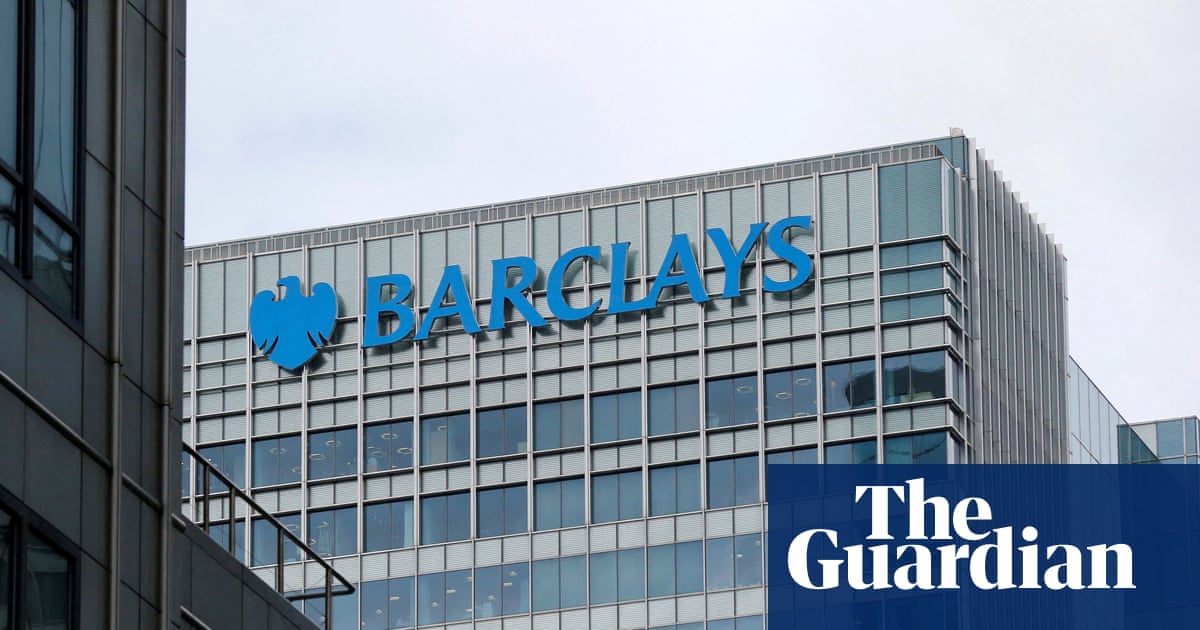
Thousands of Barclays staff are demanding concessions from the bank after it said it wants employees to work from the office more often.
asserted
employees → publish → office
Staff who have been expected to work in the office for two days per week should be in the office for at least three days a week from next month, according to the bank.
uncertain
who → expect → bank
Unite, which represents about 36,000 Barclays staff, is calling for the bank to reverse its decision.
asserted
bank → represent → decision
The union is also pressing for exemptions and a one-off payment for employees to offset increased travel and childcare costs.
asserted
union → press → costs
Barclays said many employees already work in the office for three or more days, depending on business need.
asserted
employees → say → need
The bank sent a memo to staff in July outlining its expectations, which include that senior leaders work at least four days per week in the office.
asserted
leaders → send → office
As first reported in the Financial Times, external, the bank is facing a growing backlash against the proposed rules change.
asserted
bank → report → change
Unite national officer Rick Coyle said thousands of employees have signed an open letter calling for Barclays to reverse the decision, and the number of signatories "continues to rise".
asserted
number → say → signatories
He added that Barclays is "trying to fix a problem that doesn't exist" in making its working-from-home rules less flexible.
asserted
rules → add → home
The open letter, external says workers are delivering "strong financial results and improved customer services" with its current working from home policy.
asserted
workers → say → policy
It adds that thousands of workers have made suggestions, which the union has condensed into a series of demands.
asserted
union → add → demands
These include:
an exemption for commutes longer than 40 minutes or 35 miles
exemptions during Christmas, summer, and school holidays
a maximum one day in the office for carers
flexibility for wrap-around childcare, and childcare vouchers and onsite creches to be explored
a one-off payment to offset costs
Barclays said in a statement that it recognised "the benefits of balancing flexibility for colleagues with the importance of working together in our physical locations".
asserted
it → include → locations
"Our minimum time in office requirements vary by business area, reflecting the nature of the work and the needs of the business," a spokesperson said.
asserted
spokesperson → vary → business
The bank declined to say how many staff would be affected by the rules change.
asserted
staff → decline → change
However, the BBC understands that there are different rules depending on teams, with, for example, investment bankers in the office for five days per week.
asserted
BBC → understand → week
The coronavirus pandemic forced many businesses to allow working from home, depending on the nature of the business.
asserted
pandemic → force → business
Since then, many organisations have been clawing workers back into the office, despite evidence that hybrid working may be the best fit.
uncertain
working → claw → evidence
Amazon, Boots and JP Morgan are some of the organisations which brought in policies requiring head office staff to be in every day after the pandemic.
asserted
which → bring → pandemic
 The Aporia