A powerful El Niño weather pattern could persist until early 2027, with forecasters warning that its effects may vary significantly across the United States, bringing warmer temperatures to some regions and heavy rainfall to others.
uncertain
effects → persist → others
According to the national oceanic and atmospheric administration (NOAA), the El Niño event, which has been developing since before the summer, could continue through the January-March 2027 period.
uncertain
which → accord → period
Forecasters have estimated a 79 per cent probability of the weather phenomenon persisting during this period and described it as one of the strongest events recorded since the 1950s.
asserted
phenomenon → estimate → 1950s
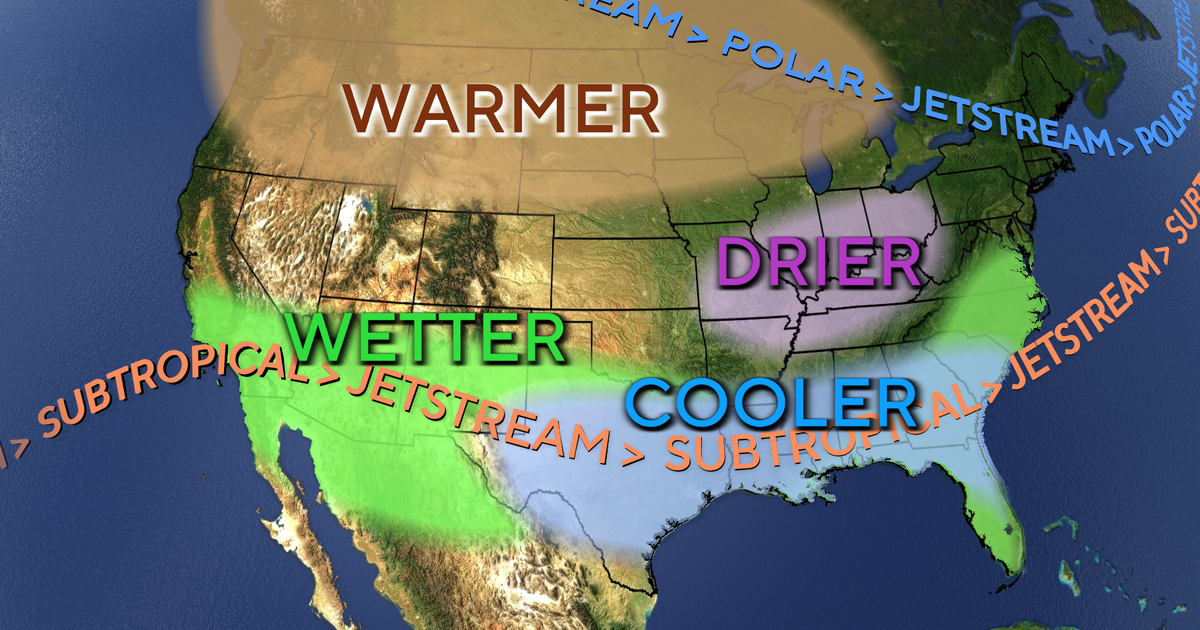
NOAA has warned that much of the northern United States could experience warmer-than-average temperatures, while the south and east coast are likely to receive above-average rainfall.
uncertain
coast → warn → rainfall
The weather pattern could also influence snowfall and wind conditions across different regions, according to the news agency Unilad.
uncertain
pattern → influence → agency
The national weather service (NWS) expects the most significant effects to become apparent during the winter months.
asserted
effects → expect → months
El Niño develops when sea surface temperatures in the central and eastern tropical Pacific Ocean become unusually warm.
asserted
temperatures → develop → Ocean
This warming influences atmospheric circulation patterns and shifts the position and strength of the jet stream, affecting weather conditions across several parts of the world.
asserted
warming → warm → world
Over the next three months, southeastern states, including Florida, Georgia and the Carolinas, are expected to have a higher likelihood of receiving above-average rainfall.
asserted
states → include → rainfall
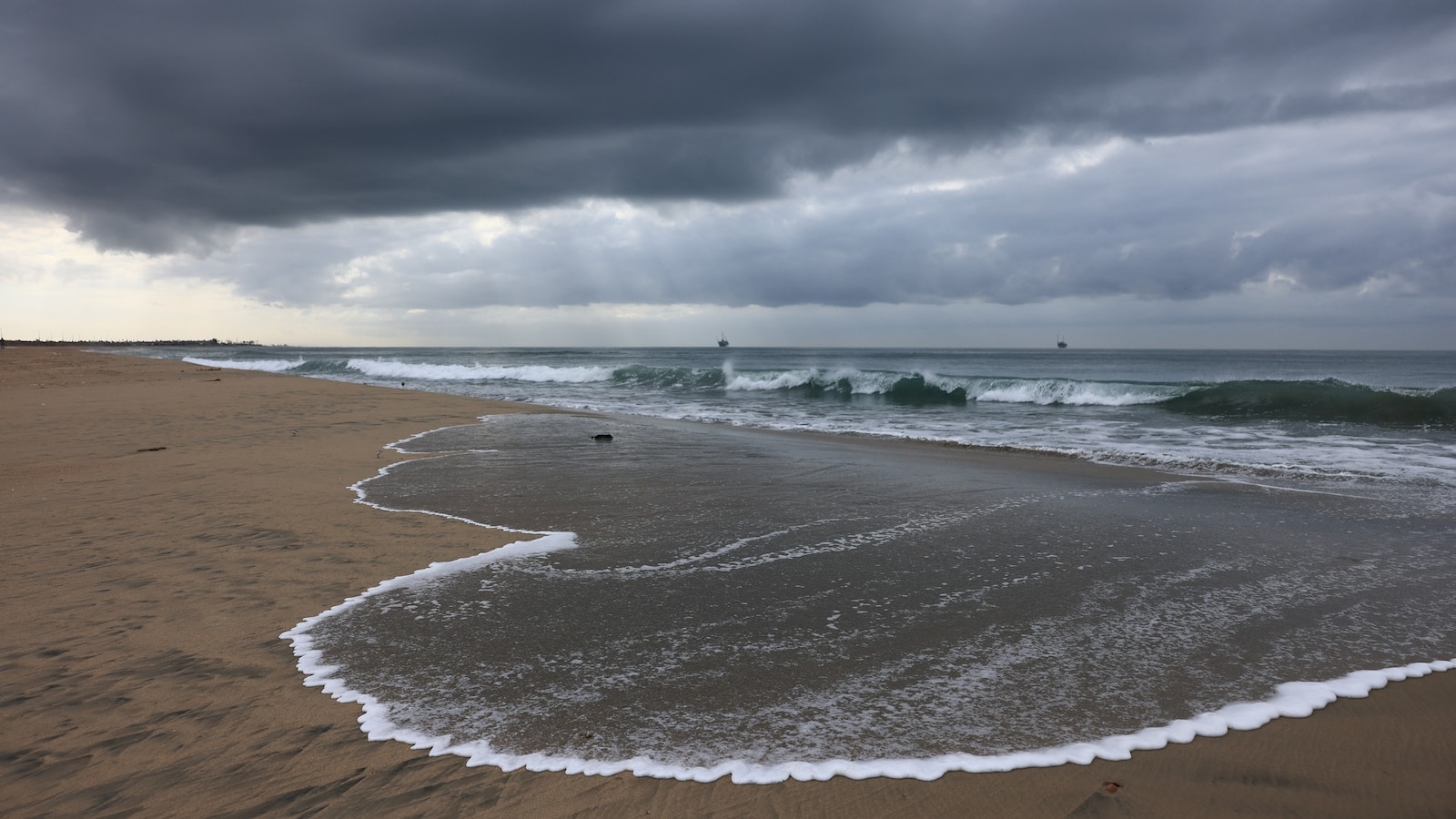
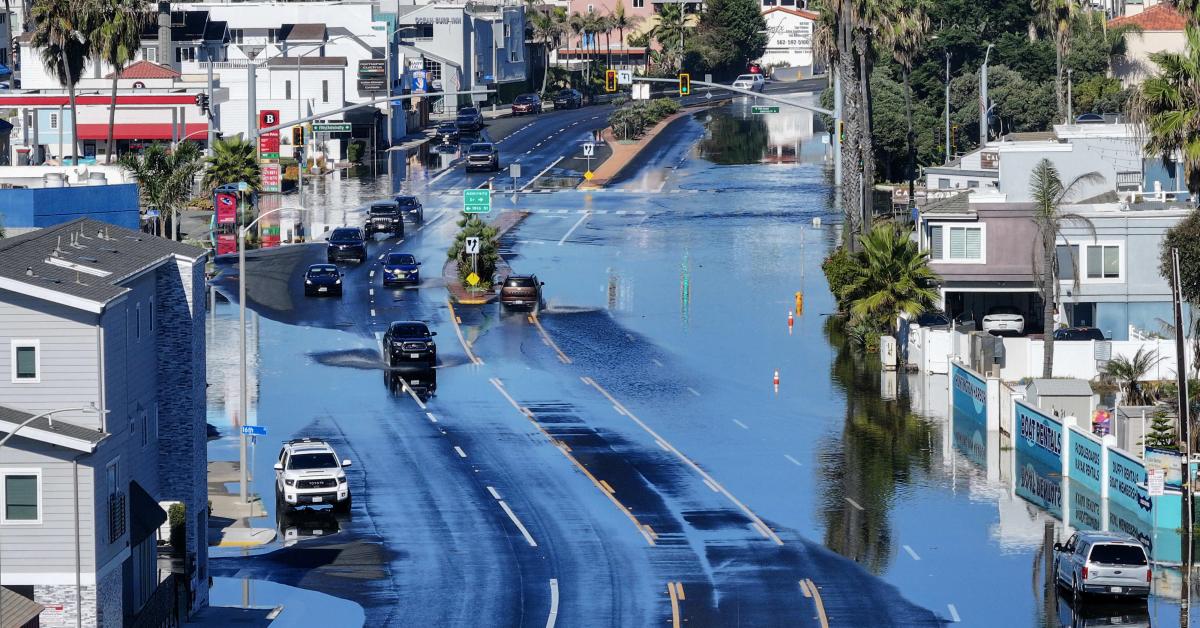
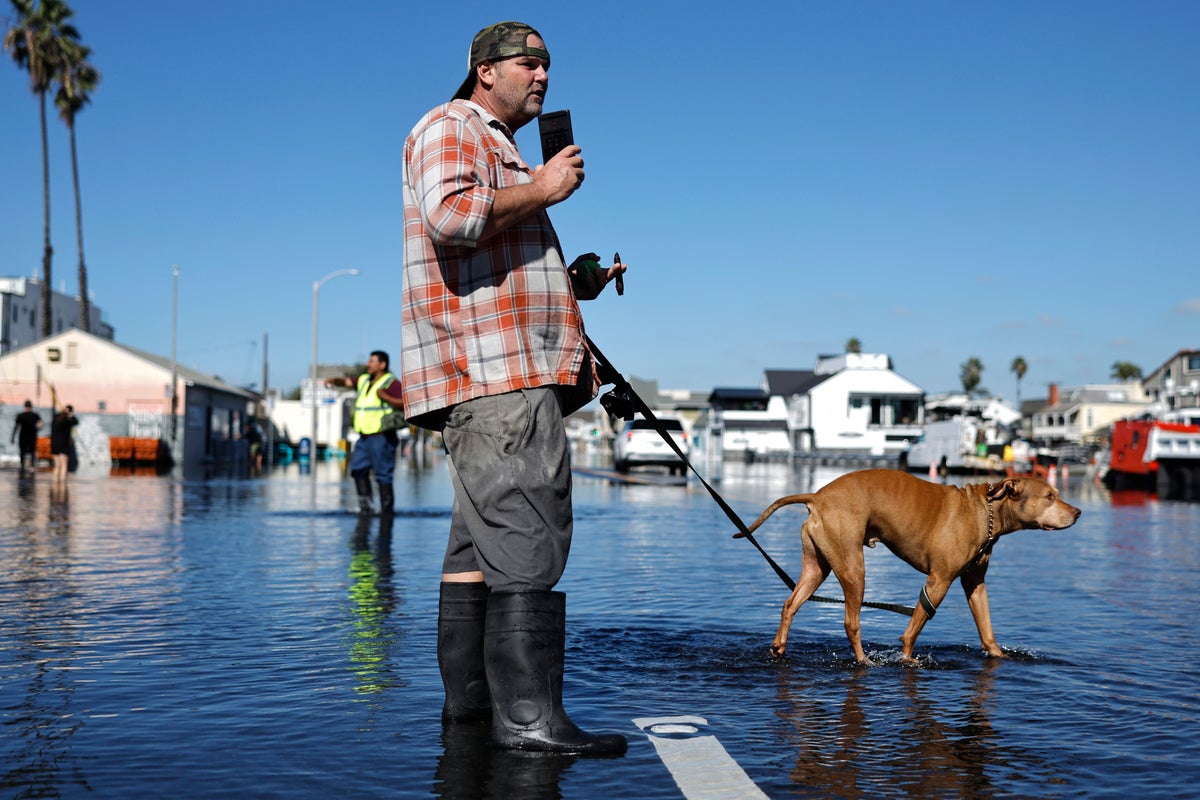
California could also face an unusually wet winter, raising concerns about flooding and mudslides.
uncertain
California → face → flooding
Governor Gavin Newsom has already declared a state of emergency in anticipation of potential weather-related risks.
asserted
Newsom → declare → risks
In contrast, the pacific northwest, northern plains and ohio Valley could experience milder and warmer winter conditions as the Pacific jet stream influences regional weather patterns.
uncertain
stream → experience → patterns
Although reduced rainfall could lower the risk of flooding in these areas, it may also result in declining water levels, drought conditions and an increased threat of wildfires during spring and summer.
uncertain
it → reduce → spring
Ski resorts in these regions could also receive less snowfall than usual.
uncertain
resorts → receive → snowfall
According to the BBC, much of the northern United States and Canada is likely to experience warmer temperatures and reduced snowfall.
uncertain
much → accord → temperatures
Meanwhile, southern regions could see above-average precipitation, with significant snowfall possible in California's mountain ranges and the southern Rocky Mountains.
uncertain
snowfall → see → ranges
Washington DC is among the locations that could experience these changing winter conditions.
uncertain
that → experience → conditions
Parts of eastern Canada and the northeastern United States may also face a warmer and wetter Christmas season, potentially replacing the usual snowfall with rain.
uncertain
Parts → face → rain
However, falling temperatures could cause some of the rain to freeze, creating hazardous icy conditions.
uncertain
some → fall → conditions
Forecasters have also raised the possibility of a polar vortex disruption, although this remains uncertain.
asserted
this → raise → disruption
A polar vortex is a large circulation of strong winds surrounding the North Pole.
asserted
vortex → surround → Pole
When this system weakens or becomes disrupted, it can affect the polar jet stream and allow extremely cold Arctic air to move southwards into Canada and the United States.
asserted
air → weaken → Canada
Meanwhile, NOAA's winter outlook for December 2026 to February 2027 indicates that above-average temperatures are likely across the pacific northwest, northern rockies, midwest, mississippi valley, much of the eastern United States and Alaska.
asserted
temperatures → indicate → States
Parts of the southeast, including florida, are expected to experience temperatures closer to seasonal averages.
asserted
Parts → include → averages
The outlook also points to wetter-than-average conditions across the southern United States, extending from the Southwest through the South and Southeast, as well as along the east coast.
asserted
outlook → point → coast
The Great Lakes region and central Alaska are also expected to receive above-average precipitation.
asserted
region → expect → precipitation
 The Aporia