El Niño has become especially powerful this year, with "super El Niño" conditions now officially taking shape.
asserted
conditions → become → shape
The National Oceanic and Atmospheric Administration's Climate Prediction Center announced Thursday that the phenomenon, which affects weather and climate around the world, has intensified and continues to strengthen.
asserted
which → announce → world
Its effects through next spring may even be considered historic, the agency said.
uncertain
agency → consider → spring
Here's everything to know about El Niño:
What is El Niño?
asserted
Niño → know → Niño
El Niño is a climate pattern defined by warming waters in a specific region of the Pacific Ocean near the equator.
asserted
Niño → define → equator
It occurs every two to seven years and usually lasts between nine and 12 months.
asserted
It → occur → months
When El Niño is active, a large portion of the world gets warmer, too.
asserted
portion → get → world
In September, researchers at the University of Chicago predicted that an estimated
worldwide during this year's El Niño, compared with a typical year, because of excessive heat exposure.
asserted
an → predict → exposure
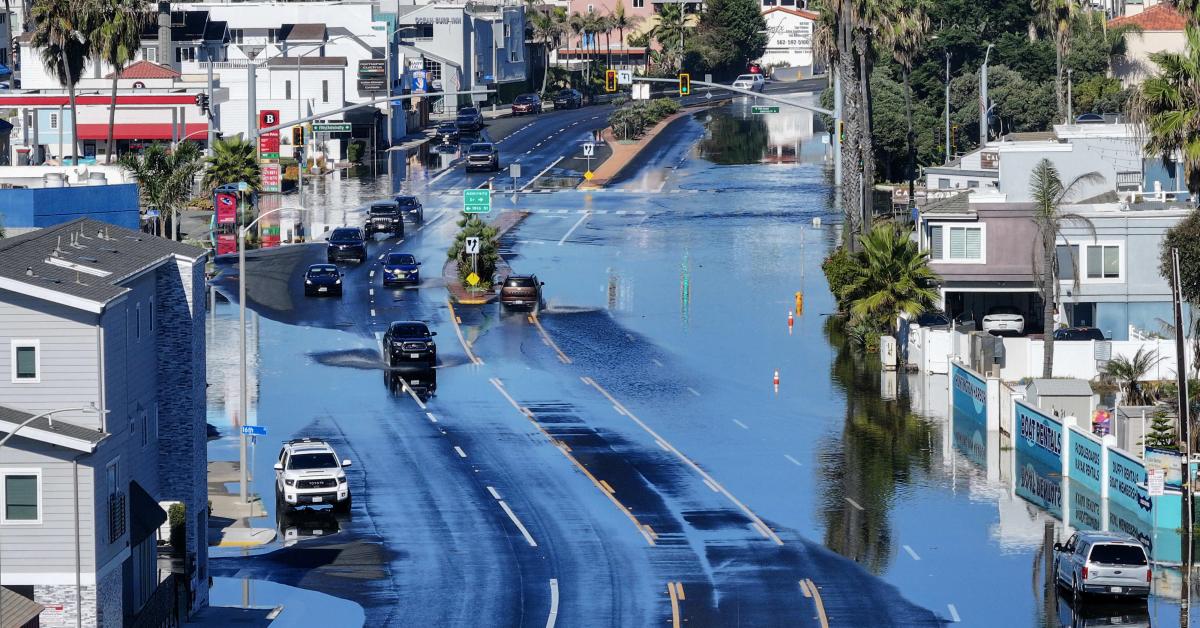
The impacts of El Niño vary in different parts of the world, adjusting hurricane frequencies, altering sea levels, and at times triggering
as well as seasonal snowfall amounts that depart from historical averages.
asserted
that → vary → averages
Fishing and agricultural industries often feel tangible consequences of those changes, as do utilities that depend on rainfall and wind to generate power.
asserted
that → feel → power
A "super" El Niño
Hype has swirled around the phrase "super" El Niño, which describes an El Niño climate pattern that is particularly strong and impactful.
asserted
that → swirl → pattern
It isn't an official term, though, and neither NOAA nor the World Meteorological Organization recognizes it.
asserted
NOAA → recognize → it
Instead, both agencies categorize this year's El Niño as "very strong."
asserted
agencies → categorize → Niño
NOAA determines that an El Niño event is taking place when El Niño conditions are detected in the tropical Pacific for at least a three-month period, five times in a row.
asserted
conditions → determine → row
If sea surface temperatures in that region rise 0.5 degrees Celsius, or more, above average, an El Niño event is declared.
asserted
event → rise → average
As of Nov. 12, sea surface temperature anomalies topped 4 degrees Celsius as El Niño strengthened and its conditions continued to spread, according to NOAA's Climate Prediction Center.
uncertain
conditions → top → Center
If temperatures rise to 2 degrees or more above average for five three-month periods in a row, the event will be considered a "very strong" El Niño.
asserted
event → rise → row
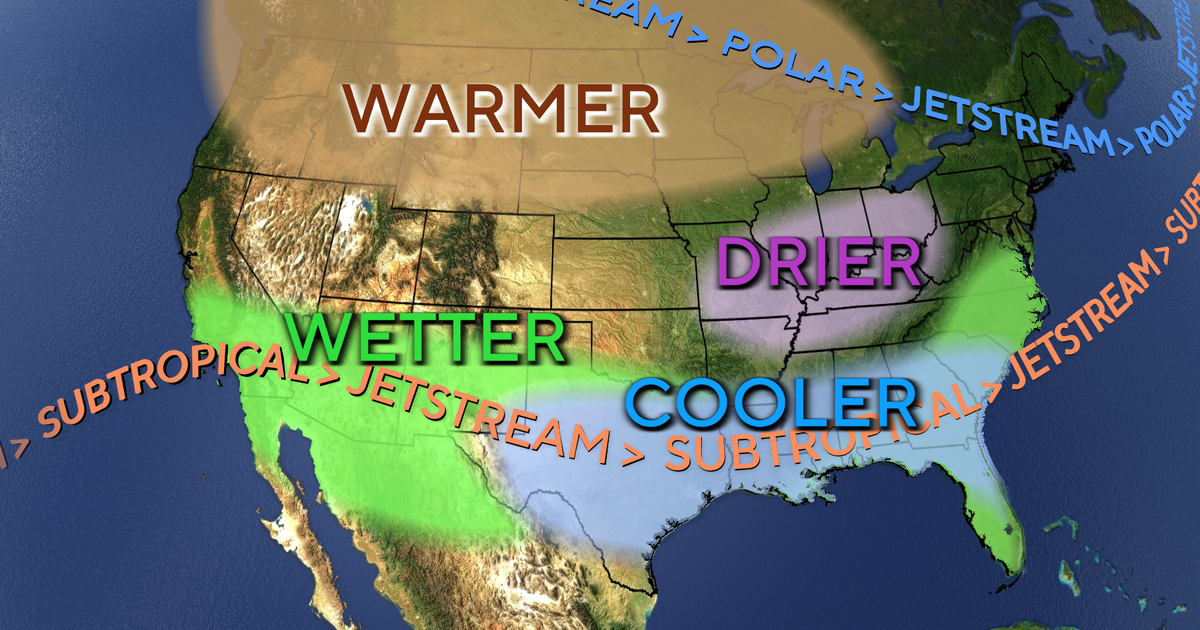
Due to the warmer climate, the southern portion of North America tends to experience wetter conditions during an El Niño event, as more frequent storms move in from the Pacific Ocean.
asserted
storms → tend → Ocean
But the northern portion of the continent is likely to see milder weather, with less precipitation through the winter months.
asserted
portion → see → months
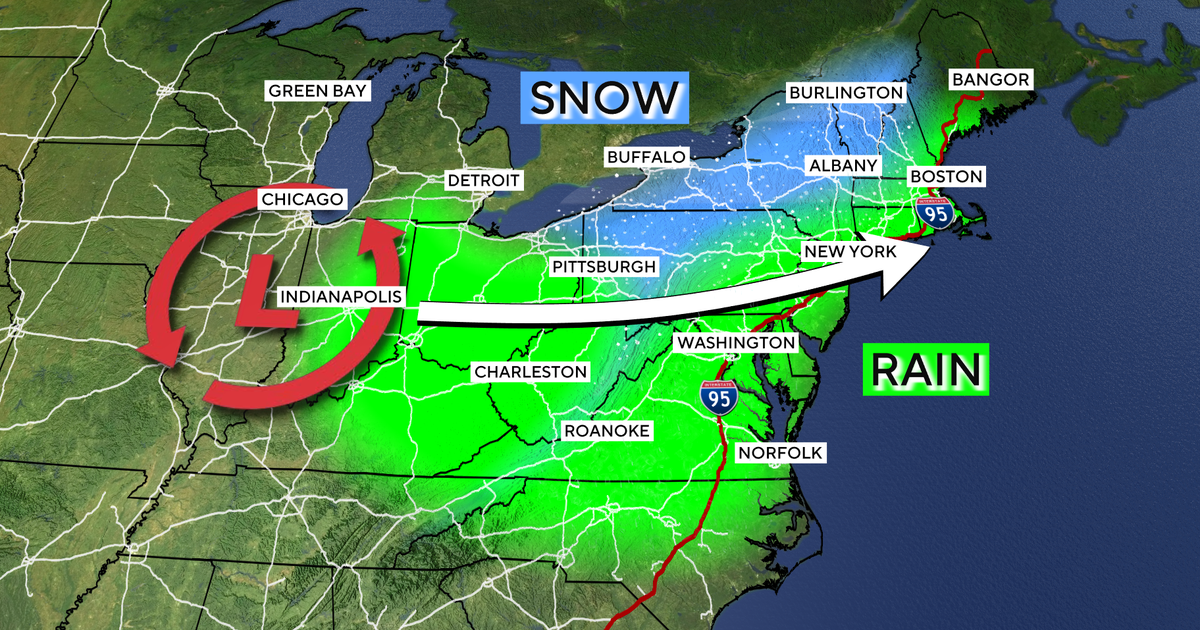
In the U.S., southern states should prepare for a stormier winter than usual.
asserted
states → prepare → winter
According to NOAA's
, those areas have higher chances of receiving precipitation in the form of rain or snow.
uncertain
areas → accord → rain
El Niño's impact worldwide
The northern portion of South America and central Africa are typically drier through the winter months during El Niño, while Australia and southern Asia also tend to experience drier conditions with less shower and storm activity.
asserted
Australia → tend → activity
Drought risks are elevated in areas where drier weather is expected.
asserted
weather → elevate → areas
Wetter conditions will materialize in certain regions, including eastern Asia and the southern portion of South America, both of which are forecast to receive more precipitation as a result of El Niño.
asserted
both → materialize → Niño
Moisture could potentially help improve drought conditions in some of those areas, but it also carries risks for severe flooding.
uncertain
it → help → flooding
El Niño's contrasting impacts on Central and South America have raised concerns this year, as a mix of drought and record precipitation devastated agriculture and prompted multiple countries to declare national emergencies.
asserted
mix → contrast → emergencies
How El Niño affects hurricanes
asserted
Niño → affect → hurricanes
How El Niño affected
in both the Atlantic and Pacific oceans this year was one of the more obvious examples of its influence.
asserted
in → affect → influence
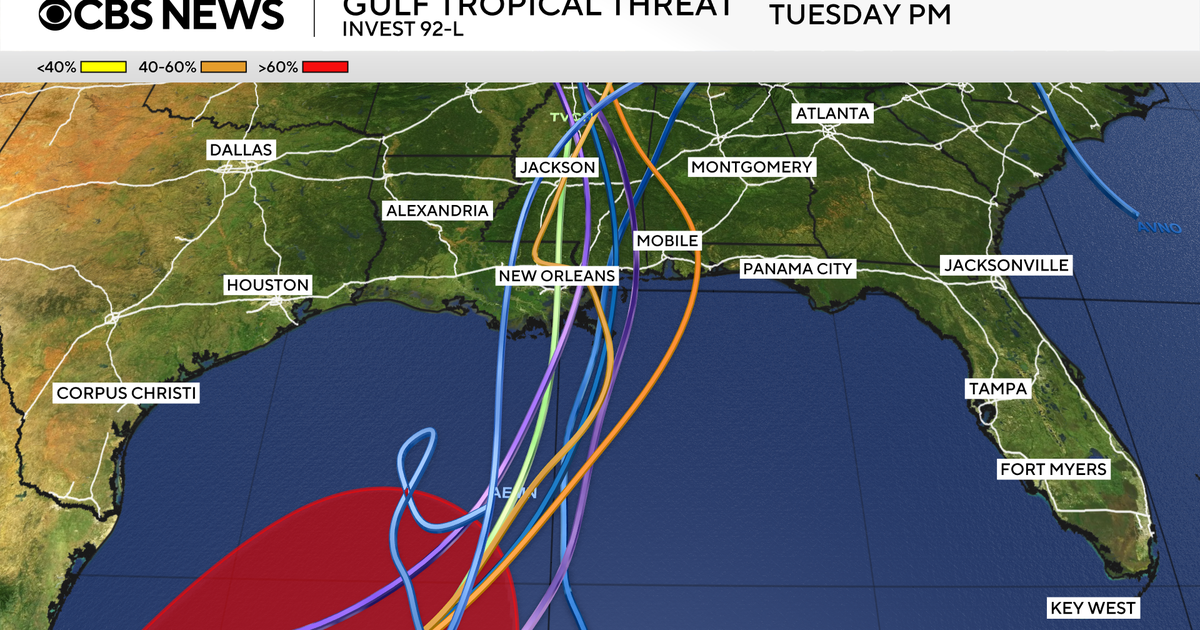
In the Atlantic, an El Niño tends to create conditions that hamper the development of tropical storms, while the opposite set of conditions encourages their formation in the Pacific.
asserted
set → tend → Pacific
It played a key role in the Atlantic basin's
tropical storm and hurricane activity this year, and, at the same time, contributed to the Pacific season's
asserted
It → play → season
.Meteorologists watch for movement of Saharan dust in the atmosphere off the coast of western Africa to predict tropical activity in the Atlantic basin.
asserted
.Meteorologists → watch → basin
When an El Niño climate is present, drier conditions enhance Saharan dust, which decreases the potential for tropical activity.
asserted
which → enhance → activity
In the Pacific, warmer waters caused by El Niño help create the ideal fuel for storm systems to erupt and become tropical storms or hurricanes.
asserted
systems → cause → fuel
In the Western Pacific, where tropical cyclones are referred to as typhoons, these systems are more likely to become hazardous "super typhoons" during El Niño, at times bringing catastrophic impacts to parts of eastern Asia.
asserted
systems → refer → Asia
Weather agencies have tracked 32 typhoons so far in 2026.
asserted
agencies → track → 2026
in April and Super Typhoon Champi in October tied as the strongest typhoons of the year in the Western Pacific, both reaching -equivalent strength with sustained winds of up to 185 mph.
asserted
both → tie → mph
The Eastern Pacific has seen 21 named tropical systems this year.
asserted
Pacific → see → systems
Some brought large waves to the West Coast of the U.S., eroding luxury beaches.
asserted
Some → bring → beaches
In the Central Pacific, Hawaii has seen five named tropical systems make close passes, bringing heavy rainfall, strong winds and flash flooding.
asserted
systems → see → rainfall
El Niño's strength often dictates how dramatically it impacts global weather.
asserted
it → dictate → weather
…and 5 more, not listed.
 The Aporia