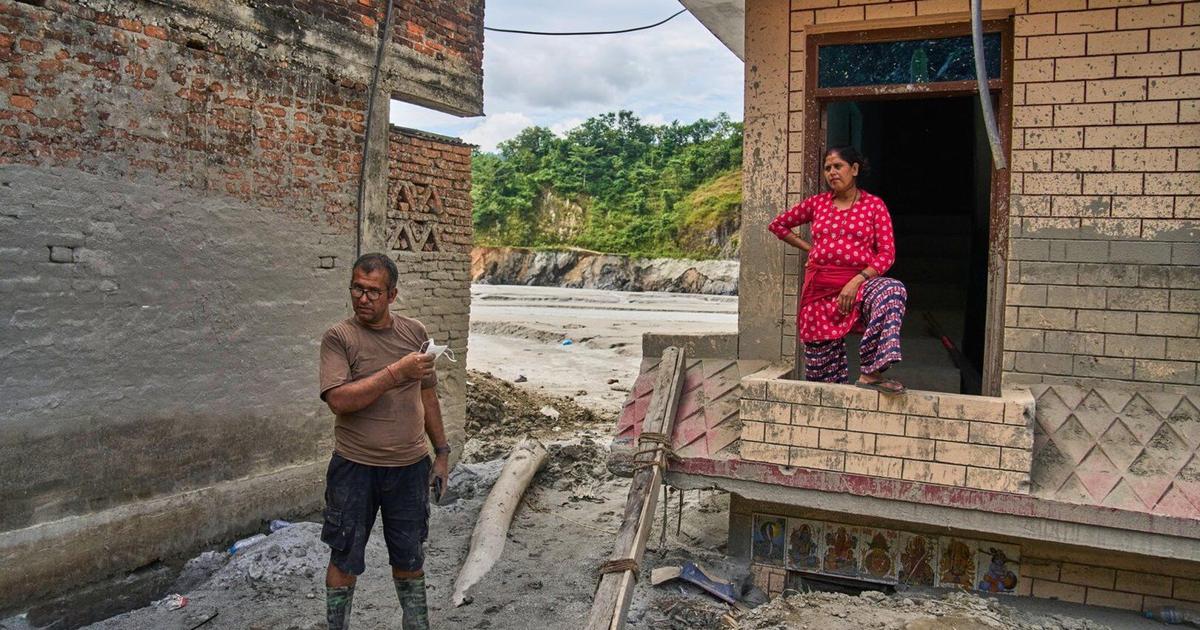
NUWAKOT, Nepal (AP) — Villagers whose families prayed for generations at a local temple now gather around the mound of dirt where it once stood, unsure whether it will ever be rebuilt.
asserted
it → pray → dirt
Farmers who once grew rice to feed their families and earn a living now sit in makeshift shelters, wondering if they’ll ever own land again.
asserted
they → grow → land
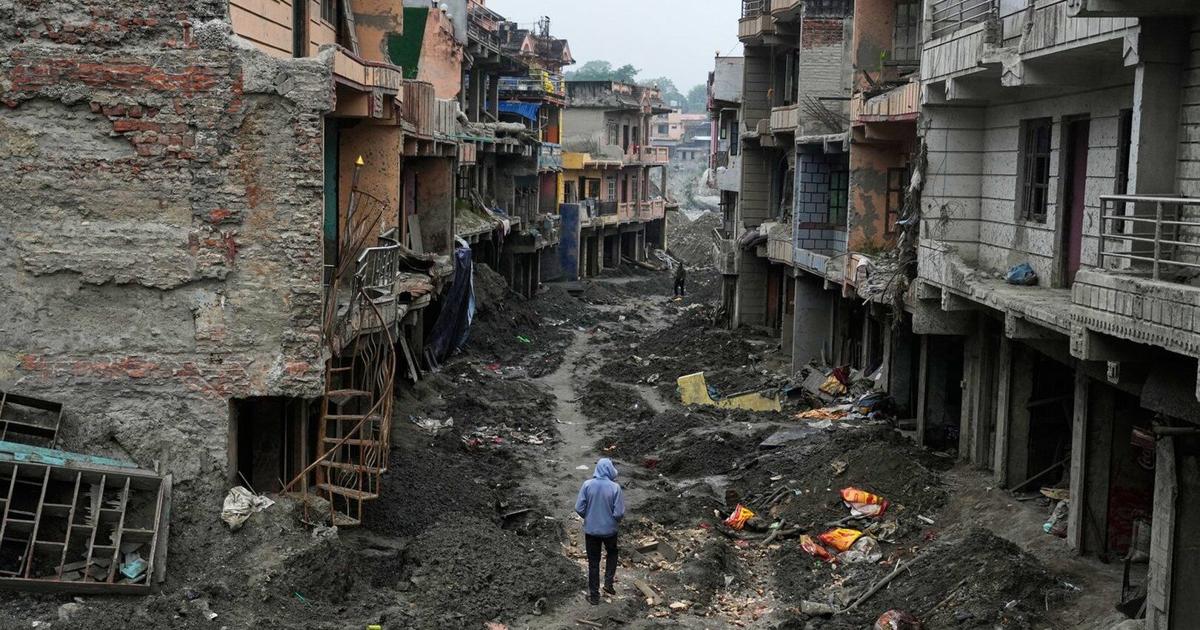
In Nuwakot and surrounding areas of Nepal, where deadly floods in August washed away entire villages and left thousands dead or missing, life has ground to a halt.
asserted
life → surround → halt
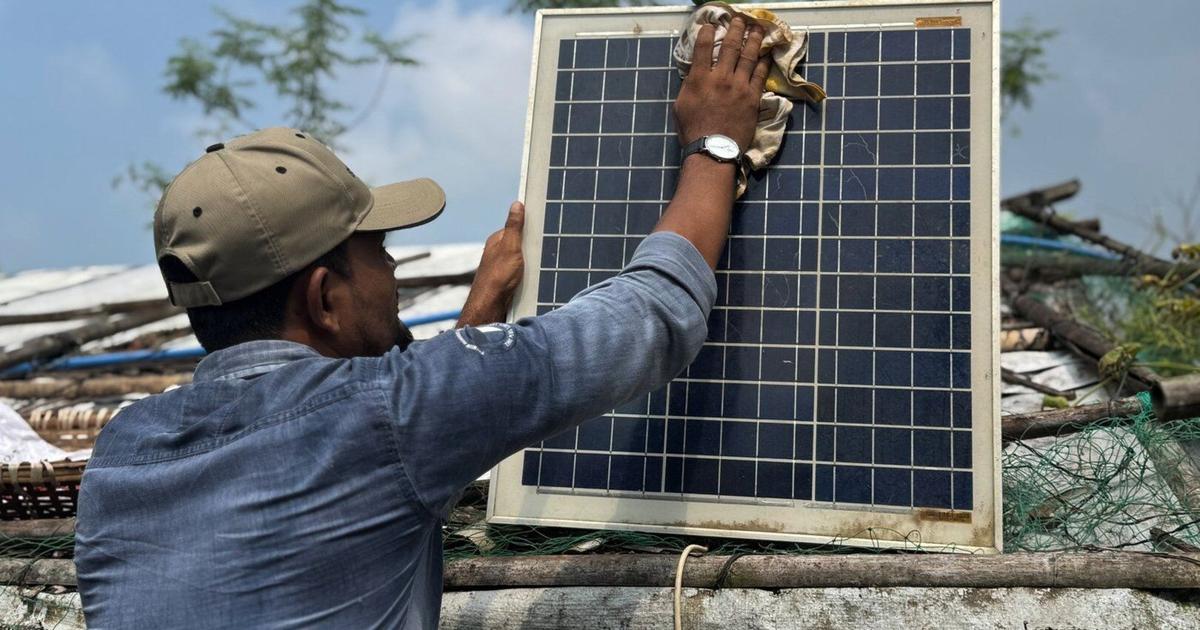
Along the Trishuli River, power lines, solar panels, cars and homes remain partially buried in the mud, while broken bridges leave communities cut off from neighboring towns.
asserted
bridges → bury → towns
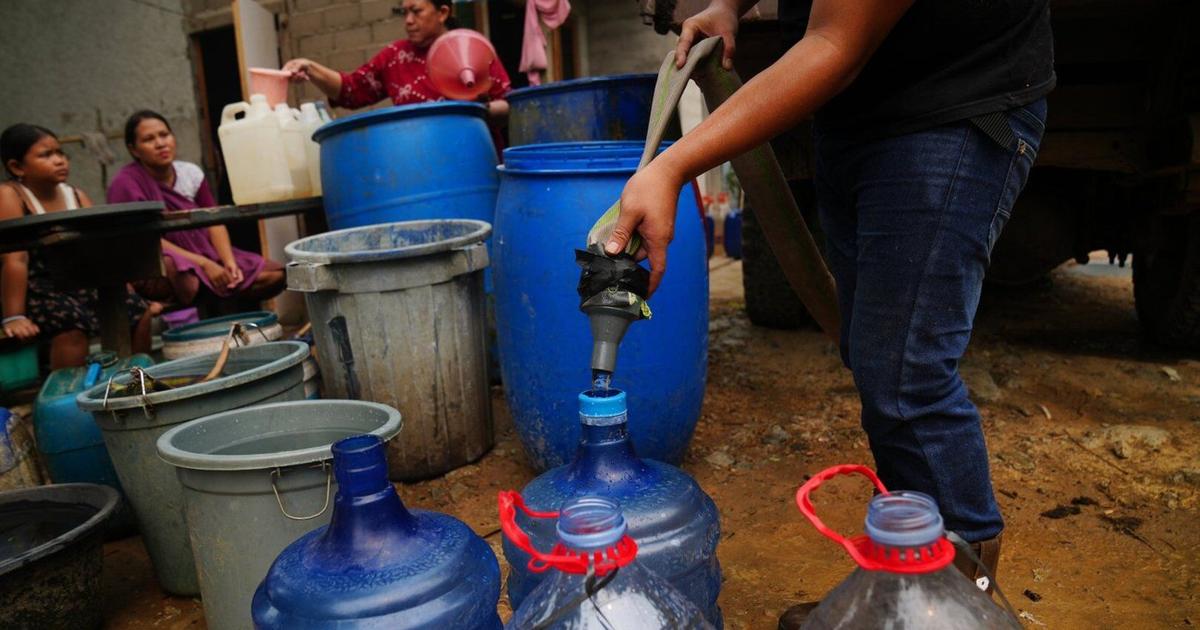
Survivors sleep in makeshift metal shelters, relying on donations for drinking water and food as they wait to see how, where and when they can get back on their feet.
asserted
they → sleep → feet
“God knows how long we will have to stay here,” 45-year-old Lakchin Bahadhur Tamang, a hydropower plant worker, told The Associated Press on a recent morning.
asserted
Tamang → know → morning
“I fear that once these aid organizations and helping hands leave, we will be left helpless, without even enough drinking water.”
asserted
we → fear → water
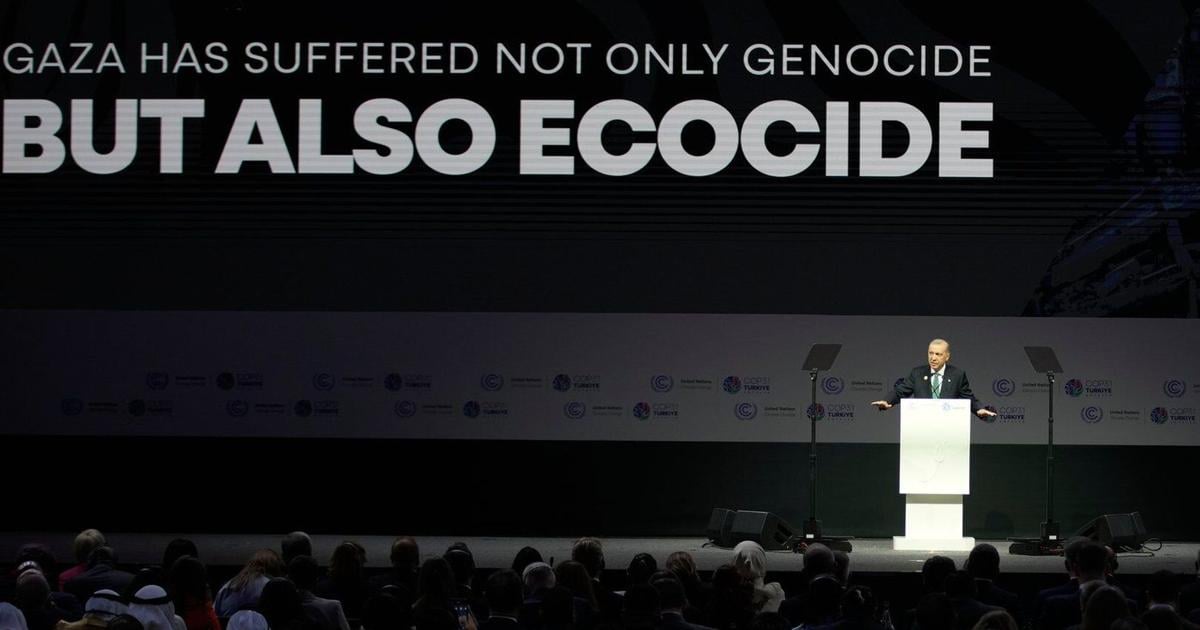
Meanwhile, thousands of miles away at the U.N. climate summit in Turkey, known as COP31, leaders from Nepal and other mountain countries are warning the world there is no time to wait, as they sound the alarm about future disasters from global temperature rise, including the collapse of Himalayan glaciers.
asserted
they → know → glaciers
They and other climate activists are calling for discussions on the heightened peril that people face from a warming planet, caused mainly by the burning of gas, coal and oil.
asserted
people → call → gas
They are focusing in particular on a fund established three years ago to compensate developing nations hit hard by climate-fueled disasters.
asserted
They → focus → disasters
The fund doesn’t have nearly as much money as needed and is mired in bureaucracy.
asserted
fund → have → bureaucracy
Experts say more funding and faster disbursement are essential to prepare for more efficient recovery as climate disasters become more frequent and severe.
asserted
disasters → say → recovery
Nepal pushes for Himalayan climate resilience at COP31
Nepal and other mountain countries are pressing negotiators to make the dangers facing their communities a lasting priority.
asserted
dangers → push → communities
While Nepal and Bhutan sought a dedicated negotiating agenda item on warming in mountain regions at the start of the summit, their proposal did not make the cut.
asserted
proposal → seek → cut
Nepal’s foreign minister, Shisir Khanal, said the country wants a dedicated program on mountains and climate change so mountain risks are reflected in international climate action, including funding decisions.
asserted
risks → say → decisions
“After the disaster, we received an outpouring of sympathy.
asserted
we → receive → sympathy
This is the time to put sympathy into the system,” Khanal said when speaking at the climate talks last week.
asserted
Khanal → put → talks
The stakes extend far beyond mountain villages.
asserted
stakes → extend → villages
Glaciers and snow in the Hindu Kush Himalaya feed rivers that nearly 2 billion people depend on for drinking water, farming and electricity, according to the Kathmandu-based International Centre for Integrated Mountain Development, or ICIMOD.
uncertain
people → feed → Development
Warming can destabilize mountain slopes as glaciers retreat and frozen ground thaws.
asserted
ground → destabilize → slopes
Floods carrying rock, ice and debris can cross borders within minutes, leaving little time to warn people downstream, especially as early warning systems face funding cuts.
asserted
systems → carry → cuts
Temperature rise won’t stop any time soon
Over the next years, global average temperatures are set to surpass 1.5 degrees Celsius (2.7 degrees Fahrenheit) of warming compared to the early 1800s, a threshold that delegates set during the 2015 Paris Agreement.
asserted
delegates → stop → Agreement
Amid that stark reality, many discussions focus on how and when the world can lower the global average temperature rise and go back below that threshold, which would require massive reductions in greenhouse gas emissions that the world has not been able to achieve.
asserted
world → focus → that
Pam Pearson, director of the International Cryosphere Climate Initiative, warned against treating the temperature rise as something that can be easily reversed.
asserted
that → warn → something
Snow and ice can disappear rapidly, while recovery can take centuries or millennia, she said.
asserted
she → disappear → centuries
“There is no negotiating with the melting point of ice,” Pearson said.
asserted
Pearson → be → ice
Monitoring unstable slopes and dangerous glacial lakes, sharing information across borders in real time, coordinating early warning systems and finding global funds are imperative, said climate experts at COP31.
asserted
experts → monitor → COP31
“Every time there’s a disaster in the Himalayas, we tend to call it a wake-up call,” said Pema Gyamtsho, director general of ICIMOD.
asserted
Gyamtsho → ’ → ICIMOD
“The question before us is: What will it take for us to wake up and take action?”
asserted
us → take → action
COP31 is a critical moment for the loss and damage fund
The U.N. Fund for Responding to Loss and Damage was established in 2022 to provide financial support to vulnerable developing nations suffering impacts from climate change.
asserted
Fund → respond → change
Its creation came after years of debates about how much developed nations, including the United States, historically the No. 1 polluter, should pay to help poorer nations adapt to climate change, which they had little role in causing.
asserted
they → come → role
At COP31, one of the most constant refrains of protesters has been “climate justice now,” calling for help for Nepal.
But the fund has so far fallen far short of expectations.
asserted
fund → call → expectations
For Nepal, it pledged about $20 million, only a fraction of the estimated $2.5 billion in losses.
asserted
it → pledge → losses
Khanal, Nepal’s foreign minister, has said rebuilding after the disaster would cost about one-tenth of Nepal’s economy.
asserted
rebuilding → say → economy
Manjeet Dhakal, a member of Nepal’s delegation and lead adviser to least developed countries at COP, welcomed the fund’s initial response but said that “the scale of the resources needs to increase.”
Overall, experts have calculated that the amount currently pledged through the fund falls vastly short of the world’s future needs.
asserted
amount → develop → needs
Countries have pledged more than $820 million to the fund, while it faces 176 requests for support from developing nations totaling about $2.8 billion.
asserted
it → pledge → billion
The fund’s board members will meet in December to consider more support requests.
asserted
members → meet → requests
The Stockholm Environment Institute estimated that by 2030 the loss and damage finance needed in lower-income countries would be between $400 billion and $1.6 trillion per year.
asserted
finance → estimate → year
The loss and damage fund has been slow to turn promises into payouts.
asserted
fund → turn → payouts
Money earmarked for Nepal remains subject to a formal funding proposal and final board approval, with no disbursement date announced.
asserted
date → earmark → proposal
…and 4 more, not listed.
 The Aporia