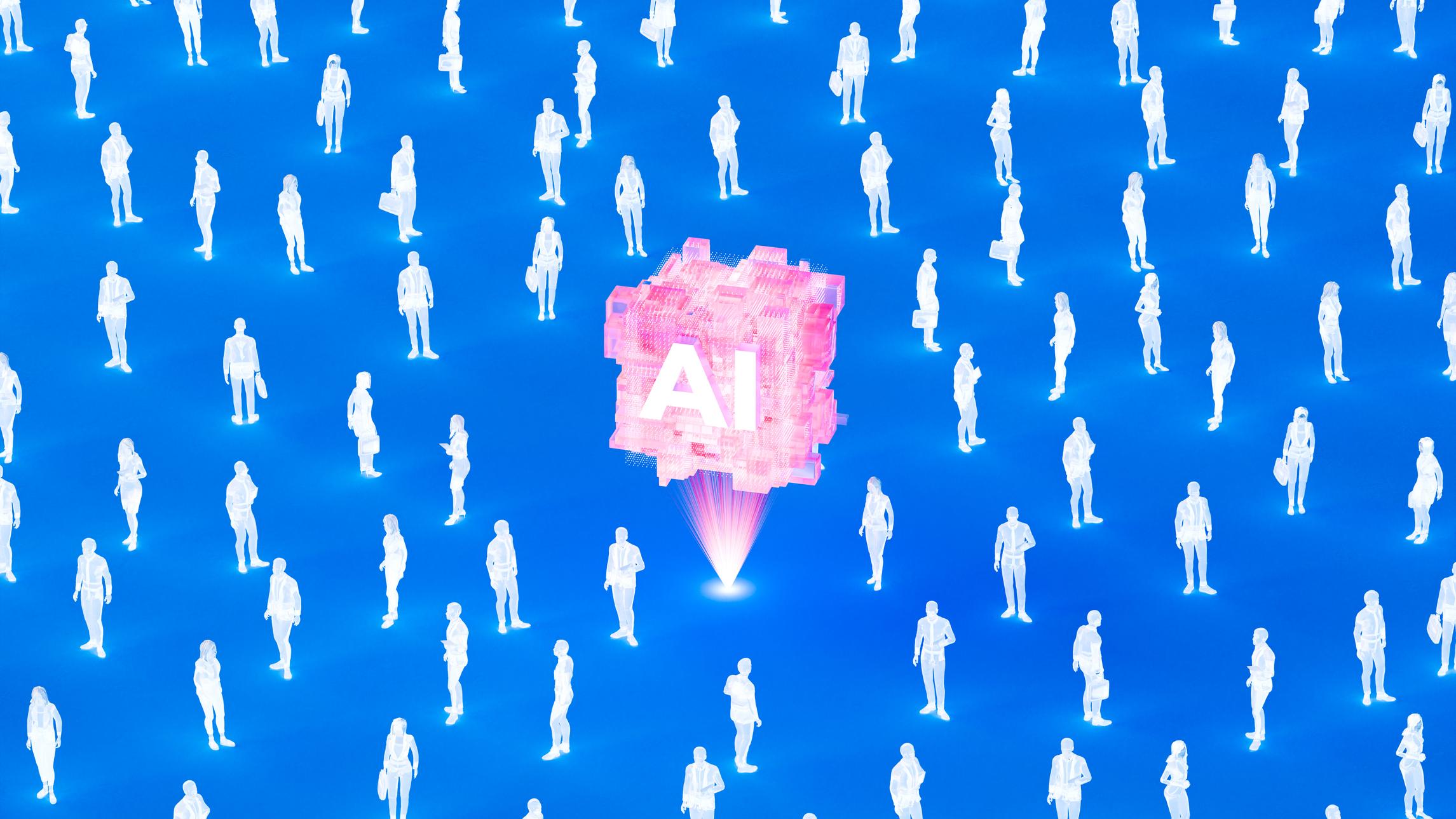
The most important flashpoint in the debate over the future of artificial intelligence for both business and political leaders is: What is the impact of the technology on working Americans?
asserted
impact → work → Americans
Over the long term, AI’s promise will be measured not by the scale of its investment, disruption, or productivity, but by the apportionment across America of the value it creates.
asserted
it → measure → value
It is vital that both Republicans and Democrats unite with the business and investment community to provide a solution that is acceptable to the majority of Americans.
asserted
that → unite → Americans
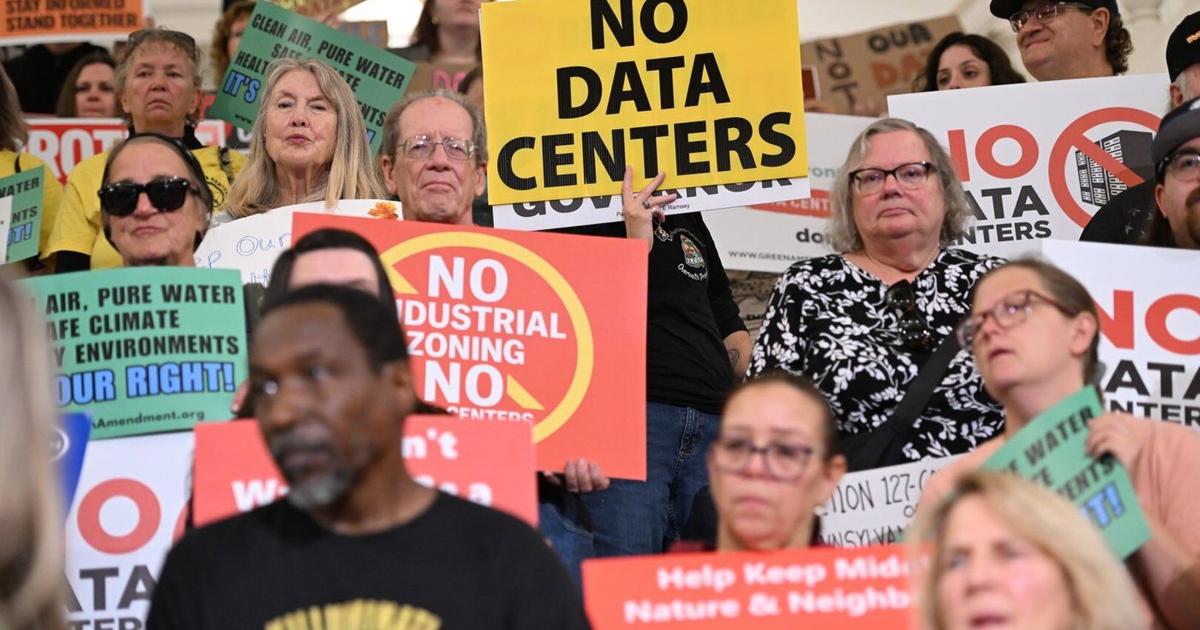
During the Midterm elections, all but one of 41 propositions to build data centers failed.
asserted
all → build → centers
If AI development is stopped or seriously slowed down, our economy could slide backward.
uncertain
economy → stop → ?
To date, both business and government have failed miserably in making the case for widespread benefits from AI.
asserted
business → fail → AI
Right now, Americans only see that the tech bros, Trump, and his allies get richer from AI, while the consequences for ordinary Americans seem more dire.
asserted
consequences → see → Americans
The solution must be constructed and implemented by business and government working together.
asserted
business → construct → ?
At the Council for Inclusive Capitalism’s roundtable alongside the UN General Assembly in September, executives, investors and policymakers offered useful suggestions.
asserted
executives → offer → suggestions
Our consultations with Council members over several months in 2026 resulted in a consensus that workers must be involved in how AI is deployed in order to reverse the groundswell against the technology and turn AI’s potential into lasting value for all.
asserted
AI → result → all
In July, I wrote that AI should give rise to an ownership economy, in which workers share in the wealth the technology creates.
asserted
technology → write → wealth
In many ways, Elon Musk’s promise to gift one share of SpaceX to every American child under the age of 18 could be a start.
uncertain
promise → gift → 18
The same is true of Anthropic’s “public benefit” fund, composed of 5% of its shares, which would be valued at nearly $75 billion.
asserted
which → compose → billion
That being said, the long-term viability of AI will not be measured in individual acts of philanthropy.
asserted
viability → say → philanthropy
Fortunately, there are several ways we could forge a better path today.
uncertain
we → be → path
First, companies must engage employees to identify business needs, test AI applications, and fold them into daily routines.
asserted
companies → engage → routines
This makes practical sense.
asserted
This → make → sense
People doing the work know where a process breaks down and where human judgment cannot be replaced.
asserted
judgment → do → work
The company’s part is to invest in skills tied to real openings, give people time to experiment, and help managers redesign workflows.
asserted
managers → invest → workflows
Time saved only creates value when it becomes better service, new products, and opportunities for customers and employees.
asserted
it → save → customers
Second, employers have to prepare current staff for new responsibilities while keeping a route open for young people who are just starting out.
asserted
who → have → people
AI is changing tasks, skills and hiring all at once.
asserted
AI → change → tasks
Companies that treat headcount reductions as the primary measure of AI’s success risk losing the people who understand both the technology and the business.
asserted
who → treat → technology
Employers, educators and policymakers can build routes in and up through apprenticeships, paid placements, internal mobility and structured learning alongside seasoned colleagues.
And third, we must bring public and private investment together or else the burden of transitioning to the AI era will fall unevenly.
asserted
burden → build → era
McKinsey projects that lower-wage workers are 7.6 times as likely as higher-wage workers to need a new occupation, and they often have the least capacity to retrain or absorb a temporary loss of income.
asserted
they → project → income
Support has to reach the people facing the steepest barriers.
asserted
Support → have → barriers
Some companies are acting.
asserted
companies → act → ?
Verizon, for instance, committed $70 million to AI Skills for America in September, combining $50 million in new funding with its existing $20 million fund for departing workers, and pairing free training with community coaching through partners such as Goodwill Industries.
asserted
Verizon → commit → Industries
Government has its own tools.
asserted
Government → have → tools
Workforce Pell, enacted in 2025 and now in effect, lets workers use federal Pell Grants for short-term job training.
asserted
workers → enact → training
Proposals in Congress would go further.
asserted
Proposals → go → Congress
Senator Mark Kelly’s Make AI Work for Americans Act would create a federal AI Horizon Fund, financed by the companies that profit most from AI, to pay for training and support for displaced workers.
asserted
that → make → workers
Senators Mark Warner and Josh Hawley have introduced bipartisan legislation requiring companies to report AI-related job losses so that policymakers can see the labor-market effects as they happen.
asserted
they → introduce → effects
None has yet become law.
asserted
None → become → ?
The choices companies make about AI in the coming months will shape both their competitiveness and their employees’ prospects, and the two are more closely tied than the layoff debate suggests.
uncertain
debate → make → competitiveness
The Council’s next phase will connect company experience with public policy, identify what works, and examine where public and private efforts can close gaps together.
asserted
efforts → connect → gaps
Inclusive capitalism has always been a practical idea: build lasting business value by expanding people’s ability to contribute to, and share in, economic success.
asserted
capitalism → build → ability
We do not need certainty about AI’s final impact to act.
asserted
We → need → impact
Workers should help shape the transition and share in the prosperity they help create.
asserted
they → help → prosperity
 The Aporia