The discovery of a new spider species did not begin in a remote forest or during an expedition.
asserted
discovery → begin → expedition
It happened inside a museum, where two amateur spider enthusiasts were working through specimens that had remained largely unnoticed for years.
asserted
that → happen → years
Valerie Warhol, an informatics assistant, and Amy Bianco, a part-time volunteer at Carnegie Museum of Natural History, found four rusty-orange trapdoor spiders in a jar while examining the museum’s arachnid collection.
asserted
Warhol → find → collection
Their careful investigation eventually showed that the spiders represented a species unknown to science, which was later named Cyclocosmia johndenveri after the singer named
John Denver.
asserted
which → show → Denver
Amateur spider hunters’ routine work led to the discovery of John Denver species
Warhol and Bianco were not setting out to discover a new species.
asserted
Warhol → lead → species
Their regular work involved going through specimens that had not received much attention, identifying them and helping to digitise and catalogue the museum’s holdings.
asserted
that → involve → holdings
According to Carnegie Magazine, this work is important because turning physical specimens and their labels into detailed digital records allows researchers around the world to access collections that might otherwise remain difficult to study.
uncertain
that → accord → collections
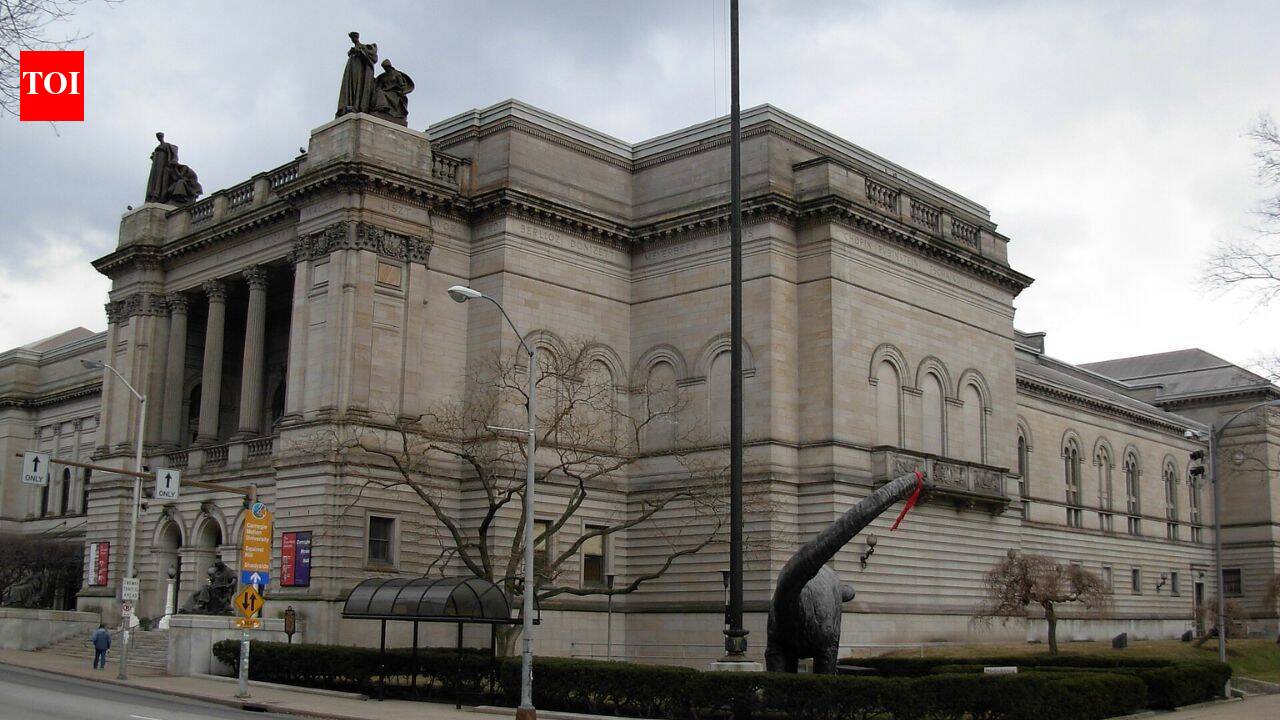
Carnegie Museum of Natural History holds about 18 million invertebrate specimens, making its collection one of the largest in the United States.
asserted
collection → hold → States
Yet only around 1% had been digitised when Warhol described the state of the collection.
asserted
Warhol → digitise → collection
That meant there was still a huge amount waiting to be examined, including specimens that could hold information missed when they were first collected.
uncertain
they → mean → information
In spring 2025, Warhol and Bianco were working through the arachnid collection when they came across a jar containing four rusty-orange trapdoor spiders.
asserted
they → work → spiders
The specimens had been collected in West Virginia in 1994, but their identity did not immediately fit what was already known about these spiders.
asserted
what → collect → spiders
The West Virginia specimens did not match any known spiders
Bianco recognised the spiders as members of Cyclocosmia, a group of trapdoor spiders sometimes known as Oreo cookie spiders because of their large, flattened abdomens marked by ridges.
asserted
Bianco → match → ridges
These ridges are thought to help protect the spiders from predators while they remain inside their underground tunnels.
asserted
they → think → tunnels
The location of the specimens quickly raised questions.
asserted
location → raise → questions
At the time, recorded Cyclocosmia species were known from Mexico and the southern United States, while these particular spiders had come from West Virginia.
asserted
spiders → record → Virginia
That left two possibilities.
asserted
That → leave → possibilities
One, the specimens could represent a significant extension of the known range of an existing species, or second, they could belong to a species that had never been formally recognised.
uncertain
that → represent → species
Warhol and Bianco then examined the spiders more closely.
asserted
Warhol → examine → spiders
Identifying the species required counting the ridges on the spiders’ flattened abdomens under magnification.
asserted
Identifying → identify → magnification
The number did not correspond with any known Cyclocosmia species, providing another reason to suspect that the museum drawer contained something unusual.
asserted
drawer → correspond → something
The biologist who helped confirm the unusual spider
The pair sought help from Danniella Sherwood, a biologist with the Arachnology Research Association in the United Kingdom.
asserted
pair → help → Kingdom
Sherwood had recently described a new trapdoor spider from Vietnam and therefore had particular experience with the genus.
asserted
Sherwood → describe → genus
Her advice directed Warhol and Bianco towards another feature that could help settle the identification.
uncertain
that → direct → identification
That feature was found on the pedipalps, the small appendages near a spider’s mouth.
asserted
feature → find → mouth
These structures have several functions, including helping spiders handle food.
asserted
spiders → have → food
In mature males, however, they also become reproductive structures used to transfer sperm.
asserted
they → become → sperm
Using highly magnified photographs supplied by Warhol and Bianco, Sherwood examined the pedipalps of the museum specimens.
asserted
Sherwood → use → specimens
The photographs showed that their shape differed from those recorded for other trapdoor spiders.
asserted
shape → show → spiders
This provided the evidence needed to establish that the specimens represented a previously undescribed species.
asserted
specimens → provide → species
Why the new species carries John Denver’s name
The spiders’ West Virginia origin led Sherwood to suggest a name connected with John Denver, the singer and songwriter who had a strong association with the state through his song Take Me Home, Country Roads.
asserted
who → carry → Me
The resulting scientific name was Cyclocosmia johndenveri.
asserted
name → result → ?
The discovery was formally recognised when its description was published in the scientific journal Natura Somogyiensis.
asserted
description → recognise → journal
Warhol and Bianco were included as co-authors of the paper, marking an achievement for two people whose work with spiders was not based on conventional academic research careers.
asserted
work → include → careers
Their discovery also illustrates why museum collections can remain scientifically valuable long after specimens are first collected.
asserted
specimens → illustrate → ?
The discovery emerged not from a fresh expedition, but from patiently revisiting material already held in the institution.
asserted
discovery → emerge → institution
What remains unknown about the John Denver spider
Even after the species was officially described, the investigation was not complete.
asserted
investigation → remain → spider
According to Carnegie Magazine, Warhol said that researchers still do not have a female specimen of Cyclocosmia johndenveri.
uncertain
researchers → accord → johndenveri
That leaves important aspects of the species’ biology and appearance still to be documented.
asserted
That → leave → biology
West Virginia also has relatively little spider research, according to Warhol.
uncertain
Virginia → have → Warhol
…and 2 more, not listed.
 The Aporia