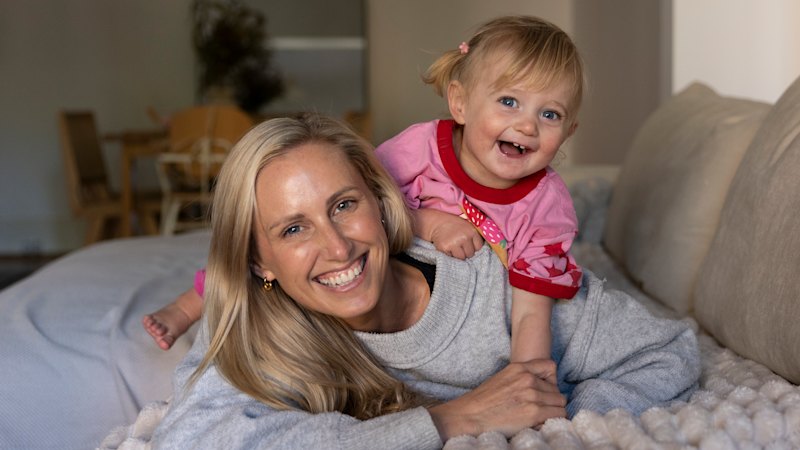
Elizabeth Adams-Cairns, a Sydney accounts manager, recounts how alcohol helped her feel like her old self during the challenging early years of parenthood. Research from the University of Sydney's Matilda Centre shows that one in six Australian mothers drink at risky levels within the first year after giving birth. Dr Katrina Prior, a senior research fellow at the centre, explains that new mothers often cope with isolation and identity crises by turning to alcohol, which is normalized through "wine mum" culture. The Matilda Centre has launched an online program called Healthy Mum, Healthy Bub to help manage anxiety and alcohol use during early parenthood.
Written by the local model on 2026-09-17,
using this article's own text rather than the other coverage of the
same event (that is the story summary below).
Story summary
Elizabeth Adams-Cairns, a new mother in Sydney, describes her early years of parenthood as particularly challenging. She juggled raising a toddler, working, and moving to another state before having a new baby. During this period, she found herself drinking alcohol with other mothers not just to cope but to feel like her old self again—someone who had more freedom.
According to research from the University of Sydney’s Matilda Centre for Research in Mental Health and Substance Abuse, one in six Australian mothers drink at risky levels within their baby's first year. Dr. Katrina Prior, a senior research fellow at the center, explains that the first three years of motherhood are complex, involving feelings of isolation despite being in relationships, an identity crisis due to adapting to less freedom, and stress from managing daily demands. These factors can lead mothers to turn to alcohol as a coping mechanism.
Adams-Cairns noted how drinking helped her briefly reconnect with her pre-motherhood self when socializing, highlighting the broader issue of many new mothers relying on alcohol to manage their anxieties during early parenthood.
Written for “New Mum Finds Solace In Alcohol” on 2026-09-17,
grounded in this article and the 0 other(s) covering the same event.
Elizabeth Adams-Cairns describes the early years of parenthood as the hardest of her life, as she juggled a toddler, work and an interstate move, followed by a new baby.
asserted
she → describe → baby
During this period, a few drinks with other mums wasn’t so much a fix for her anxiety as it was a way of feeling like her old self again – a person who had more freedom.
asserted
who → feel → freedom
One in six Australian mothers report drinking alcohol at risky levels in the first year of their baby’s life – a fact that won’t surprise anyone who’s ever wrangled the demands of early motherhood.
asserted
who → report → motherhood
“The first three years of motherhood are a complex time,” says Dr Katrina Prior, senior research fellow at the University of Sydney’s Matilda Centre for Research in Mental Health and Substance Abuse, which did the research into drinking in early motherhood.
asserted
which → say → motherhood
“You can be in a relationship yet still feel isolated, and as much as you might love being a new mum you can also be having an identity crisis, learning to adapt to a different life with less freedom.
uncertain
you → feel → freedom
It’s easy to open the cupboard and pour a drink as a way to cope,” Prior says.
asserted
Prior → ’ → way
“I’d been a party girl, and when you go out, you get a glimpse of your former self,” says the 39-year-old Sydney accounts manager.
asserted
manager → go → self
“I did feel like my old self, but I’d be hungover the next day and began to realise it wasn’t worth it.
asserted
it → feel → self
I felt so guilty after a few drinks and I didn’t want to feel the shame.
asserted
I → feel → shame
“There have been so many jokes and memes about mums and wine on social media that it’s normalised using alcohol as a way to cope with the pressure, like a reward for surviving a difficult day,” says Prior.
asserted
Prior → normalise → day
“There’s a lot of talk about how hard it is in the trenches of early motherhood, but not about ways of managing it.
asserted
it → ’ → it
Yet research shows that many women have significant anxiety and depression, as well as risky alcohol use during this period.
asserted
women → show → period
”
The Matilda Centre, which develops programs to prevent and treat problems with mental health and substance use has launched a clinical trial of an online program, Healthy Mum, Healthy Bub, to help women in the early stages of parenthood manage issues with anxiety and alcohol.
asserted
women → develop → anxiety
It’s been created alongside women with their own experiences of alcohol and early parenting.
asserted
It → create → alcohol
One of them is Victoria Vanstone, whose award-winning Sober Awkward podcast features conversations about drinking too much and how to change it.
asserted
podcast → win → it
Vanstone, a mother of three, also hosts a podcast series called MAMA – short for Motherhood, Alcohol, Mental Health and Anxiety – that acts as a companion to the program’s modules, and provides tools for making changes to drinking habits and managing stress.
asserted
that → host → stress
Vanstone is honest about her own battles with alcohol as a new mother in the past, and the anxiety generated by the shame she felt about drinking.
asserted
she → generate → drinking
It’s not always about going sober
Change doesn’t have to be about quitting drinking completely.
asserted
Change → ’ → ?
The Healthy Mum, Healthy Bub program, which is currently recruiting participants, is more about helping women rethink their relationship with alcohol, Vanstone says.
asserted
Vanstone → recruit → alcohol
“A lot of new mums feel anxious and overwhelmed, and we’re an easy target for the alcohol industry with all those pink drinks.
asserted
we → feel → drinks
But if we can talk about our alcohol use, than we can start looking outside it for something else that can help.”
asserted
that → talk → something
In these moments, a healthy distraction like calling a friend or putting the kettle on can help retrain the brain, Vanstone says.
asserted
Vanstone → call → brain
When you’re irritable and hungover, it’s hard to be consistent and responsive with young children, says Prior, adding that the program’s focus on mothers with young children is based on research showing that the first 1000 days of life – from birth to around age three – are critical for children’s physical, psychological and neurological development.
asserted
days → ’re → development
“It’s a time when mental health issues including social, emotional and behavioural problems can first emerge.
asserted
issues → ’ → problems
For Adams-Cairns, finding balance with her drinking means she still goes out with friends, but she puts certain rules in place before she does, like making sure she stays sober enough to drive home.
asserted
stays → find → place
“I can have one and then stop, which means I can have fun and still get up at 5am and feel OK,” she says.
asserted
she → have → 5
“I don’t need to be lubricated to have deep chats with friends either – we can have coffee and go straight to, ‘How are you feeling?’”
Make the most of your health, relationships, fitness and nutrition with our Live Well newsletter.
asserted
you → need → newsletter
 The Aporia