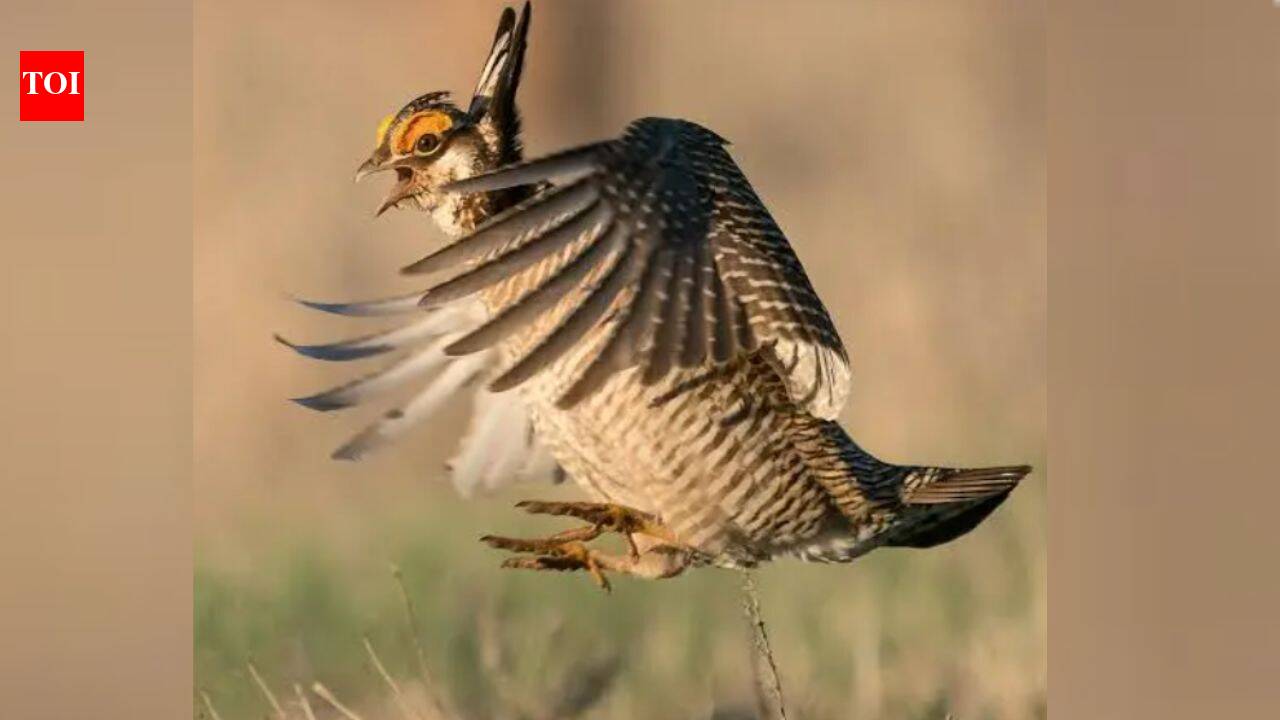
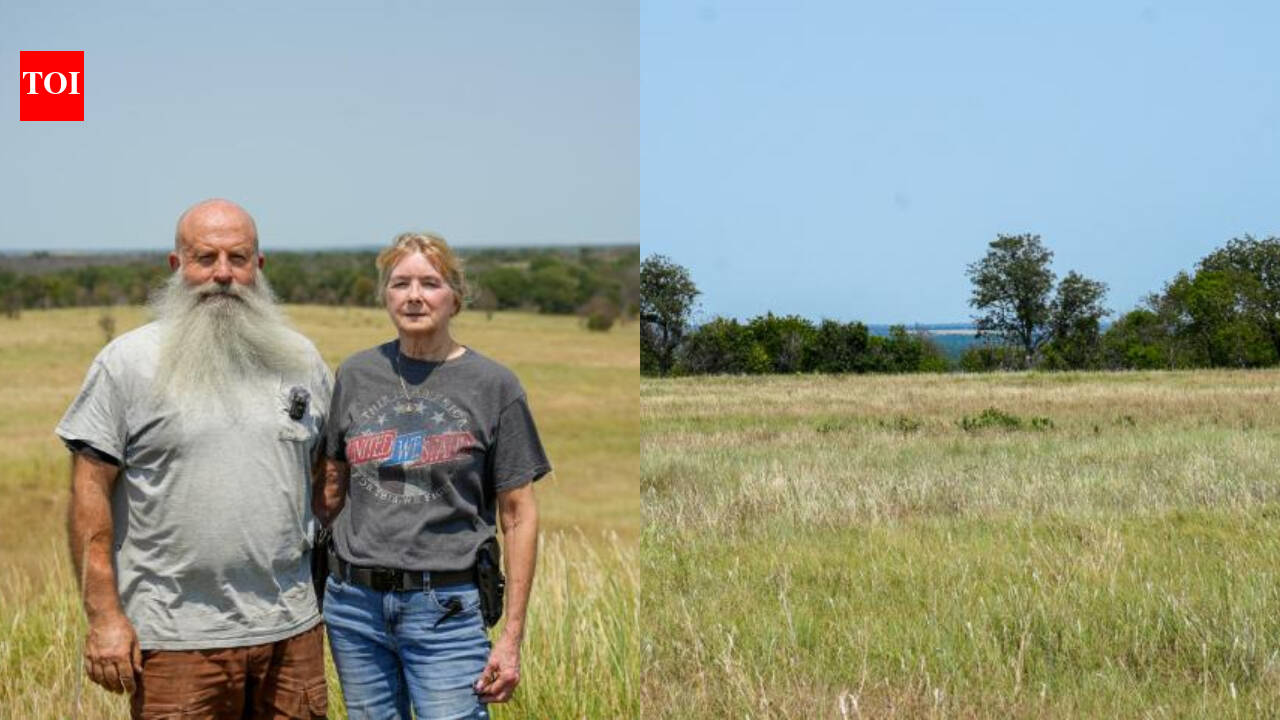
Colorado purchased a 2,100-acre ranch for nearly $2 million in an effort to save the declining lesser prairie-chicken population. The Southern Plains Land Trust acquired the former private property in Kiowa County and will work with Colorado Parks and Wildlife (CPW) to restore grassland habitats crucial for the bird’s survival. The land includes an area within 10 miles of an active breeding site, known as a lek, where males gather to mate during spring. Ecologist Henry Pollock emphasized that habitat loss and overgrazing are significant factors in the species' decline, highlighting the need for restoration efforts to help these birds recover naturally or through translocation if necessary.
Written by the local model on 2026-09-17,
using this article's own text rather than the other coverage of the
same event (that is the story summary below).
Story summary
Colorado Parks and Wildlife (CPW) has partnered with The Southern Plains Land Trust to save the declining lesser prairie-chicken population. The trust purchased a 2,100-acre former private ranch in Kiowa County, Colorado, for just under $2 million using grants and donations. This purchase aims to restore the habitat of the critically threatened grassland bird species.
The property lies adjacent to the Sand Creek Massacre National Historic Site and is within 10 miles of an active lesser prairie-chicken lek, a traditional breeding ground where males gather during mating season. The restoration project will focus on allowing the grasslands to recover and reintroducing key plant species essential for the birds' survival.
Since 1975, the lesser prairie-chicken population in Colorado has plummeted from over 80,000 birds to just 89 breeding males as of 2024. Habitat loss is primarily responsible for this dramatic decline. CPW has already implemented translocation projects, moving 411 birds from northwestern Kansas to the Sand Sagebrush Ecoregion between 2016 and 2019, but further efforts like habitat restoration are crucial for long-term survival of the species.
Written for “Colorado Ranch Purchase For Chickens” on 2026-09-17,
grounded in this article and the 0 other(s) covering the same event.
Colorado’s lesser prairie-chicken population has fallen from more than 80,000 birds in 1975 to just 89 breeding males, according to a 2024 data.
uncertain
population → fall → data
To restore the population of the critically threatened grassland bird, nearly 2,100 acres of land in the state’s southeastern plains have now been acquired.
asserted
acres → restore → plains
The Southern Plains Land Trust bought the former private ranch in August for just under $2 million through grants and donations, Rocky Mountain PBS reported.
asserted
PBS → buy → grants
The property is in Kiowa County and lies next to the Sand Creek Massacre National Historic Site.
asserted
property → lie → Site
The land trust will work with Colorado Parks and Wildlife (CPW) to restore the property.
asserted
trust → work → property
Work is expected to begin next winter or spring, with the aim of allowing the grassland to recover and restoring key plant species needed by lesser prairie-chickens.
asserted
grassland → expect → chickens
A lek is a traditional breeding ground where male birds gather during mating season to display and compete for mates.
asserted
birds → gather → mates
Habitat loss has reduced the population
asserted
loss → reduce → population
Henry Pollock, an ecologist, conservation biologist and executive director of the Southern Plains Land Trust, said habitat loss and overgrazing have played a major role in the species’ decline.
asserted
loss → say → decline
“The lesser prairie-chickens are declining rapidly.
asserted
chickens → decline → ?
A lot of that is due to habitat loss and also overgrazing on remaining grassland,” Pollock said.
asserted
Pollock → remain → grassland
“By letting the land rest and recover a little bit and restoring some of these key grass species for breeding, we hope that they will recolonise naturally, although there is the possibility that we could do a translocation in the future,” he added.
uncertain
he → let → future
They weigh between one and two pounds.
asserted
They → weigh → pounds
During mating season, males inflate air sacs in their necks, making their reddish or orange patches more noticeable to females.
asserted
patches → inflate → females
The birds live in the Sand Sagebrush Ecoregion, which stretches across southeastern Colorado, southwestern Kansas and a small part of western Oklahoma.
asserted
which → live → Oklahoma
CPW lists habitat loss and fragmentation, energy development, agriculture and grazing, and climate change among the threats to the species.
asserted
CPW → list → species
Habitat loss has also left the birds living in scattered areas.
asserted
loss → leave → areas
Pollock said some breeding habitat has been grazed away, including the grasses and smaller habitats used by the birds for nesting.
asserted
habitat → say → nesting
“The lesser prairie-chickens, over a long period of time, some of their breeding habitat has kind of been grazed off the landscape.
asserted
some → graze → landscape
That includes bunch grasses and little micro habitats for where they have their nest,” Pollock said.
asserted
Pollock → include → nest
The new property is expected to provide an area where grassland can recover and habitat can be restored close to an existing breeding site.
asserted
habitat → expect → site
CPW has used translocation to help the birds
CPW hasalso carried out translocation projects, moving lesser prairie-chickens from one area to another. From 2016 through 2019, CPW worked with Kansas to move 411 birds from the Short-Grass Prairie in northwestern Kansas to the Sand Sagebrush Ecoregion.
asserted
CPW → use → Ecoregion
The birds were released at the Comanche National Grasslands in Colorado and the Cimarron National Grasslands in southwestern Kansas.
asserted
birds → release → Kansas
The project produced early signs of success.
asserted
project → produce → success
One year after it ended, the relocated birds had established 20 leks across the two sites.
asserted
birds → end → sites
There were 115 males and an estimated population of about 250 birds in total, according to wildlife biologist Jonathan Reitz, who worked on the project.
uncertain
who → be → project
“At the end of the day, that’s really successful.
asserted
that → ’ → day
If somebody told me at the front end that for every two birds that you move, one is actually going to get established in a population, I would have been ecstatic because these birds are getting moved to an entirely different landscape,” Reitz said.
asserted
Reitz → tell → landscape
However, the population later declined.
asserted
population → decline → ?
Reitz said years of drought in the region contributed to the decline.
asserted
years → say → decline
The project also showed the importance of suitable habitat for the birds after they are moved.
asserted
they → show → birds
Reitz said land needs to be managed properly if conservation efforts are to improve conditions for the species.
asserted
efforts → say → species
You need land that’s going to be managed properly for the chicken,” Reitz said.
asserted
Reitz → need → chicken
“And the reality is if we want those lands managed in a way that’s going to improve things for some of the wildlife species, we’ve got to figure out ways to pay for it.”
asserted
we → want → it
Federal protection changed in 2026
The new preserve comes as the lesser prairie-chicken’s federal protection has changed.
asserted
protection → change → 2026
The US Fish and Wildlife Service removed both the northern and southern distinct population segments from the federal Endangered Species Act list in 2026 in response to a court order.
asserted
Service → remove → order
The southern population had been listed as endangered and the northern population as threatened in 2022.
asserted
population → list → 2022
Despite the removal, Pollock said the species remains the most endangered bird in the Southern Great Plains.
asserted
species → say → Plains
 The Aporia