Attempted hijacking renews calls for planes to have secondary cockpit barriers
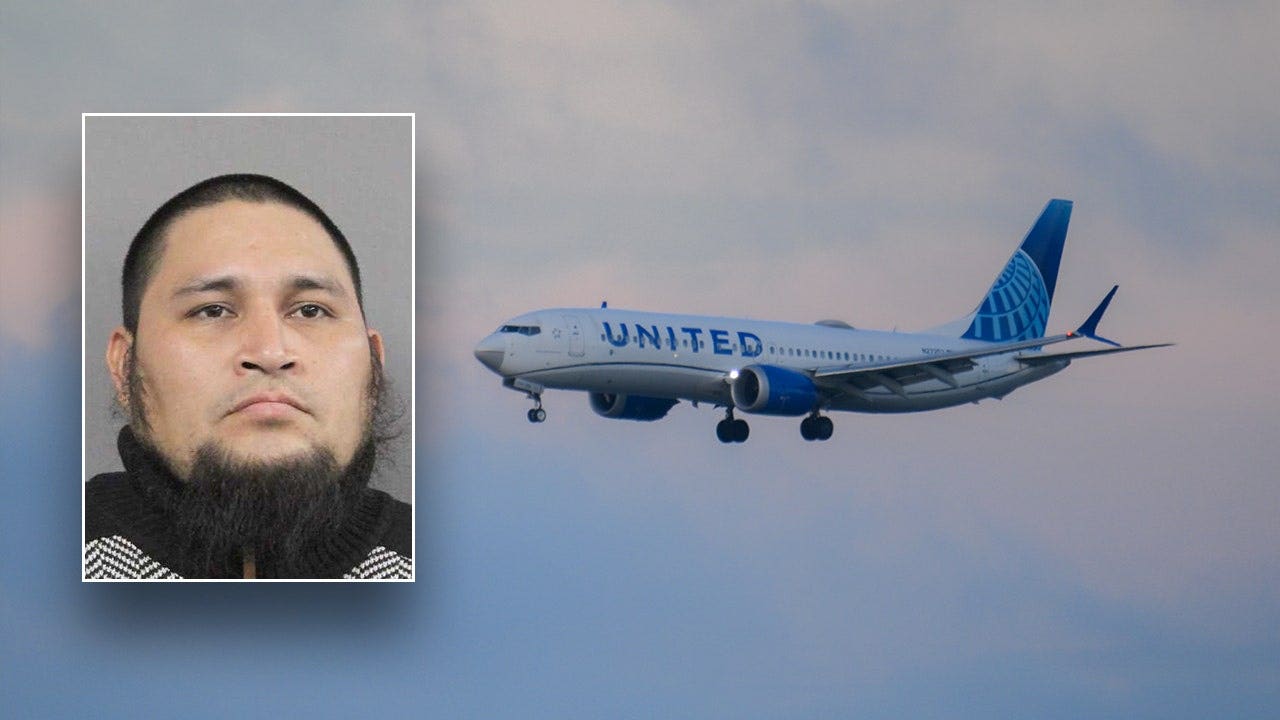
A Honduran man stands accused of threatening to blow up a New Orleans-bound passenger plane Monday night and attempting to enter its cockpit.
Twenty-five years after 9/11, most commercial airlines haven’t installed secondary cockpit barriers as an added measure of security.
asserted
airlines → attempt → security
Airline security experts argue it’s needed when federal immigration and national security policies fail.
asserted
policies → argue → ?
A Honduran man stands accused of threatening to blow up a New Orleans-bound passenger plane Monday night and attempting to enter its cockpit.
asserted
man → accuse → cockpit
The Department of Homeland Security confirmed that the Honduran attempted to enter the cockpit on a United Airlines flight departing Newark International Airport in New Jersey, the same airline and airport 9/11 hijackers used.
asserted
hijackers → confirm → Jersey
Twenty-five years ago, four Islamic hijackers made it through security at the same airport and boarded United Airlines Flight 93.
asserted
hijackers → make → Flight
After breaking through the cockpit door, they hijacked the plane and passengers attempted to stop them.
asserted
passengers → break → them
The plane crashed in Pennsylvania, with the hijackers killing 33 passengers and seven crew members.
asserted
hijackers → crash → passengers
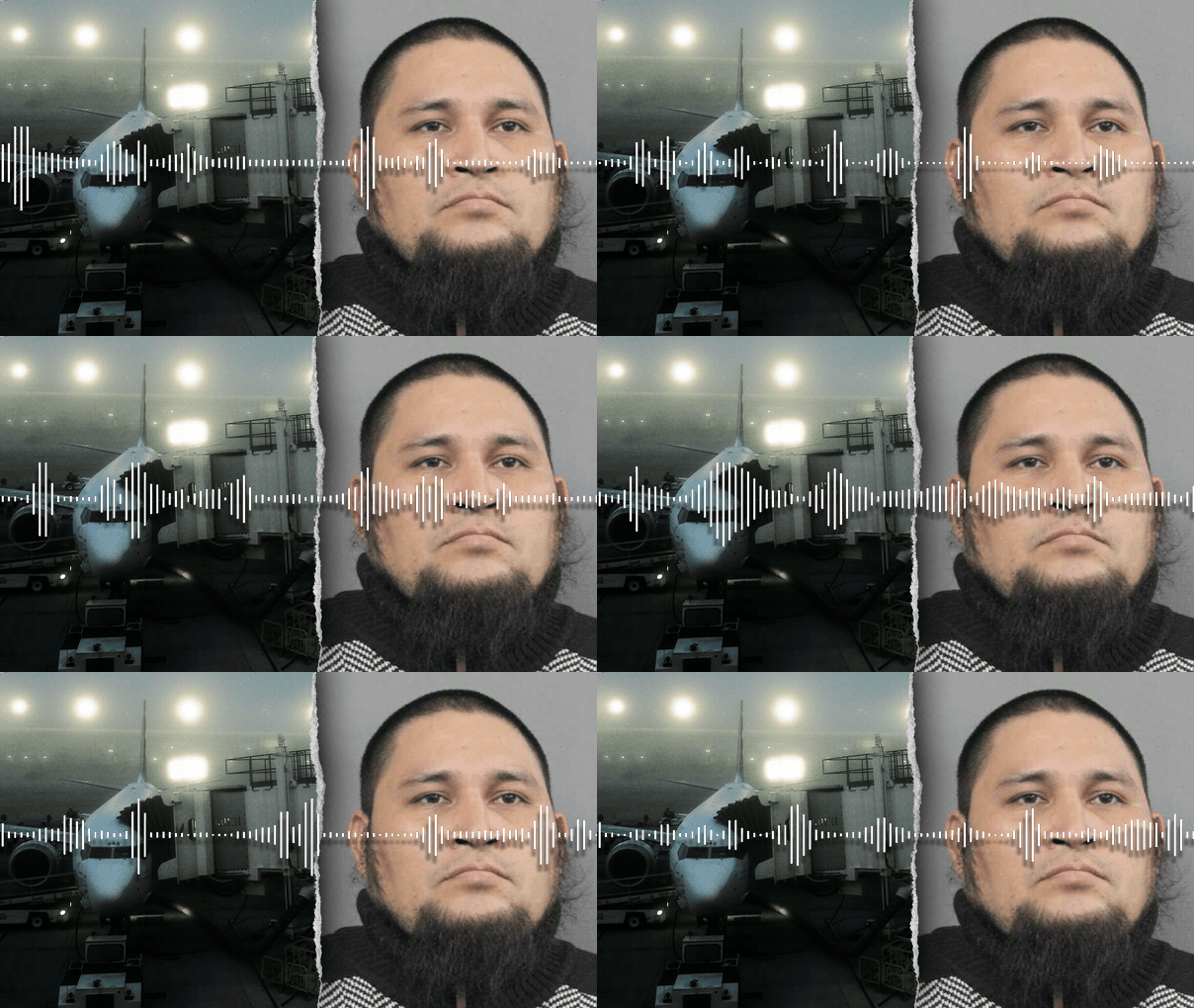
This time, a twice deported Honduran, Rony Alexander Gomez-Alberto, attempted to storm the cockpit of United Airlines Flight 2174, authorizes allege.
asserted
Honduran → deport → Flight
The flight wasn’t diverted and landed in New Orleans, where Gomez-Alberto was arrested by the Jefferson Parish Sheriff’s Office on several felony charges.
asserted
Alberto → divert → charges
Former FAA whistleblower Brian Sullivan, a retired Vietnam-era Army lieutenant colonel and FAA Special Agent, has been warning that another terrorist attack could occur because airline security measures haven’t been implemented, including Congress mandating that secondary cockpit barriers be installed in airplanes and cross agency vetting compliance.
uncertain
barriers → retire → airplanes
Sullivan warned about security lapses at Logan International Airport prior to 10 hijackers departing from it.
asserted
hijackers → warn → it
On 9/11, they hijacked two planes that hit both World Trade Center towers.
asserted
that → hijack → towers
Had local and federal officials heeded his and others’ warnings, they argue the towers would still be standing, The Center Square reported.
asserted
Square → heed → warnings
“One thing this incident demonstrates is the importance for all commercial aircrafts to have reinforced cockpit doors,” Sullivan told The Center Square Friday.
asserted
Sullivan → demonstrate → doors
“It also shows ongoing failures at every level, including by federal agencies whose job it is to protect Americans.”
asserted
it → show → Americans
All four planes that were hijacked on 9/11 were hijacked because Islamic terrorists made it through security at airports and broke through the cockpit doors, the 911 Commission concluded in its 2004 report.
asserted
Commission → hijack → report
After 9/11, airlines installed hardened cockpit doors but didn’t install secondary barriers.
asserted
airlines → instal → barriers
Congressional investigations have identified ongoing vetting challenges, The Cetner Square reported.
asserted
Square → identify → challenges
Since 9/11, Congress has not required secondary barriers to be retrofitted to planes or mandate that they be added to all new commercial planes, something the Air Line Pilots Association says would be easy and inexpensive to do.
asserted
Association → require → planes
ALPA has been calling for this and other security measures for 25 years.
asserted
ALPA → call → years
In 2024, Congress passed the FAA Reauthorization Act, which required a report to be conducted to assess requiring installing secondary cockpit barriers.
asserted
report → pass → barriers
“Lightweight, retractable security gates remain deployed when the flight deck door is opened in flight, ensuring continued protection for pilots, passengers, and crew,” ALPA says.
asserted
ALPA → deploy → pilots
“After years of stalling, the FAA recently finalized a rule requiring secondary barriers on newly manufactured commercial airline passenger aircraft.
asserted
FAA → finalize → aircraft
But this regulation does not apply to existing aircraft, leaving many planes unprotected.”
asserted
regulation → apply → planes
Doing so is necessary when federal agency vetting, screening and immigration policies fail, Sullivan said.
asserted
Sullivan → do → ?
“The security system is broken because of the gaps between immigration status, criminal background information and TSA screening.
asserted
system → break → status
Those gaps allowed him to get on the plane,” he told The Center Square.
asserted
he → allow → Square
Current TSA require a state-issued REAL ID or U.S. passport for U.S. citizens to board flights.
asserted
citizens → require → flights
Non-citizens can fly domestic in the U.S. without a REAL ID by using other identification.
asserted
citizens → fly → identification
In New York, where Gomez-Alberto was residing, illegal foreign nationals can obtain driver’s licenses, although they may not comply with the REAL ID Act.
uncertain
they → reside → Act
“The relevant agencies knew who the suspect was and knew his immigration status, but existing federal rules explicitly exclude criminal history and immigration status from domestic flight-ban criteria,” Sullivan added.
asserted
Sullivan → know → criteria
DHS claims it and U.S. Citizenship and Immigration Services “have taken swift action to secure the asylum system and crack down on asylum fraud, so that dangerous illegal aliens like this cannot enter our country.”
uncertain
aliens → claim → country
It also claims, “USCIS screening and vetting also helps identify individuals who may pose public-safety or national-security concerns” after Gomez-Alberto made it through security onto a plane in an attempted hijack.
uncertain
Alberto → claim → hijack
Federal authorities did not flag him prior to boarding.
asserted
authorities → flag → boarding
Gomez-Alberto was first apprehended by Border Patrol after illegally entering near El Indio, Texas, in September 2011 and deported, DHS said.
asserted
DHS → apprehend → September
Three years later, he illegally entered near Columbus, New Mexico, in October 2014 and was again deported, both times by the Obama administration, Fox News reported.
asserted
News → enter → administration
He illegally entered a third time in 2019, near San Ysidro, California, and was released into the U.S. in January 2020.
asserted
He → enter → January
This time, he claimed asylum, claiming he was transgender, and a judge granted his request, which is still pending, DHS said.
asserted
DHS → claim → request
His case has not been resolved after seven years.
asserted
case → resolve → years

 The Aporia