
Heatwaves and energy crunch: Can Europe withstand a double shock?

Read the original at Al Jazeera ↗
Cite

Heatwaves and energy crunch: Can Europe withstand a double shock? (2026, August 20). Al Jazeera. https://www.aljazeera.com/video/counting-the-cost/2026/8/20/heatwaves-and-energy-crunch-can-europe-withstand-a-double-shock?traffic_source=rss

Dated when The Aporia collected the article, usually within hours of publication. Check the original for its exact date and byline.

Al Jazeera · collected 2026-08-20

Quick Summary

Europe is experiencing its fifth heatwave of the year, causing wildfires, crop failures, and droughts, which economists warn are becoming an economic risk, with estimated damages totaling $209 billion, roughly 1% of EU GDP. This comes as Europe's economy is already strained by higher energy prices caused by the Iran war. The Dutch bank Triodos estimates that the heatwave's economic impact will wipe out nearly all the growth expected in 2026. Economists are warning about the combined effects of extreme heat and rising energy costs on various sectors, including output, tourism, food prices, insurance, and public budgets.
Written locally by qwen2.5:14b on 2026-08-20, using this article's own text rather than the other coverage of the same event (that is the story summary below).

AI analysis runs on qwen2.5:14b, locally

Story summary

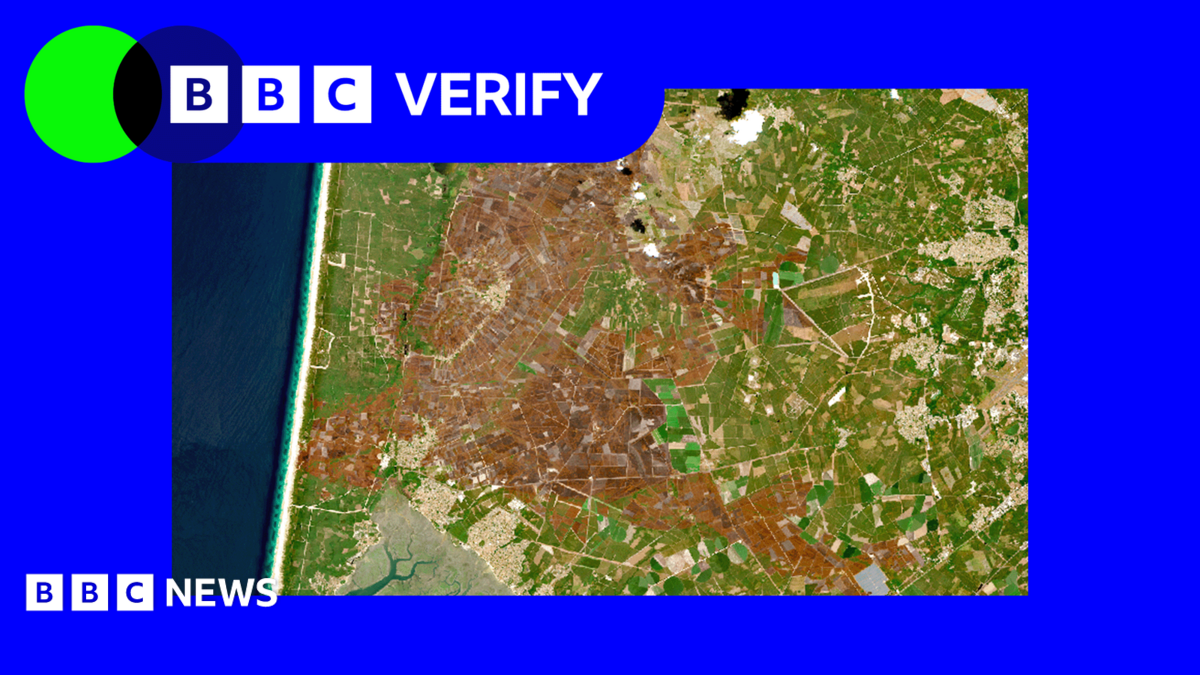
Western Europe has experienced its hottest June-to-July period on record, with satellite images showing the devastating impact of extreme heatwaves that have been occurring since May. The Met Office attributes the heatwaves to persistent high-pressure weather systems, but notes that climate change has made hot spells more likely and intense. As a result, many landscapes across the continent are suffering, including shrinking glaciers, scorched areas from wildfires, and lower river levels. The Danube River, for example, has dropped to its lowest levels in 30 years in several countries. Climate change expert Dr. Douglas Kelley warns that extreme wildfires are becoming more frequent due to ideal conditions created by rising temperatures. The economic impact of these heatwaves is also significant, with economists predicting a loss of $209bn this year, roughly 1% of EU GDP, which could wipe out nearly all growth the bloc was expected to generate in 2026.
Written for “European Summer Heatwave” on 2026-10-17, grounded in this article and the 1 other(s) covering the same event.

Story

📰 European Summer Heatwave
Environment · 2 article(s) covering the same event. See how they differ ↓

Compared with similar articles

This article reads leans left and hedges 0% of its claims. Each row says how that neighbour differs.
BBC News
⚖️ leaning not scored 🔴 26% hedged 8 of 31 📰 publisher trust 69
“Both articles describe the impact of extreme temperatures and wildfires on western Europe during the summer heatwaves”
Evening Standard
⚖️ Leans left 🔴 0% hedged 0 of 17 📰 publisher trust 67
“Article A describes the economic impact of heatwaves and Iran war on Europe, while Article B reports on the new energy price cap in England, Scotland, and Wales, which is a related but separate event”
Deutsche Welle
⚖️ leaning not scored 🔴 10% hedged 3 of 29 📰 publisher trust 95
“Article A mentions wildfires in multiple European countries, while Article B focuses on heatwaves and their economic impact, mentioning wildfires only as one of several issues”
Deutsche Welle
⚖️ leaning not scored 🔴 29% hedged 7 of 24 📰 publisher trust 95
“Article A describes a broader heatwave and energy crunch affecting Europe as a whole, while Article B focuses specifically on drought in Germany and its impact on transport costs and energy prices”
How this article was measured signals, leaning charts, publisher record, byline, topics and claims

Signals How these are calculated →

Claims extracted
7
sentences that state something as happening or true
Uncertain
0%
0 of 7 hedged ("reportedly", "may", "according to")
Leaning
Leans left
of the writing, not the subject · beta estimate
Publisher signals
60/100
Al Jazeera's corrections and hedging, across everything collected from it. Not a measure of accuracy.
Outlets on this story
2
Environment
Same framing elsewhere
1
articles that frame the event the way this one does
Analyzed 2026-08-20 · how these are computed

How this is being covered How these are calculated →

Article leaning vs. publisher reliability
Source leaning vs. consistency

Publisher

Al Jazeera · 3213 article(s) · 2 correction(s) detected
Running correction rate · 2 correction(s)

Who wrote this

No reporter is named on this article.

Topics

Dutch Iran Triodos

Subjects

Iran GPE · 2× Dutch NORP · 1× Triodos ORG · 1×

Narrative

Economists warn extreme heat is becoming an economic risk – hitting output, tourism, food prices, insurance, and public budgets all at once.
framing: assertive · carried by 1 article(s) · first seen 2026-08-20
🔮 Dutch bank Triodos says that wipes out almost all the growth the bloc was expected to generate in 2026.
2026-08-20 · Al Jazeera
Heatwaves and energy crunch: Can Europe withstand a double shock? · assertive framing

Claims (7 extracted, 0 hedged)

Heatwaves are squeezing growth and productivity while the Iran war drives up Europe’s energy costs. asserted
war → squeeze → costs
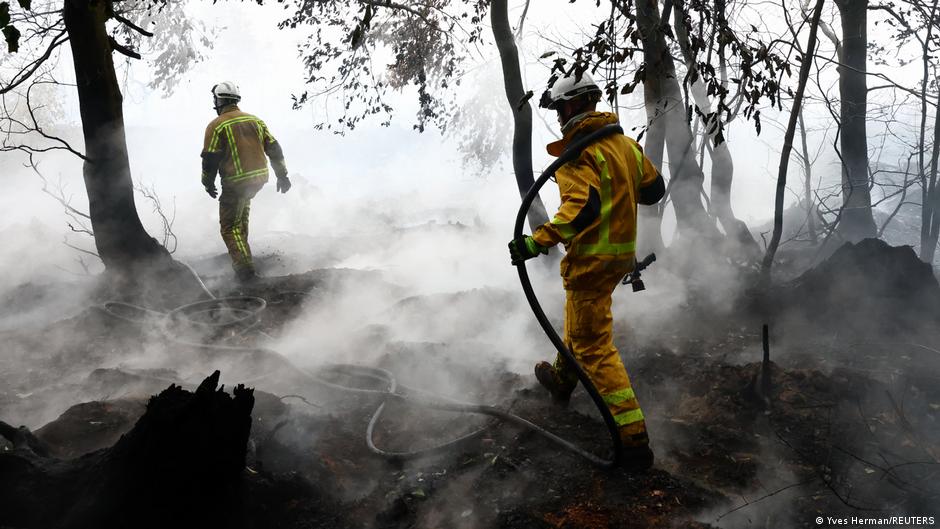
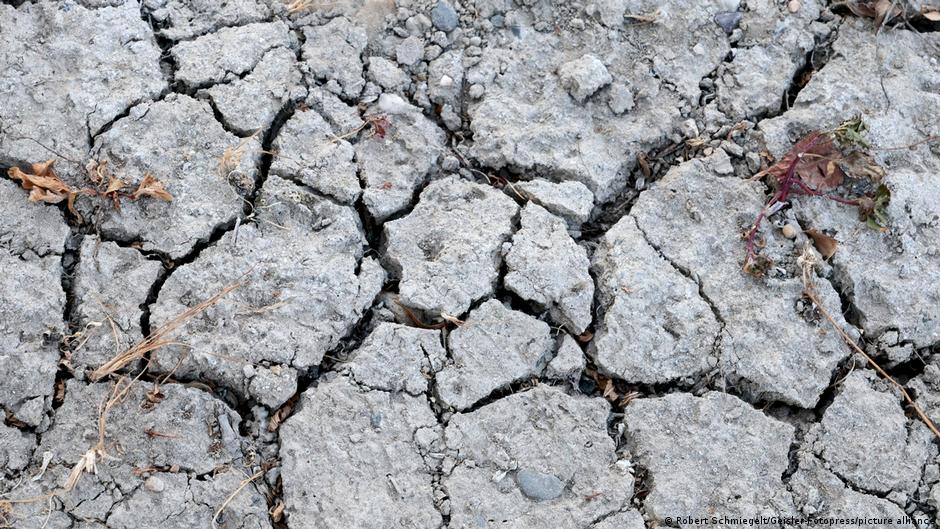
Wildfires are burning, crops are failing and rivers are running dry. asserted
rivers → burn → ?
Europe is baking under its fifth heatwave of the year. asserted
Europe → bake → year
Economists warn extreme heat is becoming an economic risk – hitting output, tourism, food prices, insurance, and public budgets all at once. asserted
heat → warn → output
Dutch bank Triodos says that wipes out almost all the growth the bloc was expected to generate in 2026. asserted
bloc → say → 2026
And this isn’t happening in isolation. asserted
this → happen → isolation
Europe’s economy is already under pressure from higher energy prices driven by the Iran war. asserted
economy → drive → war
💬Give feedback
🕘History 🎫Support